Hepper is reader-supported. When you buy via links on our site, we may earn an affiliate commission at no cost to you. Learn more.
Can Dogs Eat Chives? Vet Reviewed Risks Explained


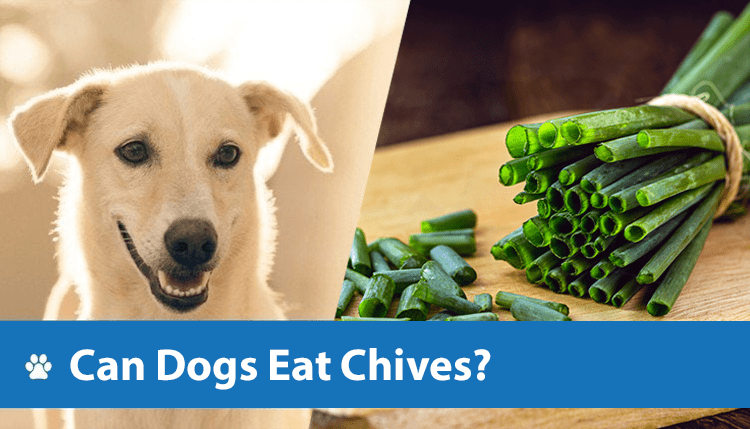
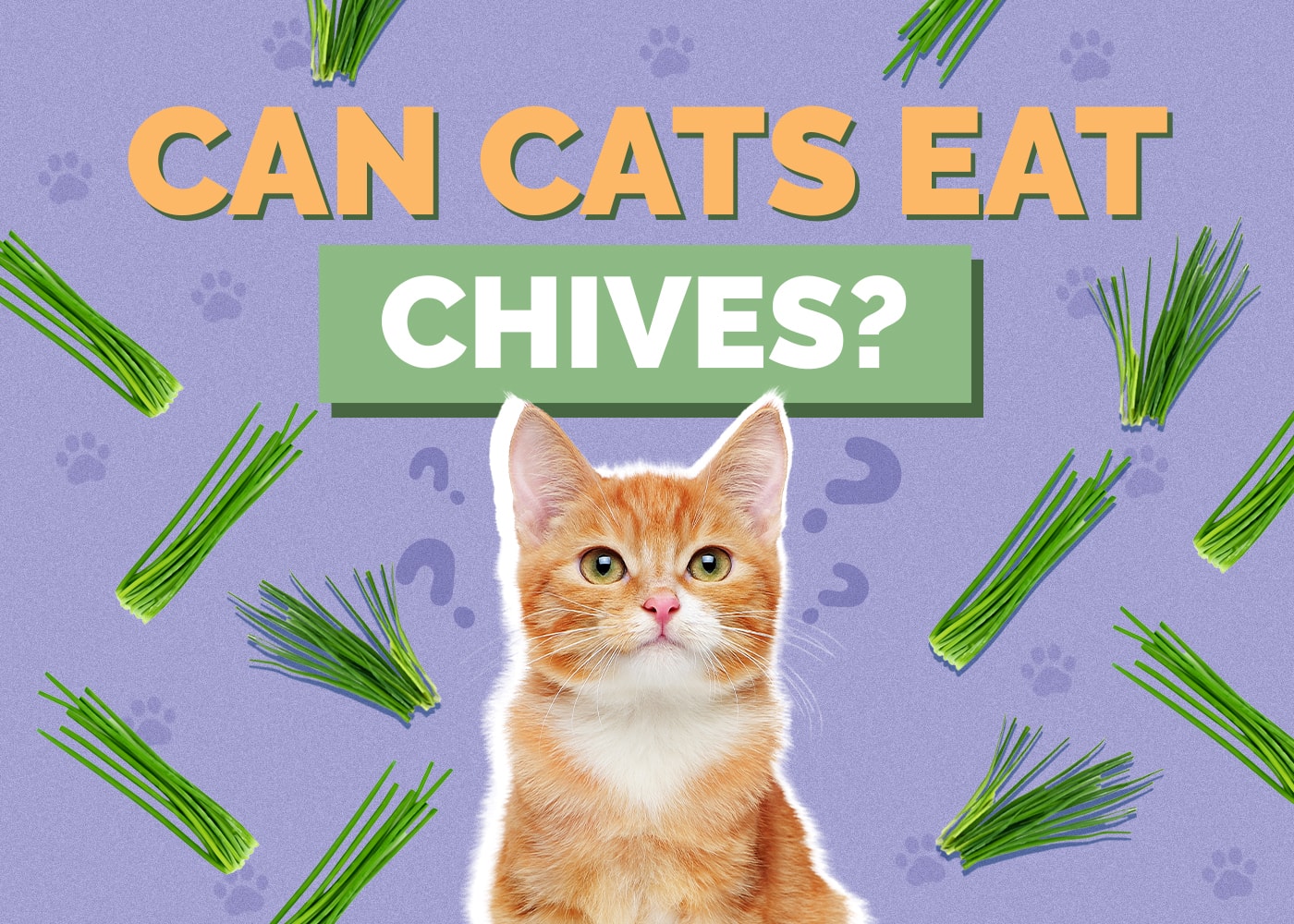
Chives are a popular topping for all kinds of dishes, from salads to soups and potatoes. But can dogs eat chives? The short answer is no.1 Chives belong to the Allium family of plants, which includes onions, garlic, and leeks—all of which are poisonous to both cats and dogs if ingested in large amounts or over a long period of time. So, while chives may be perfectly safe for humans to eat, they can be dangerous if your pup gets their paws on them.

Nutritional Value of Chives
Chives are actually packed with nutritional value—they’re rich in vitamins A and C, as well as dietary fiber. They’re also a good source of calcium and iron. But unfortunately, these benefits are not enough to outweigh the potential risks for dogs.
Possible Side Effects of Eating Chives for Dogs
Ingesting chives—or any other member of the Allium family—can cause digestive upset in dogs such as vomiting and diarrhea. Eating too much can also lead to anemia due to the presence of thiosulfate, a toxin found in the Allium family.
Other signs can include weakness, loss of appetite, discolored urine, pale gums, vomiting, diarrhea, abdominal pain, and increased heart rate. If you notice any of these symptoms, contact your veterinarian right away.
Thiosulfate poisoning can cause red blood cell destruction and damage the liver and kidneys. In extreme cases, it can even be fatal. Also, if your pet has ingested a large amount of any type of onion or garlic, it is important to seek veterinary care immediately.

Alternatives to Chives
There are plenty of safe and healthy alternatives to chives that your pup can enjoy. Parsley, cilantro, and dill all make great toppings for food and offer similar health benefits as chives without the risk of thiosulfate poisoning.

FAQs About Allium Foods for Dogs
Are other types of plants in the Allium family toxic for dogs?
A: Yes, any type of plant from the Allium family can be toxic if ingested in large amounts or over a long period of time. Examples include onion, garlic, leeks, chives, scallions and shallots. It is important to keep these plants away from your dog at all times.
What are the symptoms of onion toxicity in dogs?
A: Symptoms of onion toxicity can include vomiting, diarrhea, weakness, and anemia.
Is onion powder safe for my dog?
A: No, onion powder is derived from onions and can be toxic to dogs if ingested in large amounts.
Are the green parts of onions safe for my dog to eat?
A: No, the green parts of onions contain the same thiosulfate toxin as the bulbs and should be avoided.
Why are members of the Allium family so dangerous for dogs?
A: Members of the Allium family contain thiosulfate, a toxin which can cause red blood cell destruction and damage the liver and kidneys if ingested in large amounts.
What should I do if my dog eats any type of onion or other member of the Allium family?
A: If your pet has ingested a large amount of any member of the Allium family, contact your veterinarian for further advice.
How many onions can a small-sized dog eat before experiencing symptoms of thiosulfate poisoning?
A: It depends on the size and health of your pet. The smaller the dog, the less tolerance they have to toxins. It’s best to avoid feeding them any onions or other members of the Allium family to be on the safe side.
Are foods like pickles, olives, salad dressings, and sauces containing any type of onion or garlic safe for my pet to consume?
A: No, these foods should be avoided as they contain high levels of onion or garlic, which can lead to thiosulfate poisoning. Additionally, pickles and olives may contain additional ingredients that are not suitable for dogs. It’s best to check the ingredient list on all food items before feeding them to your pet.
Is Thiosulfate Poisoning in Dogs Treatable?
Yes, thiosulfate poisoning can be treated by your veterinarian if it is detected early enough. Treatment may involve administering intravenous fluids and medications to help counteract the effects of the toxin.
What Will Happen at the Vet's Office?
At the vet's office, your pet will be examined and tests such as a complete blood count and urine analysis may be recommended. Other treatments may include intravenous fluids and medications to help counteract the effects of the toxin. It is important to seek veterinary care right away if you suspect your pet has ingested any type of onion or garlic.

What Are the Long-term Side Effects of Thiosulfate Poisoning?
Long-term side effects of thiosulfate poisoning can include liver and kidney damage, anemia, and other health issues. It is important to seek veterinary care right away if you suspect your pet has ingested any type of onion or garlic.
What Can I Do to Protect My Pet from Thiosulfate Poisoning?
The best way to protect your pet from thiosulfate poisoning is to avoid feeding them any type of onion or garlic, and to supervise them when they are in the kitchen. Additionally, be sure to check ingredient labels on all food items before feeding them to your pet. Finally, keep all members of the Allium family out of reach from your pet at all times. If you suspect your pet may have ingested any type of onion or garlic, contact your veterinarian right away.

Is There Anything I Can Do at Home to Help Treat Thiosulfate Poisoning in My Dog?
If you suspect your pet has ingested any type of onion or garlic, contact your veterinarian right away - do not attempt to treat your pet at home. Your veterinarian may instruct you on providing supportive care while they are en route to the clinic.
With prompt treatment, thiosulfate poisoning can usually be successfully treated. However, it is important to note that long-term damage to the liver, kidneys and other organ systems can occur if treatment is not sought quickly. Therefore, it is best to take preventive measures to avoid thiosulfate poisoning in your pet. With the right care and vigilance, you can help keep your pet safe from this potentially dangerous condition.
Final Thoughts
Can dogs eat chives? Unfortunately, no—chives and other members of the Allium family can be poisonous to both cats and dogs if ingested in large amounts or over a long period of time. However, there are plenty of safe alternatives that your pup can enjoy with just as many health benefits.
Related Reads:
Sources
https://www.bloorcourtvetclinic.com/2019/03/21/garlic/#:~:text=Onions%2C%20garlic%2C%20chives%2C%20and%20leeks%20are%20in%20the%20Allium,onions%20for%20cats%20and%20dogs.
Featured Image Credit: RHJPhtotos, Shutterstock
Get Hepper In Your Inbox


Pet care tips from our vets and experts, straight to your inbox.
You may opt-out at any time. View our Privacy Policy for more information.
Nicole is a lover of animals of all sizes but is especially fascinated with the feline variety. She’s the proud mom of Baby, a Burmese, and works every day so he can relax in the sunshine or by the fire. She’s always had a cat in her home and has spent countless days with others, observing behaviors and softening up even the grouchiest of the lot. Nicole wants to share her kitty expertise with you so you and your cat can live happy, healthy, and care-free.
Join the conversation
Ask a question, share your story, or send private feedback.