Hepper is reader-supported. When you buy via links on our site, we may earn an affiliate commission at no cost to you. Learn more.
My Dog Drank Bleach! Our Vet Explains What To Do


In this article
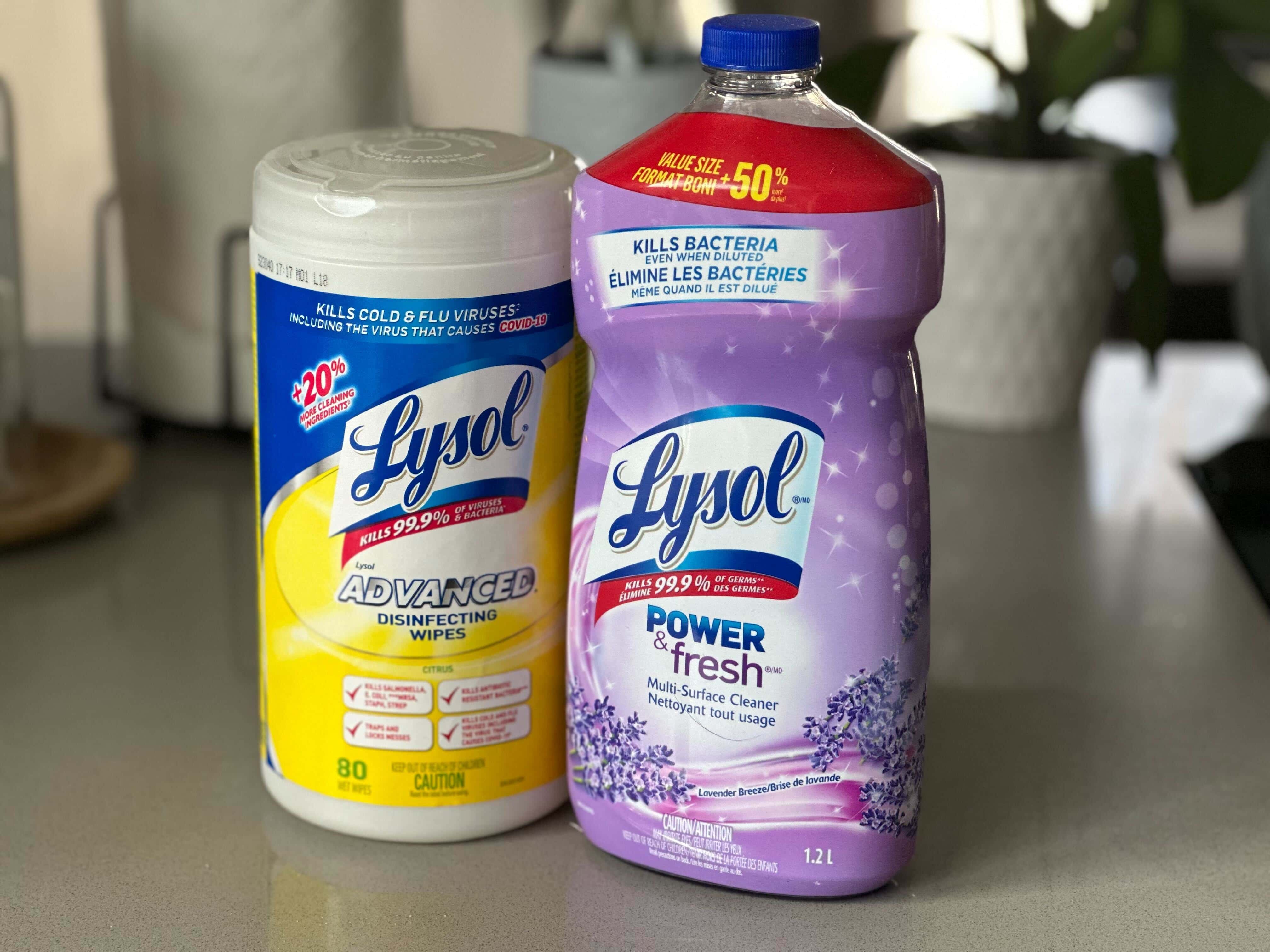
Since the COVID-19 pandemic struck, people have been disinfecting their homes more frequently and more thoroughly. Sadly, the Pet Poison Helpline reported an increase of more than 100% in calls regarding the exposure of pets to household cleaning products. Here, we look at bleach, a commonly used household product.
So, can bleach hurt your dog? The simple answer is yes; bleach is poisonous to dogs. How dangerous it is will depend on the concentration of the product and how your pet comes into contact with it.

Can Bleach Kill a Dog?
While you may consider it unlikely that your canine friend would be drawn to a cleaning product, there are a number of ways that you might find your dog drinking bleach. Some dogs play with empty milk cartons or plastic bottles as toys. They could easily mistake a bottle of bleach-containing product for a toy, especially if the bottle is brightly colored!
Dogs explore with their mouths, which can lead to punctured bottles and ingested bleach.

Some cleaning products are designed to make our homes smell sweet, which may attract your pet. If your dog walks through some bleach while you are mopping the floor, this can cause problems for their skin. It may also cause them to attempt to groom off the bleach, leading to accidental ingestion. Some dogs have a habit of drinking from toilet bowls—if newly cleaned, this is a potential source of exposure.
Remember that tooth-whitening products often contain bleach. These are often flavored and may smell appetizing to your dog! Of course, there are some breeds (Labrador springs to mind) that may just drink from a bucket of bleach water!
Diluted bleach or mild cleaning products can cause some nasty symptoms. Concentrated bleach products can cause more serious symptoms and potentially be fatal. A common question since the pandemic started is, “Can I put a little bleach in my dog’s bath water?” The answer is no! There is no need, there are plenty of effective pet-safe shampoos on the market that kill the virus more effectively than bleach.
You risk harming your pet, which of course, no pet parent would want. Despite some misleading articles you might find online, bleach should never be used to bathe your dog, treat fleas, color their fur, or treat parvovirus.
What to Do If Your Dog Drinks Bleach
Stay calm and move your pet, to prevent them from accessing any more of the product. If you can, try to get your dog to drink some water or milk, to dilute the bleach. If the product is on their skin, wash it off to prevent them from licking it off and ingesting it.
Next, call your veterinary clinic with the following information:
Your veterinarian may wish to examine your dog, in which case you should take the container of bleach product with you.
Signs of Bleach Poisoning in Dogs
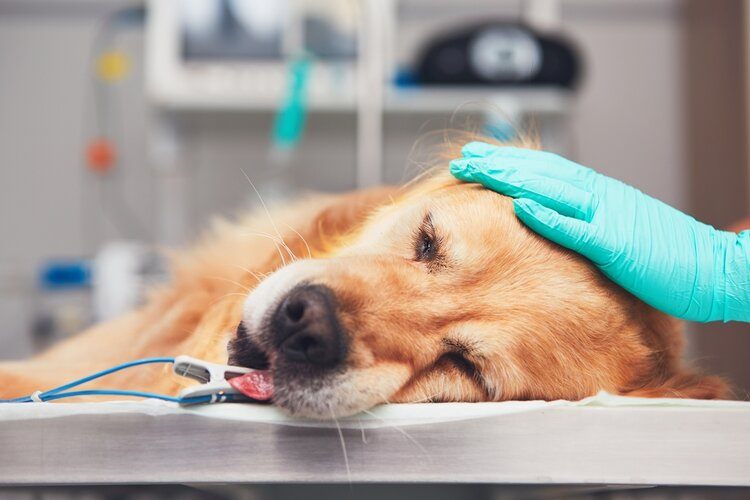
Symptoms will vary depending on the concentration of bleach in the ingested product, as well as the amount of bleach your dog has eaten.
If your dog has eaten diluted bleach or mild household bleach products, then they may show these signs:
Even color-safe (non-chlorine) bleach can irritate the food pipe and stomach and cause vomiting because it contains hydrogen peroxide.
If your dog has ingested concentrated (more than 10%) bleach product then more serious effects are possible, in addition to those listed above:
Treatment for Bleach Poisoning in Dogs
Treatment will be supportive, meaning your veterinarian will treat the symptoms rather than have a cure. In mild cases, your veterinarian may suggest caring for your dog at home. This could mean getting them to drink some water or milk, bathing them in mild dog shampoo if they have skin lesions, and monitoring them for symptoms.
It is important to note that you should never try to determine if your dog’s case is mild by yourself—always call your veterinarian for advice.
You should also never try to make your dog vomit at home, but especially not with bleach ingestion. Making a dog sick is dangerous in this case, as the bleach can cause more corrosive damage on the way back up. Plus, there is a risk that your dog may breathe in some of the bleach-containing vomit, causing damage to the lungs.
Depending on the severity of symptoms, treatment could include hospitalization for monitoring; a fluid drip to correct electrolyte (in this case sodium and chloride) imbalances; medicine to protect the stomach or treat stomach ulcers; and anti-sickness medication.

How Can I Stop My Dog From Drinking Bleach?
Of course, preventing is better than treating! So, how can you prevent your doggy from coming into contact with bleach?
Here are some top tips:
Conclusion
In most cases, if your dog drinks bleach, it will fully recover. However, this is down to the fact that it is rare for a dog to consume a large amount of concentrated bleach. Most cases are therefore mild. If your dog consumes any amount of concentrated bleach, this is definitely an emergency and you should call your veterinarian straight away because too much bleach can kill a dog.
With diluted, mild, or color-safe bleach you should still call your veterinary clinic or the Pet Poison Helpline for advice.
Featured Image Credit: congerdesign, Pixabay
Get Hepper In Your Inbox


Pet care tips from our vets and experts, straight to your inbox.
You may opt-out at any time. View our Privacy Policy for more information.
Joanna is an experienced vet working in the UK. She has written about pets and pet health for many websites, blogs, and pet magazines and loves to help owners understand their pets through her writing.
Joanna is an experienced vet working in the UK who has always loved both writing and science. So, after following her passion for science and graduating as a veterinarian, she was able to begin writing and join her two passions together.
She has written about pets and pet health for many websites, blogs, and pet magazines. She loves to help owners understand their pets better through her writing, and loves to teach and educate her clients. She owns her own freelance company to help even more clients than just the one standing in front of her in a consultation room.
Education
In 2016, Joanna graduated from the University of Nottingham, with a degree in Veterinary Science (BVMedSci) and a degree in Veterinary Medicine and Surgery (BVM BVS).
Experience
Joanna practiced as a clinical vet from 2016 - 2019 and left full-time practice after that to work as a locum/relief vet in the Channel Islands, alongside her freelance writing work.
Join the conversation
Ask a question, share your story, or send private feedback.