Hepper is reader-supported. When you buy via links on our site, we may earn an affiliate commission at no cost to you. Learn more.
Is Lysol Toxic to Dogs? Vet-Approved Facts & FAQs


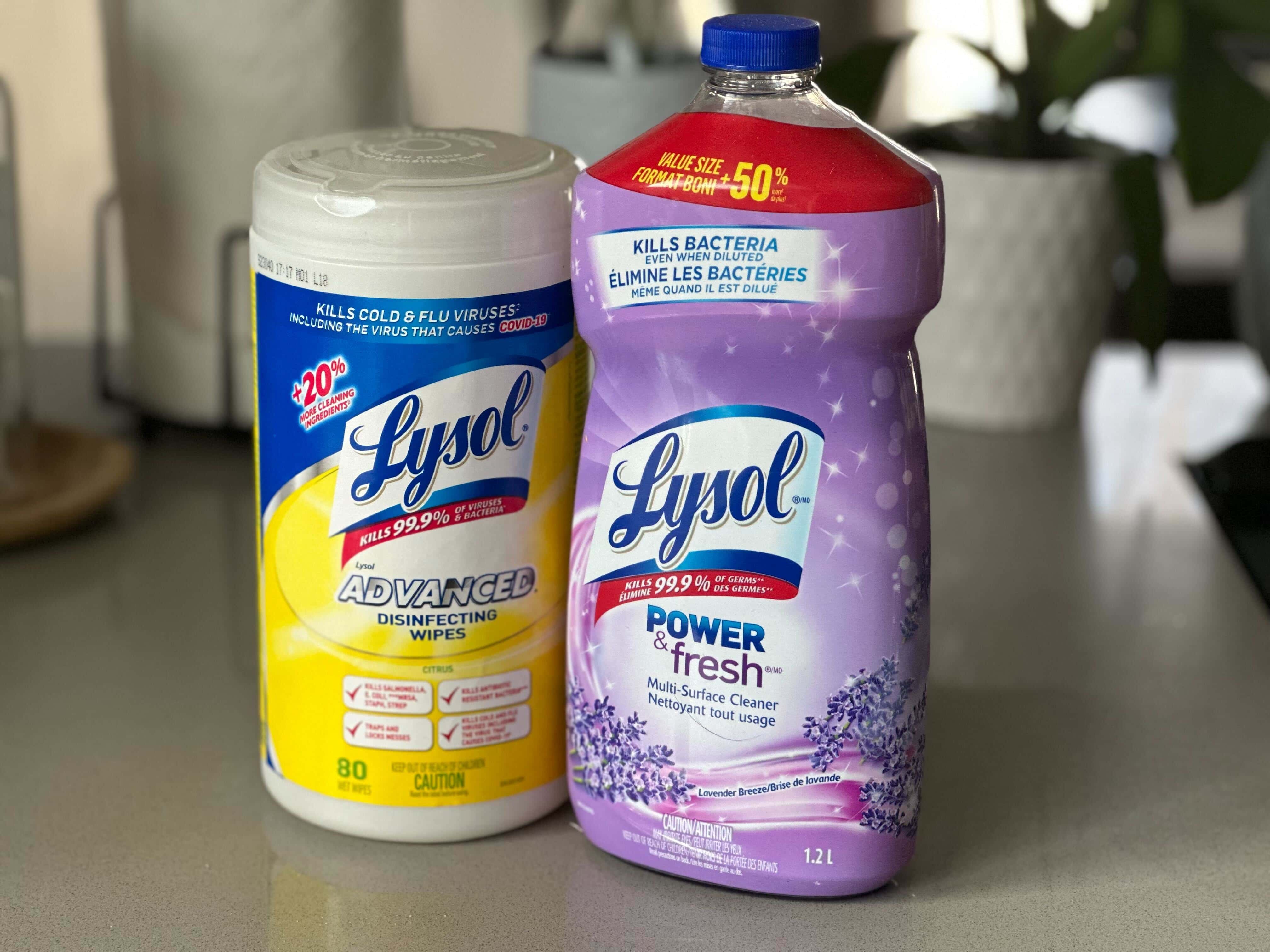
Seeing your dog getting into something they are not supposed to can cause a moment of panic. Some dogs are notorious for eating, chewing, and licking things that they should not. If you see your dog ingesting or chewing on any Lysol products, it should cause alarm. Lysol is a harsh chemical disinfectant that can have serious health effects for your dog. If you are worried that your dog has gotten into Lysol, here is what you should know and what you need to do.

Lysol Dangers
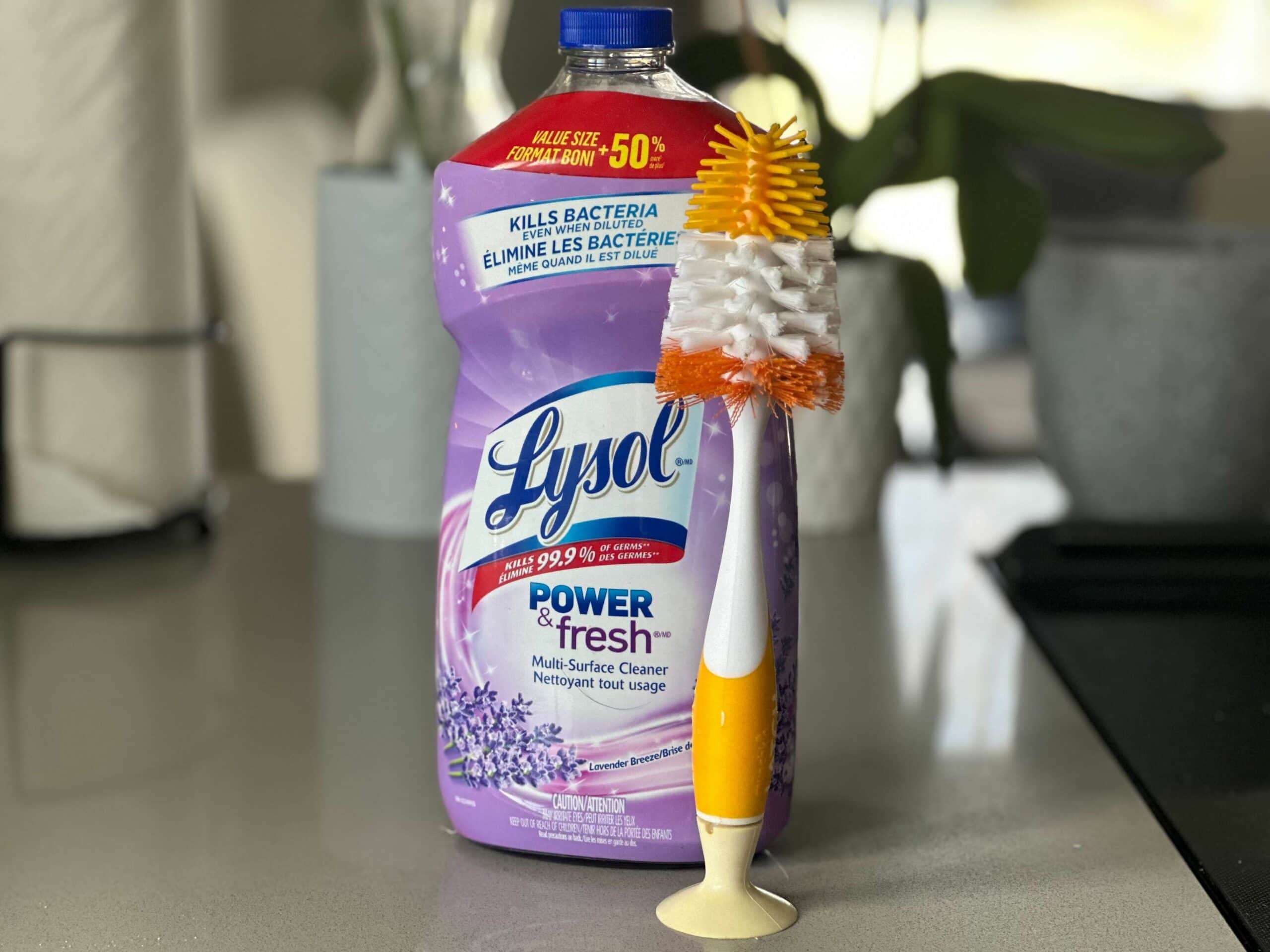
Lysol presents several dangers to dogs. One of the main active ingredients in many Lysol products is phenol. Many animals, including dogs and cats, cannot properly break down phenol in the body. While cats are more sensitive to phenol than dogs, dogs can still suffer from the effects of phenol poisoning. Since phenol cannot be effectively broken down by animal organs, it can build up and cause liver damage and even liver failure.
Lysol is also distributed as an aerosol spray which can release harmful volatile organic compounds (VOCs) into the air, which can irritate a dog’s airways. This can happen if you spray Lysol near your dog or accidentally spray Lysol on your dog.
Another danger of Lysol is chemical burns. If a dog manages to break open a can or bottle of Lysol and lick it, the chemicals can cause harsh burns on the inside of your dog’s mouth and throat.
While Lysol can be very potent and abrasive, it also dissipates very quickly. That means the risk of a dog getting into a concentrated amount of Lysol is low. But it can still happen. Dogs are also more resistant to phenol than cats, so they need to ingest a much larger amount to cause liver damage than cats, which puts them at a lower risk of being harmed by slight accidental exposure. However, there are some key signs that something could be wrong with your dog after coming into contact with Lysol.
Signs Something Is Wrong
If you see your dog getting into Lysol or suspect that they could have gotten into Lysol, then you should contact your vet immediately. Dogs that are experiencing adverse effects from Lysol may continuously swallow and could present with excessive drooling. They could become lethargic or listless and show neurological signs. They might also repeatedly paw at the mouth or refuse to eat.
These are some of the biggest signs of toxicity. But they could show other signs. If your dog has gotten into Lysol and is showing any signs,then they need to be seen by a vet urgently.
What to Do If Your Dog Gets Into Lysol
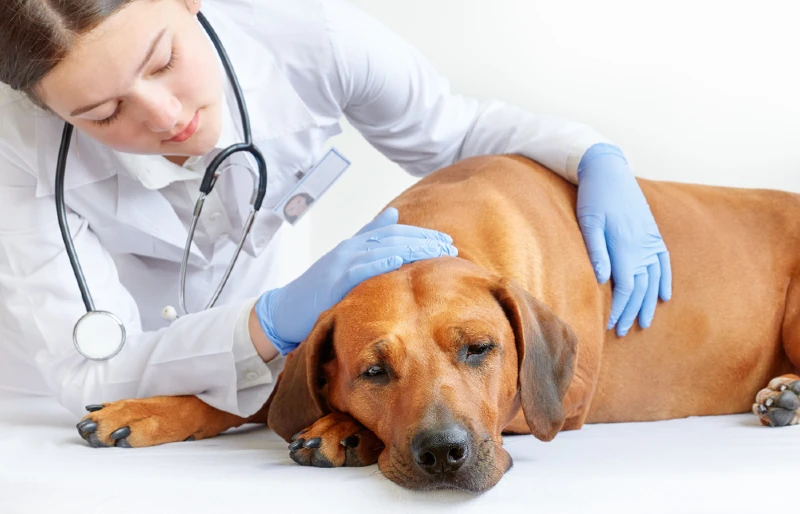
If you catch your dog licking or chewing on Lysol, you should first immediately rinse your dog's mouth and contact your vet for advice. Flush your dog’s mouth multiple times with clean, fresh water, making sure they don’t choke or inhale it. Make sure your dog’s nose is down when you do this to help prevent excess water being swallowed. The water will help get the chemicals out of your dog’s mouth, which will decrease the likelihood of developing chemical burns. If it was the skin that has been exposed then flush this area with water also.
You should monitor for signs of toxicity. Your veterinarian will want to know exactly what signs your dog is exhibiting. Even though there will be a strong urge to panic, gathering information and tracking symptoms will help your vet eventually administer effective treatment.
If your dog is showing signs of advanced toxicity, you will likely need emergency veterinary care. Most dogs will not ingest enough Lysol to warrant an emergency, but it can happen.
Remember That Most Chemical Cleaners Are Toxic
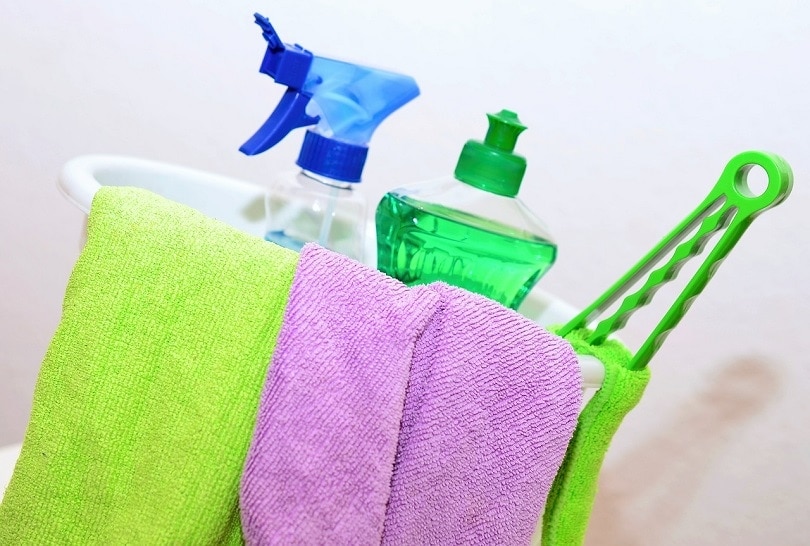
It is easy to read this and think that Lysol is uniquely dangerous to dogs, but that is not true. Almost every form of chemical cleaner is just as dangerous, if not more so. Modern cleaners are made up of extremely strong chemicals designed to kill germs, destroy grease, and freshen the air. You should take caution when using any harsh chemical cleaners around your dogs or any pets. People cannot ingest many cleaners either. Some cleaners are even abrasive enough to cause issues for people’s own skin and eyes. Treat all chemical cleaners with a level of care.
That doesn’t mean you can’t use Lysol or have to refrain from using modern cleaners in your house. You just need to keep your dogs away from the area until the cleaners dry and the area airs out. Many cleaners dissipate in a matter of minutes, especially in a well-ventilated area. You should always keep your cleaning supplies locked up and out of reach of any dogs, especially dogs with a history of getting into things that they shouldn’t.

Conclusion
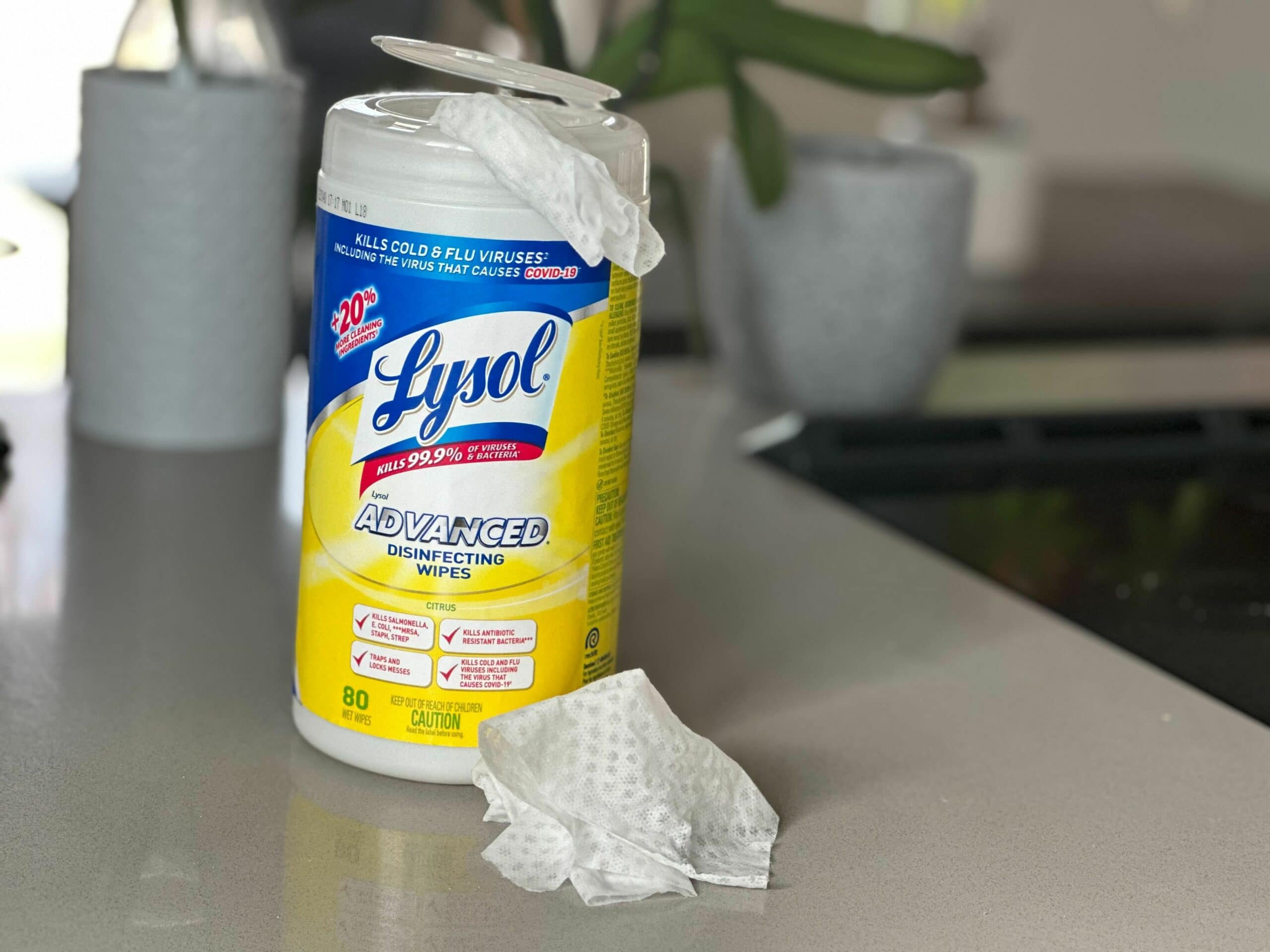
Lysol can potentially be toxic to dogs. Phenol, one of the main ingredients in Lysol, can build up in your dog’s body and cause liver damage. Lysol can also cause chemical burns in the eyes, mouth, throat, and nose. Luckily, dogs tend to avoid Lysol and do not often ingest enough of the cleaner to cause lasting damage. Still, care should always be taken during the use and storage of chemical cleaners like Lysol, especially around children and pets.
Get Hepper In Your Inbox


Pet care tips from our vets and experts, straight to your inbox.
You may opt-out at any time. View our Privacy Policy for more information.
Grant is a freelance writer with years of experience writing about a diverse range of topics. His days are spent writing and caring for eight animals (two horses, two donkeys, two goats, and two dogs). In his free time he enjoys slowly carving out a quaint hobby farm from the Southern scrub. He currently lives in his native Florida with his wife and son.
Join the conversation
Ask a question, share your story, or send private feedback.