Hepper is reader-supported. When you buy via links on our site, we may earn an affiliate commission at no cost to you. Learn more.
Pica in Dogs: Signs, Causes & Care (Vet Answer)

In this article
Pica is a condition in dogs characterized by compulsive behavior of ingesting non-food items, such as clothing, toys, wood, and rocks. Pica results from either a behavioral or medical condition that leads a dog to repeatedly consume non-food objects. Because some items can be toxic or too large or sharp to pass through the intestinal tract safely, pica can be quite dangerous for dogs as well as worrisome, frustrating, and costly for dog caretakers.

What Is Pica?
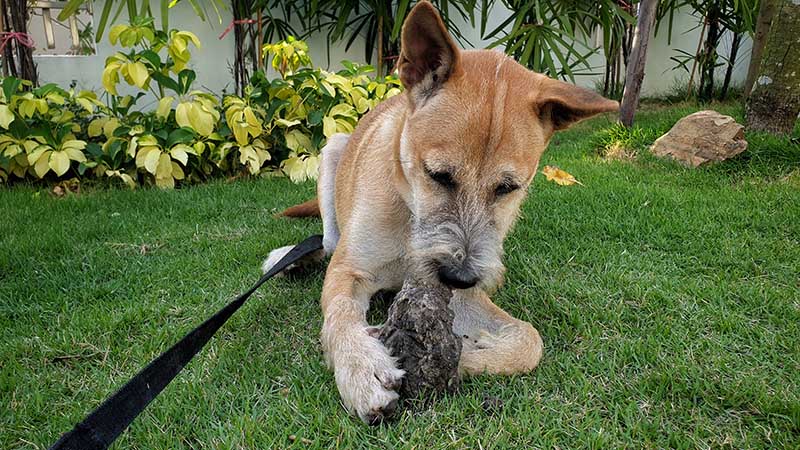
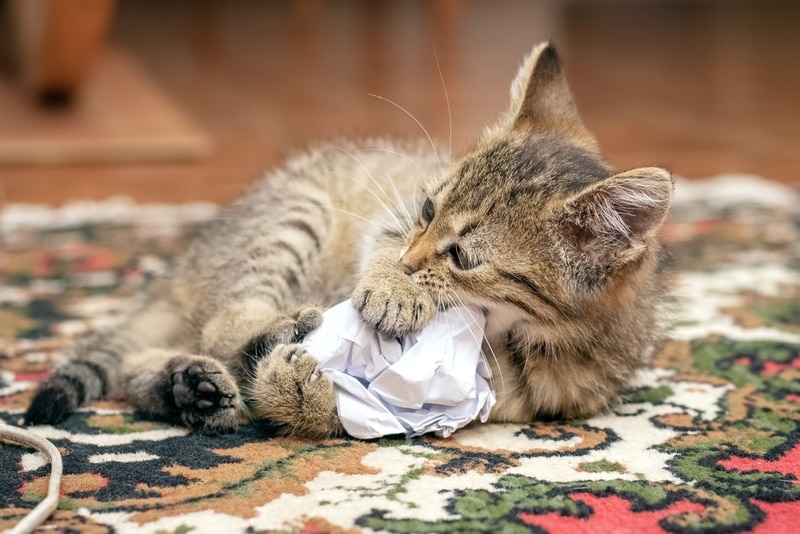
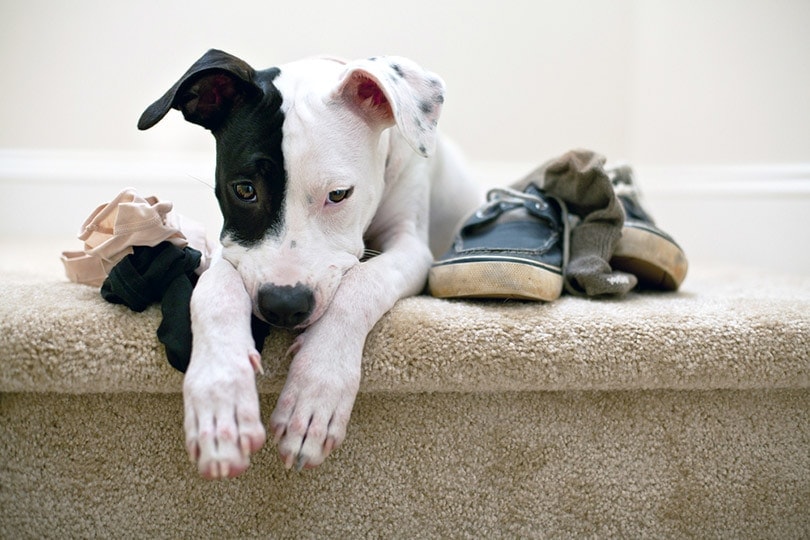
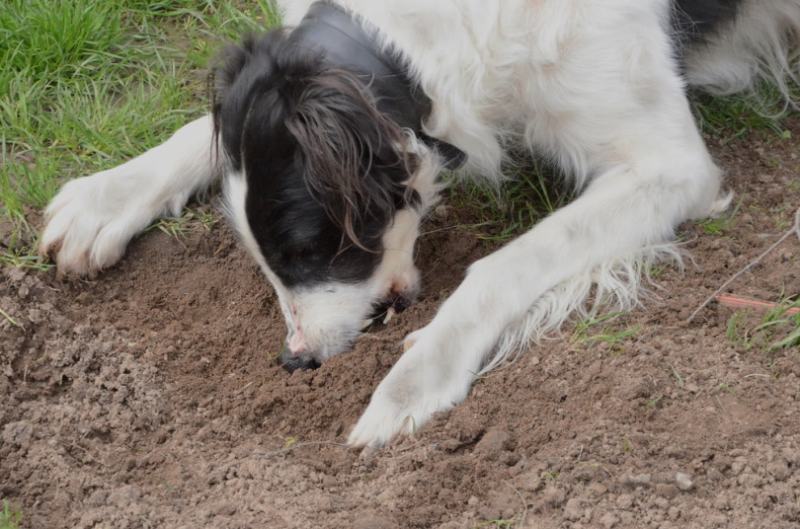
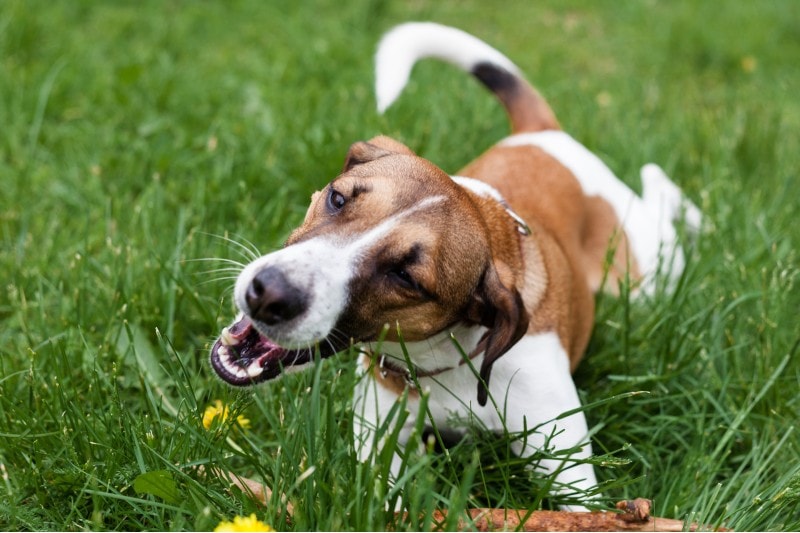
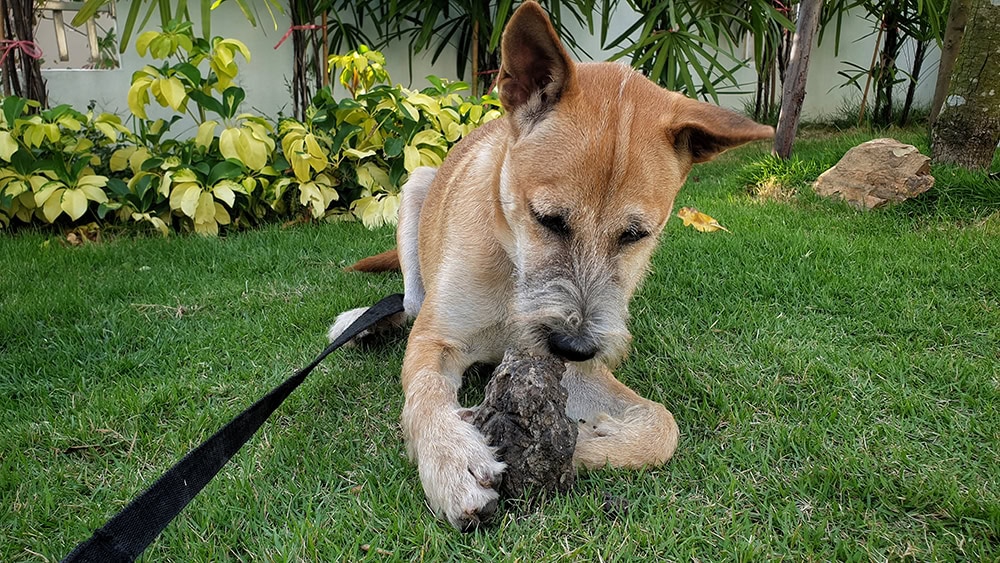
Pica in dogs is a health condition in which dogs compulsively consume non-food items. Common items ingested by dogs with pica include wood, rocks, plastic, toys, and clothing. Dogs with pica might have a special affinity for consuming one type of item (e.g., their owner’s socks) or they might indiscriminately consume all types of non-food items.
One common type of pica is coprophagia (the consumption of feces). Coprophagia is considered normal in nursing female dogs as they will lick their newborn puppies’ anuses to stimulate bowel movements in the young pups. Much like human babies, young puppies explore the world with their mouths, so they are especially prone to opportunities to consume non-food items. Puppies also often have coprophagia, but most eventually grow out of this gross habit.
In addition to the gross factor of consuming feces, young puppies and adult dogs that suffer from pica also put themselves at risk for secondary health issues. Some common secondary problems associated with pica include toxicity, gastrointestinal upset, or in severe cases where an item cannot safely pass through the gastrointestinal tract, they are at risk for a life-threatening intestinal blockage.
At the very least, pica is an annoying behavior for dog owners, and on the extreme end, pica can be a life-threatening and financially costly behavior. Dog caretakers should be clued into the common signs of canine pica.
What Are the Signs of Pica?
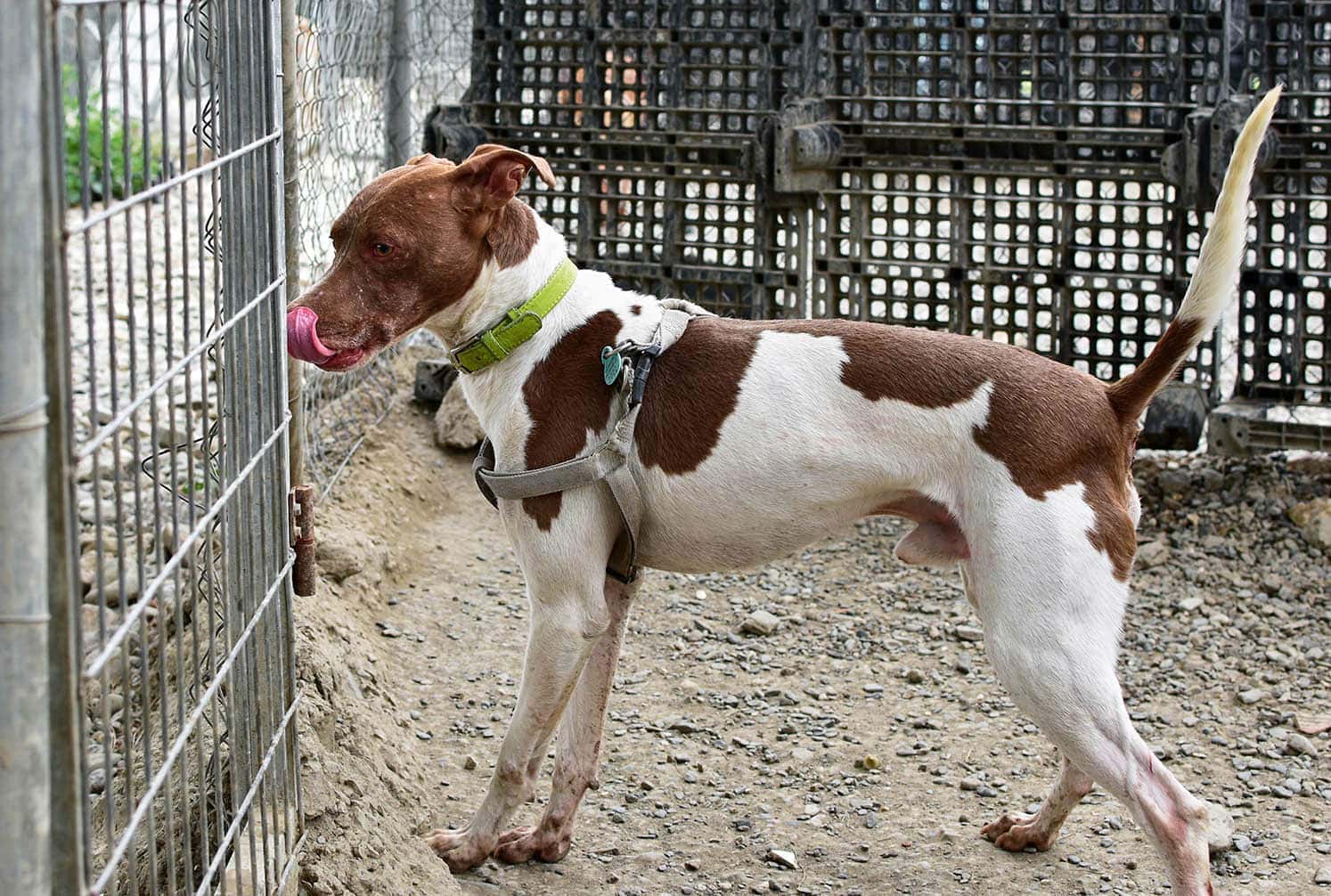
The most obvious sign of pica is witnessing the dog consume a non-food item. Not all dogs will do this in front of their owners and instead may secretly consume objects while the owner has no idea.
Other common signs of pica include:
Other potential signs of pica include:
What Are the Causes of Pica?
Pica can be the result of an underlying medical or behavioral condition in dogs. For dogs who suffer from behavioral pica, the dog is “stress eating” non-food objects. The underlying stress may be due to stress, boredom, or anxiety (particularly separation anxiety or the anxiety that results from being apart from their owner or left alone). Separation anxiety may cause a dog to become destructive with objects in their surroundings, including damaging bedding and toys, sometimes resulting in the dog ingesting some of these materials or objects.
For other cases of pica, a dog is suffering from an underlying medical condition such as nutritional imbalance, hormonal disorders, gastrointestinal disorders, internal parasites, or is simply taking medications that can cause an insatiable appetite (such as steroids or phenobarbital).
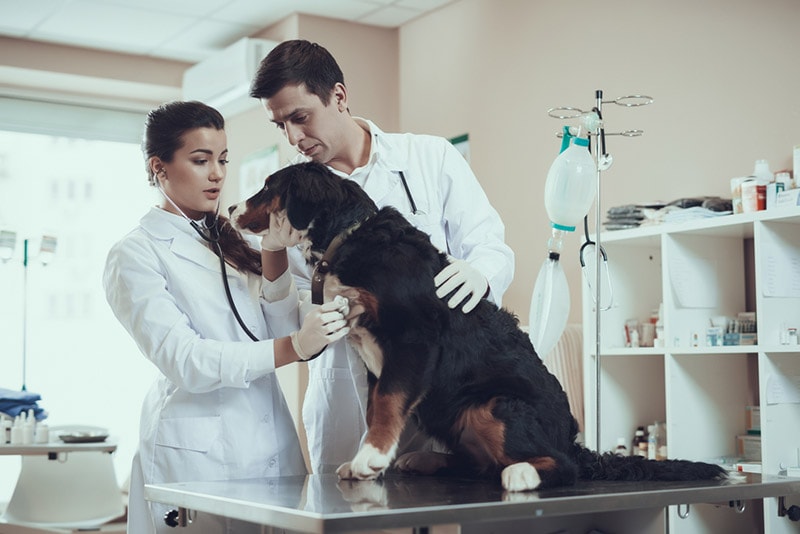
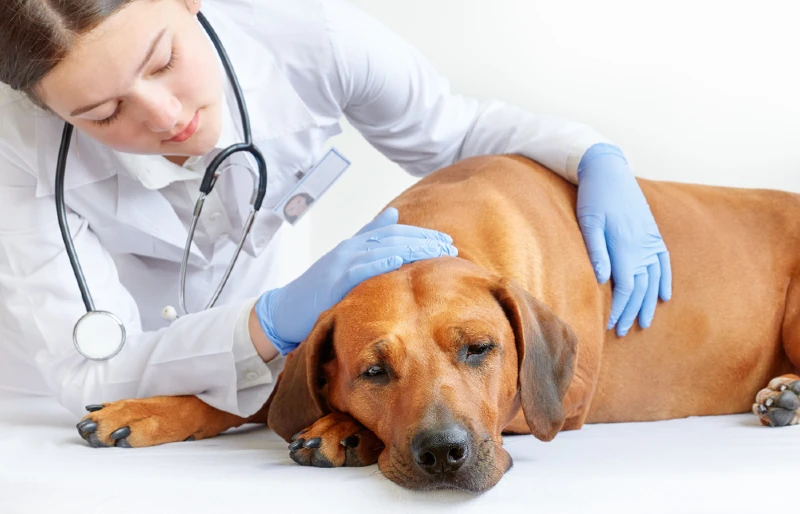
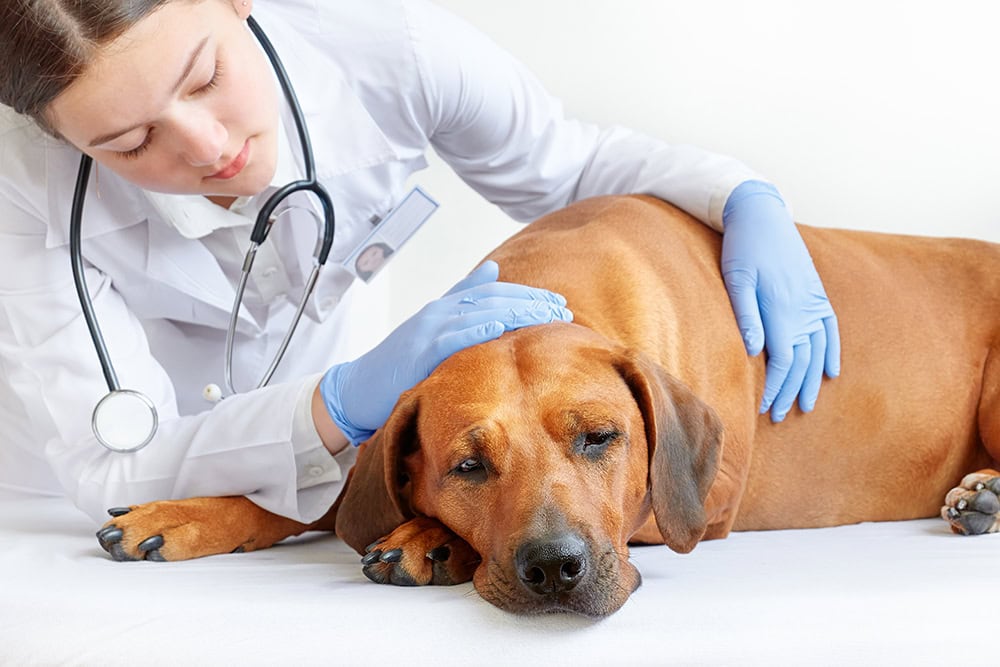
If you suspect pica in your dog, it is important to consult with your veterinarian to try to understand the possible causes. Your veterinarian will want to take a thorough history of your dog’s behavior, lifestyle, daily activity, and living environment. Your veterinarian will perform a complete physical exam and may recommend certain diagnostic tests to understand the possible causes of pica in your dog.
How Do I Care for a Dog With Pica?
If you suspect your dog has pica, an important first step is having your veterinarian thoroughly evaluate your dog for possible causes. After performing a physical exam and thorough history, your veterinarian may recommend baseline blood, urine, and fecal tests as well as imaging such as radiographs or an abdominal ultrasound.
If an underlying medical condition, such as diabetes mellitus, is diagnosed, treating the root cause of pica will be the cornerstone of treating compulsive eating.
If the pica is due to a nutritional imbalance, your veterinarian may recommend a certain type of diet, different amounts of food, nutritional supplements, and an adjusted feeding schedule. Sometimes a combination of these approaches will be recommended.
Often, after common medical causes are ruled out, your veterinarian may further explore the possibility of a behavioral cause such as stress, boredom, or anxiety.
Pica caused by behavioral disorders can be very challenging for veterinarians and owners to manage. Depending on the behavioral condition, your veterinarian will likely make recommendations to reduce stress, anxiety, and boredom in your dog. These changes can include increased physical activity, improved mental stimulation through puzzles and games, and behavioral training.
Another important way to care for your dog with pica is to be sure you are careful with what your dog is exposed to in their environment. Depending on your dog’s pica preferences, this may include always having your dog carefully monitored on leashed walks, closing the hamper and door to the laundry area, crate training your dog while you are away from home, and in extreme cases, wearing a basket muzzle when walking outside the home.

Frequently Asked Questions (FAQs)
What are the treatment options for behavioral pica?
Depending on the origin of your dog’s pica, your veterinarian may recommend various modifications and, in some cases, prescription medicine. Common behavioral modification can include techniques meant to reduce anxiety and boredom, so your dog is occupied trying not to ingest items. Common methods for reducing anxiety and boredom in such dogs include increasing exercise (long walks, playing fetch, swimming, agility, etc.) and increasing mental stimulation through environmental enrichment activities such as feeding puzzles and safe chew toys.
What can I give my dog with pica?
For behavioral pica cases, in addition to increasing exercise and mentally stimulating activities, some people also try calming aids such as canine pheromone products (e.g., Adaptil diffuser or calming collar) and calming supplements (e.g., Composure).
In cases where dogs have intestinal conditions leading to a pica, sometimes probiotic supplements can be used to promote gut health and microbial balance. For coprophagic puppies and dogs eating their own feces, there is a supplement that can make their feces taste unappealing—something you likely never knew was necessary.

Conclusion
Pica is a condition in dogs in which they compulsively consume non-food items. Some cases of pica are simply gross (e.g. coprophagia, the consumption of feces), while other forms can be extremely dangerous (e.g., dogs consuming clothing or rocks that can cause life-threatening intestinal blockages). Pica can be caused by either medical or behavioral conditions. If you believe your dog has pica, it is important to consult with your veterinarian to learn why this behavior is happening and what you can do to prevent it from continuing.
Featured Image Credit: Sarawut sriphakdee, Shutterstock
Get Hepper In Your Inbox


Pet care tips from our vets and experts, straight to your inbox.
You may opt-out at any time. View our Privacy Policy for more information.
Dr. Kelly DeBaene is a small animal veterinarian with over 10 years experience working in general practice and animal shelter settings. Kelly graduated from the University of Illinois with a DVM and MPH, and is board-certified with the American College of Veterinary Preventive Medicine. Kelly is a cat lover, One Health advocate and enjoys spending time with her family and her beloved cat, Murray.
Dr. Kelly DeBaene is a small animal veterinarian with a particular fondness for cats because she appreciates their unique characteristics and preferences. She also has interests and experience in preventive medicine, feline medicine, infectious diseases, and One Health. Outside of work, Kelly enjoys spending time outdoors with her family and friends and exploring the world near and far.
Education
Dr. Kelly graduated from the University of Illinois (US) with a Doctor of Veterinary Medicine degree and Master of Public Health in Epidemiology. She is board-certified with the American College of Veterinary Preventive Medicine.
Experience
Kelly has more than 10 years of experience working in general medicine and animal shelter settings in both the United States and the Netherlands. While in the US, she worked as the sole veterinarian for a cat shelter, where they performed high-volume spays and neuters. Kelly also started a charity program that provides free preventive care to companion animals of people experiencing homelessness in California.
In addition to her small animal medicine career, she also has worked in public health emergency preparedness and communicable disease control. Most recently, she opened her own veterinary house-call practice where she provides care for feline patients in the comfort and convenience of their homes.
Join the conversation
Ask a question, share your story, or send private feedback.