Hepper is reader-supported. When you buy via links on our site, we may earn an affiliate commission at no cost to you. Learn more.
Samoyed vs Husky: Differences Explained (With Pictures)
In this article
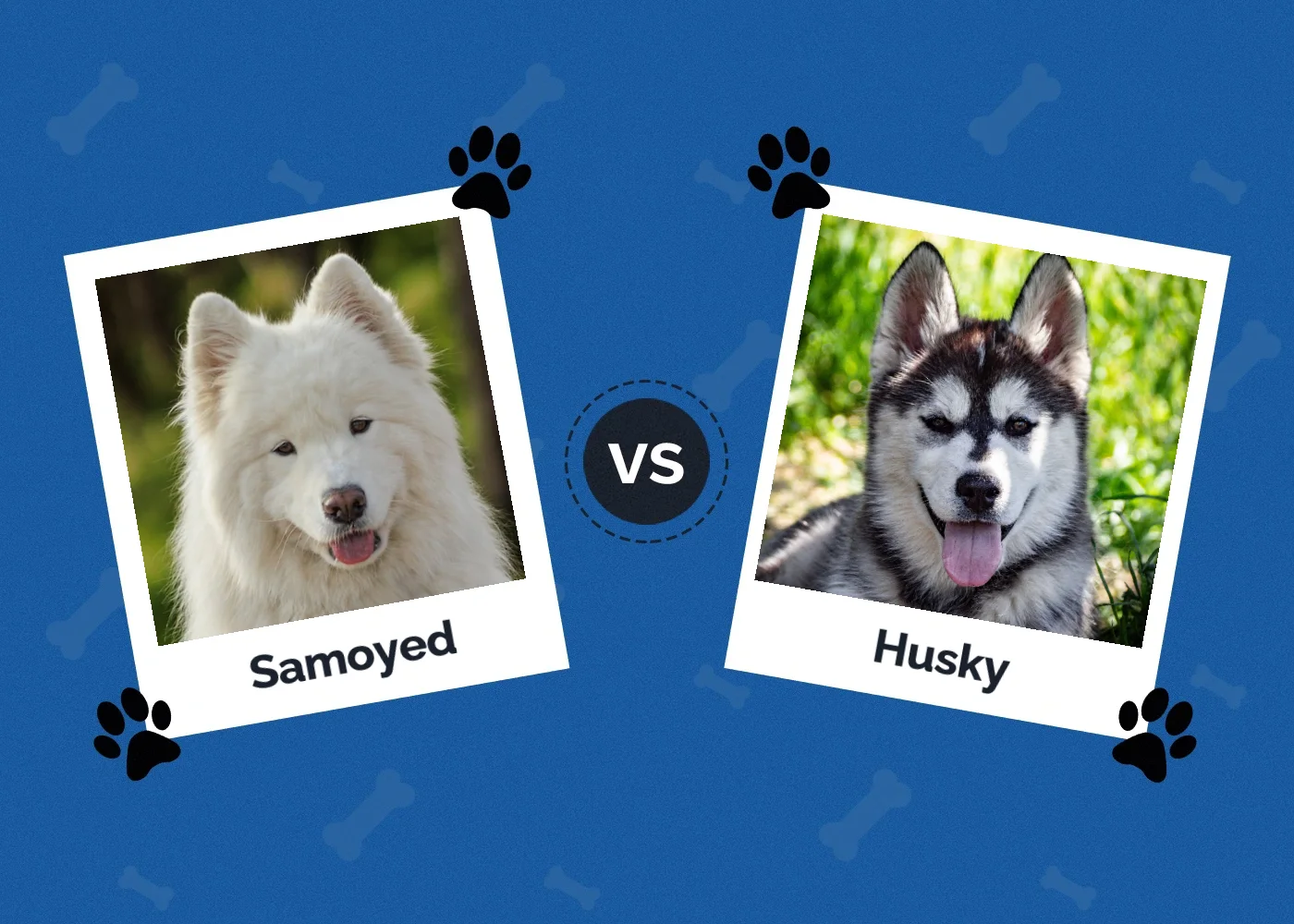
If you’re a fan of fluffy, large dogs, you have likely heard of Samoyeds and Huskies. These stunning wolf-like dogs originate from Siberia and are adapted to living in cold climates.
Throughout history, Samoyeds and Huskies were primarily used as sled dogs, though their popularity as pets increased rapidly, causing both breeds to become popular companion options for people worldwide.
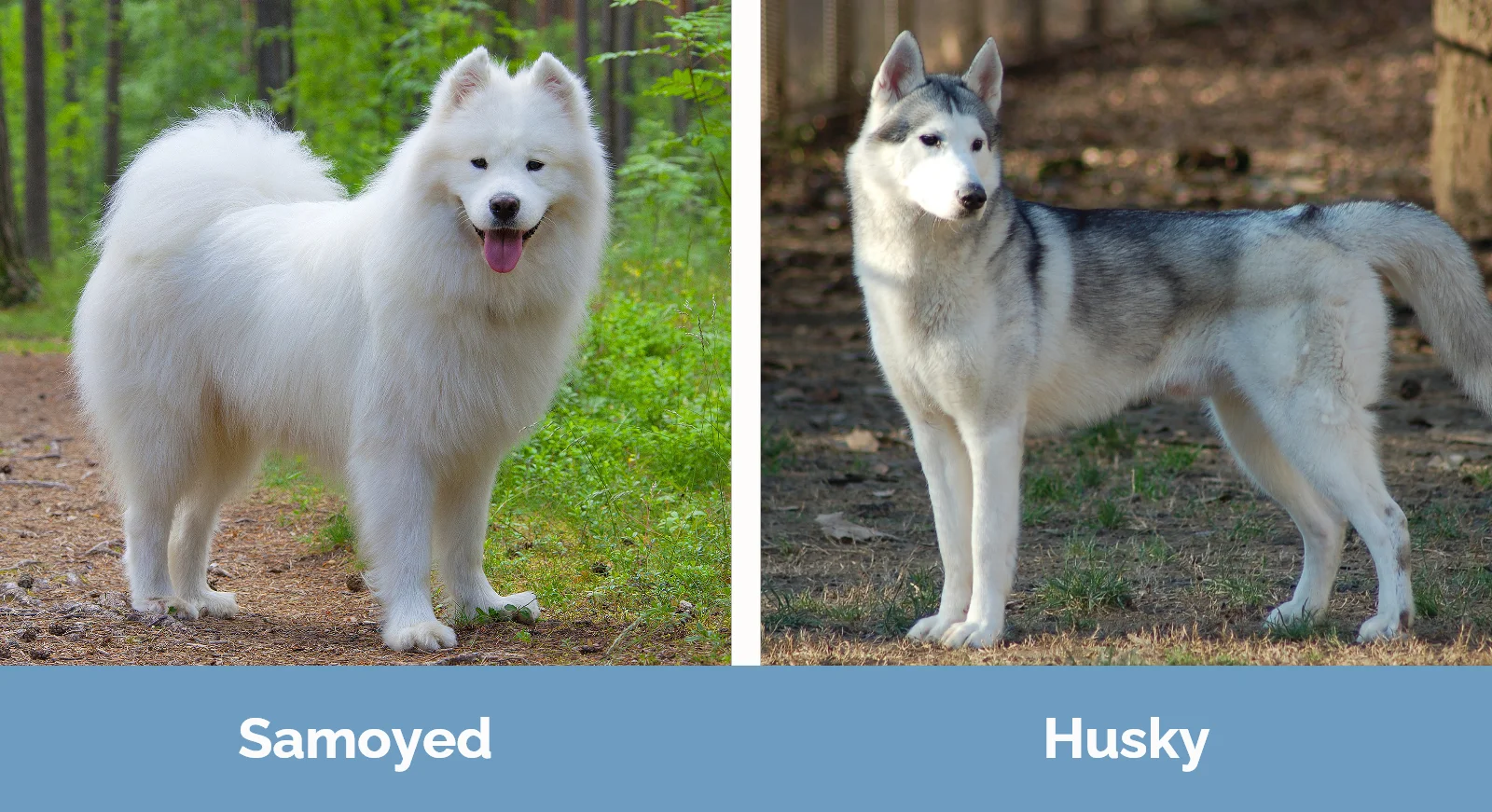
Although these dogs have various differences, many people unfamiliar with these breeds tend to mix them up as they have the same origin and a similar appearance. Still, their personalities differ and their care has different requirements, which is why you should know more about both breeds before choosing the one suitable for you.
In this article, we go over these dog breeds, providing you with essential information on their personality, care, and their biggest differences.

Visual Differences
At a Glance

Samoyed Overview
Personality, Character & Appearance
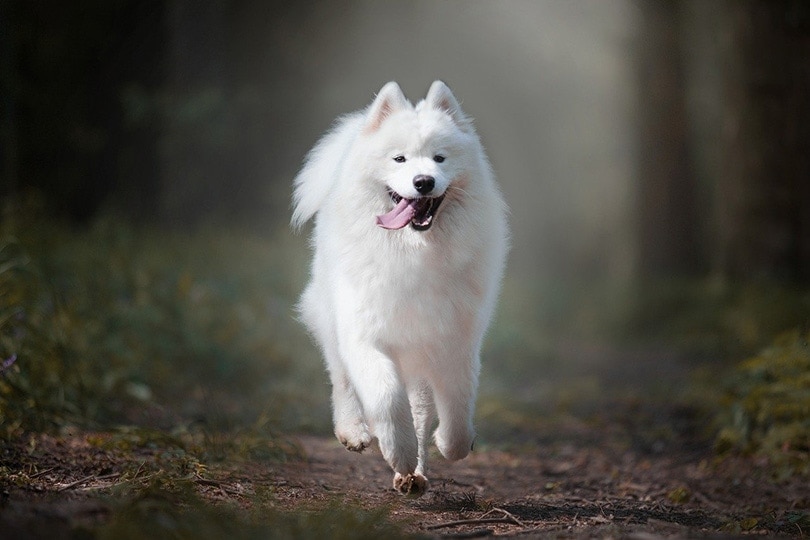
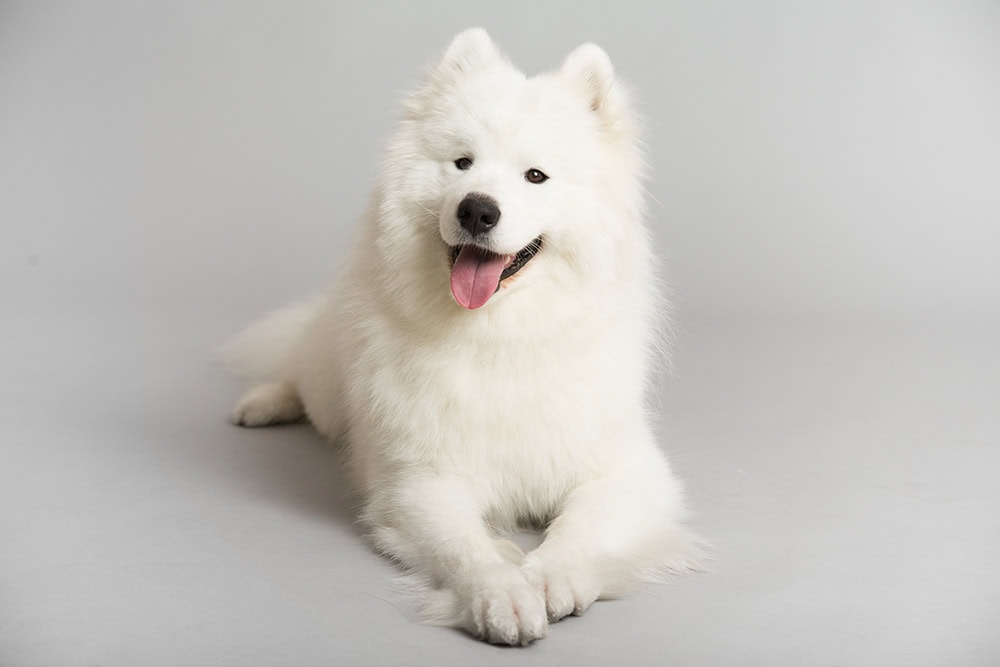
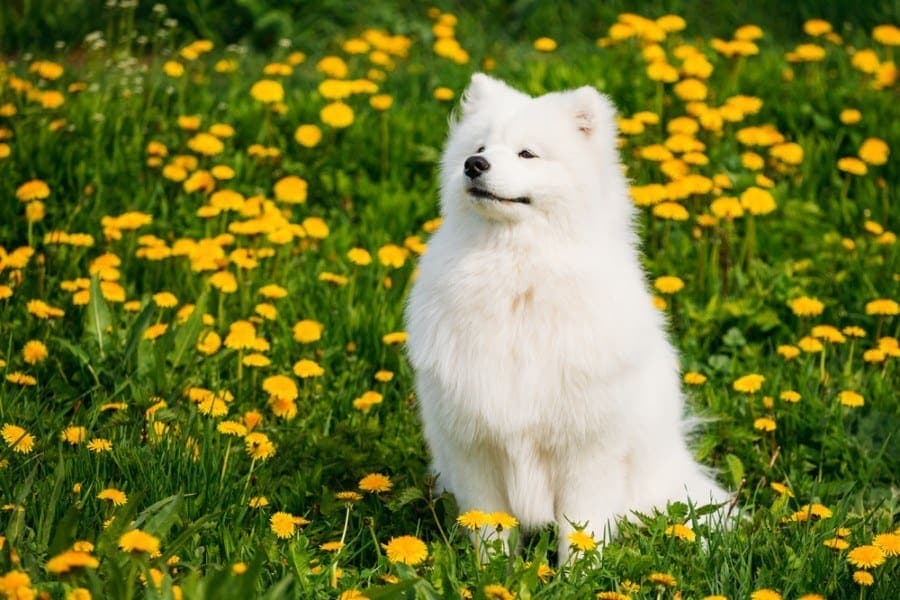
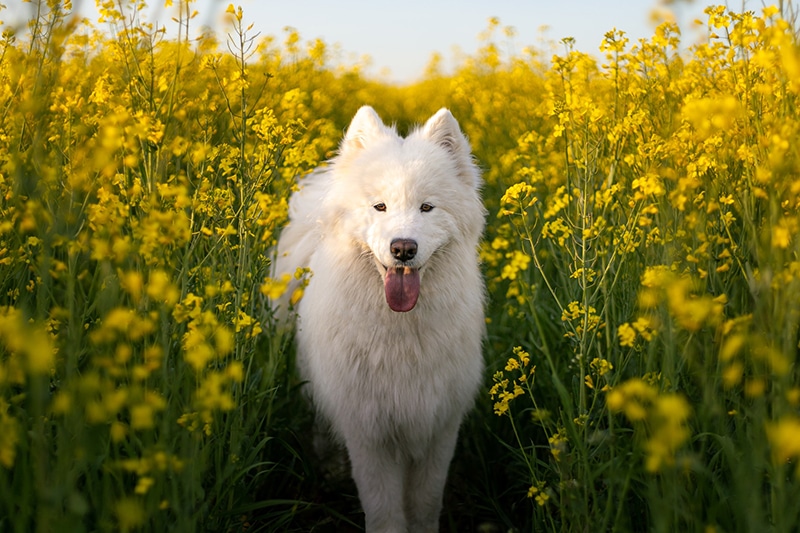
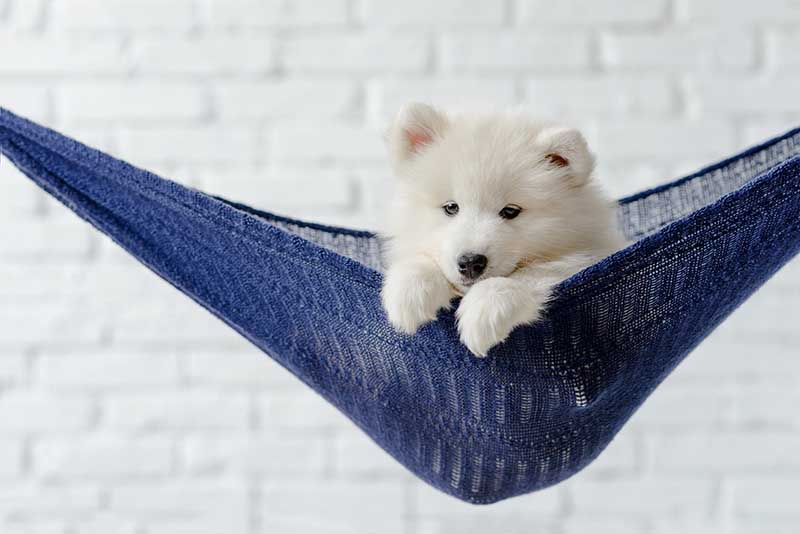
Samoyeds are stunning medium-sized dogs that originate from Siberia. They were mainly used as sled dogs because their bodies were well-adapted to endure harsh winter conditions. Samoyeds have thick double coats, smiles that protect them from drooling and forming icicles, and other features that enable these dogs to excel during winter.
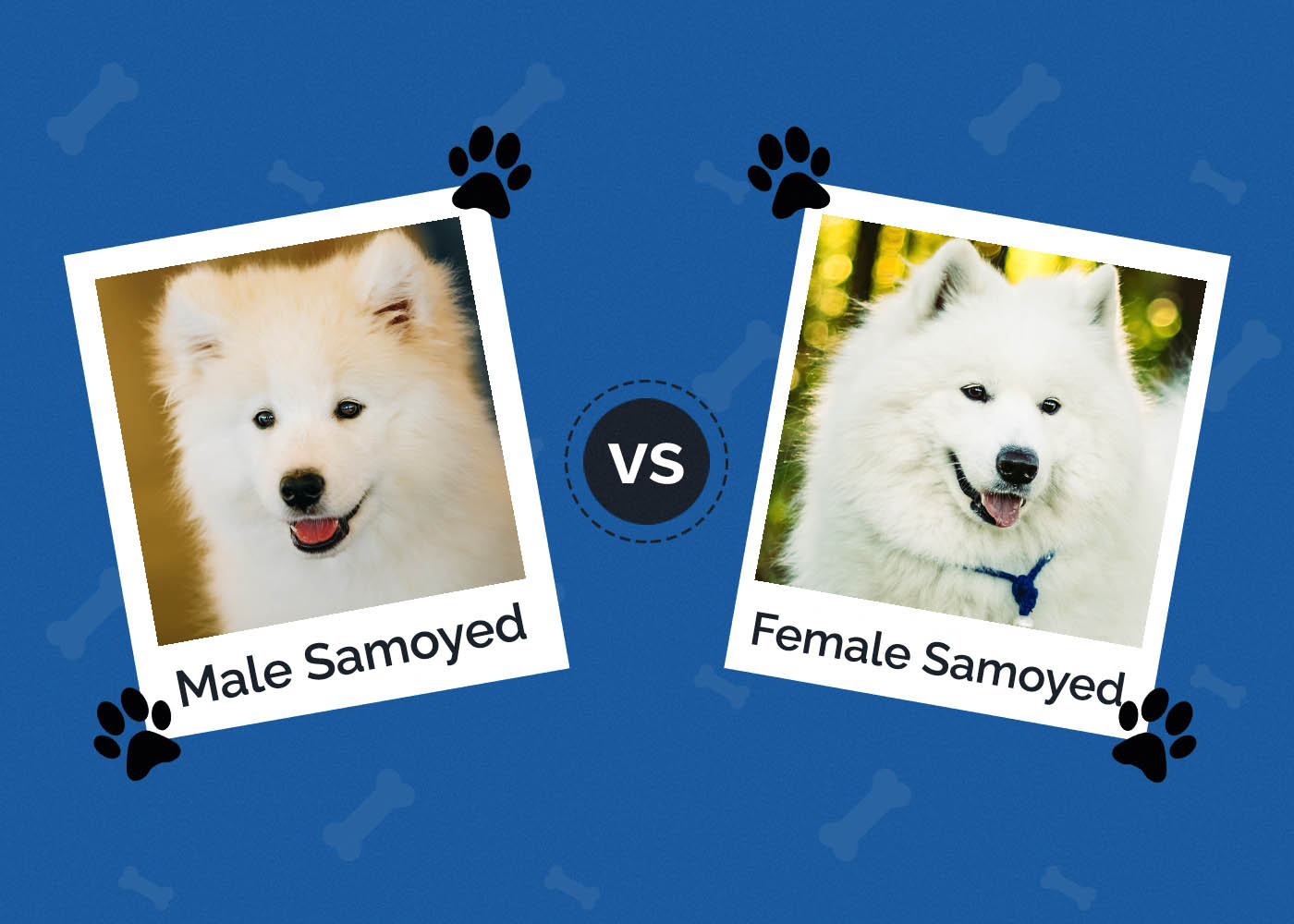
Besides being practical, Samoyeds are large and majestic dogs and are considered extremely beautiful. These dogs usually reach between 19 and 23.5 inches at shoulder height and weigh between 35 and 65 pounds. They come in several different coat colors, including:
- White
- Cream
- Biscuit
- White/biscuit
Another thing that makes Samoyeds stand out from other dogs is their personality. These canines are extremely intelligent, loyal, and affectionate, which is why they can easily fit in with any type of family.
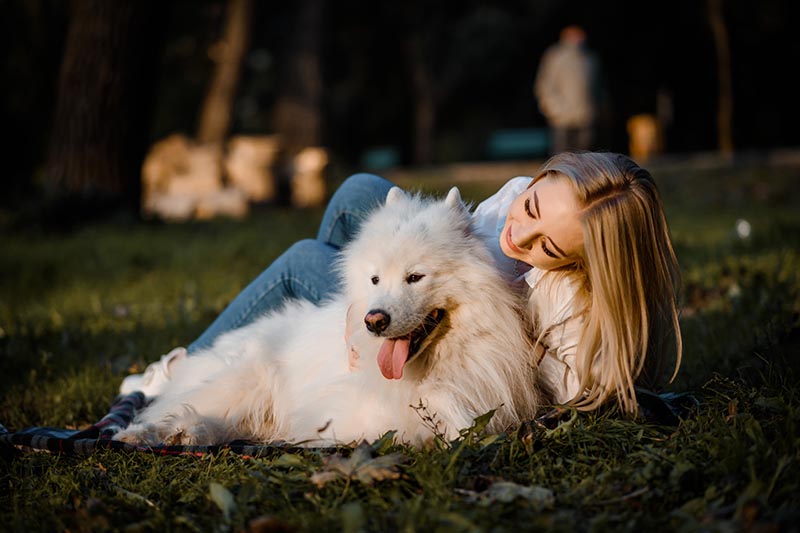
Although large, these dogs are often playful and mischievous; they love getting your praise, cuddles, and all the free attention and love. Samoyeds love company, so being around a large family with kids is where these dogs are the happiest. Leaving a Samoyed alone for a long period could be devastating for them, leading to separation anxiety.
Samoyeds are extremely active and require a large amount of free space due to their size. Keep that in mind if you live in a small home, as they could unintentionally destroy your property. But know that these furry giants mean no harm. All they want is love, care, and to roam around without having to worry about tripping or knocking something over.
Training & Exercise
Samoyeds are extremely intelligent and active, which is why they require adequate training and proper exercise throughout their life. While eager to please their owner, your Samoyed can also be slightly mischievous, relying on you to be their firm leader.
You should start training your Samoyed from a young age, including socialization, potty training, and obedience. Your dog needs stability throughout this process, so you should be gentle but firm, practicing positive reinforcement and trying to connect with your pup.
As a large dog breed, the Samoyed requires plenty of exercise to keep them mentally and physically stimulated and challenged. These dogs will benefit from getting at least 2 hours of exercise per day, though this can be divided into several walks, play sessions, or any other activity that you and your furry friend might like to do together.
Health & Care
When it comes to their health, Samoyeds are generally healthy and have long lifespans lasting between 12 and 14 years. However, like most dog breeds, there are several breed-related conditions that these dogs are prone to due to their genetics:
- Hip dysplasia
- Eye disorders
- Cardiac disorders
Due to the possibility of these health issues, every Samoyed should get regular vet checkups that will ensure that your furry friend lives a long and healthy life.
Caring for Samoyeds is moderately difficult because their coats require more attention than many other dog breeds do. These dogs shed throughout the year, especially during the shedding seasons. Therefore, they require daily brushing to keep their coats in good shape.
It’s also important to take good care of your Samoyed’s teeth and nails. For proper dental care, you should schedule regular vet cleanings and use dental sticks and dog toothpaste. For proper nail care, you should trim your dog’s nails every 3–4 weeks to keep them in good shape and prevent them from becoming overgrown.
Suitable For:
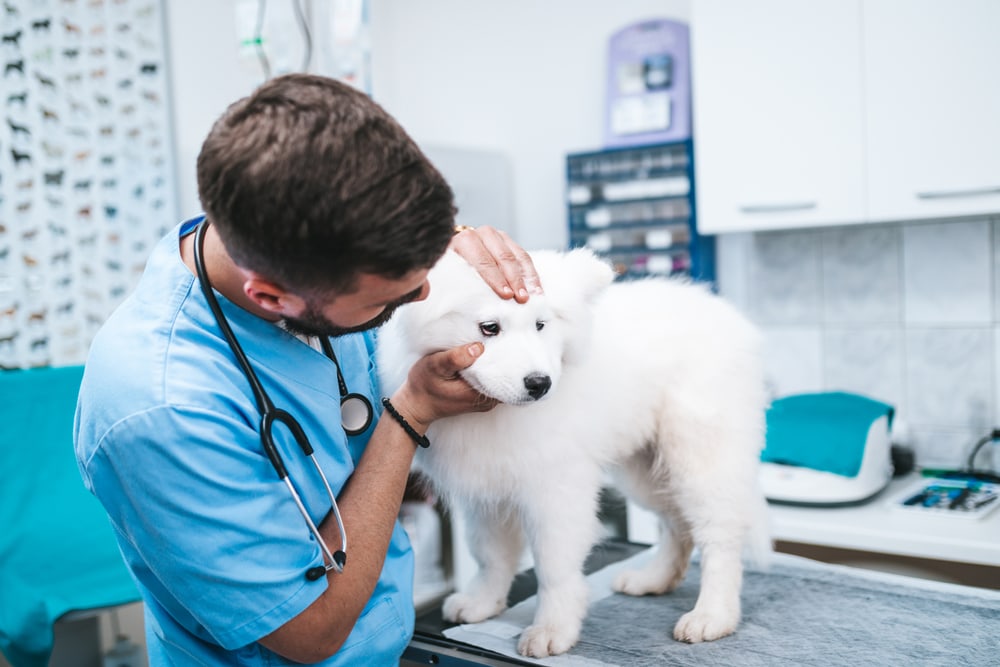
Samoyeds are family-oriented, so they’re perfect for large families with kids of all ages. These dogs love attention, which is why they’re the happiest in a large crowd; they’re much fonder of humans than other animals. Although they can occasionally be friendly toward other pets, Samoyeds may have difficulties sharing your attention.

Husky Overview
Personality, Character & Appearance
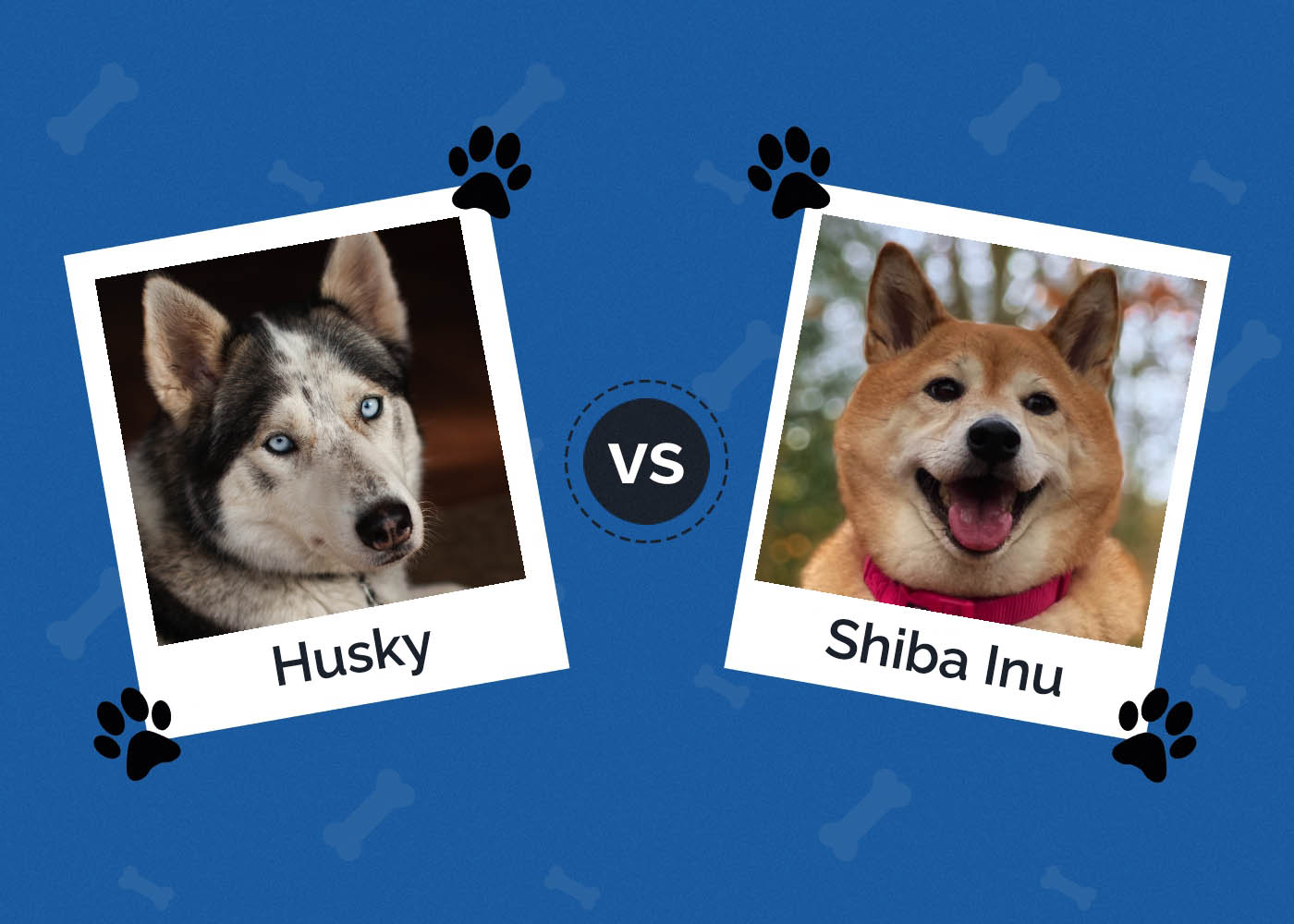
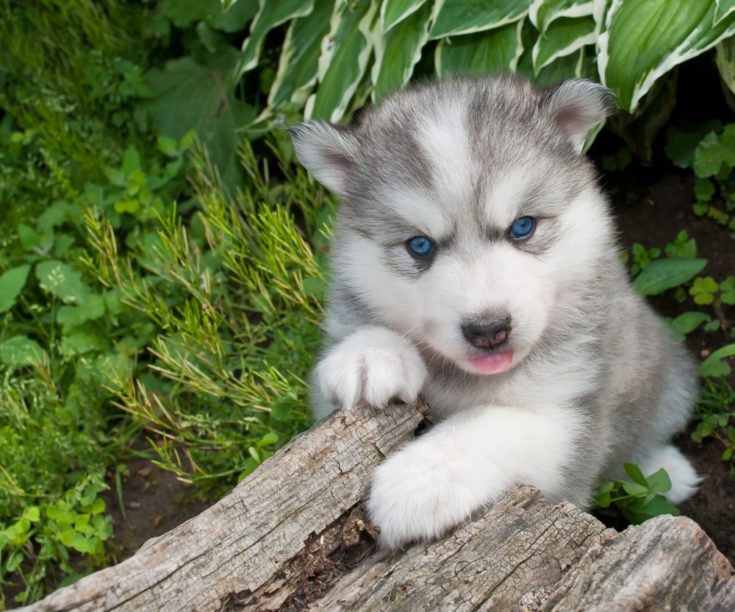
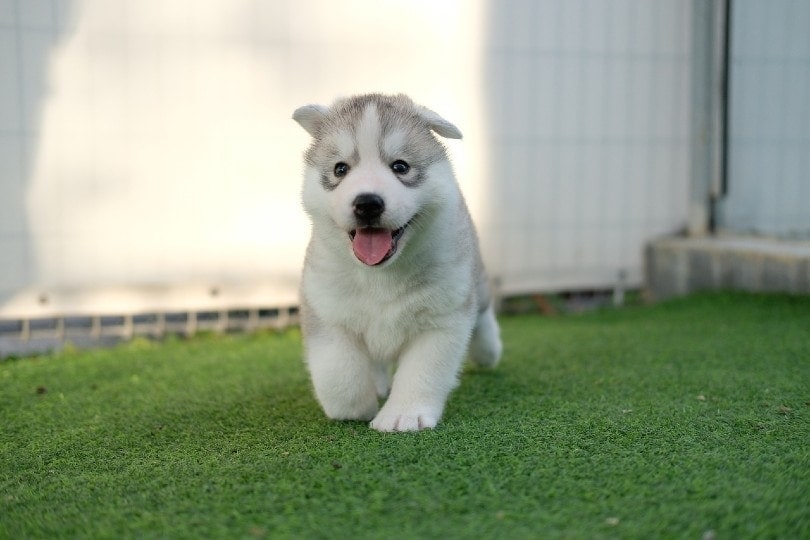
The Siberian Husky is a medium-sized dog that originates from Siberia, which is how they got their name. Similarly to the Samoyed, Huskies were used as sled dogs because their bodies were built for the harsh environments of Siberia. These dogs can endure extremely low temperatures, run quickly through snow and ice, and pull light loads.
Siberian Huskies are extremely beautiful and have medium-length double coats that come in various colors, including:
- Black
- White
- Black/tan and white
- Brown/white
- Sable/white
- Red/white
- Gray/white
- Black/white
- Agouti/white
- Piebald
- Saddle-back
They are slightly smaller than Samoyeds, reaching between 20 and 23.5 inches at shoulder height and weighing between 35 and 60 pounds.
These dogs are extremely intelligent, affectionate, and friendly. They love spending their time with their family and hanging out with other animals. Huskies have a playful and active nature and a curious mind. They love to roam around, explore, and show off their independence. That said, these dogs cherish the moments with their human companions and often feel happiest around them.
Training & Exercise
Siberian Huskies are smart and loyal but slightly self-willed, which is why they need authority and guidance during their exercise and training sessions. Like most other dogs, it’s best to start training Huskies at around 8 weeks old, teaching them all the skills that they’ll need in adulthood.
When they grow up, Huskies need at least 2 hours of exercise per day. You can divide these into multiple separate sessions that include activities that you and your furry friend both like doing.
Health & Care
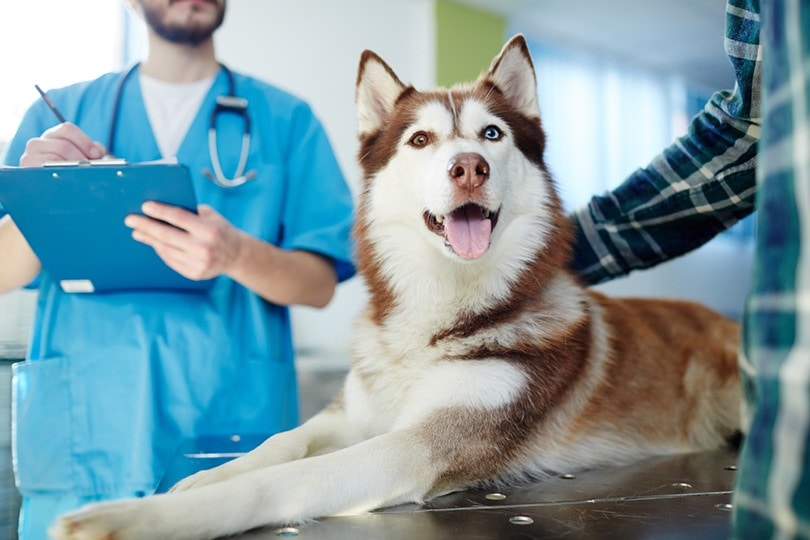
Huskies are generally healthy and can have lifespans of 12–14 years. However, they can still experience several breed-related issues, including:
- Juvenile cataracts
- Hip dysplasia
- Eye problems
These issues are rare when getting dogs from reputable breeders. As long as your dog is healthy throughout puppyhood, regular vet check-ups should help maintain their good health and positively affect their life and well-being.
Grooming Huskies is easier than grooming Samoyeds. They only require weekly brushing because they have unique self-cleaning coats that keep them in good shape for long periods. These dogs do shed, though, especially throughout the shedding seasons, so you’ll need to brush the hair away during those periods.
Suitable For:
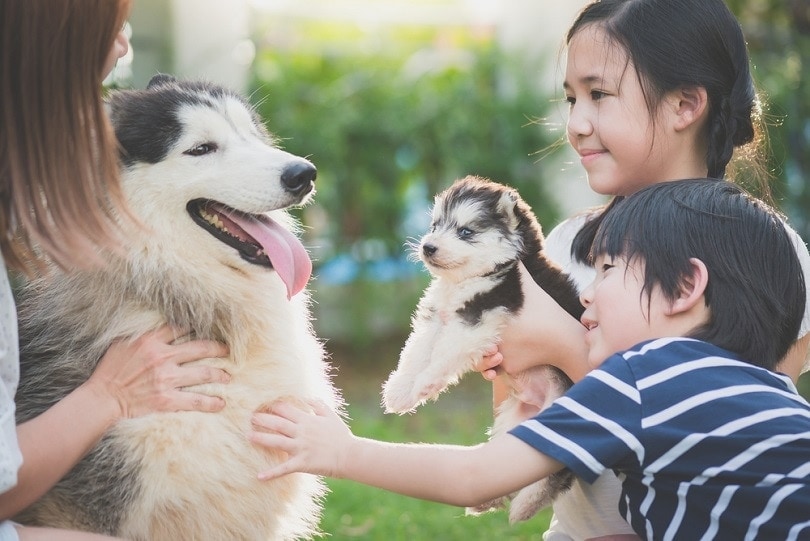
Siberian Huskies are loving, active, and playful dogs that love spending time around humans, making them perfect pets for couples and families with kids. Unlike Samoyeds, Huskies love other animals, which also makes them suitable for families with multiple pets.
Overall, this breed can be excellent for anyone looking for a friendly dog that’s always ready for action.
The Biggest Differences Between Samoyeds and Huskies
Color Varieties
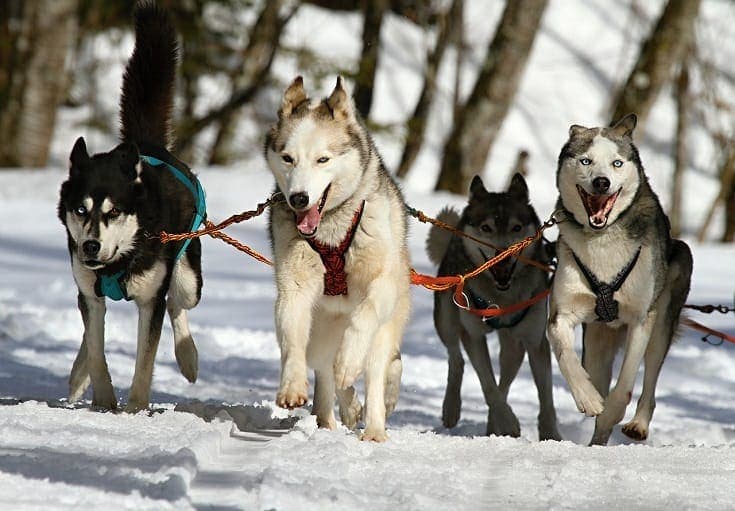
A major difference between the two breeds is the variety of colors that these dogs can come in. Huskies have more variety when it comes to coat combinations. Samoyeds only come in four different colors.
Getting Along With Other Pets
The temperament of these two dogs is generally similar because both are friendly, social, active, and family oriented. However, Huskies are better at getting along with other pets than Samoyeds, which prefer to keep your attention to themselves.

Which Breed Is Right for You?
Both Samoyeds and Huskies are stunning, affectionate, and family-friendly dogs, so you won’t make a mistake regardless of your choice. However, you should keep in mind that Samoyeds require more space than Huskies and that they’re not too fond of other animals and pets. If you’re looking for a more colorful breed, the Husky is probably the better choice, as they have more color variations.
Either way, both breeds are loving and will be kind and loyal to you and your family.
Featured Image Credit: Left - Barcs Tamás, Unsplash | Right - Saira Sustaita, Unsplash
Get Hepper In Your Inbox


Pet care tips from our vets and experts, straight to your inbox.
You may opt-out at any time. View our Privacy Policy for more information.

Visnja is a content writer that covers various topics such as DIY, pets, home improvement, travel, gardening, and more.
She is a young mom and a college student, who didn’t have enough time to balance her personal and work life, so after multiple years of working a regular 9 to 5 job, she decided to pursue her passion and make a living out of it. She has been writing for a couple of years, helping people find valuable and interesting information online.
Join the conversation
Ask a question, share your story, or send private feedback.