Hepper is reader-supported. When you buy via links on our site, we may earn an affiliate commission at no cost to you. Learn more.
Puppy Mill Awareness Day 2026: When Is It & How You Can Celebrate
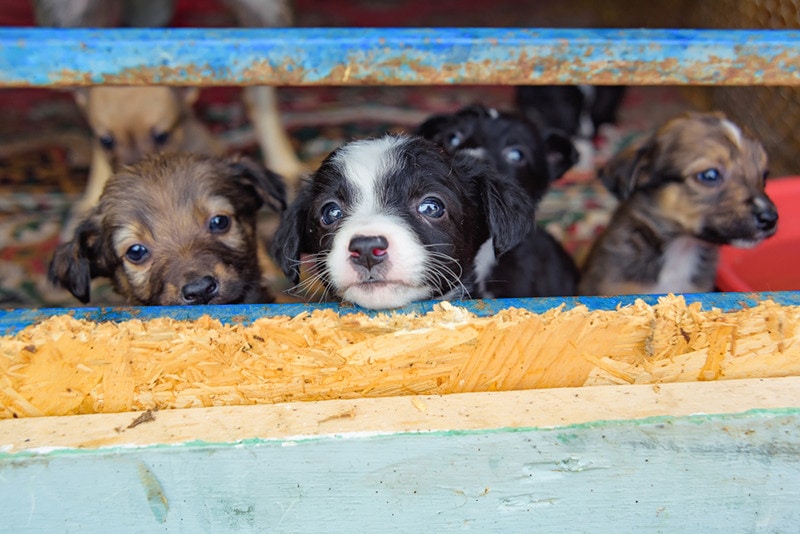
Puppy Mill Awareness Day is celebrated on the third Saturday of September every year, and this year, it falls on the 19th of September. The idea behind the day is to spread awareness of the devastating truth behind the puppy mill industry and encourage people to adopt, not shop. You might be wondering how you can show your support and learn more about what exactly happens to dogs in puppy mills, and we’ll discuss that below.

What Are Puppy Mills?
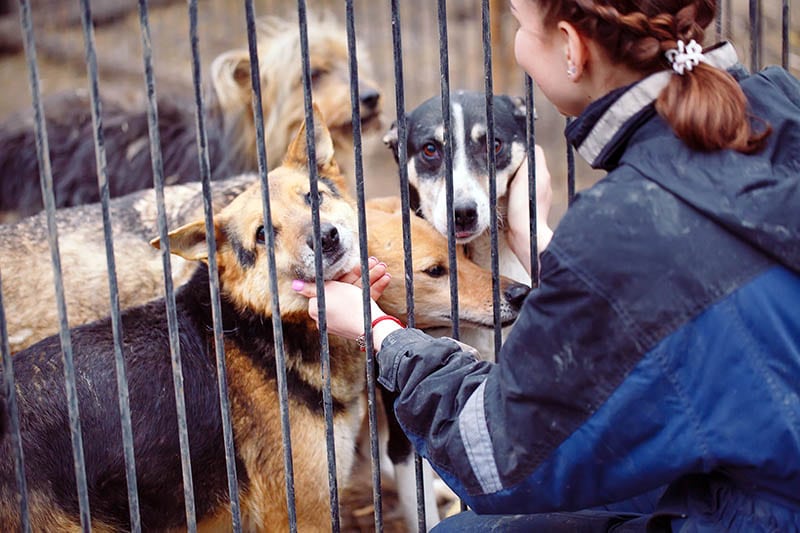
Puppy mills are high-volume breeding facilities designed to churn out puppies for as much profit as possible. The needs of the parent dogs and puppies are ignored, and they are kept in inhumane conditions, in small, cramped cages, with no personal attention.
When father and mother dogs can no longer breed, they are abandoned or killed. Due to various factors such as overbreeding, poor sanitation, or lack of preventative veterinary care, puppies from puppy mills tend to suffer from health issues and are usually unsocialized. It’s estimated that there are around 10,000 active puppy mills in the United States, where 500,000 dogs are being kept solely for breeding purposes, and in total, there are 2.6 million puppies that come from puppy mills sold every year.
What Can You Do to Support Ending Puppy Mills?
As Puppy Mill Awareness Day approaches, you might wonder how you can support stopping this inhumane business. You could:
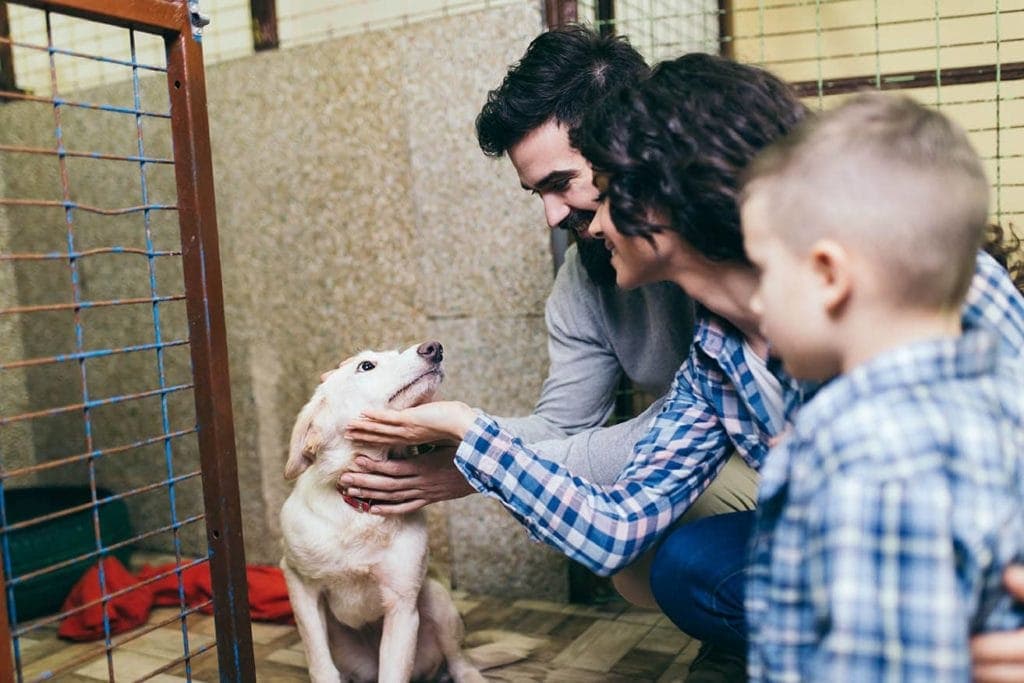
The 5 Reasons Why You Should You Adopt, Not Shop
Apart from combating puppy mills, there are a few other positives to adopting a dog over shopping for one.
1. It’s Cheaper
Getting a pet isn’t cheap; buying a dog is one part of how much it costs to care for a pet, but prices can range from $500 to the thousands. And then, you have to factor in the cost of vaccinations, spaying or neutering, and microchipping. Adoption fees rarely exceed $200 and often include these significant expenses.
2. The Dogs Are Healthier
Puppy mills aim to make money, whereas a shelter tries to connect the right family with the perfect pup. The physical and mental well-being of the puppy isn’t a concern for people involved in puppy mills. Buying from a puppy mill often leads to a broken heart since puppies are known to get sick and die prematurely.
3. Shelters Offer a Support System
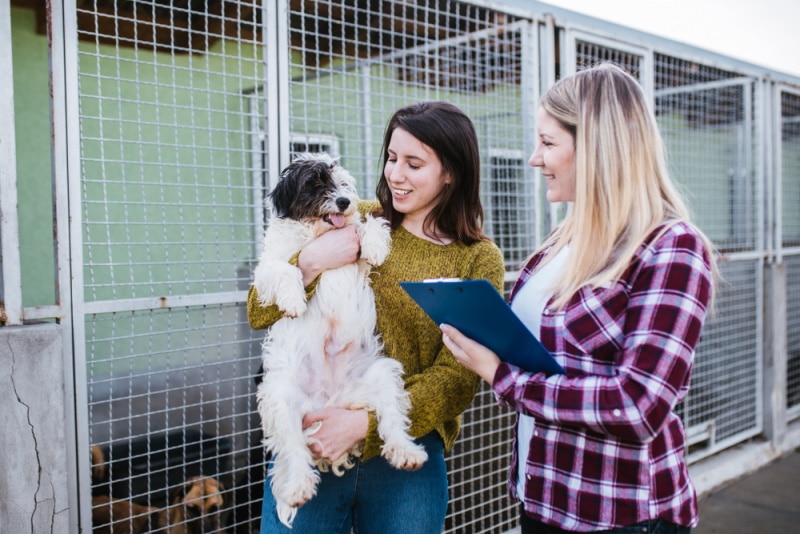
When you get a dog from a store, the transaction ends when you walk out of the door, and many pet stores don't have the knowledge or resources to provide support. Shelters and rescue groups have volunteers that get to know the animal well. They can offer an introductory period where you get to know your new pet to ensure everything works out.

4. You’re Saving a Life
Some shelters don't have the resources to take on every animal in need. So, for every dog that doesn’t get adopted, there are animals in need that can't be taken in. Some places will euthanize animals due to these room constraints.
This means that if you adopt, you are not only saving the life of the dog you take on but also the life of the dog who will replace it in the shelter. You can prevent overpopulation because you’re caring for a dog that already exists and is in need instead of bringing another puppy into the world.
5. You’re Supporting a Valuable Community
Local shelters provide a valuable service, and you’re supporting people who mainly volunteer their time to these desperate canines. This means they can continue working with and caring for these dogs.

Final Thoughts
Puppy Mill Awareness Day doesn’t need to be an expensive day where you make a big gesture by adopting a new dog. Taking in a new pet is a big decision that not everyone is in a position to make, but there are other ways you can support this day. Spreading awareness and supporting local charities, shelters, and rescue centers are excellent alternatives to adoption. And when the time comes, think about adopting instead of shopping; the perfect dog might be waiting right now for its forever home and find it with you!
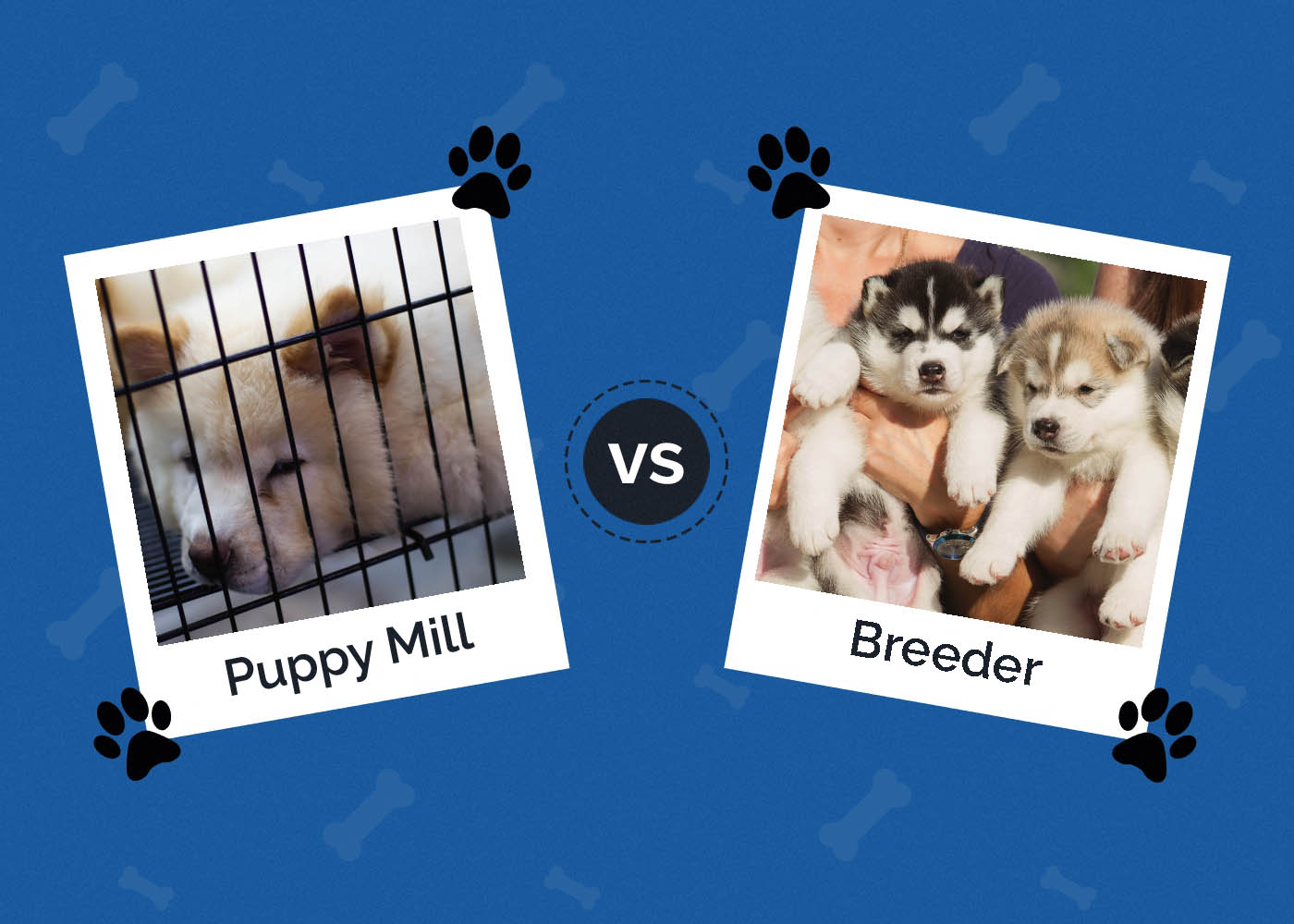
Related Read: Puppy Mill vs. Breeder: How to Spot the Difference
Sources
Featured Image Credit: Yashkin Ilya, Shutterstock
Get Hepper In Your Inbox


Pet care tips from our vets and experts, straight to your inbox.
You may opt-out at any time. View our Privacy Policy for more information.

Kerry-Ann lives in Scotland and wishes her garden was bigger so she could have her very own Highland cow. But her dogs probably wouldn’t like that very much. She has a La Chon called Harry who was poorly with a liver shunt when he was a puppy. It wasn't likely he would make it into adulthood, which was difficult, but he beat the odds and is a healthy old man now. She also has a Pug called Maddie who is a big foodie. She’s small, sassy, and every day she finds a new way to mess with her brother.
When she isn’t writing you can find Kerry-Ann going for long walks when the weather isn't bad, reading, or watching cartoons when she should be tidying her house. She would one day like to be a tourist in her own country and travel through the Highlands with her family.
Join the conversation
Ask a question, share your story, or send private feedback.