Hepper is reader-supported. When you buy via links on our site, we may earn an affiliate commission at no cost to you. Learn more.
Blue Lynx Ragdoll Cat: Pictures, Facts, Origin & History
In this article
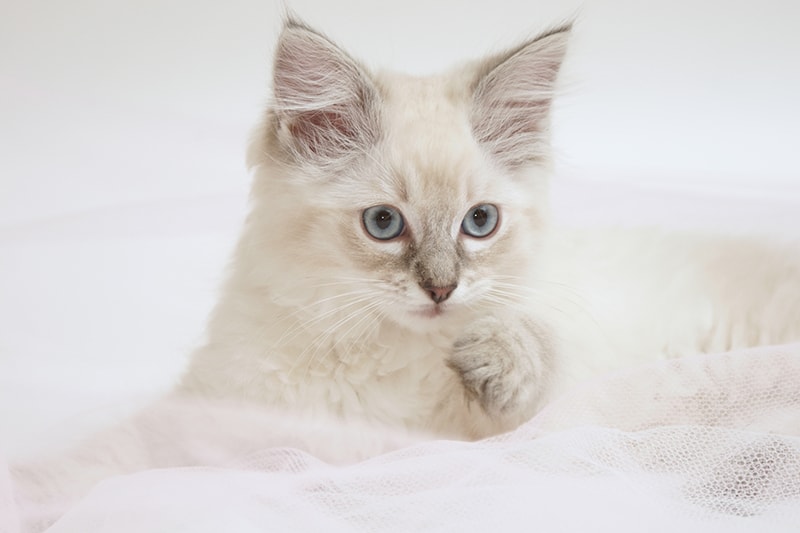
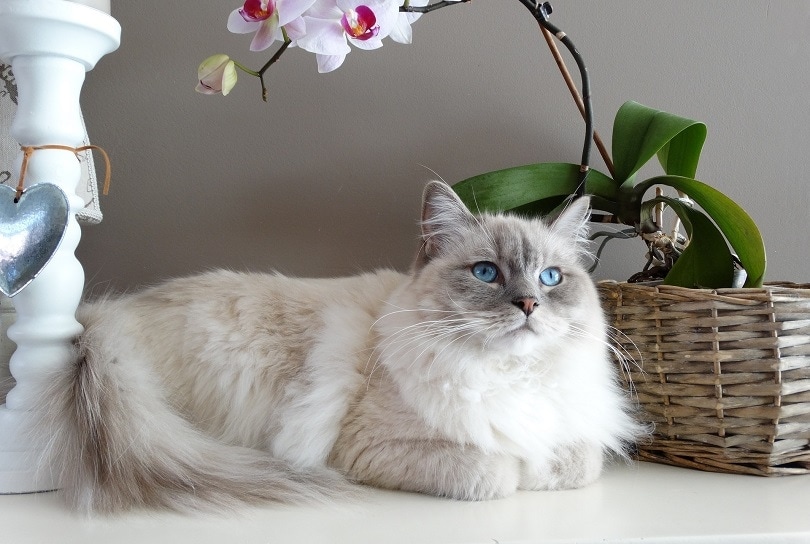
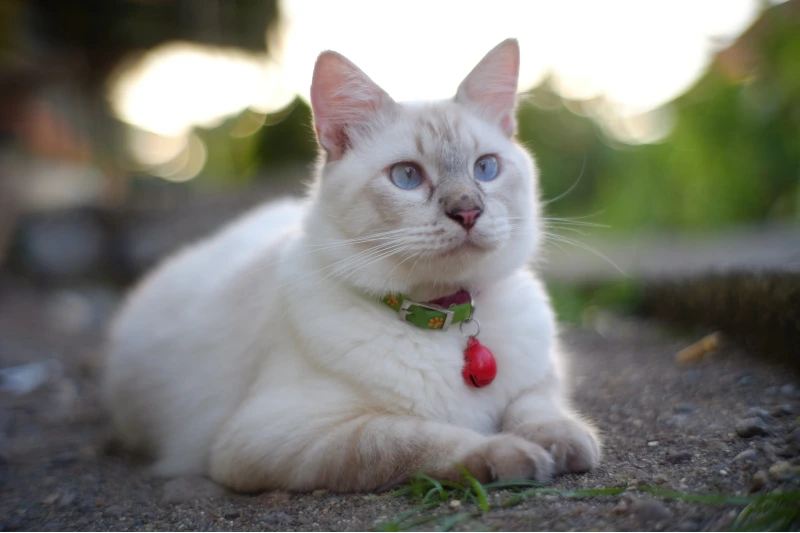
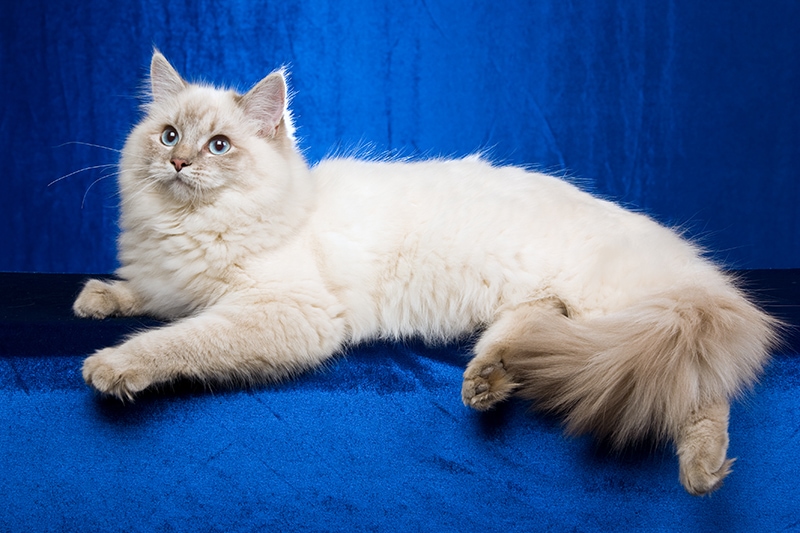
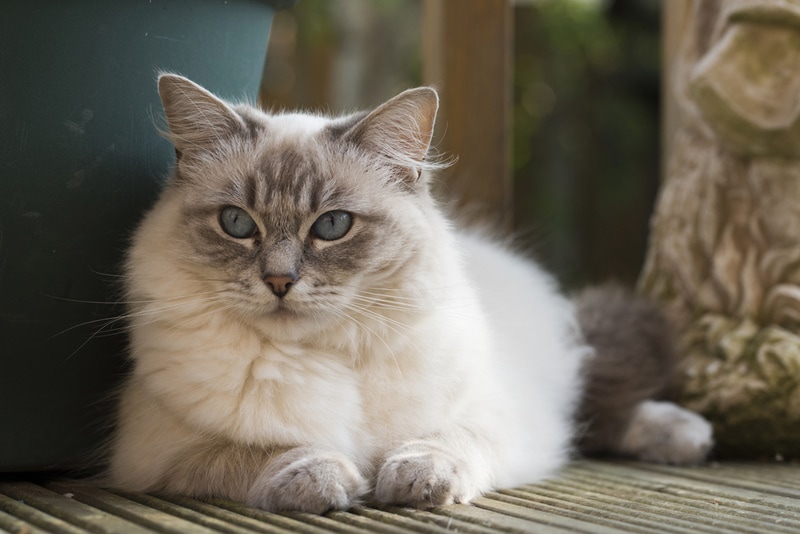
Ragdoll cats are adored for their affection toward humans, and they can be found in various colors and patterns. One of the most popular is the Blue Lynx Ragdoll. These cats have a bluish-white or grayish coat with darker gray coloring on their muzzle, ears, legs, and tail. They also have blue-gray tabby stripes known as “ghost stripes” or “ticking.”
Since Blue Lynx Ragdolls are a color variation, they have the same personality and history as the rest of the Ragdoll breed. Here’s what you need to know.

The Earliest Records of the Blue Lynx Ragdoll in History
Finding the earliest records of the Blue Lynx Ragdoll means looking into the history of the Ragdoll as a breed. Ragdolls were first discovered in the early 1960s by Ann Baker. She lived in Riverside, California, and discovered a few limp, ragdoll-like kittens after she helped a stray named Josephine recover from a car accident. All of Josephine’s kittens had the same ragdoll tendencies, and she is believed to be the breed’s matriarch.
Despite Baker playing an integral role in the early development of these cats, Denny and Laura Dayton helped introduce the breed to the world. It was also their efforts that enabled the Ragdoll's affectionate nature, variety of coloring, and consistent patterning to become what it is today.
Although the first registered Ragdolls were seal colored, they can now also be found in blue, chocolate, cinnamon, cream, fawn, lilac, and red.
How the Blue Lynx Ragdoll Gained Popularity
While the Ragdoll is a relatively new breed, they’re a popular cat for many families. They owe some of that popularity to the efforts of Dayton and other breeders who had a hand in developing the breed. Their affection, beauty, and longevity further endeared them to cat lovers around the world.
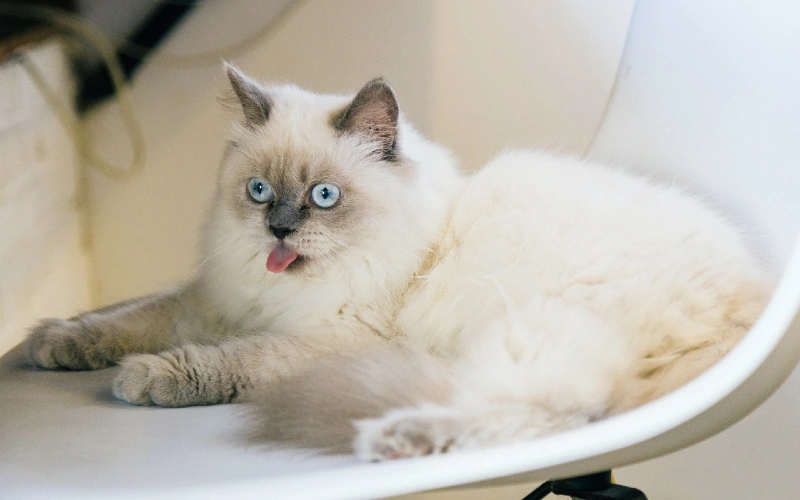
Blue Lynx Ragdolls share all these traits, along with having a beautiful coloring of their own. Their grayish or blue-white fur isn’t the rarest color variety for Ragdolls, but it is one of the most sought-after. The tabby markings, known as “lynx,” give them an endearing appearance that many people are fond of.
Formal Recognition of the Blue Lynx Ragdoll
The Ragdoll breed was accepted by The Cat Fanciers’ Association in 1966 and The International Cat Association in 1979. Both organizations accept all color variations and mitted, color-point, and bicolor patterns.
Baker created her own registry for Ragdolls, called the International Ragdoll Cat Association (IRCA) in 1971 in an attempt to control how the breed developed. Around the same time, the Daytons began distancing themselves from her and founded The Ragdoll Society — now the Ragdoll Fanciers Club — in 1975. They also started the first Ragdoll newsletter, which became known as the RAG.
Due to the Daytons’ efforts, Ragdolls have since been accepted in all of the official breed registries, including the American Cat Fanciers Association in 1981, after refusing to consider Ragdolls for championship status several times in the ‘60s and ‘70s.

Top 3 Unique Facts About the Blue Lynx Ragdoll
1. They Have Canine Tendencies
Everyone knows that cats can be aloof and independent, so it can be surprising to find a breed that is not like that at all. The Ragdoll, regardless of their coloring, is renowned for being highly affectionate. They’ll happily follow you everywhere and cuddle up with you every chance that they get.
The Blue Lynx Ragdoll has canine tendencies just like the rest of the breed. They will meet you at the door when you get home, follow you everywhere, and can even learn how to play fetch.
2. They Can Be Mitted, Bicolor, or Point
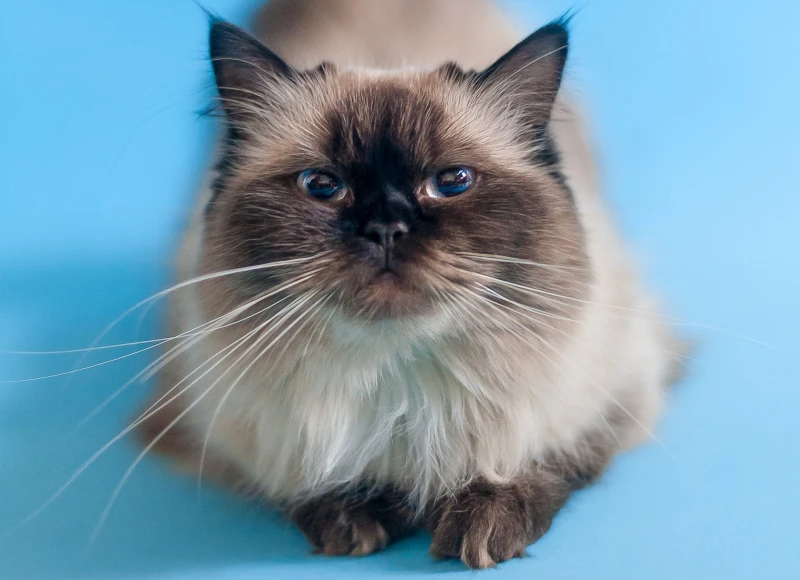
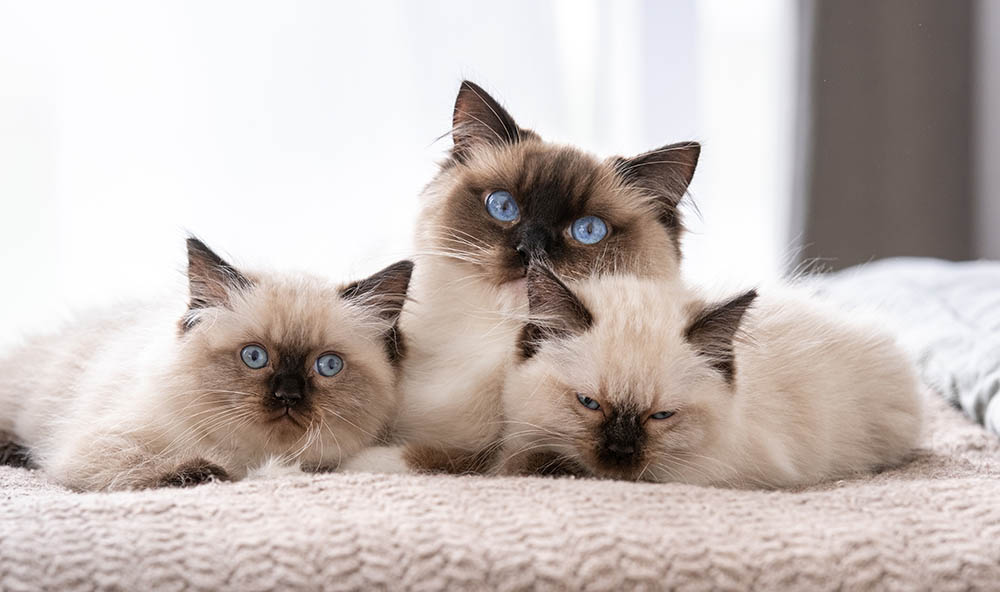
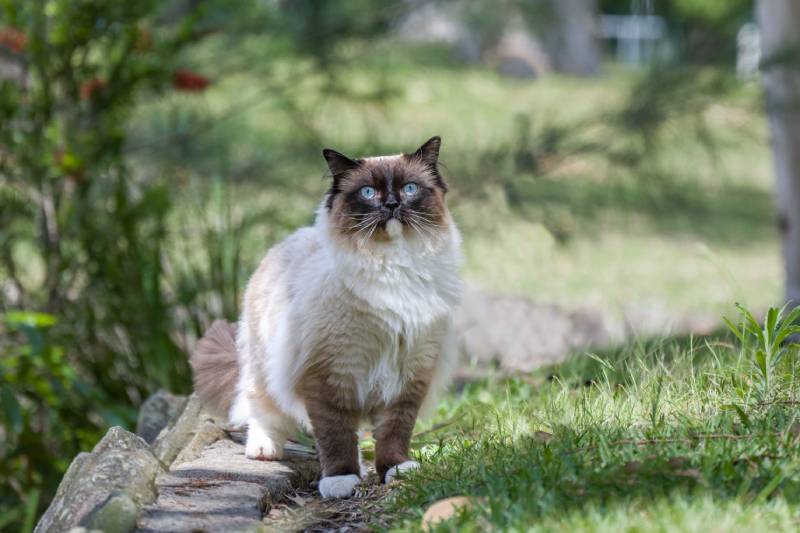
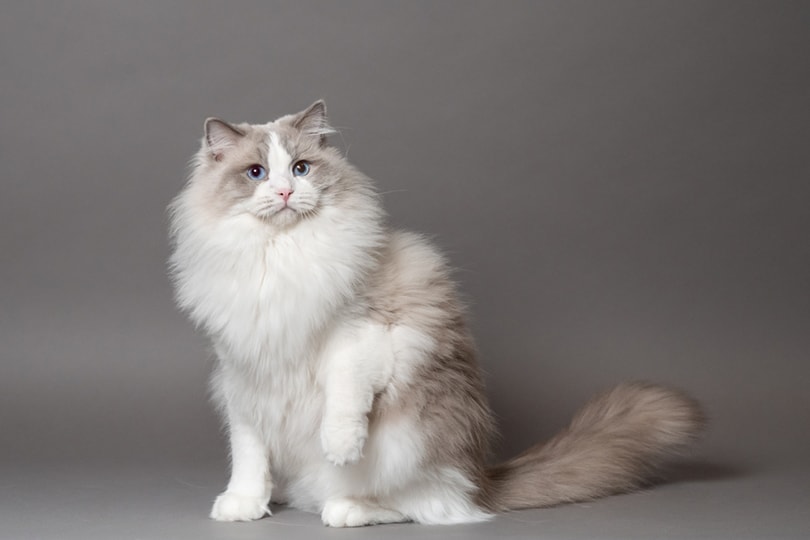
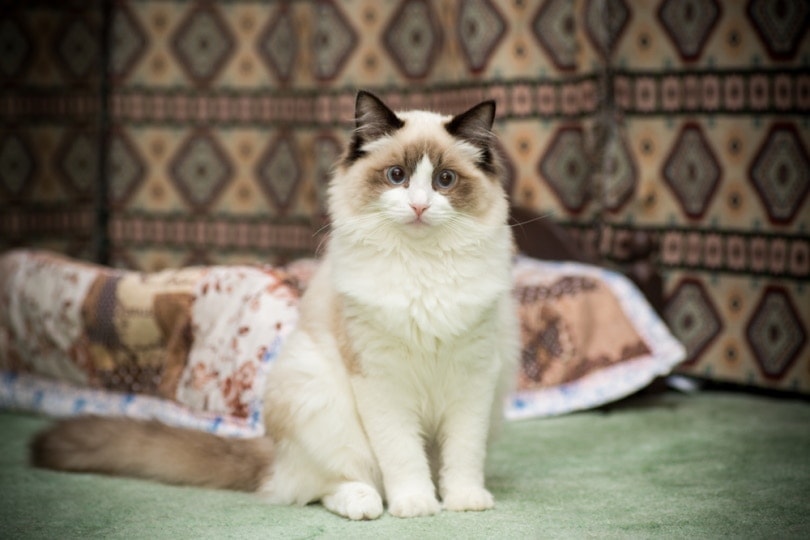
Blue Lynx Ragdolls follow the same rules for patterning as all Ragdolls do. To be considered a Blue Lynx, they must have blue coloring and tabby markings, though they can have any of the three accepted patterns: color-point, mitted, or bicolor.
3. They Were Almost Franchised
Although the popularity of the Ragdoll breed grew with the help of the Daytons, Baker tried to regain control over the owners and breeders of Ragdoll cats. Part of her efforts included starting and registering IRCA as a business to help control the breeders whom she was working with.
She received a patent and was registered in 1975. However, the early breeders who had already purchased cats from Baker, including the Daytons, refused to accept the franchising of the breed. Many people who purchased cats from Baker turned away from her, and many of the Ragdoll cats that we know today come from the line promoted by the Daytons, though they can all be traced back to Josephine the stray.
Does the Blue Lynx Ragdoll Make a Good Pet?
Blue Lynx Ragdoll cats are a color variation of the Ragdoll breed, so their temperament is the same as any other Ragdoll cats, and they do make great family pets. They love being around humans to the extent that they’ll exhibit dog-like behavior, such as following you around the house or greeting you at the door. These cats are affectionate and mimic their namesake by going limp when handled.
Ragdolls are well-known for getting along with other pets and children. They are laidback enough to put up with wearing a hat for tea parties and getting sniffed at by the family dog. However, they do get lonely and suffer from separation anxiety, so you should always make sure they’re not on their own for long, whether you must shorten your work day or adopt a companion pet for them.
Summary
Blue Lynx Ragdolls are not a breed themselves, but rather a color variety for the Ragdoll breed as a whole. They share the same traits as other Ragdoll cats, such as friendliness and a dog-like personality. The Blue Lynx variety, among others, is descended from the first Ragdolls born to Josephine the stray, and their popularity makes them one of the most expensive cats that you can purchase.
Recognized by their bluish-white to gray coats and tabby markings, Blue Lynx Ragdolls can have any of the three recognized patterns: color-point, mitted, or bicolor.
Featured Image Credit: cath5, Shutterstock
Get Hepper In Your Inbox


Pet care tips from our vets and experts, straight to your inbox.
You may opt-out at any time. View our Privacy Policy for more information.

Nicole is a lover of animals of all sizes but is especially fascinated with the feline variety. She’s the proud mom of Baby, a Burmese, and works every day so he can relax in the sunshine or by the fire. She’s always had a cat in her home and has spent countless days with others, observing behaviors and softening up even the grouchiest of the lot. Nicole wants to share her kitty expertise with you so you and your cat can live happy, healthy, and care-free.
Join the conversation
Ask a question, share your story, or send private feedback.