Hepper is reader-supported. When you buy via links on our site, we may earn an affiliate commission at no cost to you. Learn more.
Why Do Cats Get Jealous? 5 Causes & How to Help Them
In this article
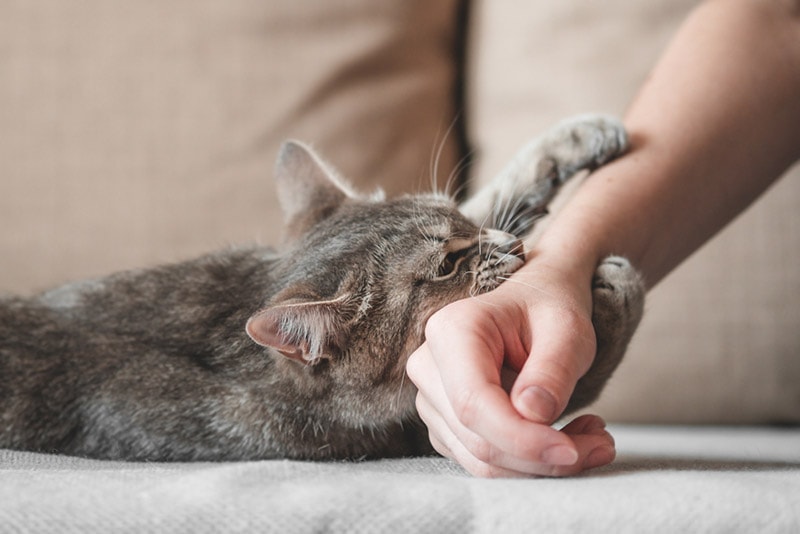
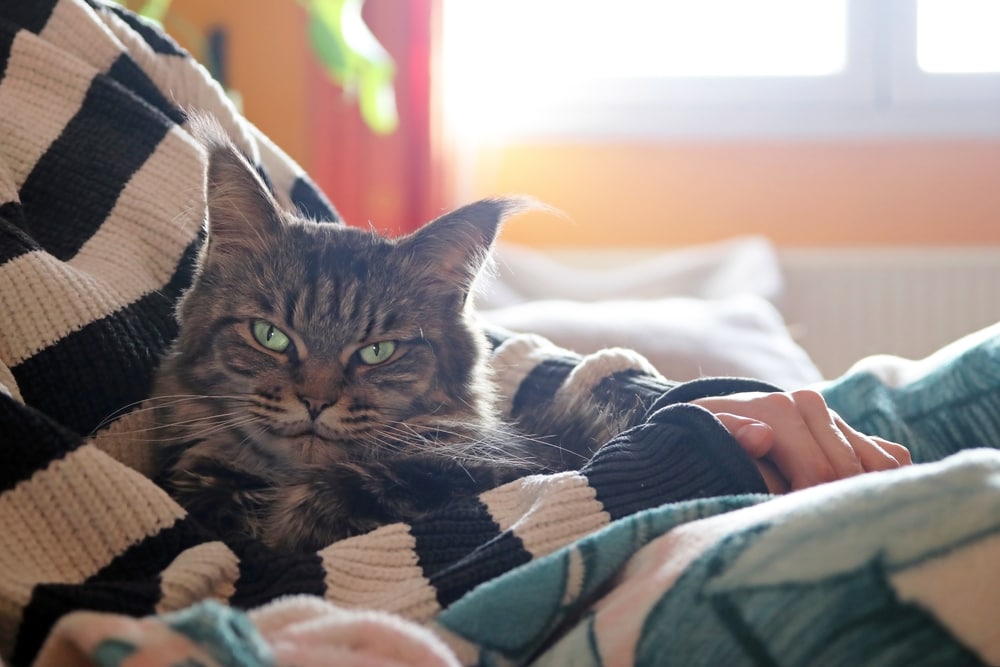
You love your cat, but lately, it seems like your feline friend is a little obsessed with you. Your cat won’t leave you alone, and you may have noticed other strange incidents, such as sudden angry outbursts or destructive behaviors like scratching furniture. Do cats get jealous, and could that be what’s going on?
It’s common for us to explain our pet’s behaviors in terms of human emotions, like jealousy. However, cats don’t truly get jealous in the same way as we do. Cats are very territorial and competitive by nature. Jealous behaviors are usually how they react when they feel they need to maintain their rightful place in your home.
The first step in solving your cat’s jealousy is figuring out why it’s happening. Here are five reasons that your cat might be acting jealous and how you can stop it.

The 5 Reasons Cats Get Jealous
As we mentioned, jealousy in cats is a sign that they feel threatened or insecure by something in their environment. The behavior has several causes, but here are five of the most common:
1. A New Family Member
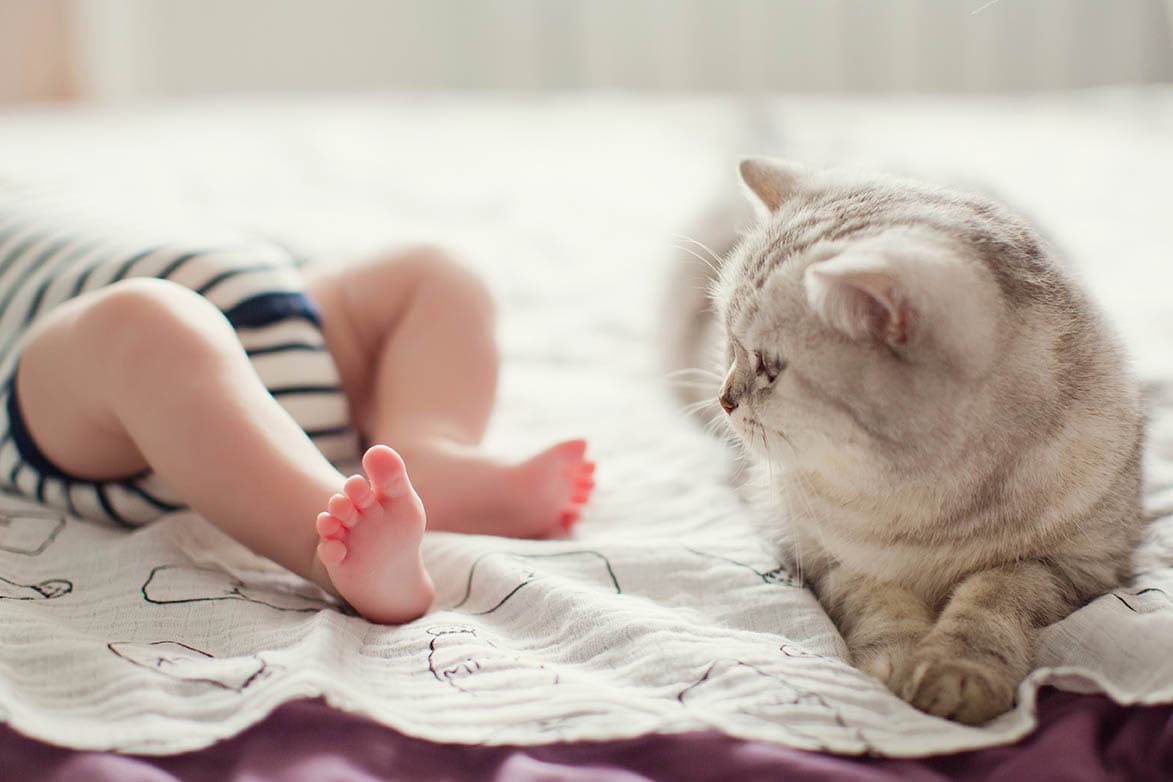
The arrival of a new person or pet in your home can trigger jealous behavior in your cat. Whether it’s a new baby, a new significant other, or a new puppy, your cat may feel that this new arrival doesn’t belong in their territory and will react accordingly. Your cat may recognize that a new family member will compete with them for your attention, leading to a jealous response.
2. Loss of Attention
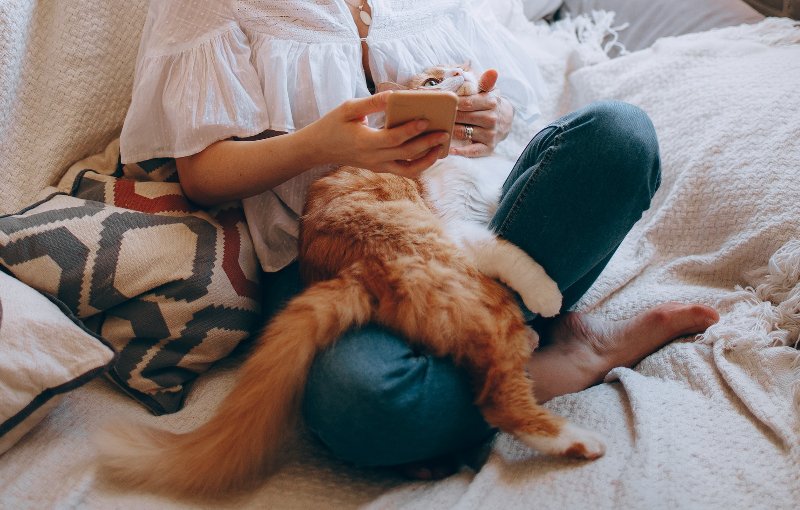
It’s not just a new family member but anything you start paying more attention to that can lead to jealousy in your cat. Whether it's a new project, your phone, or the fact that you started working from home, your cat may notice you suddenly have less time for them. This can lead them to display jealous behaviors.
3. Poor Socialization
Cats who were poorly socialized as kittens are likelier to feel insecure or overly dependent on their owners, causing them to act jealous. An example of this is an orphaned kitten who was bottle-raised. Growing up without a mother or other kittens to teach them how to form attachments, the adult cat isn’t sure how to react to unfamiliar situations and may react jealously.
4. Change In Routine
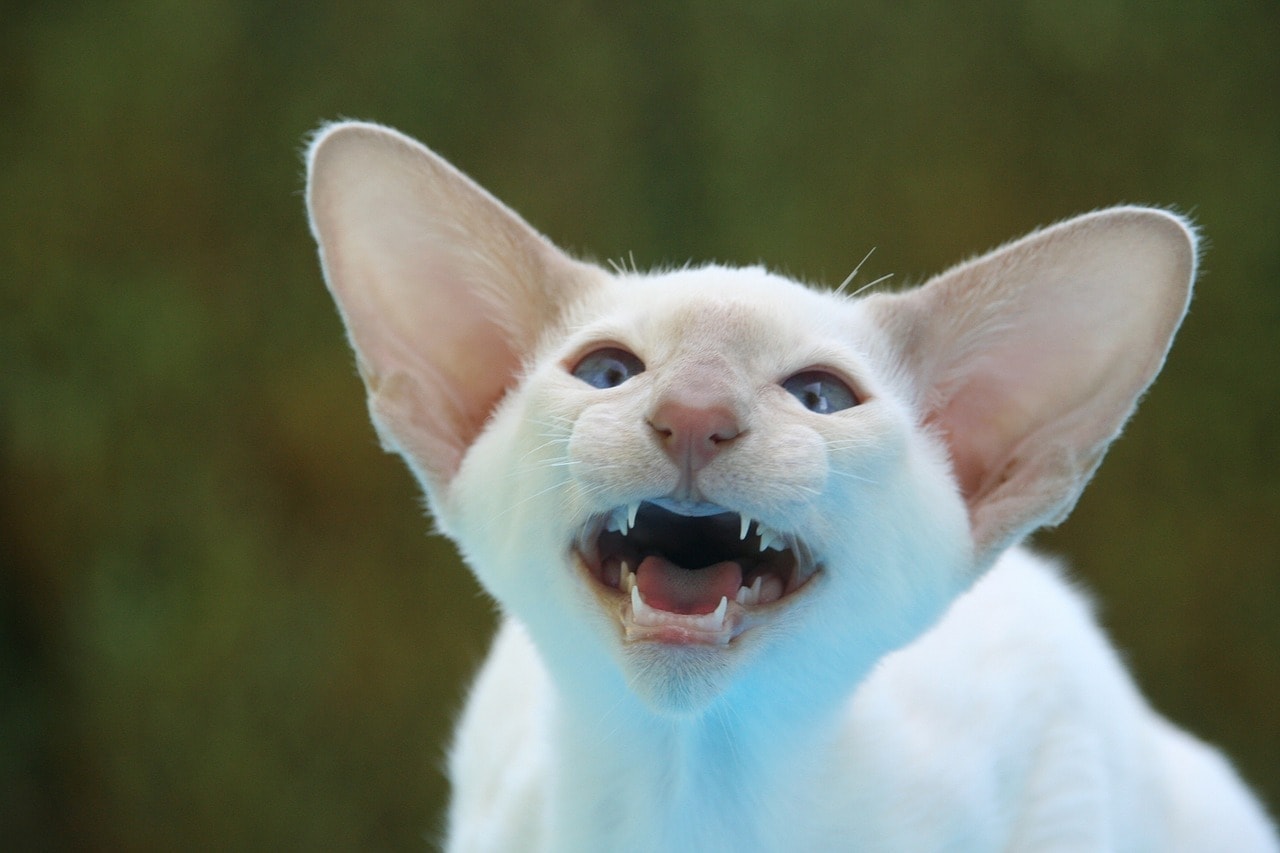
Any changes in your cat’s daily routine can lead to feelings of insecurity and jealousy. This could be as major as home renovations or as minor as moving your cat’s food bowls to a new spot.
5. Lack of Personal Space
Because cats are territorial, they may act jealous if they feel they don’t have enough space. This could happen if they have to share litter boxes, food bowls, or beds with other cats. They might also feel crowded by more people or things in the house.
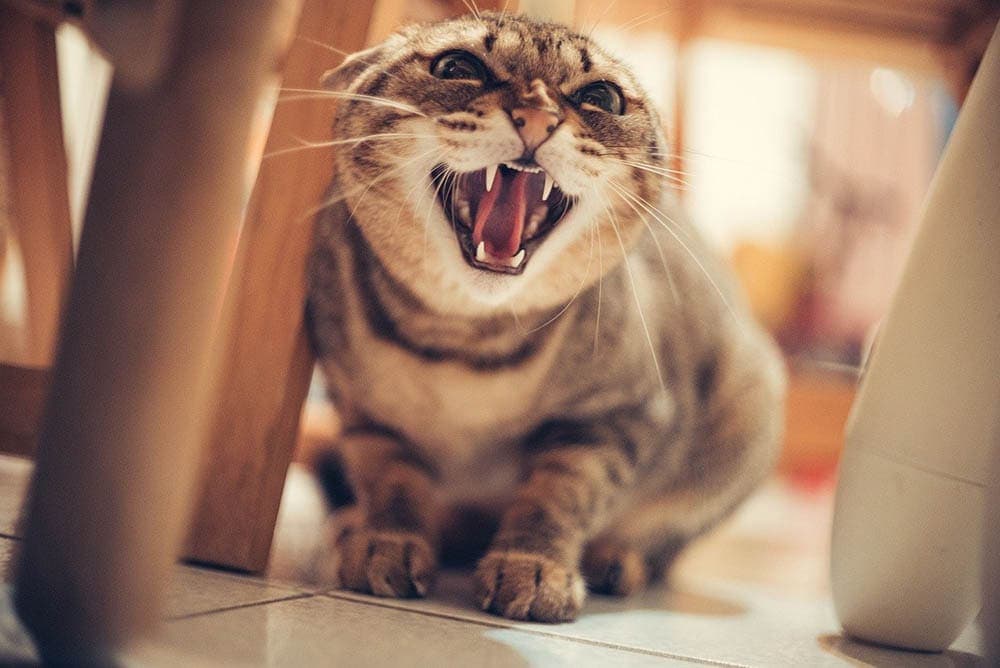
Jealous Behavior
Acting clingy or obsessed with you is just one of the many signs that your cat may be jealous. Here are some other behaviors that you might notice as well:
Signs of Jealousy in Cats
Whatever the cause of jealousy, it can manifest in several ways. Signs of jealousy in cats include:
Antisocial Behavior
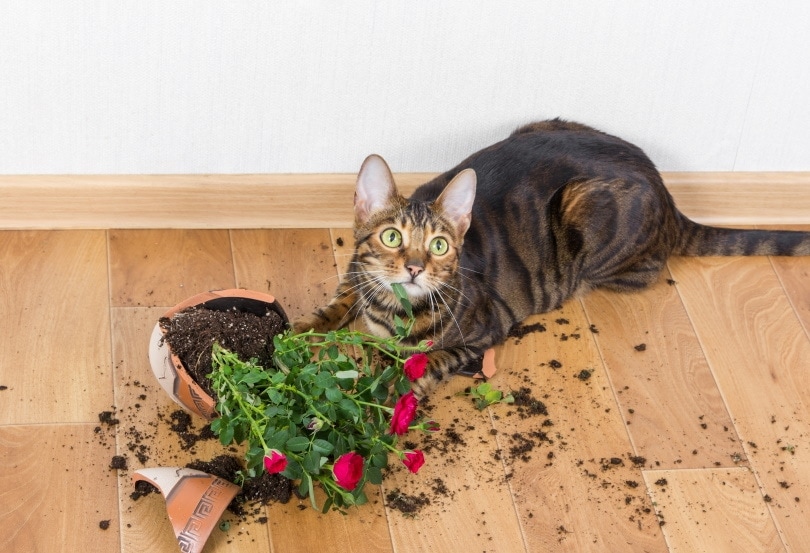
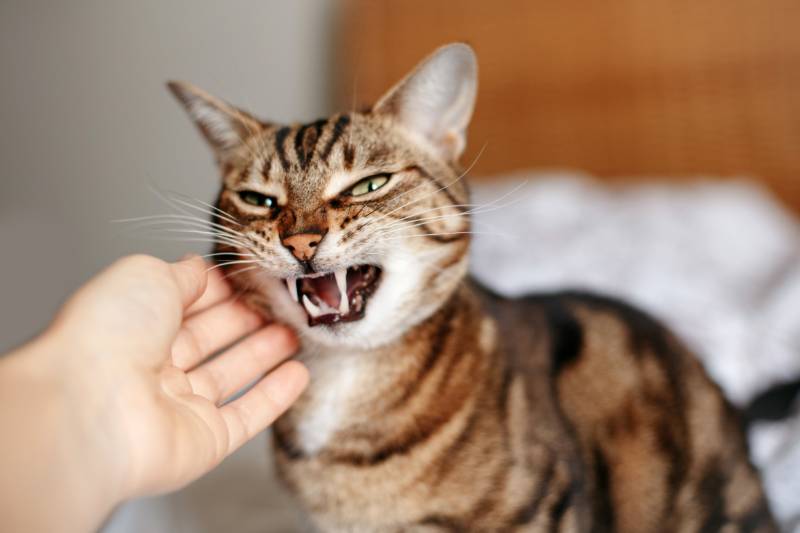
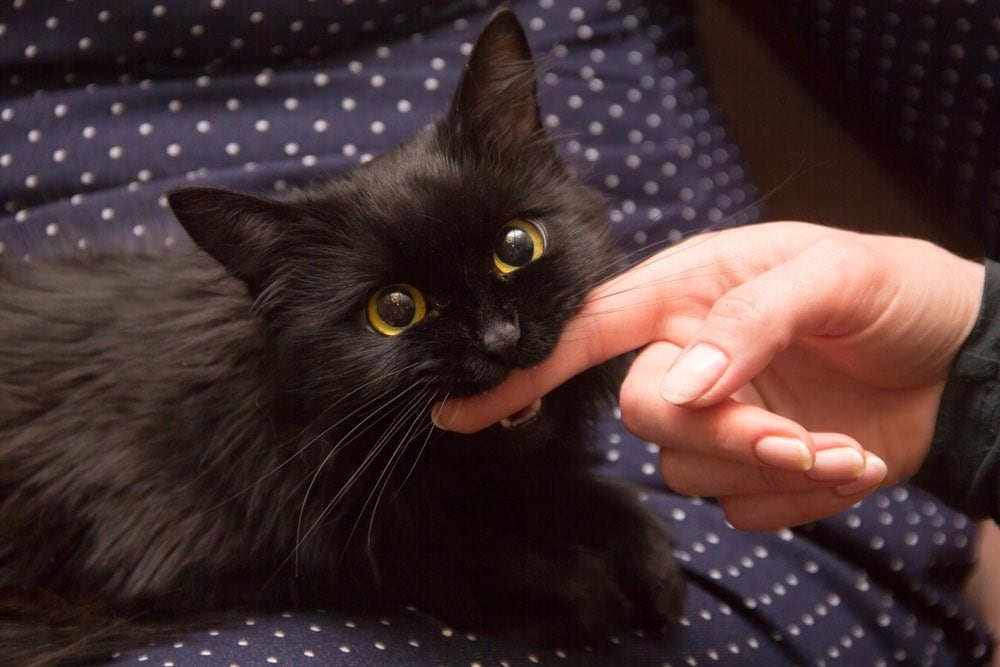
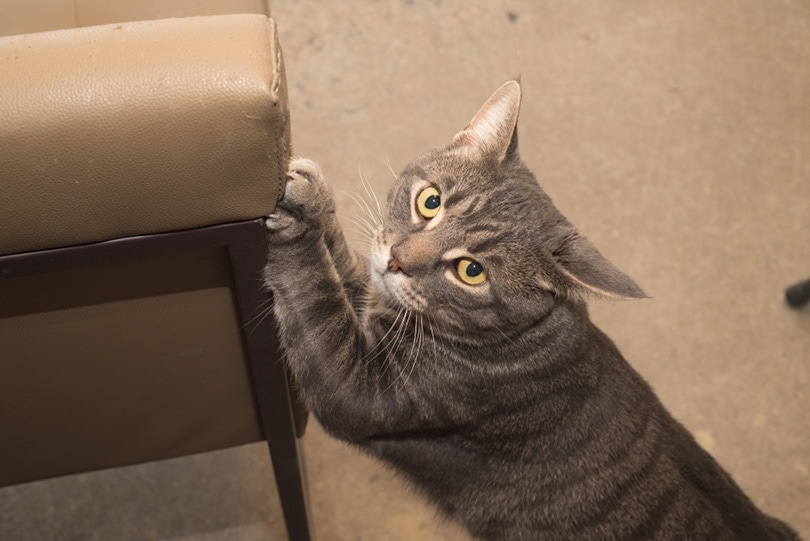
Antisocial behavior includes scratching and biting. It can also include destructive behavior such as scratching or chewing furniture. Your cat may show jealousy by knocking items off tables and causing more damage.
Aloof Behavior
Cats are known for being aloof. They come to you when they want attention or food but may stay out of the way otherwise. Jealousy can exaggerate this aloofness so that they spend even less time in your company.
Inappropriate Littering
Inappropriate littering means peeing and pooping outside the litter tray, and it can be a sign of depression, illness, or jealousy. Since an illness or infection will only worsen, visiting your veterinarian is best.

How to Help Your Jealous Cat/What to Do About It
Whether your cat is scratching and biting guests, chewing the curtains, or pooping outside the litter tray, there are ways to reduce or eliminate the behavior.
Identify the Cause
First, identify the cause of jealousy. Have you recently adopted a new cat or introduced a dog to the house? Have you been spending more time at work?
Spend More Time with Your Cat
If your cat is jealous of the amount of time you are giving to other household members or even to your laptop, try to put aside some extra time to spend with your feline friend.
Give Them Their Own Space
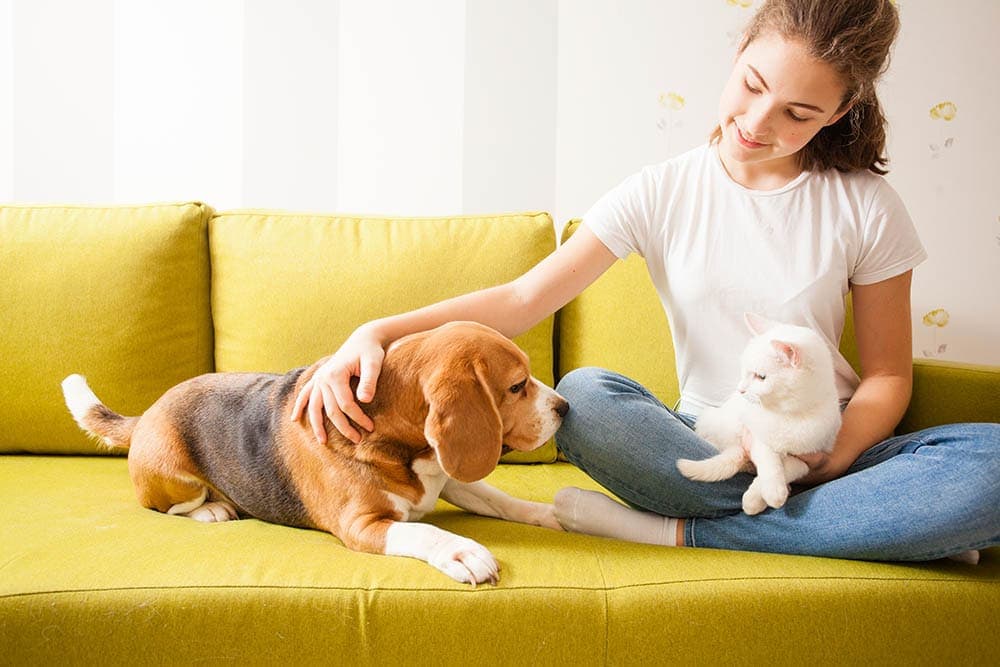
A new cat or baby could be encroaching on what your cat believes to be their personal space. If they spend a lot of their time on a particular chair, which the dog now takes up, they will get jealous. Try to set aside an area for your cat that they like. Put a bed, blanket, scratching post, and some toys in that area so your cat knows it is for them.
Introduce Interactive Toys
If you can keep your cat busy, they may not notice that you are spending less time with them, which can reduce their feelings of jealousy. Interactive toys are a great way to keep your cat active. They are also good for your cat's mental and physical health.
Encourage Good Behavior
While some may scoff at the idea of training a cat, it is possible. You can provide treats when your cat does something positive that you want to encourage and ignore them if they do something you want to discourage. Be consistent and keep up with the training. Eventually, your cat will understand.
Teach Them to Accept the New Routine
If you have introduced a new animal or human to the house, you can’t ignore them for the benefit of the cat. You can teach them that the new routine is not one to fear or be jealous of. Pet or play with your cat while spending time with the baby, or pet them when they are near the new addition.
Create Positive Associations
If your cat is jealous of a new pet or baby, you can create a positive experience around their interactions. Pet or feed your cat treats while holding the baby or when your cat is near the baby. Also, you can feed your cat and your new pet meals together on either side of a closed door so they can smell each other, and your cat will associate tasty food with the new pet.
Ask Your Veterinarian for Help
If you’ve tried everything and are frustrated by trying to help your cat stop being jealous, it’s time to turn to a professional. Your veterinarian can help you and prescribe medications if necessary. If your cat’s jealous behaviors are severe, your veterinarian might refer you to a veterinary behavioral specialist.
How Can You Tell If a Cat Is Jealous?
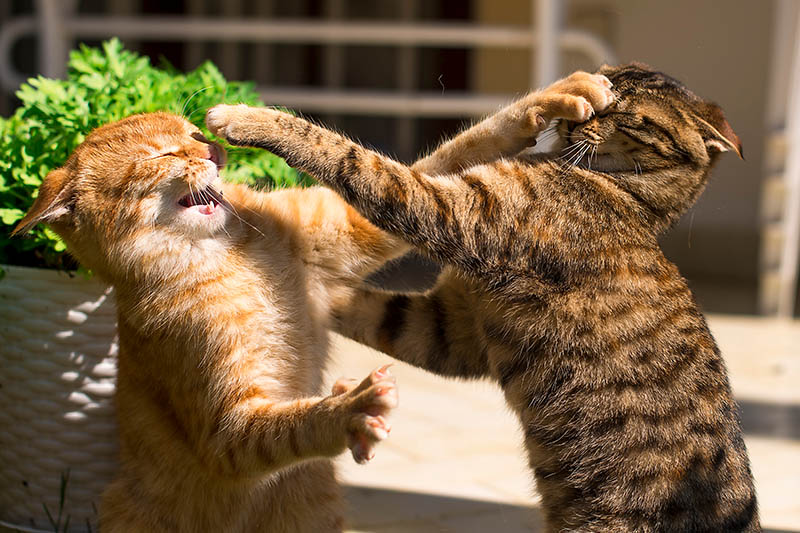
There are many ways that cats show jealousy. They might try and come between you and the object of their jealousy. They might scratch or try to bite if you approach a new pet or attack the new kitten if they believe you are spending too much time with them. Spraying is another common sign of jealousy that you must watch for.
Are Cats Jealous of Their Owners?
If your cat has been part of your life longer than a new partner, your feline friend might become jealous of the attention you give your partner. Ensure your significant other pays attention to the cat and pets them (if they when you are spending time together.
Final Thoughts
Dealing with a jealous cat can be frustrating and stressful. Thankfully, there are solutions and you don’t have to go through it alone. Remember, the first step is determining the cause of your cat’s behavior. The five reasons we discussed are a solid place to start your investigation. Don’t be afraid to ask for help before you give up on your cat.
You may also like:
Sources
Featured Image Credit: Fercast, Shutterstock
Get Hepper In Your Inbox


Pet care tips from our vets and experts, straight to your inbox.
You may opt-out at any time. View our Privacy Policy for more information.

Nicole is a lover of animals of all sizes but is especially fascinated with the feline variety. She’s the proud mom of Baby, a Burmese, and works every day so he can relax in the sunshine or by the fire. She’s always had a cat in her home and has spent countless days with others, observing behaviors and softening up even the grouchiest of the lot. Nicole wants to share her kitty expertise with you so you and your cat can live happy, healthy, and care-free.
Join the conversation
Ask a question, share your story, or send private feedback.