Hepper is reader-supported. When you buy via links on our site, we may earn an affiliate commission at no cost to you. Learn more.
Salmonella in Cats: Vet-Explained Signs, Prevention, & Treatment

In this article
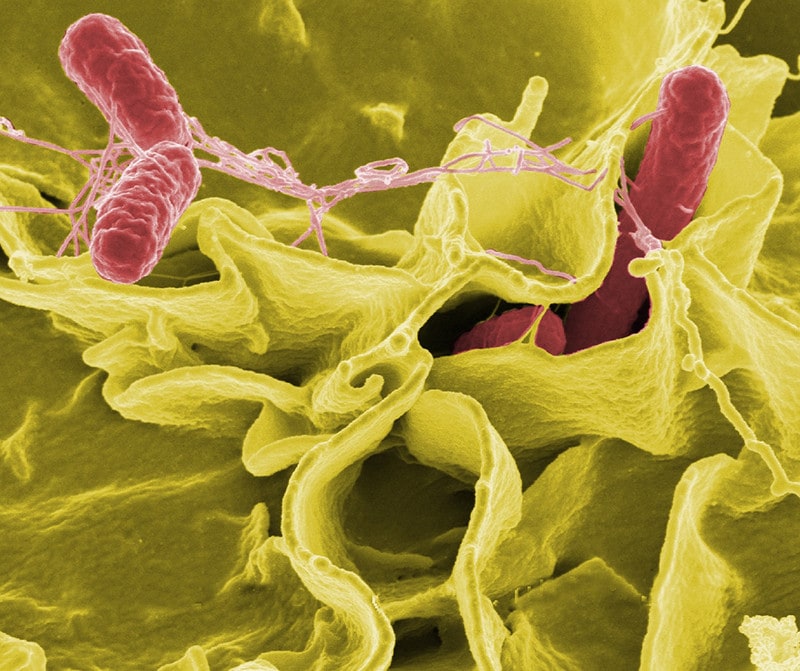
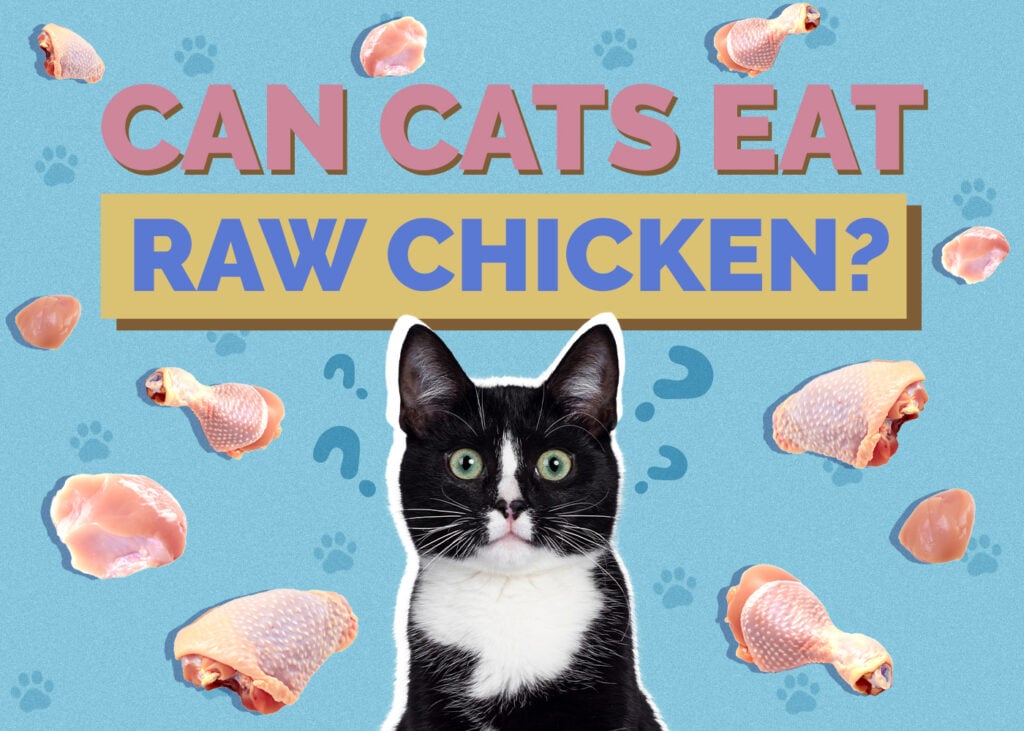
There are certain facts that everyone knows, even if you can’t remember when you learned them—don’t run with scissors, don’t take candy from a stranger, and never, ever eat raw chicken. The reason we don’t eat raw chicken is Salmonella.
Salmonella is part of the bacterial family Enterobacteriaceae, the members of which are responsible for some of the most prolific human diseases, including E. coli and Shigella, both of which cause severe gastrointestinal disease, and Yersinia, which was responsible for the Bubonic and Pneumonic Plagues. Salmonellosis in humans may cause gastrointestinal disease, typhoid fever, and even fatal septicemia (blood infection). Each year in the U.S., there are around 1.35 million reported cases of Salmonellosis, with 26,500 people hospitalized and 420 deaths.
You may be wondering why, in an article about Salmonella in cats, we are learning about human Salmonellosis. The reason is this: Salmonella is zoonotic, which means it can transfer between animals and humans. The majority of feline Salmonella cases are asymptomatic, so they could spread the infection to humans without us knowing they were the source. It's also a notifiable disease, so any diagnosis must be reported to the relevant authority, such as the Centers for Disease Control (CDC) in the U.S.
With that in mind, let’s delve a little deeper into feline Salmonellosis, what it means to you, and what it means for your cat.

How Do Cats Get Salmonella?
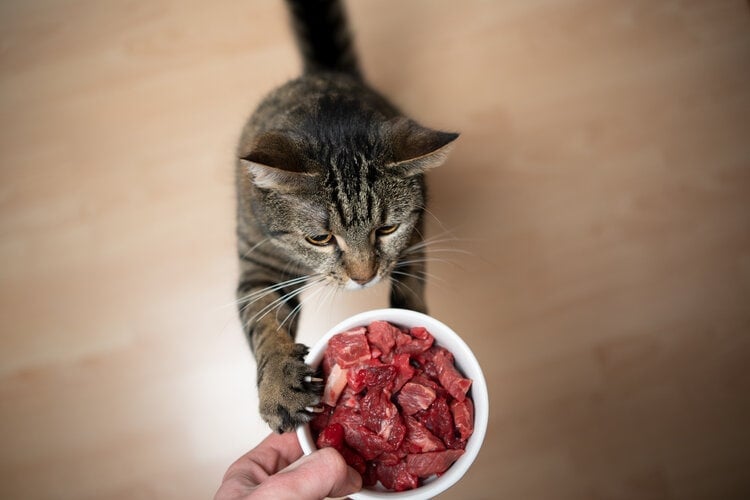
The most common source of Salmonella infection in cats and dogs is through the ingestion of raw or undercooked meat and eggs. With the increase in pets being fed raw diets, the risk of infection rises. Cats can also pick up the bacteria by eating stale or contaminated food, or the feces of an infected animal.

How Do I Know if My Cat Has Salmonella?
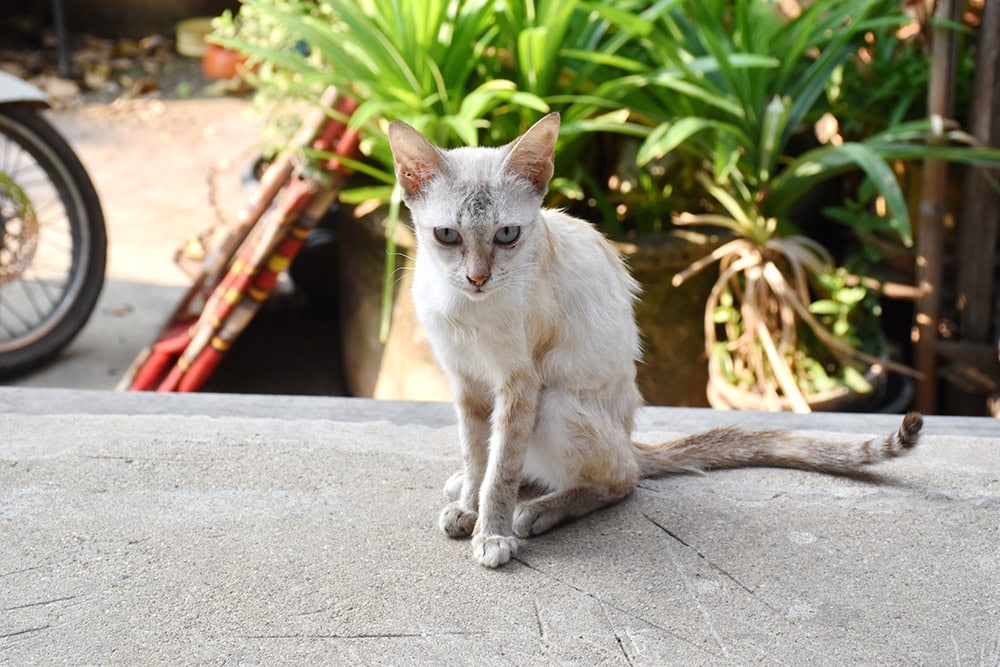
Therein lies the problem: unless they are unwell, you won’t know. As the majority of cats infected with Salmonella do not show clinical signs (asymptomatic carriers), without screening individuals, there is no way of knowing which cats are carriers.
Some cats will develop symptomatic Salmonellosis, and the clinical signs are usually severe diarrhea, sometimes with blood, and they may also have fever, lethargy, vomiting, hind leg weakness, and pneumonia. They can also develop septicemia, and pregnant cats are likely to abort their fetuses. Cats suffering from clinical Salmonellosis usually have a concurrent illness or infection, be very young or very old, or are immunocompromised, which allows the infection to convert into the symptomatic form.
The bacteria are intermittently shed in the feces, so diagnosis usually involves testing several days of stool samples to maximize the chance of isolating the bacteria. As mentioned previously, Salmonella is a zoonotic, notifiable disease, so when a cat (or any animal) tests positive, your veterinarian must notify the CDC (or equivalent). But don’t worry! This is only to allow monitoring of infections in case there are signs of an outbreak. There will be no action against you or your cat. However, households with an infected pet will be given instructions and protocols to follow to minimize the risks of the disease spreading.
How Is Salmonella in Cats Treated?
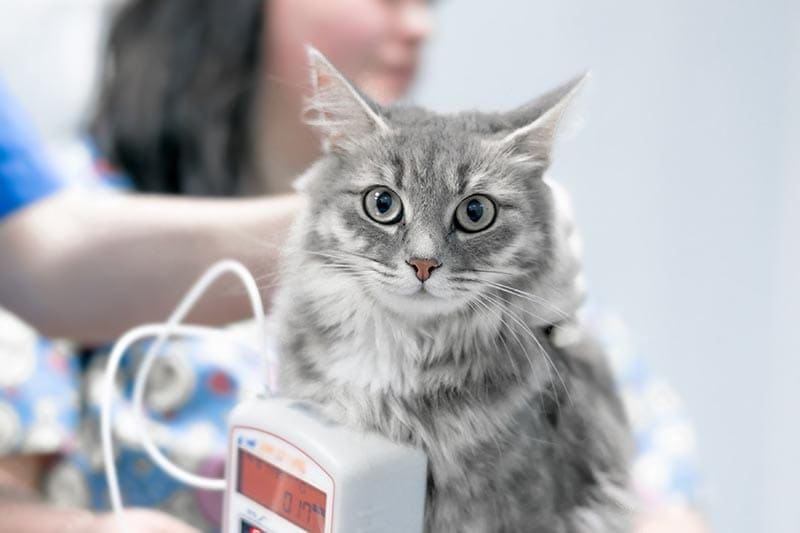
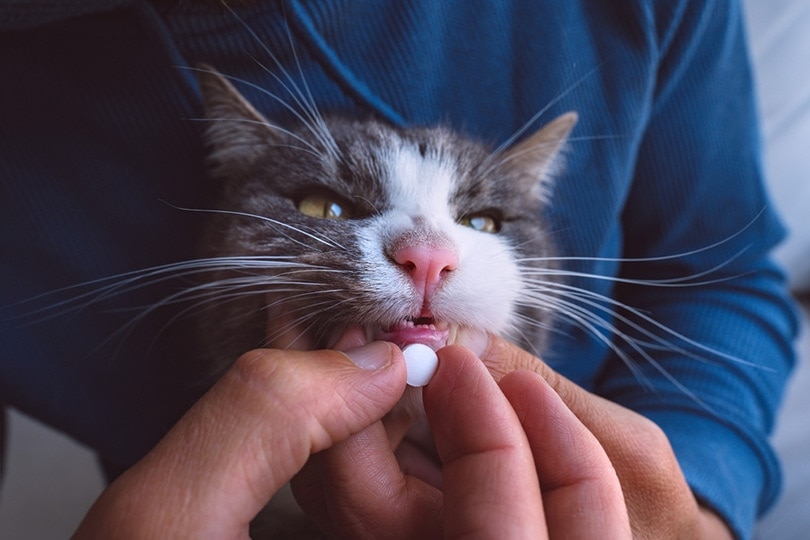
Because of the zoonotic nature of Salmonella, antibiotics must be used carefully, and with restraint. Cats with mild signs may be given supportive treatment, such as intravenous fluids, gastro protectants, antiemetics (anti-nausea) medications, and probiotic treatment, to help their immune system fight the infection. In more severe, debilitating, and non-responsive cases, it is recommended that a culture and sensitivity test be performed to ensure that the appropriate antibiotic is selected and used at the correct dose.
In most cases, cats will recover from a case of Salmonellosis, but this will depend greatly on the form and severity of any concurrent health problems.
My Cat Has Salmonellosis—Am I Going to Get It?
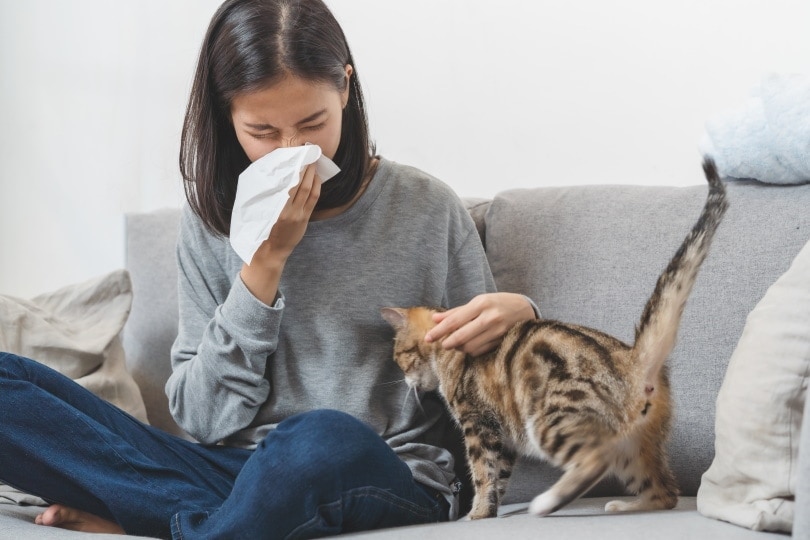
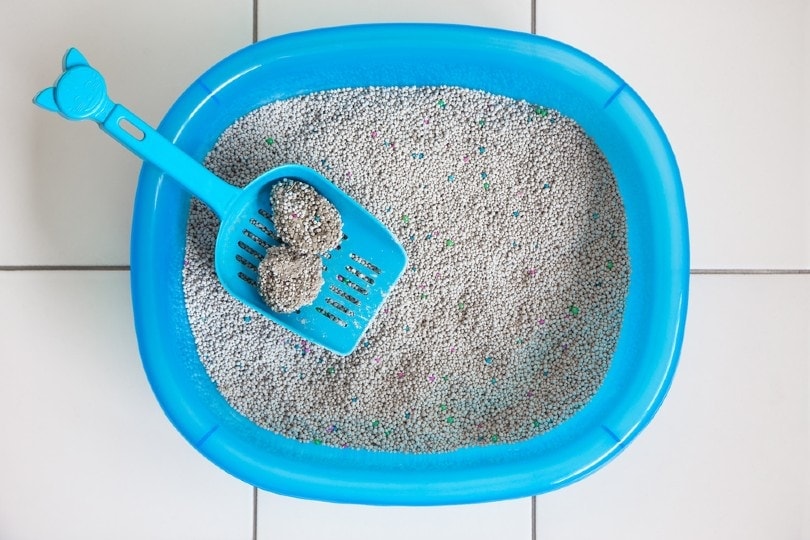
In most cases, probably not! Humans are more likely to contract Salmonella by eating contaminated or undercooked food. As it is shed in the feces, using proper hygiene practices and careful disposal of their litter box contents should keep you safe.
One thing to consider when dealing with a zoonotic disease is that we can be infected by our pets, but they can also be infected by us! If your cat has been diagnosed with Salmonella, it might be worth a visit to your doctor to make sure you, or a family member, isn’t an asymptomatic carrier of the bacteria. You wouldn’t want to end up like “Typhoid Mary”, a cook who, in the early 20th Century, was single-handedly responsible for an outbreak of Typhoid, a severe form of Salmonellosis. Despite being aware that she was an asymptomatic carrier of Salmonella typhi, she continued to prepare and serve food and is believed to have caused over 3,000 cases of Typhoid fever, but surprisingly, only three recorded deaths.
These days, Typhoid is only found in developing countries where sanitation levels are poor, and there is a vaccine available to protect people against Typhoid fever.
Why Is There No Vaccine Against All Salmonella Infections?
Because there are many different strains of Salmonella and a high rate of mutation within these strains, there simply have not been the resources to develop an effective vaccine. However, this may change in the future.
How to Prevent Salmonellosis
Fortunately, in the modern world, preventing Salmonella infections is easy.
- Always cook meat thoroughly.
- Always wash fruit and vegetables before eating them, particularly leafy greens.
- Practice good hygiene when handling your cat’s litter box—wear gloves and/or wash your hands thoroughly using an antibacterial soap.
- Wash your hands before eating, particularly if you have been playing with your pets.
Although there is little evidence to support the idea that raw diets are more beneficial than regular commercial foods, they are increasing in popularity. If you choose to feed your pets a raw diet, make sure you wash your hands thoroughly before and after preparing the food, and ensure your pet is regularly wormed.
If you or anyone in your household is immunocompromised, talk to your vet about periodically screening your cat’s feces for Salmonella, and other zoonotic organisms such as Campylobacter and Giardia.
Final Thoughts
Fortunately for our cats, infection with Salmonella rarely causes clinical signs, but it does increase the risk that they could spread it to us. This is one reason to make sure you always use strict hygiene practices when handling your cat’s litter box.
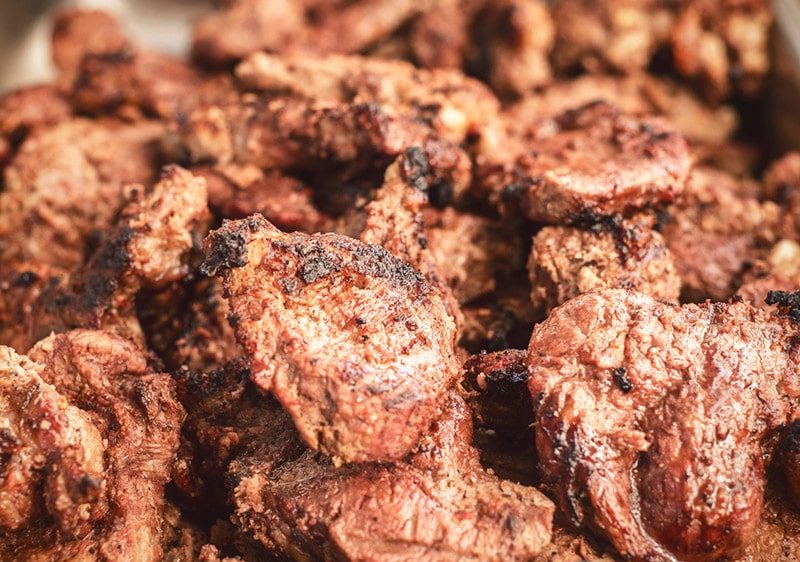
The primary source of Salmonella infection, for both humans and cats, is the ingestion of contaminated food, or raw and undercooked meat and eggs. This risk is hugely reduced by cooking meat and eggs thoroughly and washing fruit and vegetables. Feeding your cat a raw diet will significantly increase their risk of Salmonella infection, and although they may not become unwell, they could silently spread the infection to you and your family.
Remember, do not run with scissors, no candy from strangers, and NEVER eat raw chicken!
Sources
Featured Image Credit: DinaSova, Shutterstock
Get Hepper In Your Inbox


Pet care tips from our vets and experts, straight to your inbox.
You may opt-out at any time. View our Privacy Policy for more information.
Karyn has lived in the UK for the past 10 years after moving from Queensland, Australia. In 2010, she graduated from The University of Queensland School of Veterinary Science, and also holds a Bachelor’s degree in Zoology. Karyn is passionate about using evidence, experience, and owner collaboration to provide the best solutions for pets, and believes in making reliable information about animal health accessible to all. She shares her home with 5 cats, 4 dogs, and 1 husband, and when she is not practising as a veterinary surgeon, she spends her time writing, gardening, and cleaning up pet hair!
Karyn comes from Queensland, Australia, but has lived in the UK for the past 10 years. She is passionate about using evidence, experience, and owner collaboration to provide the best solutions for pets, and believes in making reliable information about animal health accessible to all.
She shares her home with 5 cats, 4 dogs and 1 husband, and when she is not practising as a veterinary surgeon, she spends her time writing, gardening, and cleaning up pet hair!
Education
In 2010, Karyn graduated from The University of Queensland School of Veterinary Science and also holds a Bachelor’s degree in Zoology.
Experience
Dr. Kanowski has worked in small animal practice, both in Australia and the UK, and she will be very happy if she never has to see another post-Brexit Animal Export Certificate again! Karyn has special interests in acupuncture and canine behavior and loves challenging surgical cases.
Join the conversation
Ask a question, share your story, or send private feedback.