Hepper is reader-supported. When you buy via links on our site, we may earn an affiliate commission at no cost to you. Learn more.
Can Cats Eat Bones? Vet-Reviewed Facts & Safety Guide


In this article
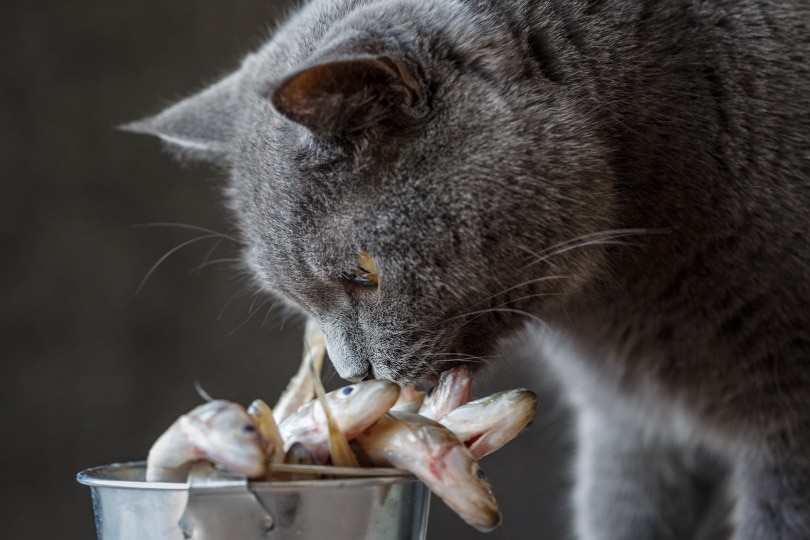
Cats are carnivores, and out in the wild, they eat prey such as rodents and birds, and this includes their bones. So, it makes sense that your domesticated house cat might enjoy chowing down on some bones as well, right? Well, the good news is that it’s okay to give your cat bones to eat occasionally. The bad news? Not everyone agrees on how safe it is for cats to eat bones.
We’re going to take a closer look at the question of whether cats can eat bones and find out the benefits and the downsides. We’ll also look at what kind of bones are safe for your cat to eat. After this, you’ll have enough information to decide whether you want to give your favorite feline some bones to gnaw on or not.

Is It Safe for Cats to Eat Bones?
As we said above, there is some controversy around whether it’s safe to feed your cat bones. We know that if you give your pet bones to eat, they should be raw and never cooked. Why never cooked bones? Because with cooked bones, you run the risk of the bones splintering and causing obstructions in the intestinal tract or other internal damage. Yikes!
However, raw bones can benefit your pet's health. You know that dogs can have a fondness for chewing on things, but cats do as well. One of the most considerable benefits of chewing for cats is that it can lead to healthier teeth and gums, which, considering that many pet owners don’t brush their pets’ teeth, is essential!
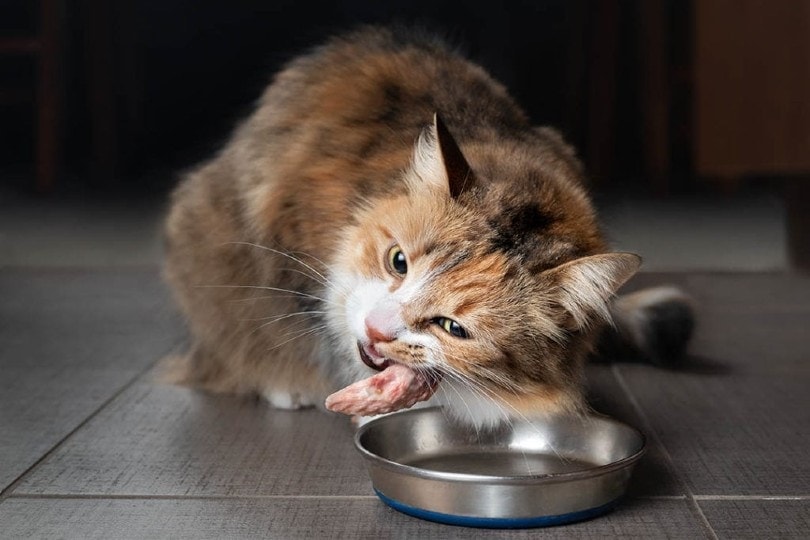
However, it’s not just the teeth and gums that will stay healthier when your cat engages in chewing behavior. That's because gum disease can affect more than just the gums. Bacteria can travel, via the bloodstream from the mouth to lodge itself into organs, such as the kidney or heart. The long-term result could be organ failure.
Another benefit of allowing your feline friends to chow down on some bones is that they can offer a nutritional boost. While they aren’t drowning in essential nutrients your cat needs, bones offer plenty of calcium and other minerals that are important to the feline diet. Plus, bone marrow can provide iron, vitamin E, and vitamin B12.
Are There Any Downsides to Giving My Cat Bones?
Unfortunately, there are some downsides to letting your cat eat bones, which is why there are so many people in disagreement over whether it’s a good idea to do so or not.
Bones can be a safety hazard, particularly for cats, because they can be a choking risk. That’s why getting the right size of bone is so important. Plus, bones that are too small could become stuck on the roof of your cat’s mouth, which is highly uncomfortable for them and can cause trauma to the oral cavity.
We mentioned earlier that you should never feed your furry friend's cooked bones because the bones could splinter and cause blockages or internal damage. While the risk is much, much less with raw bones, the risk of splintering is still there. Definitely keep this in mind if you give your cat bones.
If your cat is already suffering from dental disease, it’s important to have their teeth cleaned professionally before letting them eat bones. If your kitty’s teeth are in rough shape and they chow down on bones, there’s a risk they could fracture a tooth. A fractured tooth would equal pain for them, as well as dental surgery.
The final potential downside to feeding raw bones to your cat? Bacteria. Raw bones can carry bacteria like salmonella that can make your cat ill, leading to fever, lethargy, diarrhea, dehydration, and more. And salmonella is a bacteria that can be shared from pet to human, meaning you run the risk of getting ill as well.
How to Give Bones to Your Cat
Letting your cat eat bones isn’t a matter of just tossing one their way and letting them go to town. Because there can be some potential health and safety issues, it’s vital to know what kind of bones are best for your pet and how to give these bones to them.
Now that you know what you can safely feed your cat, it’s just as important to find a bowl that supports their health and well-being. With whisker-friendly bowls and a wide tray to catch any spills, our Hepper NomNom Cat Bowl is our favorite option.

- NO MESS - The 360° tray on this cat food and water bowl set has a raised design to catch and contain stray crumbs and drips. Protect your indoors and floors from wet and messy meals!
- WHISKER FRIENDLY - Shallow and wide metal containers with flat bottoms ensure your kitty can enjoy mealtime free from whisker fatigue!
- CHEW-SAFE MATERIALS - Kittens and cats love chewing on silicone and soft rubber - but it's a choking hazard. Our cat feeding station materials are anti-chew for a 100% safe feeding frenzy!
Conclusion
While your fuzzy feline friends can eat bones—and even gain some benefit from doing so—you should be very careful if you decide to give bones to your pet. Unfortunately, with raw bones, there are some health risks such as bacteria that can lead to illness or choking that could occur from small pieces. But, if you deem it safe enough for your cat, giving them a bone occasionally should be fine.
Related Reads:
Sources
Featured Image Credit: David Tadevosian, Shutterstock
Get Hepper In Your Inbox


Pet care tips from our vets and experts, straight to your inbox.
You may opt-out at any time. View our Privacy Policy for more information.
Misty Layne lives out in the woods in small-town Alabama with her two Siamese—Serafina and Jasper. She also has an array of stray cats, raccoons, and possums who like to call her front porch home. When she’s not writing about animals, you’ll find her writing poetry, stories, and film reviews (the animals are, by far, her favorite writing topic, though!). In her free time, Misty enjoys chilling with her cats, playing piano, watching indie and foreign films, photographing abandoned places, and catching up on her never-ending TBR list.
Join the conversation
Ask a question, share your story, or send private feedback.