Hepper is reader-supported. When you buy via links on our site, we may earn an affiliate commission at no cost to you. Learn more.
Saint Bernewfie (St Bernard Newfoundland Mix): Pictures, Care, Temperament, & Traits
In this article
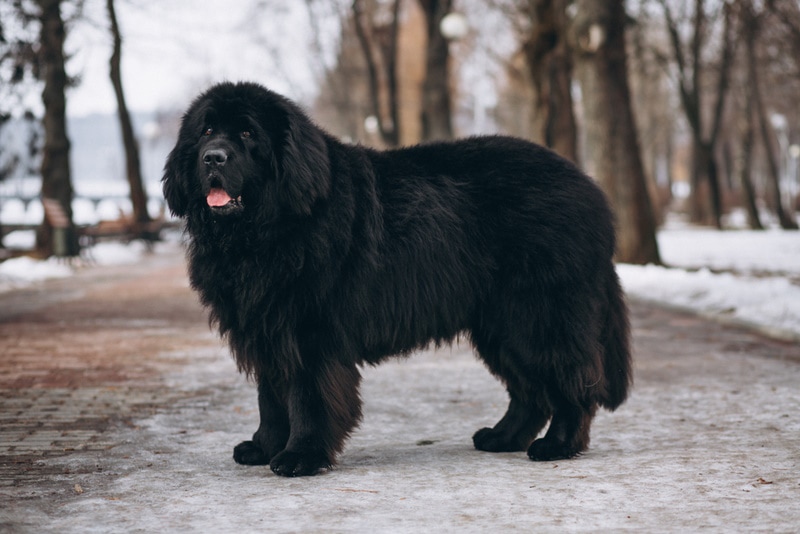
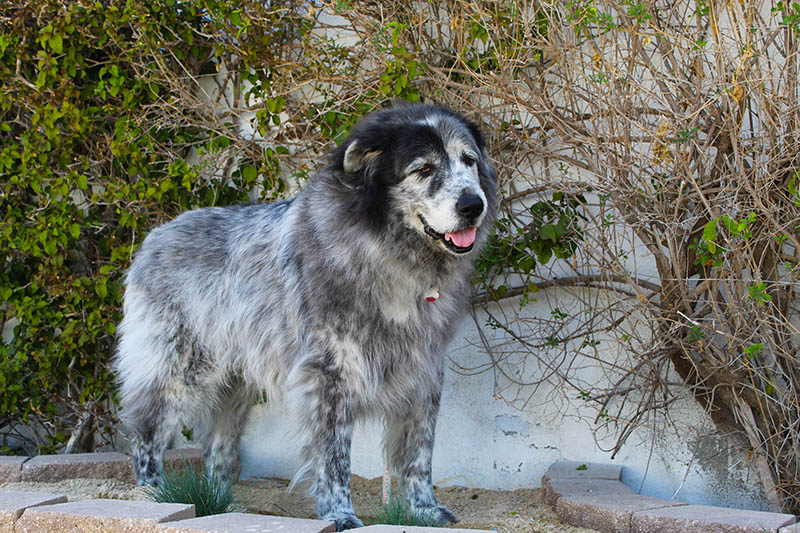
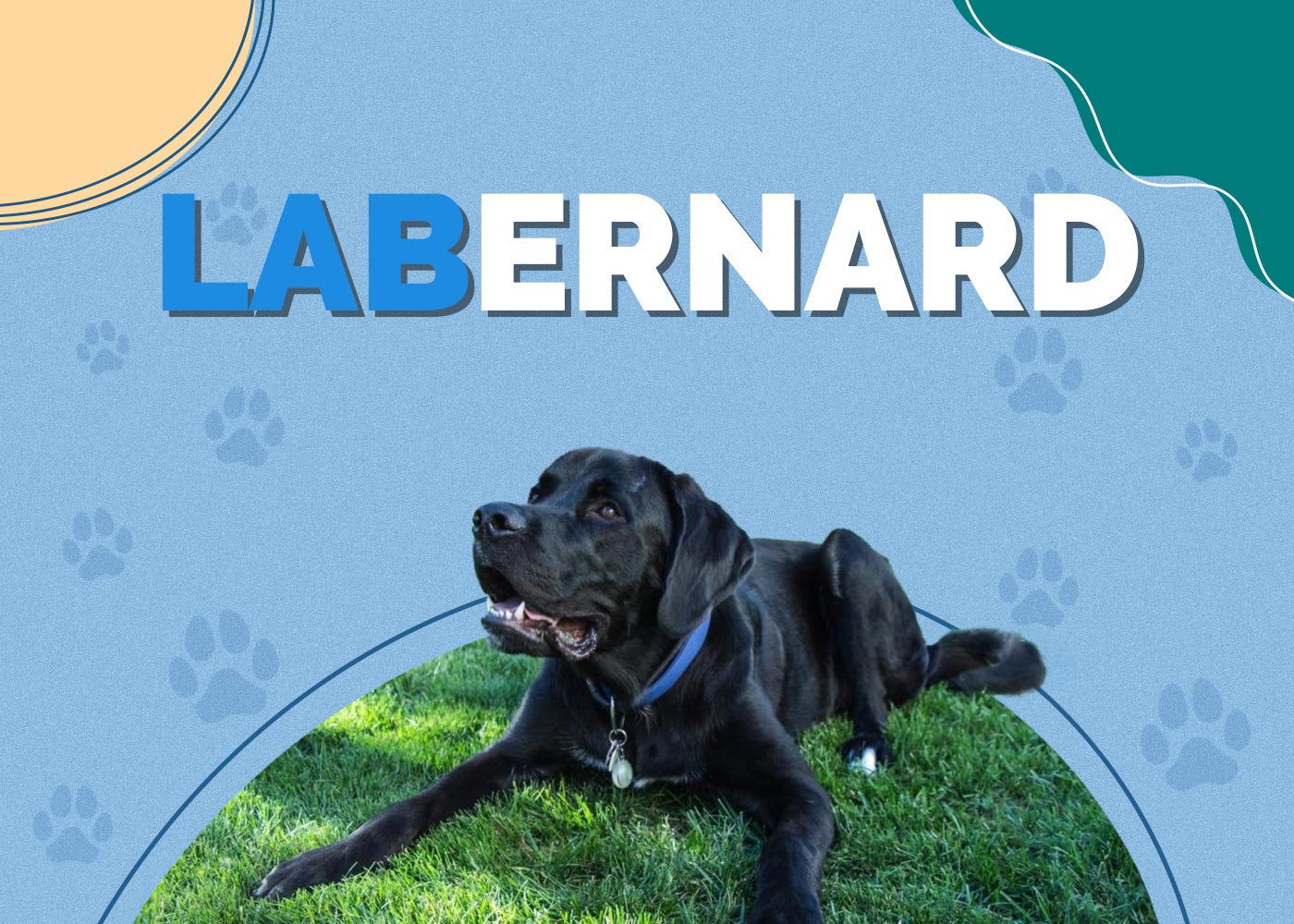
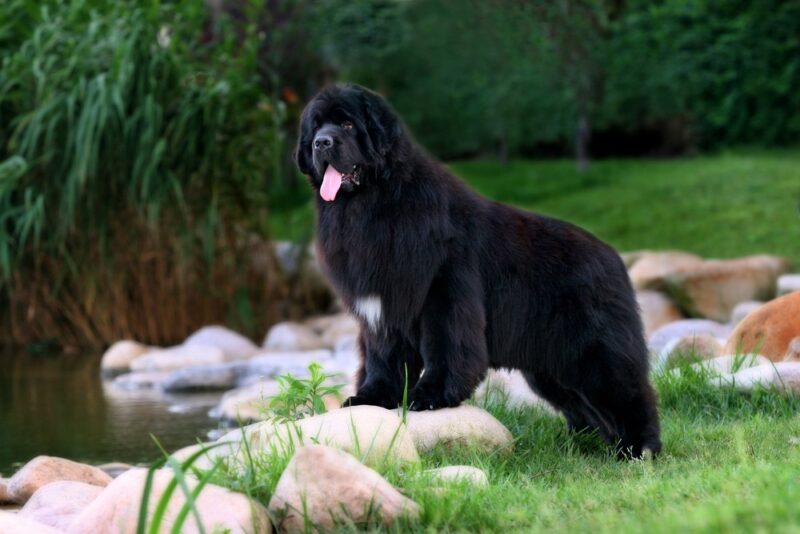
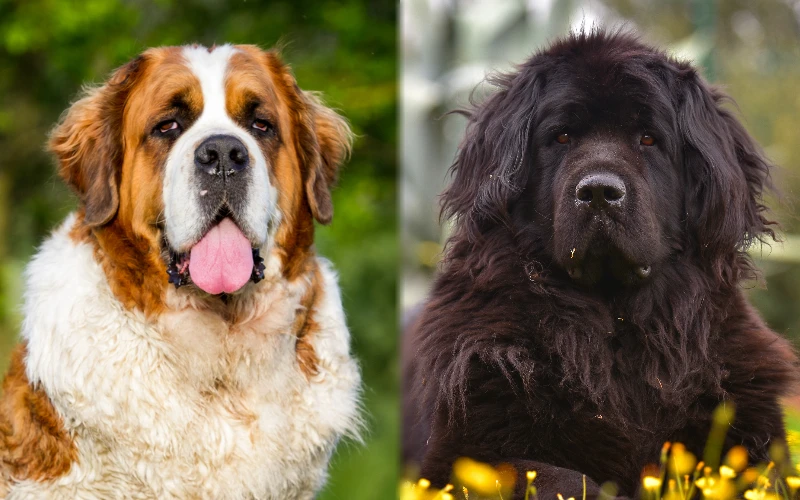
If you are a big fan of large, cuddly dogs, we have the perfect puppy for you. A Saint Bernewfie is an adorable mix between a St Bernard and a Newfoundland that is a true family-oriented dog. These pooches will almost always want to cuddle next to you on the sofa and seek your attention. They are incredibly affectionate and make a perfect dog for families.
To learn more about the adorable Saint Bernewfie and how to care for them properly, read on below.
Breed Overview
Height:
Weight:
Lifespan:
Colors:
Suitable for:
Temperament:
The Saint Bernefie is a loyal companion that can provide your family with years of fun and unconditional love. Despite their large size, these dogs are fluffy babies with a unique cuddly and affectionate nature that will enjoy your constant attention. Because of their social nature, these dogs are best for families with children and need plenty of space to run around and explore. It is crucial to consider the amount of time you’re willing to devote to this dog breed since they can quickly develop separation anxiety when left alone frequently.

Saint Bernewfie Breed Characteristics
Saint Bernewfie Puppies
Considering that Saint Bernewfie dogs can weigh up to 165 pounds, you should prepare your budget accordingly. These pooches will eat a lot of food!
While Saint Bernewfie puppies are much rarer than their parent breeds, they tend to cost less. You can expect to set aside plenty of time to find a reputable breeder for acquiring a Saint Bernewfie. Before getting your puppy, meeting with the breeder and interacting with the mother and the rest of the litter is essential. Since this puppy is somewhat rare, even from a breeder, shelters will be even less likely to have Saint Bernewfie available.


Temperament & Intelligence of the Saint Bernewfie 🧠
Saint Bernards and Newfoundlands are generally very alike regarding their sweet and affectionate personalities, making their mix an excellent companion for most families. The Saint Bernewfie is an incredible breed that adores its owners and will do anything to get their love. They require plenty of attention, so if you have enough time to devote to this cutie, it's a perfect breed for you.
They are very sensitive and don't do well with harsh punishments. They are gentle souls that need the same type of treatment and will, in return, be the most loyal and protective companion you can ask for.
Are These Dogs Good for Families? 👪
Saint Bernewfie is a perfect dog for all types of families, no matter how large or active. They can be the perfect couch potato or enjoy daily activities depending on the family's activity level. Since they are pretty adaptable, they will be happy as long as they feel loved. Their sweet yet protective personality makes them ideal for families with children, and they are often known as "nanny dogs." While this breed is super gentle and considerate around children, it is best to supervise small children around this large breed, so they don't accidentally knock them over.
Does This Breed Get Along with Other Pets?
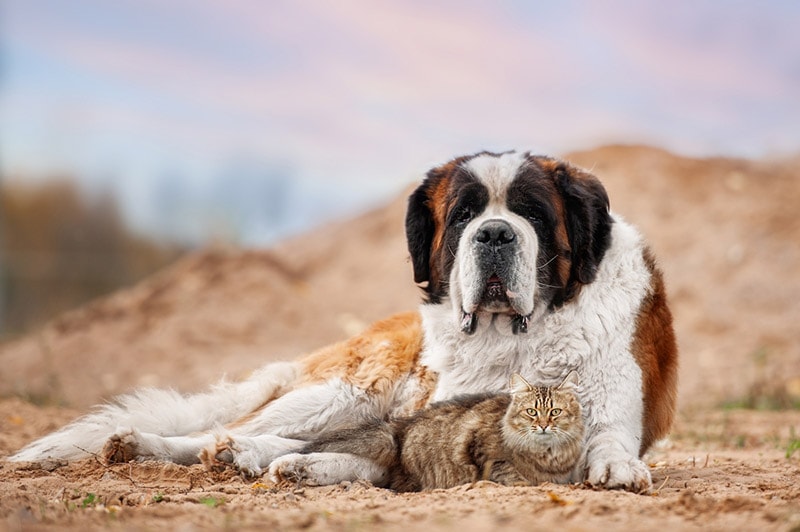
If socialized correctly and at the right time, Saint Bernewfie can learn to love and get along with other pets. With the proper training, they can become the ideal companion for other dogs and even cats.
Things to Know When Owning a Saint Bernewfie:
Before you acquire a Saint Bernewfie, it is crucial to understand the amount of money you will need to invest and the time you'll need to spend with them. Read more below about the requirements of the Saint Bernewfie so you'll know whether this is the perfect breed for your home.
Food & Diet Requirements 
Considering the large size of the Saint Bernewfie, their nutrition will need to be of high quality to maintain an ideal body weight. No matter the type of food—whether homemade meals or commercial kibble—it must be of high quality. Before committing to one specific diet plan, consult your veterinarian about the ideal daily portions to accommodate your dog's size, age, and possible health conditions. Since most large breeds, along with the St Bernard, are prone to bloat, this breed mix is also susceptible to this life-threatening condition. To ensure this condition doesn't happen to your Saint Bernewfie dog, it is best to feed several smaller meals throughout the day and avoid vigorous activity around mealtime.
Exercise 🐕
While the Saint Bernewfie is a large breed with a powerful body, they only need moderate daily exercise to maintain it. A long walk each day can be the best exercise they can get, although if you have children, a session of interactive playtime can also do the trick. This breed adores outdoor activities with its owner, so you can safely take your dog to join you hiking.
Training 🎾
Proper training and socialization are essential for all large dog breeds, including the Saint Bernewfie. These puppies are intelligent but also curious and stubborn, so training can sometimes become challenging. As you can guess, these dogs respond amazingly well to gentle training techniques, while harsh punishments can cause frustration for them. They are generally very trustworthy and eager to please their owners, so with enough patience and time, you’ll have a well-mannered Saint Bernewfie.
Grooming ✂️
Saint Bernewfie has a very dense coat that sheds fairly heavily. During the shedding season, you must brush your dog's coat daily, which usually happens twice a year. Otherwise, Saint Bernewfies require weekly brushing to remove any dirt and accumulated dead hair at other times of the year. Remember to give your puppy an occasional bath to keep them fresh and trim their nails regularly if needed.
Health and Conditions ❤️
While most responsible breeders will screen their stock for any potential health conditions, there are some common conditions to look out for in this breed. The Saint Bernewfie is susceptible to a potentially life-threatening stomach issue, bloat or gastric torsion, so knowing all the signs of this condition can help save your pets life. They are also susceptible to elbow and hip dysplasia and some eye issues. Make sure to keep your dog inside during severely hot days because exposure to extreme heat can cause serious distress.

Male vs. Female
Generally, male and female Saint Bernewfies are quite similar, with minor differences you may not even notice as a dog parent. Their size is the most significant difference between the male Saint Bernewfie and a female of this breed. While males can grow up to 165 pounds, females typically weigh only around 110 pounds. Females are known to require less attention than males and be more independent, while males are very social and fairly clumsy. While males may get distracted easily during training, females are easier to train although somewhat stubborn.
3 Little-Known Facts About the Saint Bernewfie
1. The Saint Bernewfie is smaller than its parent breeds.
Saint Bernewfie usually weighs between 110 and 165 pounds, while their parent breeds tend to be much larger when they become adults. A male Newfoundland dog can weigh as much as 180 pounds, and a typical St Bernard male can reach a similar size.
2. The St. Bernard was a rescue dog during the 18th century.
In the early 18th century, monks who lived in the St. Bernard Pass kept these dogs as rescue dogs to help save people from heavy snowstorms. St Bernards had an amazing sense of direction and were resistant to extreme cold due to their dense coats, making them ideal for this type of heroic work.
3. Newfoundlands have webbed feet.
One-half of the Saint Bernewfie’s parent breeds—the Newfoundland—is an excellent swimmer. They even have webbed toes to help them swim. Similar to Saint Bernards, which saved people in the Alps, the Newfoundland has commonly served as a water rescue dog.
Final Thoughts
If you were wondering whether to get a St Bernard Newfoundland mix, this article has hopefully helped you make a decision. The Saint Bernewfie is a fantastic dog that can be a loyal and loving companion to any family. They are excellent with children and will show their protective side when around them. They also enjoy outdoor activities, making them a perfect hiking partner.
See also: Berniefie (Bernese Mountain Newfoundland Mix): Pictures, Info, & Care Guide
Sources
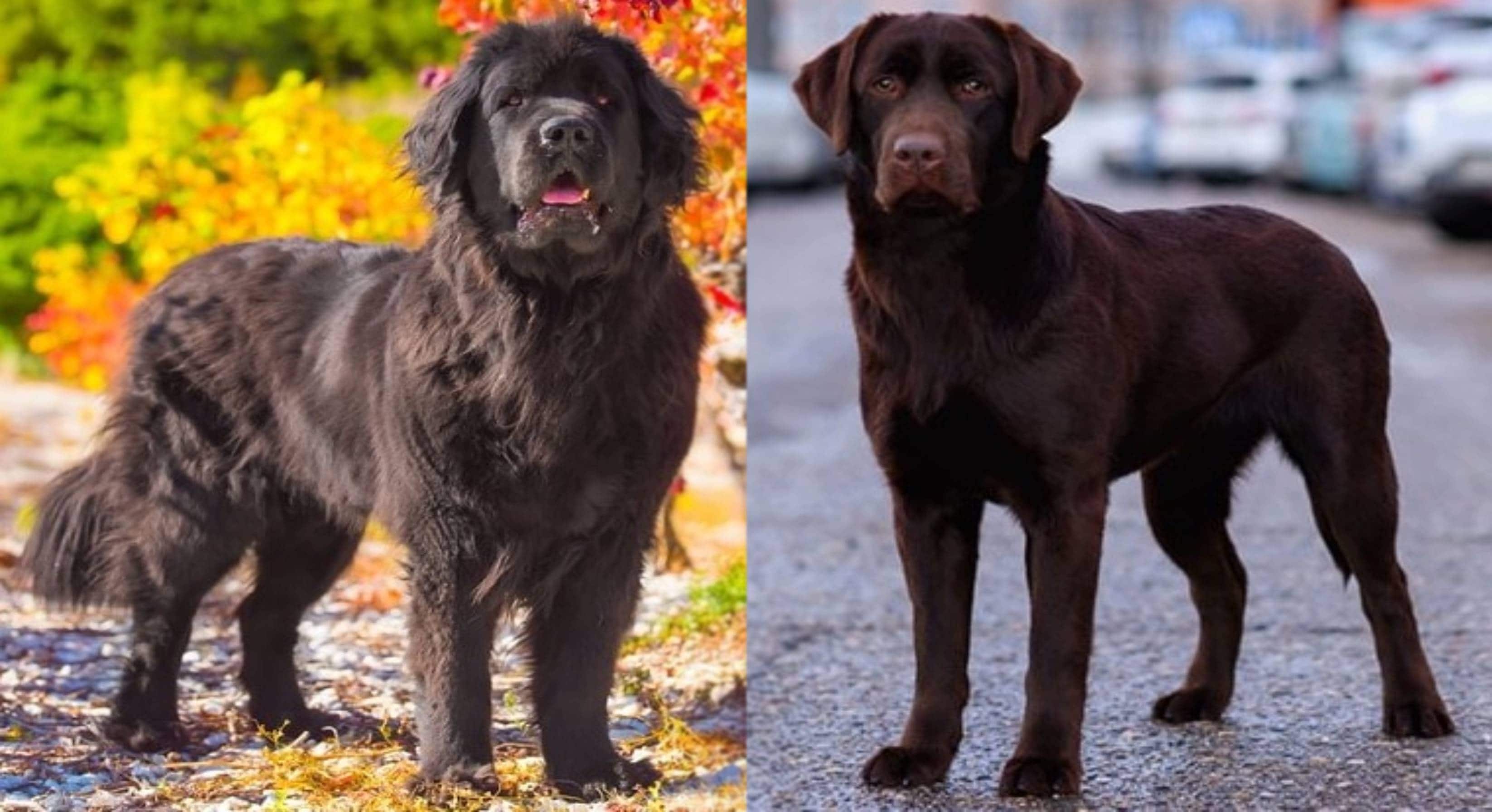
Featured Image Credit: Left - Aneta Jungerova, Shutterstock | Right - Pandas, Shutterstock
Get Hepper In Your Inbox


Pet care tips from our vets and experts, straight to your inbox.
You may opt-out at any time. View our Privacy Policy for more information.

I am a freelance writer with a restless and adventurous spirit. After graduating from the College of Fine Arts, I began searching for a medium to express my imagination. Content writing is a passion that took me by storm. When I am away from my peaceful writing nook, I work as a sculptor, painter, and woodworker in my workshop. I plan to continue nurturing my passion for writing and use it as a vessel for my neverending creativity.
Join the conversation
Ask a question, share your story, or send private feedback.