Hepper is reader-supported. When you buy via links on our site, we may earn an affiliate commission at no cost to you. Learn more.
Male vs. Female Samoyed: Differences Explained (With Pictures)
In this article
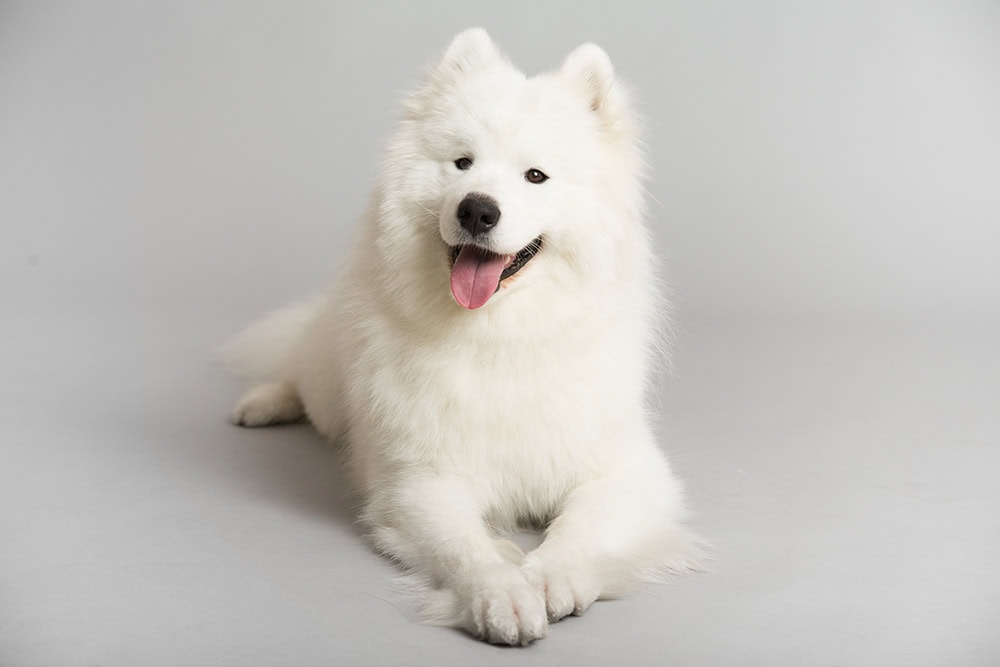
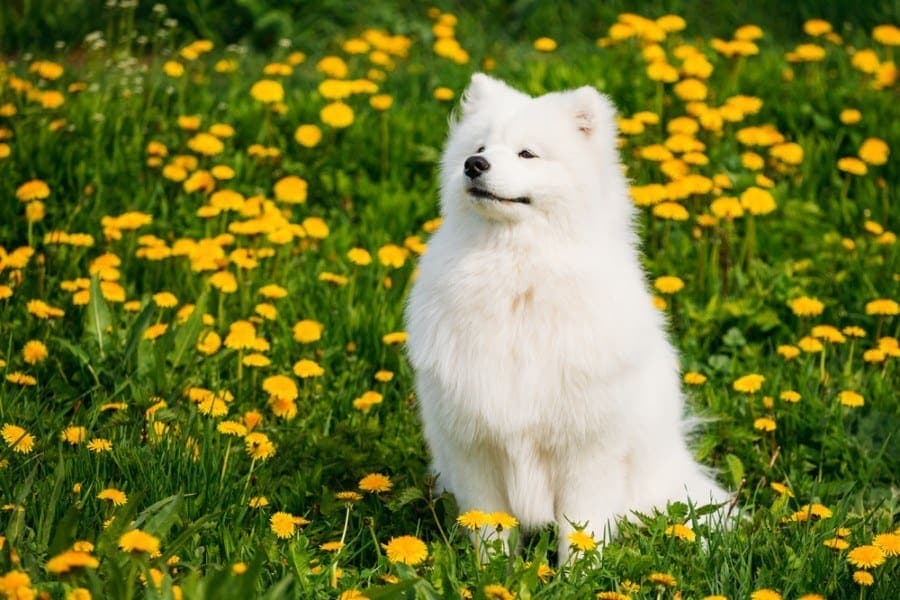
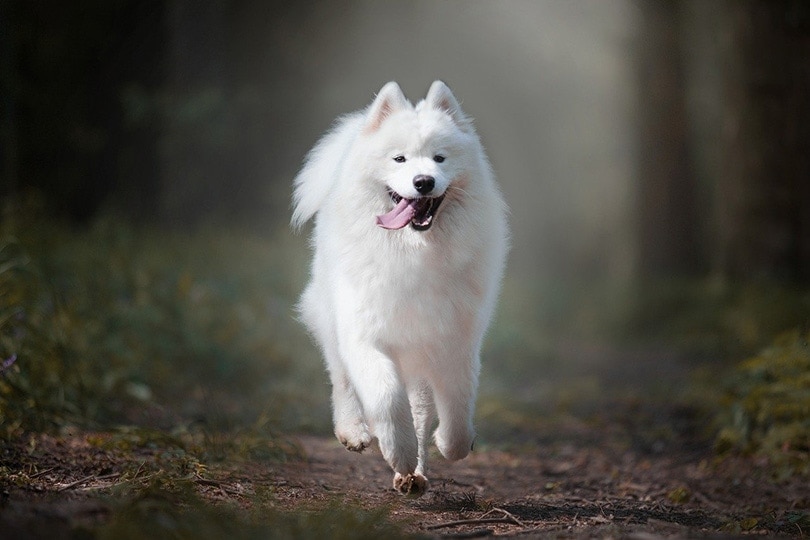
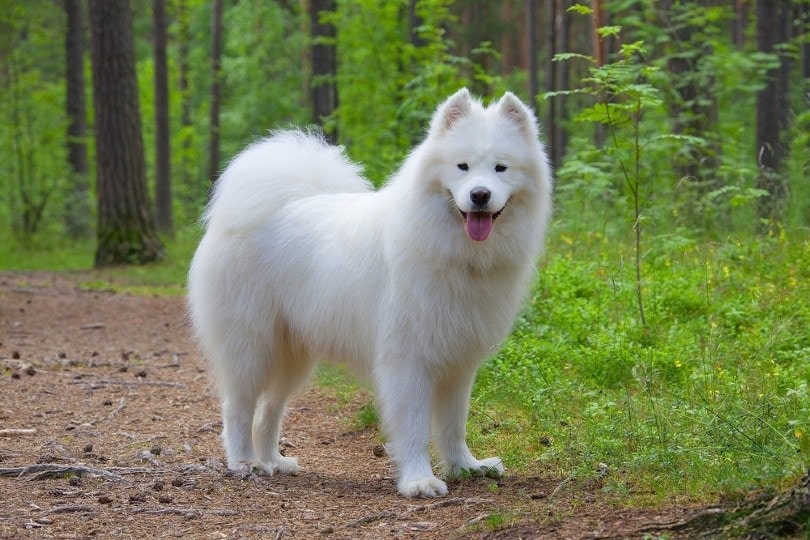
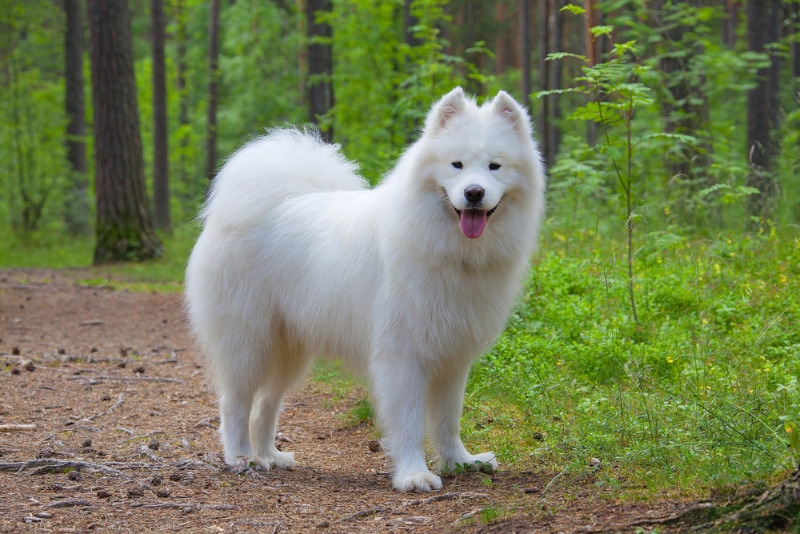
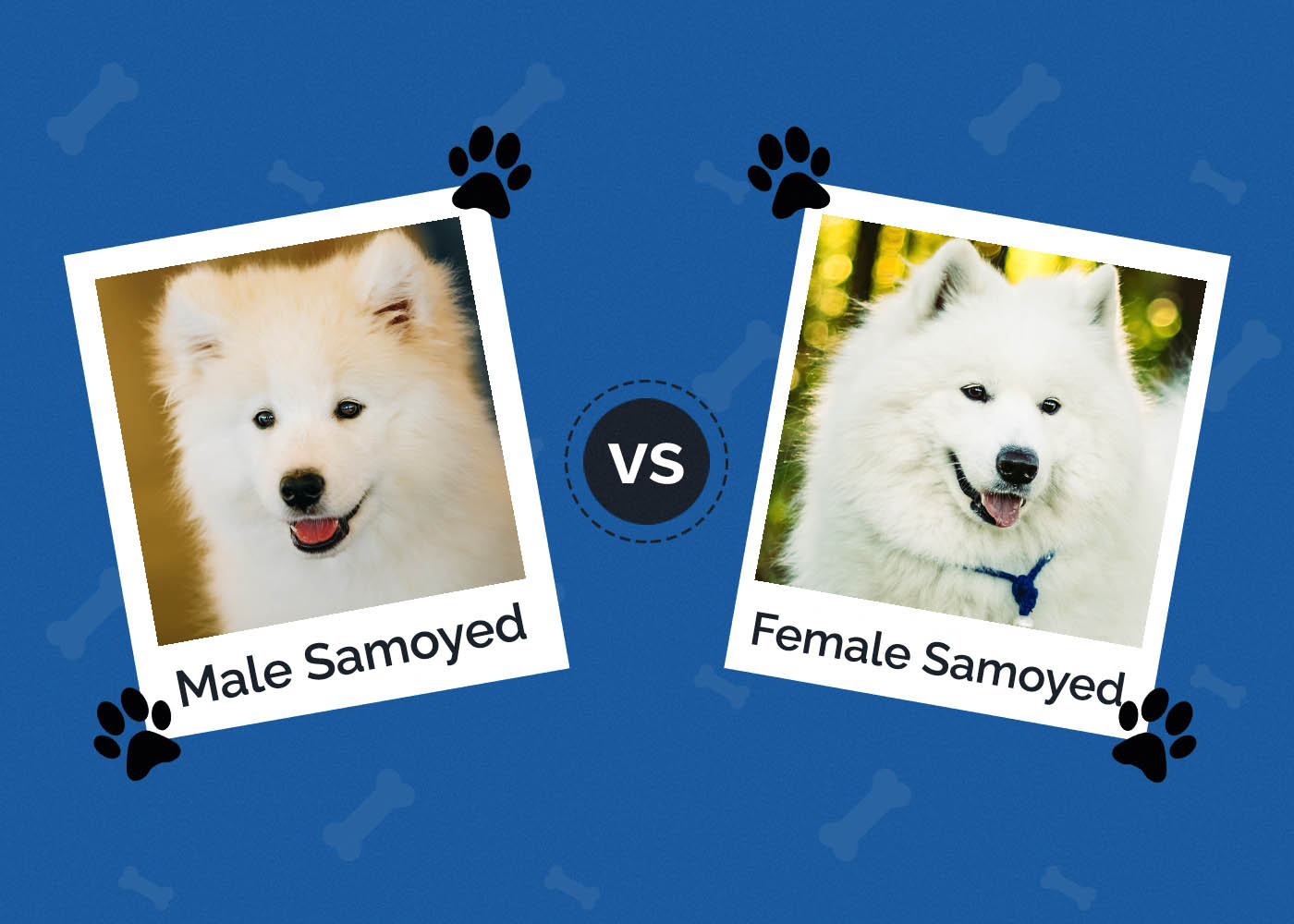
Samoyeds are intelligent, graceful dogs that work hard to create strong bonds with their human companions. This large dog breed was first developed to pull sleds in Siberia but has become an all-purpose dog that is popular among sportspeople and pet owners alike. These dogs are typically light in color, displaying white, cream, or white/biscuit coats. So, what is the difference between male and female Samoyeds?
There are a few differences between male and female Samoyeds to take note of, though most of these are subtle. It’s important to remember that all dogs are different, and each has their own unique personality and temperament. Therefore, it is impossible to know whether a boy or girl puppy will take on the specific traits that are generally attributed to one or the other of the two sexes. That said, here are the differences between male and female Samoyeds that every potential owner should know about.

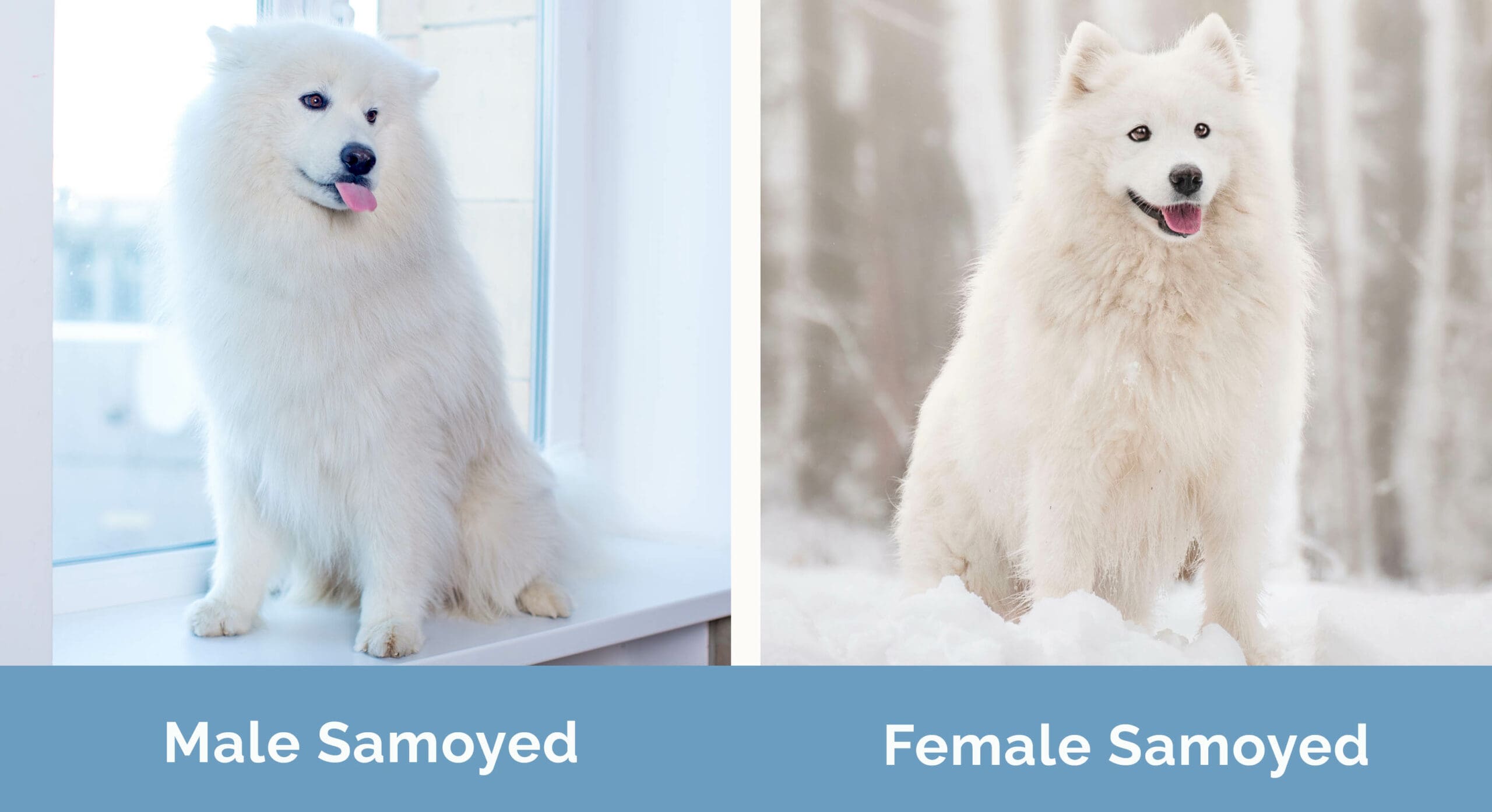
Visual Differences
At a Glance
Samoyed 101
The Samoyed dog is named after a group of seminomadic Asians who have relied on this breed since antiquity to maintain their daily lives. The dogs were originally bred to hunt reindeer, which the seminomadic group utilized for essentials like clothing, food, and even housing. As time went on, they learned how to domesticate reindeer, and the Samoyed was turned from a hunting dog to a herder.
This breed has always been considered a part of the family, sleeping in “chooms” with their owners on cold nights in the Arctic. The family loyalty that the Samoyed was originally bred with has been passed on, and today’s Samoyeds are extremely loyal and work hard to create strong bonds with their human companions. Samoyeds are also intelligent, energetic, curious dogs that can get along well in a variety of different family settings, both with and without kids.

Male Samoyed Overview
Personality / Character
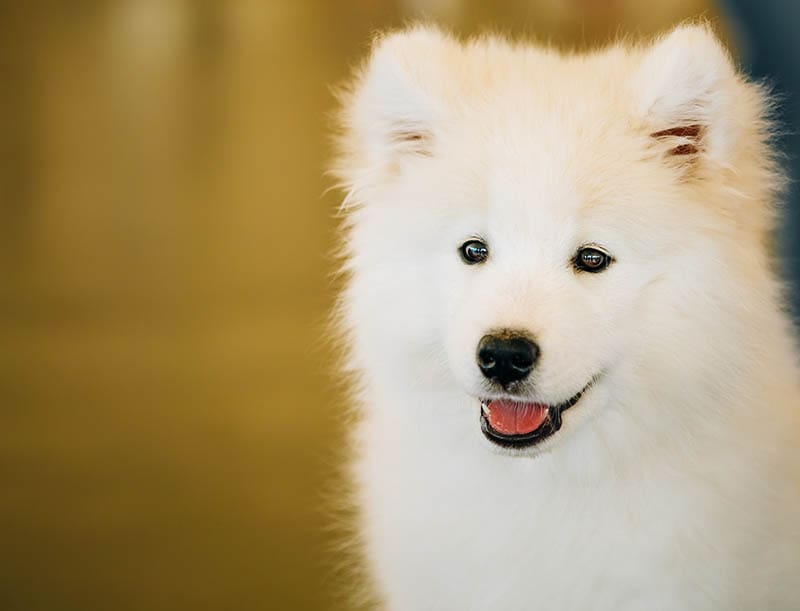
The male Samoyed is known for being extremely affectionate with their human companions. They love to snuggle and tend to act like lapdogs whenever they get the chance. They get along well with kids but can also happily spend hours on the couch. While this is generally considered an independent breed, male Samoyeds are thought to be clingier than females. They also tend to be more accepting of strangers if socialized from a young age. These are happy-go-lucky dogs that don't mind going with the flow.
Training
This dog breed is intelligent and tends to take well to training of all sorts. Males are usually slower when it comes to mastering obedience, agility, and tricks than females, but they still seem to catch on quicker than many other dog breeds. They should start obedience training as soon as they are brought home to minimize problems like destructive and unruly behavior, especially in public places.
Health & Care
Both male and female Samoyeds are typically healthy throughout their lives, but there are certain health conditions that they may be susceptible to developing, depending on things like their lineage, diet, and overall lifestyle. A few of the problems that this breed could face include eye problems, heart disease, hip dysplasia, and kidney disease.
Breeding
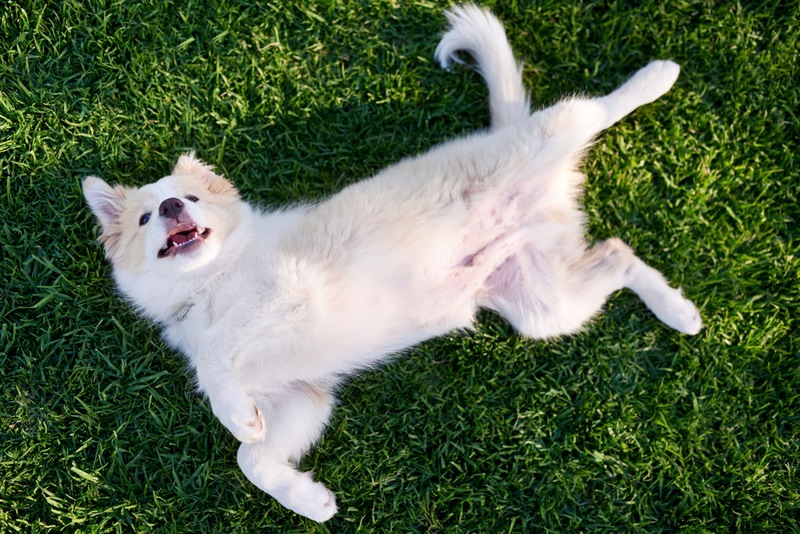
Breeding the Samoyed is like breeding any other type of dog. There are a few obvious differences, but males also tend to get more aggressive when they're ready to mate, especially if they feel that they must compete with other males for a female. Furthermore, males are more likely to try and escape to mate if they know that a female in heat is somewhere nearby.
Pros
- Extremely affectionate
- Outgoing and sociable
Cons
- Can be clingy
- Susceptible to separation anxiety

Female Samoyed Overview
Personality / Character
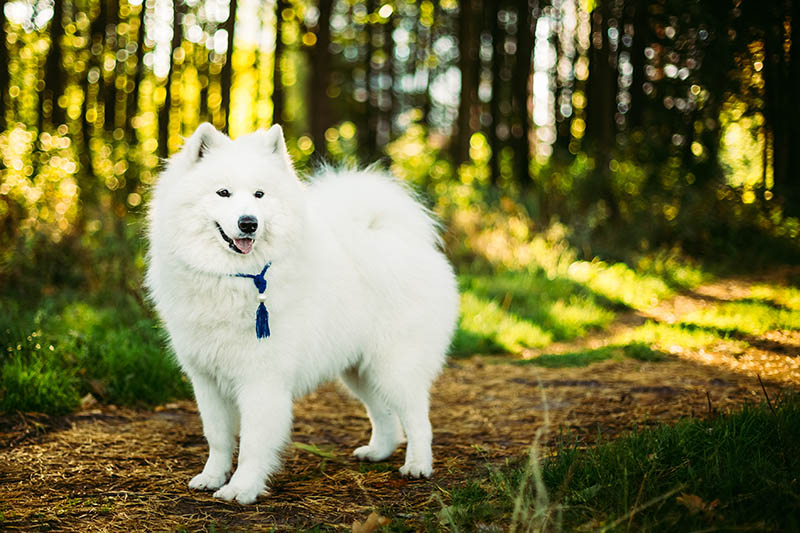
The female Samoyed is highly independent, sometimes even more so than the male. Although still affectionate with their human companions, they tend to stick to themselves more than their male counterparts. They also tend to be aloof when meeting strangers for the first time, so socialization at a young age is essential. While females can get along with kids just as well as males can, they are not usually as patient and forgiving when it comes to teasing and rambunctious behavior.
Training
Like the male Samoyed, the typical female Samoyed is smart and can be trained quickly. She usually matures faster than her male counterpart, which makes her a bit easier to train overall. However, there is no fixed rule as to which sex learns faster. Both male and female Samoyeds are generally easy to train, and all dogs learn at their own pace, anyway.
Health & Care
Like the male Samoyeds, the females are usually healthy dogs that can have long and happy lives if well taken care of. Exercise, diet, grooming, and even companionship can all play a role in a dog’s health and may induce susceptibility to the same health problems that males are susceptible to. Regular veterinarian checkups can help ensure that any problems get caught and addressed before they become too serious.
Breeding
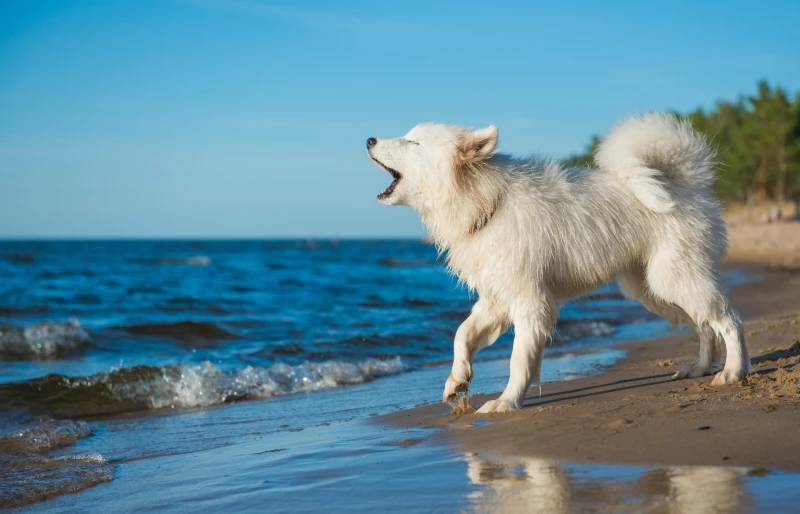
Unlike males, females tend to get more affectionate rather than aggressive when they are in heat. They are likely to rub up against their human companions when they normally would not. They may also become clingy while in heat. Some owners find this behavior endearing and take advantage of the extra cuddling time, while others find it to be overbearing.
Pros
- Not needy or clingy
- Matures faster than males
Cons
- Can be aloof with strangers
- Not as patient with children

General Stats
Breed Overview
Trait:
Height:
Weight:
Temperament:
Child Engagement:
Training:
Health Risks:

Which Sex Is Right for You?
The Samoyed is a beautiful dog breed that is loyal to their human companions and can get along well with children. There are a few physical and behavioral differences between males and females, but not enough to warrant choosing one over the other based solely on sex. Both can make awesome household pets and learn to do various tasks and jobs. It all comes down to your personal preferences.
Sources
Featured Image Credit: Grisha Bruev, Shutterstock
Get Hepper In Your Inbox


Pet care tips from our vets and experts, straight to your inbox.
You may opt-out at any time. View our Privacy Policy for more information.

Rachael has been a freelance writer since 2000, in which time she has had an opportunity to research and write about many different topics while working to master the art of fusing high-quality content with effective content marketing strategies. She lives off the grid in Hawaii with her husband, her garden, and her rescue animals including 5 dogs, a cat, a goat, and dozens of chickens. She is an artist at heart and loves to read, paint, and make jewelry in her spare time. As a vegan, Rachael is obsessed with helping animals in need both in her community and anywhere in the world where she feels she can make a difference. Animals also happen to be her favorite topic to write about!
Join the conversation
Ask a question, share your story, or send private feedback.