Hepper is reader-supported. When you buy via links on our site, we may earn an affiliate commission at no cost to you. Learn more.
How Much Exercise Does a Samoyed Need? Vet-Reviewed Facts & Health Tips


In this article
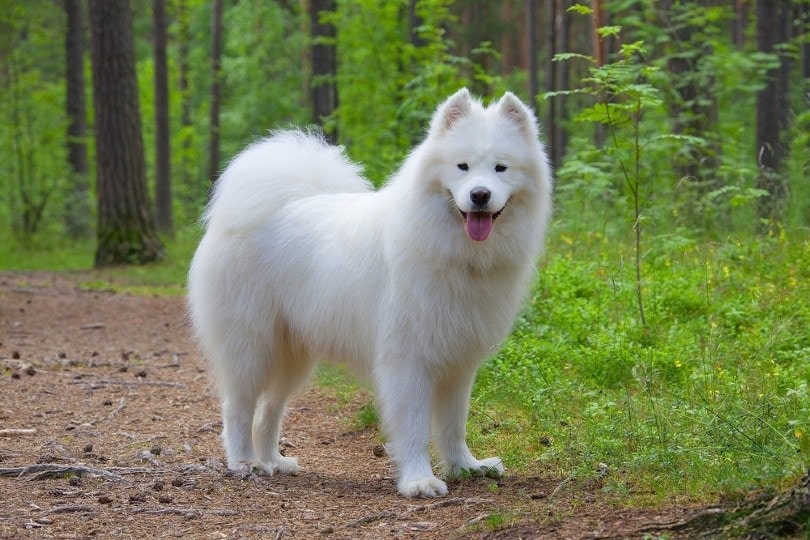
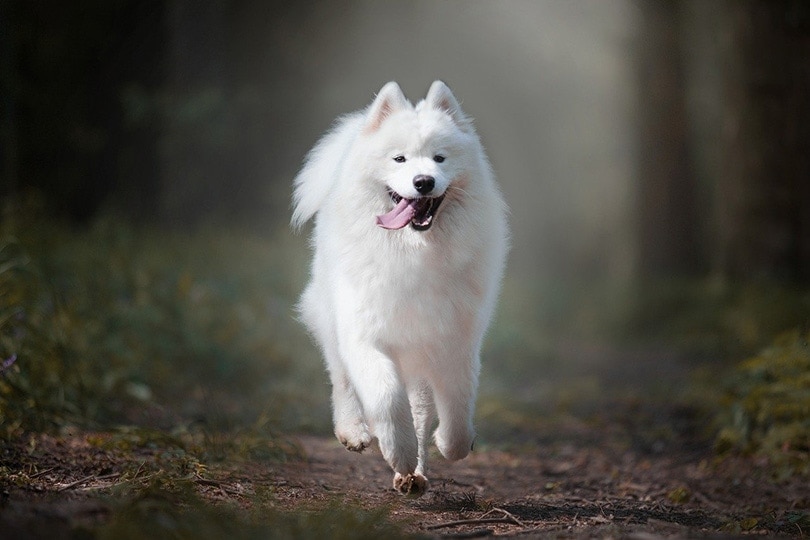
A Samoyed is a gorgeous, highly energetic, social dog that absolutely loves spending time with people. If you are thinking about adding one of these snow-white beauties to your family, you'll definitely want to learn all you can.
This breed has lots of energy. Samoyeds need at least 2 hours of exercise each day. Adopting a Samoyed might only work out well if you are compatible with their personality and energy levels. So here, we're going to discuss the energy level of a Samoyed and how you can ensure they're getting the amount of exercise they require.

Samoyed Exercise Needs
The Samoyed is an incredibly vibrant, energetic breed that requires at least 2 hours of daily exercise. They need to have high-intensity workouts that challenge them both mentally and physically.
Daily Walks
Your Samoyed definitely needs daily walks. Typically, most owners will break these up into a morning and evening stroll. Your Samoyed will get lots of stimulation from these walks, including burning energy, exploring new sites, and engaging with nature.
You should switch things up as well. A Samoyed can get a little bored with the same old routine. So, it's best to keep things interesting. Take a new route from time to time or take them to various places to have a walk.
Purposeful Activity
Your Samoyed will enjoy lots of fun activities like interactive games and long visits to dog parks. They tend to be very friendly with other animals, so they could quite enjoy a romp with neighborhood canines.
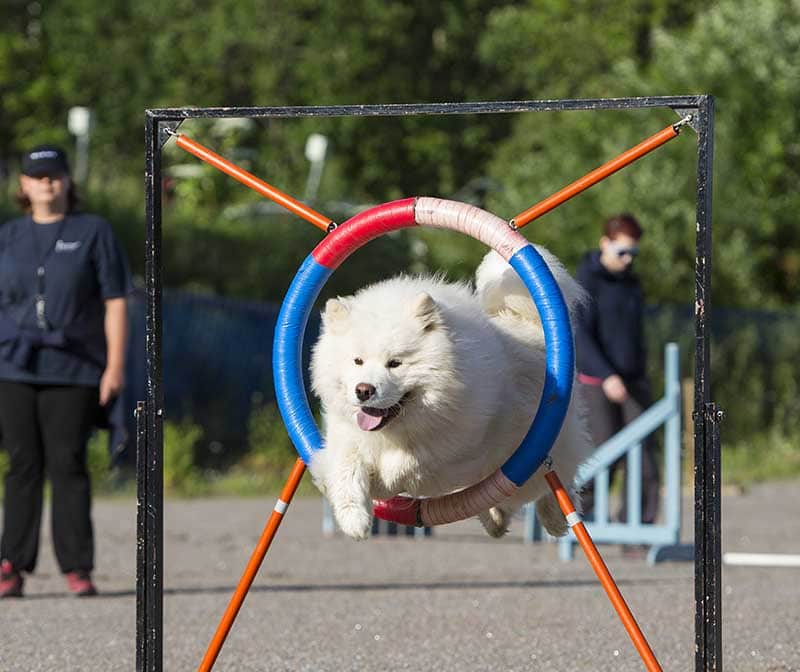
Since these dogs are very agile, they do very well with agility courses and other challenging exercises. This keeps them very stimulated and keeps things exciting.
Mental Stimulation
For a Samoyed, mental stimulation is an equally essential exercise. They love a good challenge, making them excellent candidates for puzzles, scavenger hunts, and other interactive activities. It's best to challenge them every day and prevent boredom.
If your Samoyed is bored, it can cause unwanted behaviors to develop, such as destructive tendencies.
Samoyed Stubbornness
Because the Samoyed can be so headstrong, they require a firm but loving hand, needing a trainer or owner to assert themselves as the dominant figure. If you are not dominant, your Samoyed will run the show.
Since Samoyeds are very eager to please and amiable with people, these tendencies can be controlled easily in most cases. However, this can be a challenging dog breed for first-time owners, so that is something to keep in mind.
Samoyed Puppy Exercise
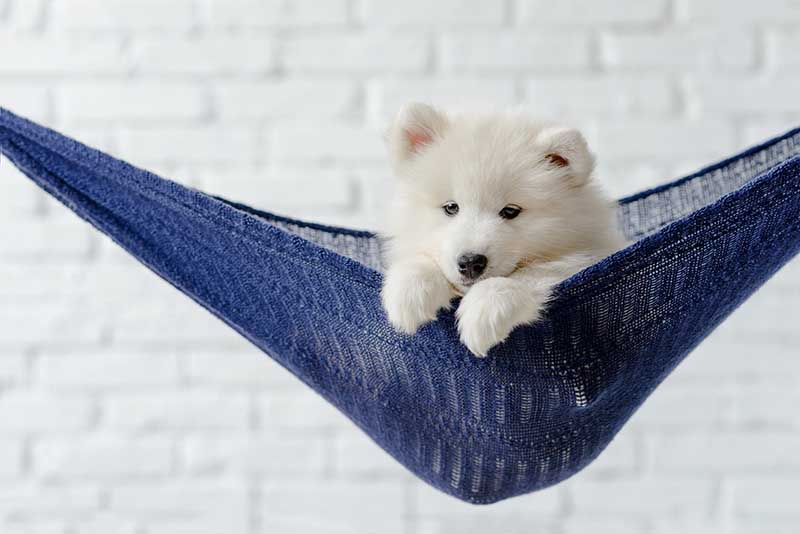
Samoyed puppies tend to be very vibrant, lively, and even hyper. Even as adults, these dogs require extensive exercise, as we have already mentioned. When they are juveniles, this exercise levels up even more.
Because of their vitality, getting them to concentrate on specific tasks can be initially hard. That's why most extensive training can't occur until they are roughly 6 months old. However, basic concepts like potty training and basic behaviors are usually picked up quickly.
Routine, consistency, and patience are key when you're raising one of these beautiful pups. As long as you tucker them out on a daily basis, they are generally easy to handle and can learn very quickly as they age.
How to Exercise Your Samoyed
Learning how to exercise your Samoyed will help you have a more fulfilling experience.
Add a Weight Pack
Samoyeds are a sled dog breed capable of carrying quite a bit of weight. If you add a backpack with some weight to your daily walks or hikes, it can burn some extra calories and deplete additional energy.
On average, your Samoyed weighs between 35 to 65 pounds. They can pull two to three times their body weight. However, we only recommend adding 10 to 15 extra pounds for a hike.
Bring Motivation
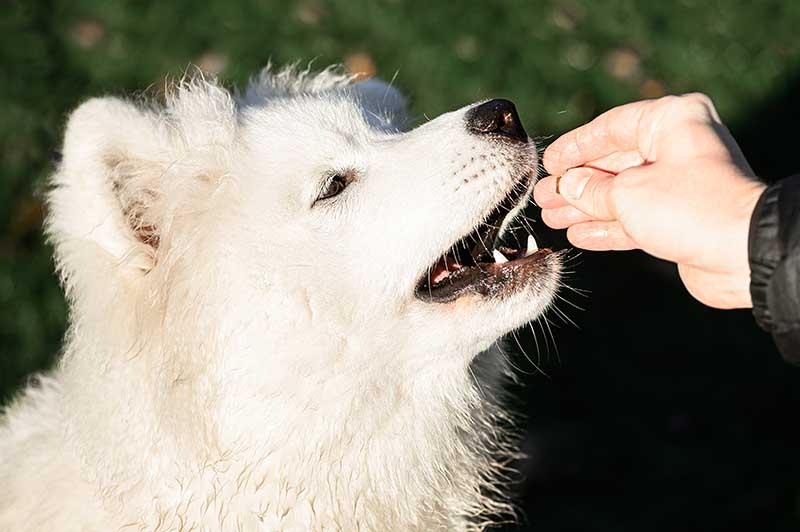
Your Samoyed will absolutely go gaga over some treats. This little edible motivator will help you keep control over your Samoyed while you are in public. They will listen better to directions and follow commands with ease.
However, beware of providing a variability of reinforcers. You'll need them to listen and show obedience without the promise of a yummy reward.
Go on Scavenger Hunts
Your Samoyed will love using their sniffer. You can take your dog on a little scavenger hunt, hiding items around the area to see if they can scout them out.
Have Them Pull Weight
Samoyeds are sled dogs at heart. They will love nothing more than to learn the job of the bloodline. You can easily train these dogs to pull sleds, making this an entertaining activity for wintertime.
Everything about the Samoyed makes them excellent for the role. So make sure that you are training them properly to achieve the best results.
The Danger of High Temperatures
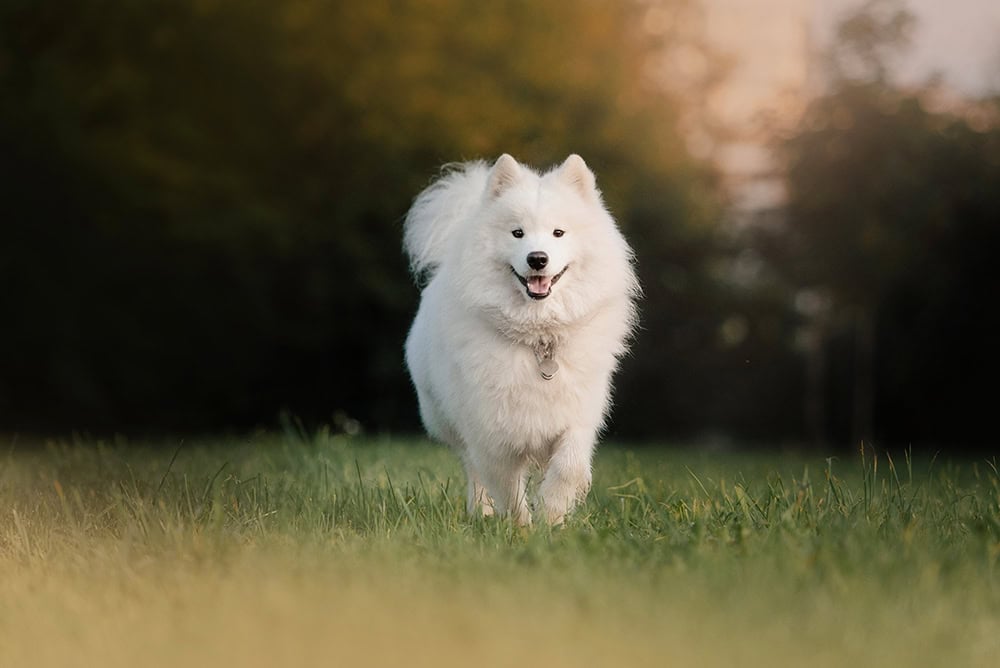
Because your Samoyed has a thick double coat, they are well equipped for cold weather. Once you start seeing the snow drop to the ground, your Samoyed is probably going crazy with enthusiasm.
They can be outdoors for extended periods, wanting nothing more than to revel in the snowy goodness. However, the same sentiment does not extend to hot temperatures. A Samoyed can get overheated very quickly, which can potentially be very dangerous and life-threatening.
Interestingly, even though these dogs have coats that equip them for cold weather, it can equally help in hot climates. Samoyeds can cool themselves down better than some short-haired breeds due to the coat’s insulation properties.
While these coats protect their skin in the winter from very cold temperatures, they have the same effect in extremely hot temperatures. The only difference is that they can still overheat if they aren't given the proper attention in these conditions.
If your Samoyed is outside for any length of time during hot temperatures, it's imperative to find shade and shelter and always have a fresh water source available.
Ideal Home for Samoyeds
Samoyeds are highly social, brilliant dogs that require an experienced owner. Even though they can acclimate extremely well to various lifestyles, including growing families, they require someone who knows how to take charge.
If they can outsmart you, you can bet they will. They can also run away, escape, and get into all sorts of mischief due to their brilliance. However, they are equally people-oriented and love time spent with their pack. This can certainly work in your favor.
Samoyeds typically do very well in homes with children and other pets. These cheerful, lively little dogs make excellent playmates and agreeable friends.
Because of their activity levels and exercise needs, they might not make the best fit for older adults or folks with specific disabilities. They also aren't the best for scorching temperatures or apartment living.
More About the Samoyed Breed
If the Samoyed’s exercise appeals to you and your lifestyle, you should know more about the breed. After all, the snow-white Eskimo look of this dog has likely captivated you already. So let's get to know them a little better.
Origin
The Samoyed hails from Siberia. These dogs emerged in the 19th century to pull sleds on Arctic expeditions. They were tasked to help the Samoyede tribe members hunt, herd reindeer, and pull sleds.
These dogs are working dogs, able to perform a number of tasks with efficiency and an impeccable sense of direction. They quickly became popular because of their personable nature and agreeable temperament.
Personality
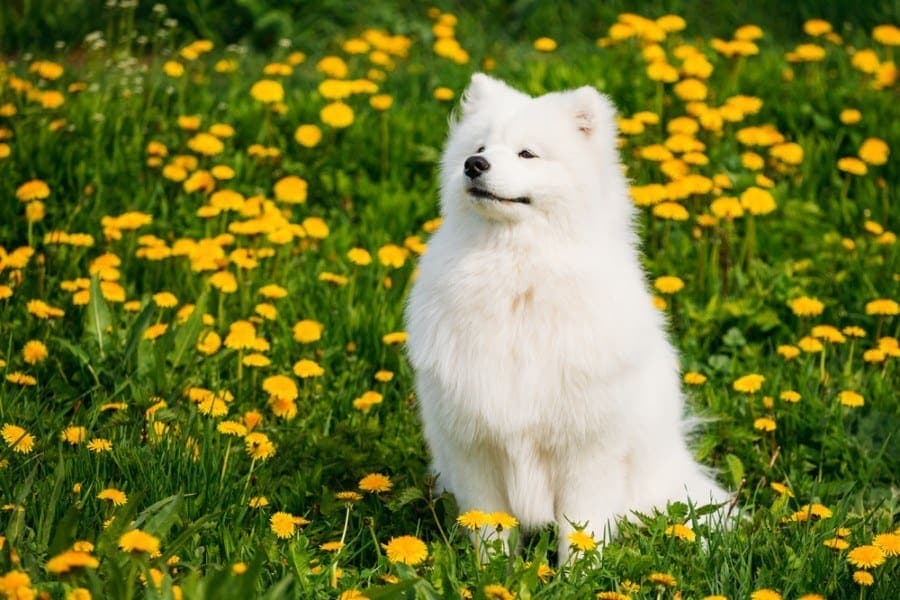
Much as their cheerful expressions would lead you to believe, the Samoyed is a notoriously friendly, happy dog with lots of love to give their family. These animals become incredibly close with their family members and form lifelong attachments.
Because of their willingness to please and ability to adapt, they make excellent additions to growing families. They make wonderful playmates for children, permitting that they are socialized from an early age.
The Samoyed is a decently vocal breed. This is especially true if they are left alone for long intervals of time. Samoyeds without proper socialization can turn into nuisance barkers, which can be problematic for certain families.
However, if you have the time to spend with this breed, the relationship you form will be equally rewarding.
Training
Because they have a natural eagerness to please, the Samoyed is an excellent candidate for training. You can rest easy knowing that simple concepts like potty training and basic commands will be implemented with ease.
These dogs can even learn very complicated tasks and absolutely love to work. So if you would like your dog to haul, pull, or round up anything around your property, they will certainly lend a helping hand.
The Samoyed has a reputation for being somewhat mischievous, so you need to keep that in mind during the training period. It is important to be steady and consistent, always ruling with a firm but loving hand so you can maintain the alpha authority.
However, these dogs are extremely sweet and personable. When training a dog, you should never resort to any punishment.
Health
Samoyeds are hearty dogs. They were designed to have exquisite health. Regular vetting from an early age allows you to get ahead of any developing health issues that might crop up. But overall, this breed is pretty solid in the health department.
Just like any other breed, there are certain conditions that might crop up. Most of these can be weeded out by buying from reputable breeders producing genetically strong bloodlines.
Some genetic health conditions include:
Price
When you get a Samoyed puppy, you'll want to do so responsibly. These dogs are relatively rare, so finding a breeder may be difficult at first. It might involve being on a lengthy waiting list or traveling to obtain a puppy.
We highly discourage buyers from resorting to Samoyeds from pet shops or puppy mills. Often these dogs have not been bred responsibly and can have several health issues and personality defects.
If you find a Samoyed from a reputable breeder, you will likely have to put down a deposit & a puppy contract. Puppy contracts ensure that in the event you're unable to take care of your Samoyed in the future, that puppy will go back to the breeder rather than a shelter. It is a fantastic measure put in place to ensure the safety of the dog.
Most generally, you can expect to pay between $1,200 to $2,200 for a pet. If you want show quality, you can pay upwards of $3,500. Purchasing an adult Samoyed from a rescue or shelter generally will cost between $150 to $450.
Conclusion
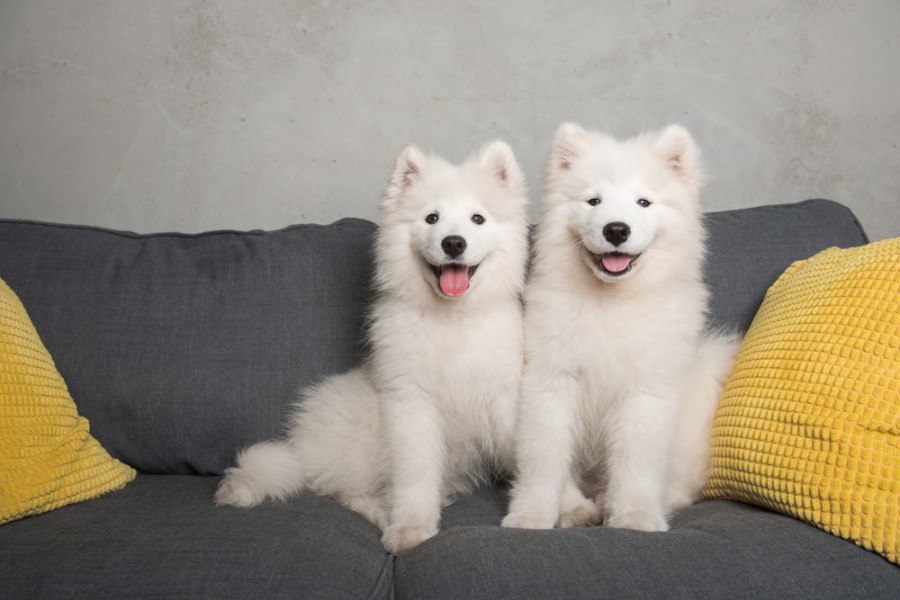
So now you know that Samoyeds need plenty of exercise. You can help them burn these calories by engaging in work-intensive exercise with them. It would be best if you offered daily walks and a series of other activities to keep them busy.
If you can give them the active lifestyle they want, they make incredibly wonderful companions for a variety of lifestyles. Are you interested in bringing one of these adorably fluffy pups home? If so, remember to buy from a reputable breeder.
Related Read: Do Miniature Samoyeds Exist? Interesting Breed Facts
Featured Image Credit: xxxnik, Pixabay
Get Hepper In Your Inbox


Pet care tips from our vets and experts, straight to your inbox.
You may opt-out at any time. View our Privacy Policy for more information.
Ashley Bates, a freelance writer with a passion for pets, is currently studying animal therapy. She is a mother to four children and 23 pets, both furry and feathery. Ashley actively volunteers at local shelters, advocates for animal welfare, and rescues animals in distress. Her mission is to promote awareness, education, and entertainment about pets to help prevent animal homelessness. She specializes in the care and well-being of dogs and cats.
Join the conversation
Ask a question, share your story, or send private feedback.