Hepper is reader-supported. When you buy via links on our site, we may earn an affiliate commission at no cost to you. Learn more.
How Big Do Samoyeds Get? Average Weight & Growth Chart
In this article
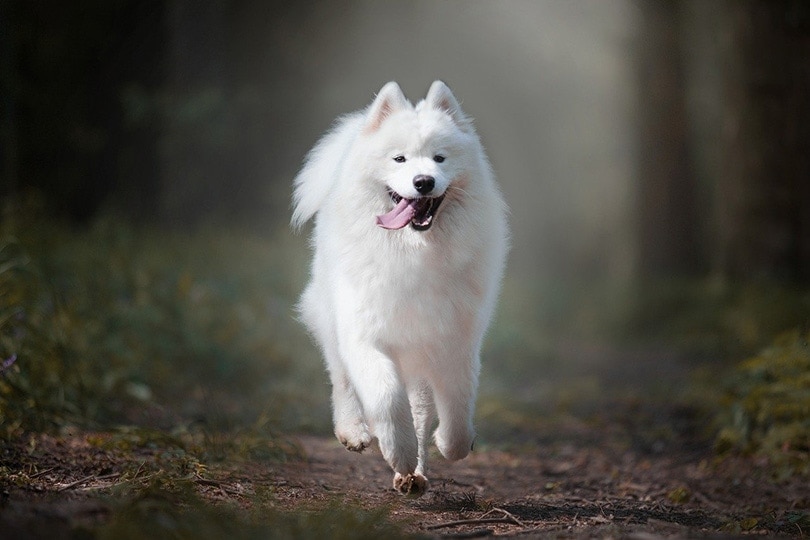
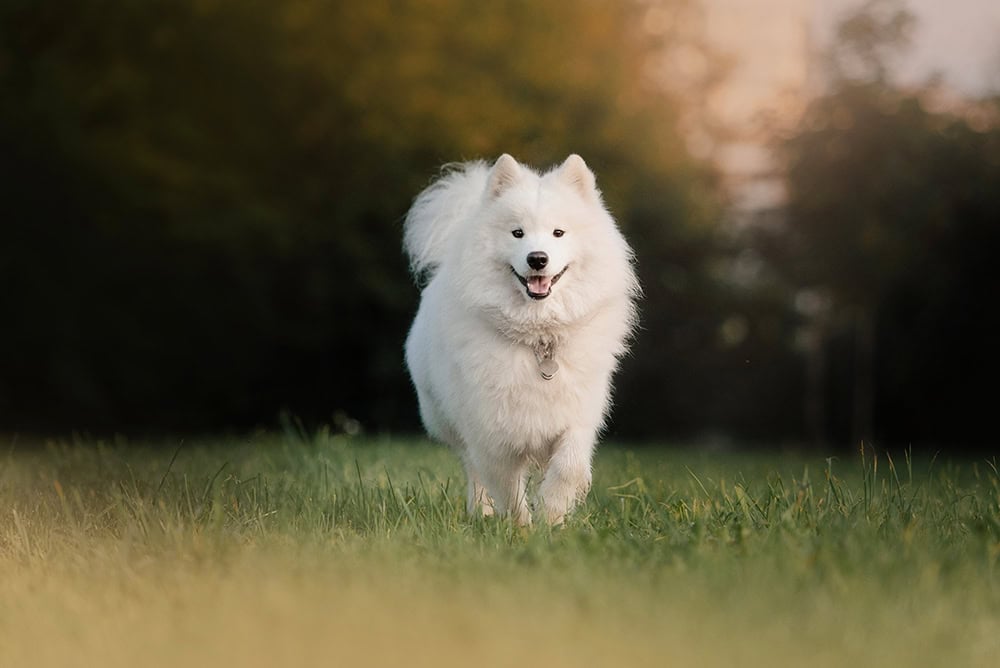
Samoyeds are a breed of dog known for their friendly disposition and beautiful, thick white coat. Originating from Siberia, they were bred to help with herding and pulling sleds in the cold, harsh conditions. This guide provides an overview of the typical growth and size of Samoyeds, factors that can affect their size, and tips on maintaining a healthy weight. In general, Samoyeds can grow up to 50–65 pounds and 21–23.5 inches in length.

Breed Overview
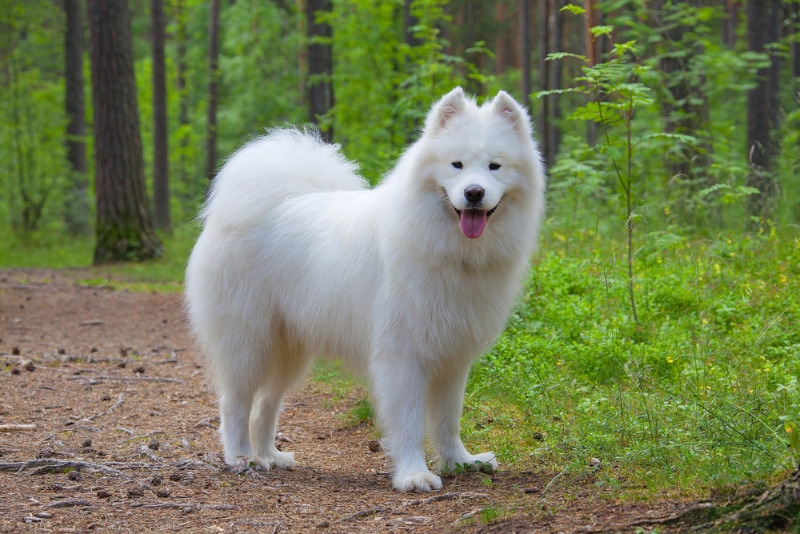
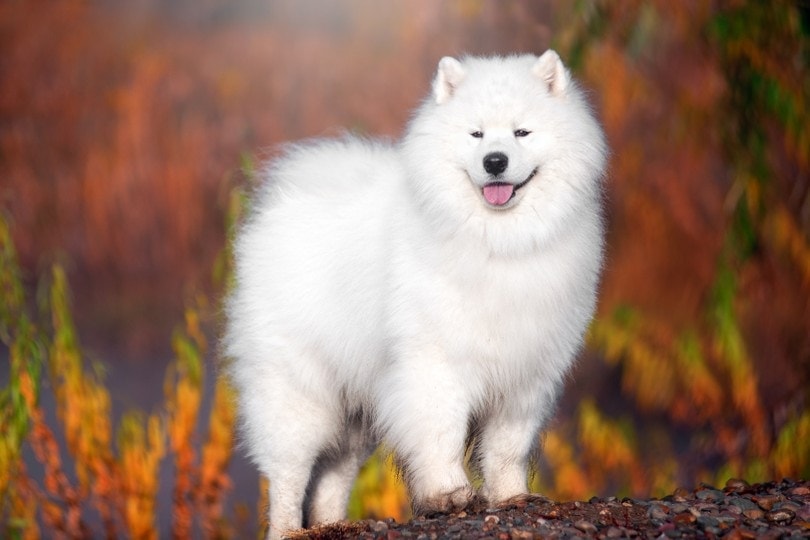
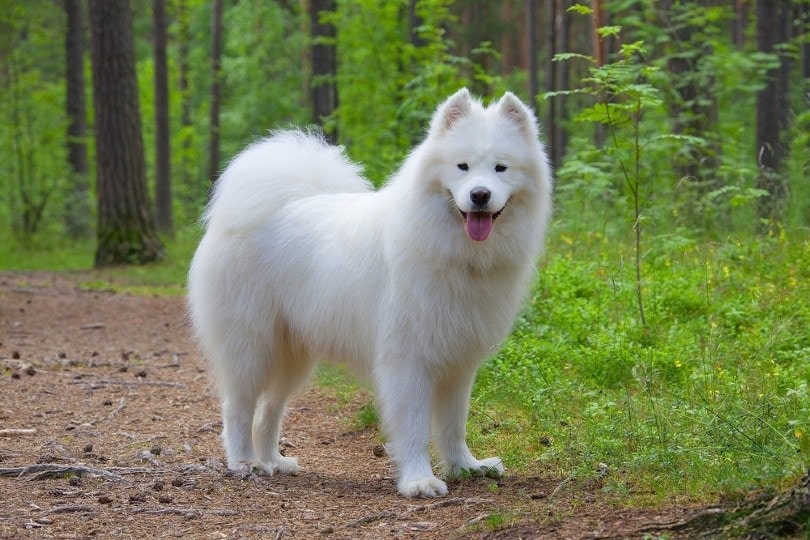
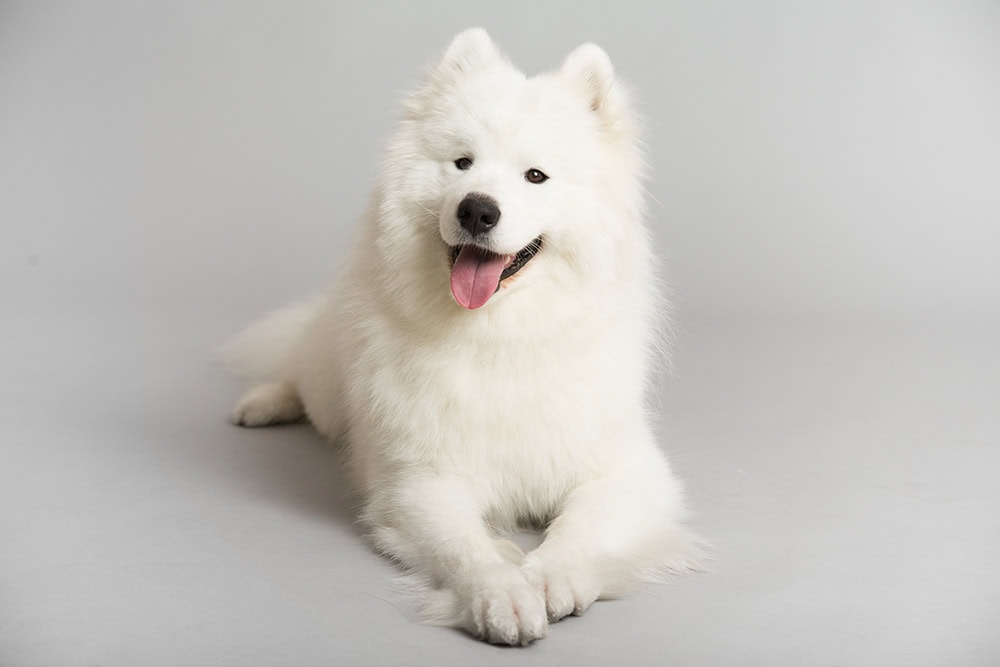
Samoyeds, often referred to as "Smiling Sled Dogs," are a large breed known for their gentle and friendly nature. They are highly adaptable, intelligent, and make excellent family pets. They have a robust and muscular body covered with a dense, double-layered coat that can withstand extreme cold temperatures. Their striking white fur and almond-shaped eyes add to their aesthetic appeal. They are active and require regular exercise to maintain their health and happiness.
Size and Growth Chart
The following is a general size and growth chart for Samoyeds, which are considered a large dog breed. Keep in mind that individual growth can vary based on various factors including diet, environment, and genetics.
| Age | Weight Range | Length Range |
| 3 months | 17–23 pounds | 12–14 inches |
| 6 months | 35–45 pounds | 16–18 inches |
| 9 months | 45–55 pounds | 19–21 inches |
| 12 months | 50–60 pounds | 20–22 inches |
| 14 months | 50–65 pounds | 21–23.5 inches |
When Does a Samoyed Stop Growing?
On average, a Samoyed stops growing around 14 months of age. However, some may continue to fill out and gain weight until they are about 2 years old. It's important to remember that each dog is unique, and growth can vary.
Factors Affecting the Size of Samoyeds
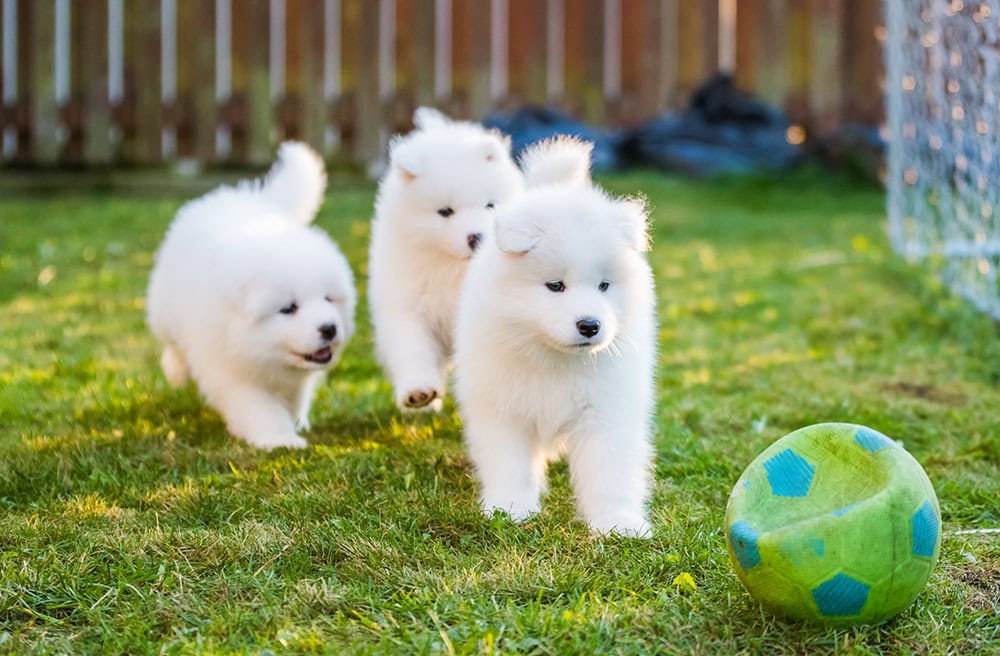
Several factors can affect the size of a Samoyed. Genetics plays a significant role – a pup from larger parents is likely to grow larger than one from smaller parents. Nutrition is another crucial factor; a balanced diet promotes healthy growth. Lastly, the overall health and activity level of the dog can influence its size and growth.

Ideal Diet for Maintaining a Healthy Weight
Choosing the Right Dog Food
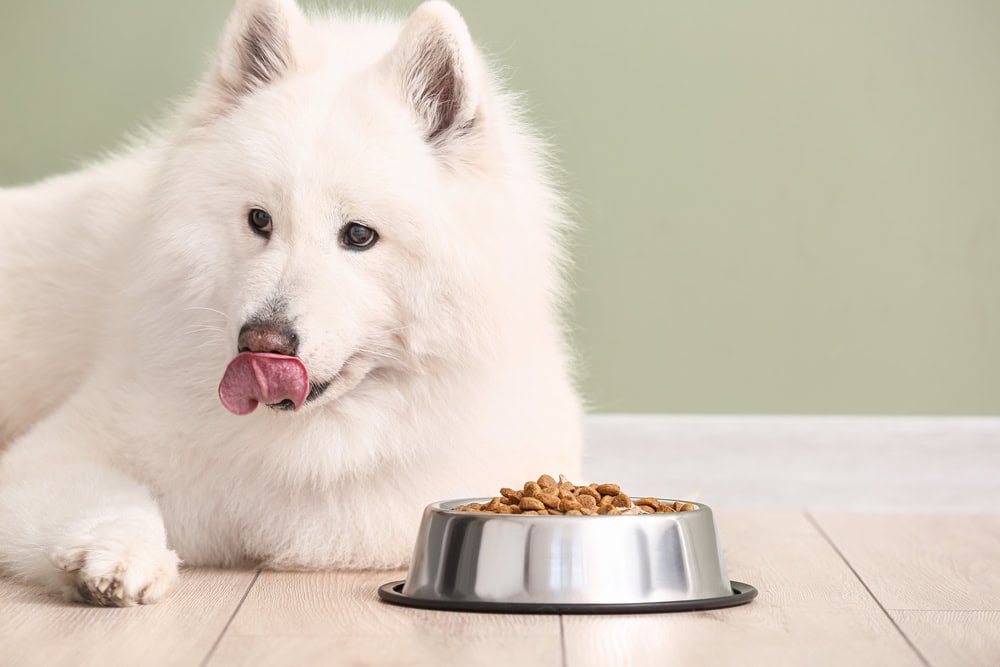
When it comes to feeding your Samoyed, start by choosing a high-quality dog food formulated for large breeds. These are created with the nutritional needs of larger dogs in mind, providing an appropriate balance of nutrients and the right amount of calories.
The Importance of Protein
Your Samoyed's diet should be rich in meat-based protein. Protein is essential for building and maintaining their muscular bodies and aids in repairing body tissues. A specific meat source should always be listed as the first ingredient (i.e., chicken, beef, lamb, etc.). Avoid dog foods with generic meat ingredients (i.e., “meat meal,” “meat by-products”).
Balanced Carbohydrates and Fiber
Carbohydrates and fiber are also critical components of your Samoyed's diet. Choose complex carbohydrates like sweet potatoes or brown rice over simple ones, as they provide steady energy release. Additionally, fiber aids in digestion and promotes a feeling of fullness, helping to maintain a healthy weight.
Beneficial Fats
Don't forget about fats. Good fats, particularly omega-3 and omega-6 fatty acids, are beneficial for your Samoyed's coat, skin, and general health. They aid in absorbing vitamins and provide a source of energy.
Portion Control and Regular Check-ups
While feeding your Samoyed, pay attention to portion sizes to avoid overfeeding, which can lead to obesity and related health problems. Use the feeding guidelines on the dog food package as a starting point, and adjust based on your dog's age, weight, and activity level. Regular weight checks and consultations with a veterinarian or canine nutritionist can ensure your Samoyed maintains a healthy weight.
How to Measure Your Samoyed
To measure your Samoyed's height, have them stand on a level surface. Measure from the floor to the top of their shoulder blades. To measure their length, start at the base of the tail and measure to the tip of their nose.
When measuring your Samoyed’s weight, it will be easiest if you can train them to sit on a scale. However, at least while your Samoyed is still small, you can weigh yourself, then weigh yourself holding your Samoyed, and subtract your weight. The difference is how much your Samoyed weighs.
Your vet can also measure your Samoyed’s height, length, and weight at their regular checkup.
Conclusion
Samoyeds are more than just a pretty face. Their friendly disposition, adaptability, and intelligence make them a wonderful addition to many families. With their need for regular exercise and grooming, they remind us that owning a pet is a commitment – but one that comes with immeasurable rewards. Hopefully with this guide, you have learned what size your Samoyed should be at different life stages and how to help them maintain a healthy weight.
You might also be interested in:
Featured Image Credit By: Darya Komarova, Shutterstock
Get Hepper In Your Inbox


Pet care tips from our vets and experts, straight to your inbox.
You may opt-out at any time. View our Privacy Policy for more information.

Nicole is a lover of animals of all sizes but is especially fascinated with the feline variety. She’s the proud mom of Baby, a Burmese, and works every day so he can relax in the sunshine or by the fire. She’s always had a cat in her home and has spent countless days with others, observing behaviors and softening up even the grouchiest of the lot. Nicole wants to share her kitty expertise with you so you and your cat can live happy, healthy, and care-free.
Join the conversation
Ask a question, share your story, or send private feedback.