Hepper is reader-supported. When you buy via links on our site, we may earn an affiliate commission at no cost to you. Learn more.
6 Great Scents to Help Calm Your Cat: Vet-Approved Aromatherapy


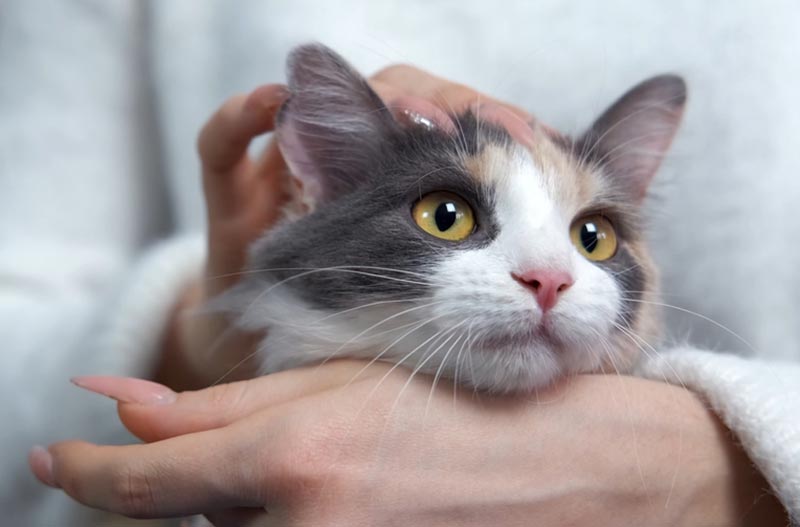
A cat’s world is filled with thousands of scents, and they use their sense of smell to communicate with other felines. Its importance is evident when you consider that cats have 40 times the scent receptors humans do.1 Olfaction is an ancient sense and critical for survival. It can stir powerful memories and associations for both people and cats.2 If your cat is suffering from anxiety, we recommend that you get them checked out by your veterinarian.
Felines don’t like some scents, such as citrus, which is also toxic to them.3 However, some are pleasing to our cats for various reasons. Let’s check out what some of these good scents for cats are down below.

The 6 Scents to Help Calm Cats
1. Catnip (Nepeta cataria)
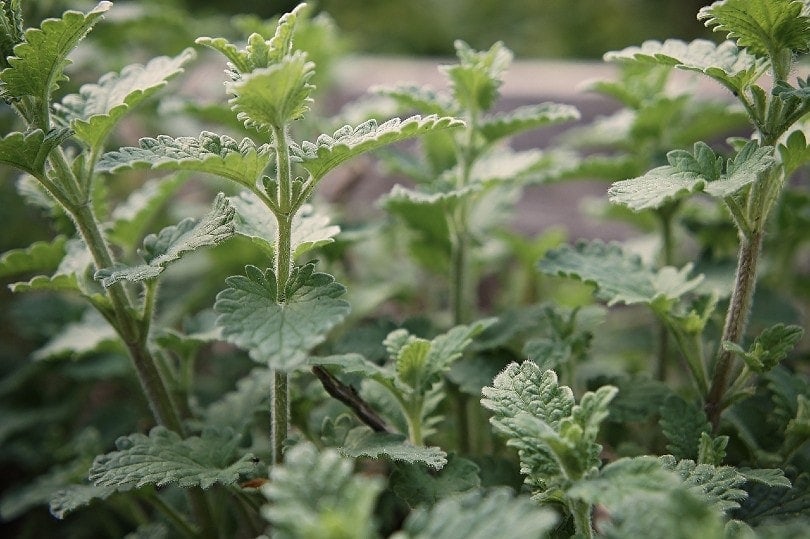
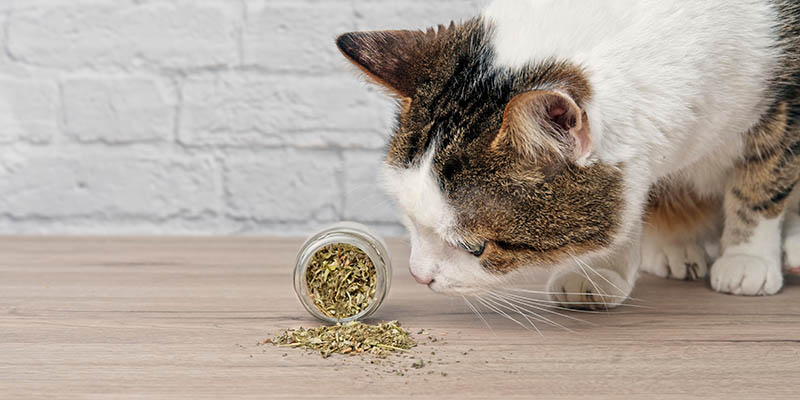
We’d be remiss if we didn’t put catnip at the top of our list. It has a euphoric effect on some cats, causing them to roll around and act silly. Interestingly, large cats, like lions, behave similarly when given this aromatic plant. However, not all felines are affected by it. Tigers, cougars, and bobcats don’t get the zoomies after ingesting it.4 About one-third of domesticated cats are also unaffected.5
The calming effect comes from the stress release and the nap that follow the outburst. It’s worth noting that your cat won’t get addicted to it. It doesn’t affect its brain that way, nor is it harmful to your pet. The chemical affecting cats is nepetalactone, which plants produce to repel pests.6
2. Valerian (Valeriana officinalis)
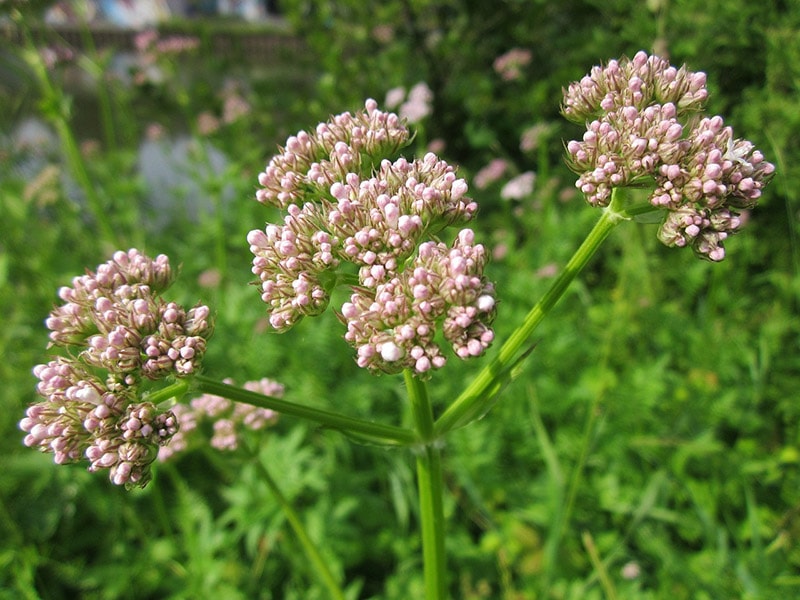
Valerian is a Eurasian plant that was introduced to North America. It causes a similar catnip response as our last entry. Research has shown that about 50% of felines respond to it.7 It will also make your pet drowsy. Research has identified a chemical called gamma-aminobutyric acid (GABA) in the plant.8 GABA inhibits nerve cells or neurons from firing. That explains its relaxing effect on your cat.
The plant grows throughout most of the United States. Folklore use includes treating anxiety and insomnia.9 Like catnip, it isn’t harmful to your kitty.
3. Tatarian Honeysuckle (Lonicera tatarica)
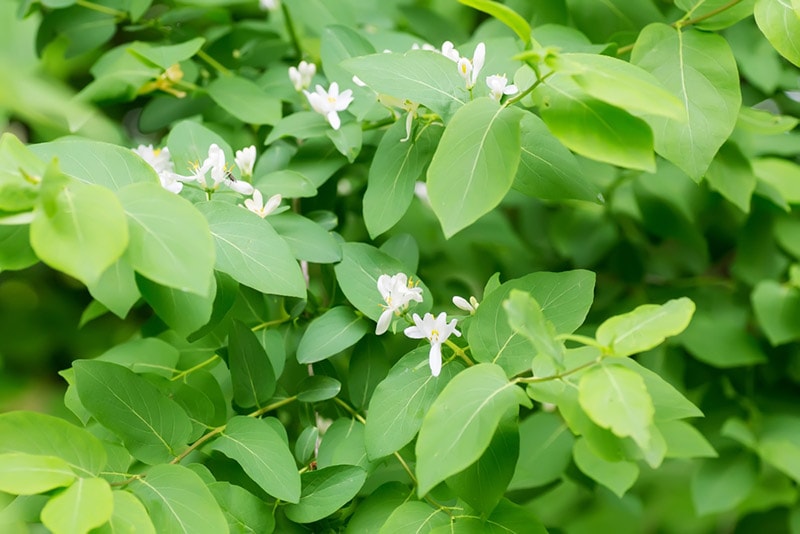
Scientists have explored different ways to provide olfactory enrichment for treating stress and behavioral problems. One plant that has come across the radar is Tatarian Honeysuckle. It is a perennial shrub that was introduced to North America. As you may expect from its name, this plant is aromatic, with showy flowers that attract butterflies, bees, and birds.
About 50% of cats respond to its scent. Surprisingly, the plant affected about one-third of the felines that didn’t react to catnip. However, its berries are mildly toxic to pets.
4. Silver Vine (Actinidia polygama)
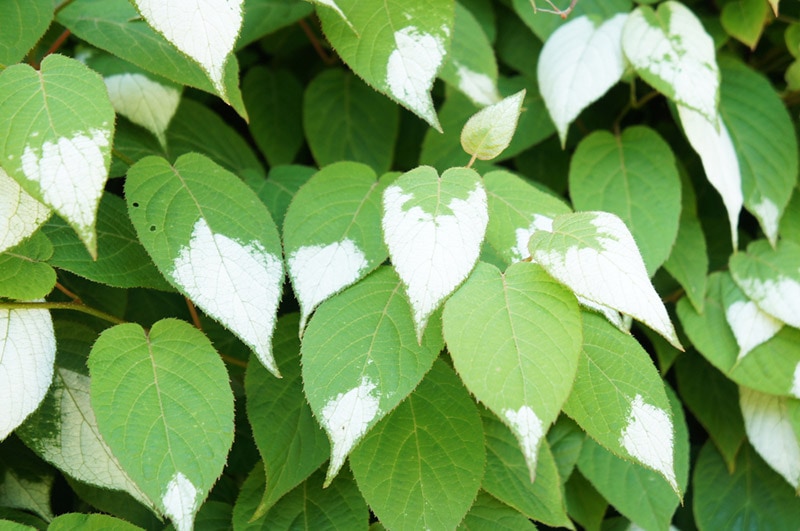
This one is probably another plant unfamiliar to many. However, it packs a serious punch when it comes to eliciting a response from cats. Research has shown nearly 80% response to Silver Vine, exceeding the number for catnip.
Scientists used a powder derived from dried fruit gall to test the feline participants. While tigers were indifferent, bobcats acted like kittens when given it.
The chemical responsible for the cat's reaction is actinidin. It has insect-repellent properties like the one in catnip. It is also found in valerian.
5. Familiar Scents
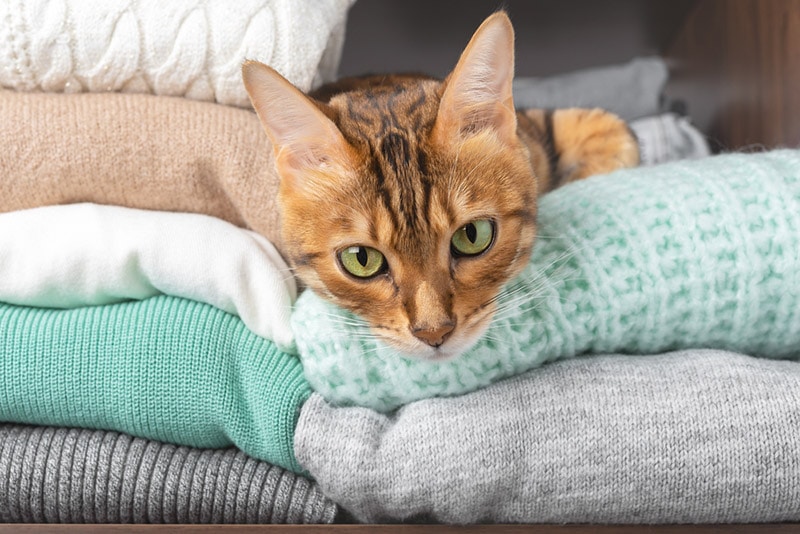
We know that we bond with our cats. You’ve probably seen your pet sleep on your clothes or in your favorite chair. They’re attracted to your scent because it’s familiar to them. It’s not surprising that it would have a calming effect on felines. However, cats are more discriminating when it comes to their sense of smell.
While cats may snuggle up on your bed, an article of your clothing won’t relax them as much as the real thing, i.e., you being in the room. On the other hand, dogs are more likely to find some comfort in your scent alone.
6. Pheromones
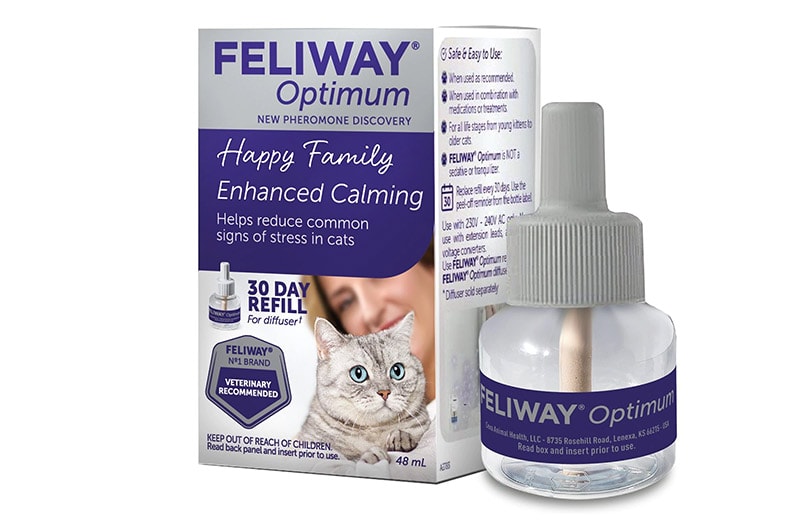
Another way cats communicate non-verbally is through pheromones. These chemicals signal when other felines are present and are a vital part of the mating ritual. They also mark an animal’s territory. When your cat rubs up against you, it’s claiming you as theirs. We can’t smell the scent they’re leaving behind, but it doesn’t matter—they can.
Feliway is a product that replicates these pheromones to lend a calming effect to a stressed pet. It can help a cat transition to a new home or help treat behavioral problems.
Signs of a Stressed Cat
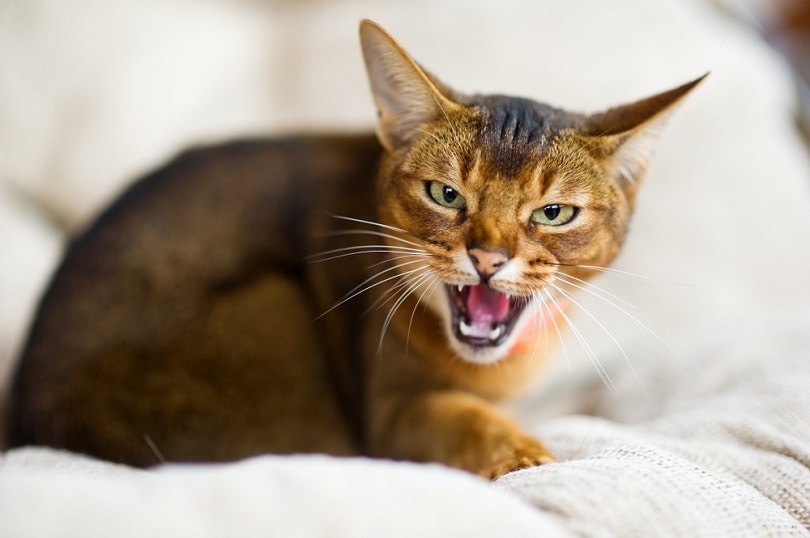
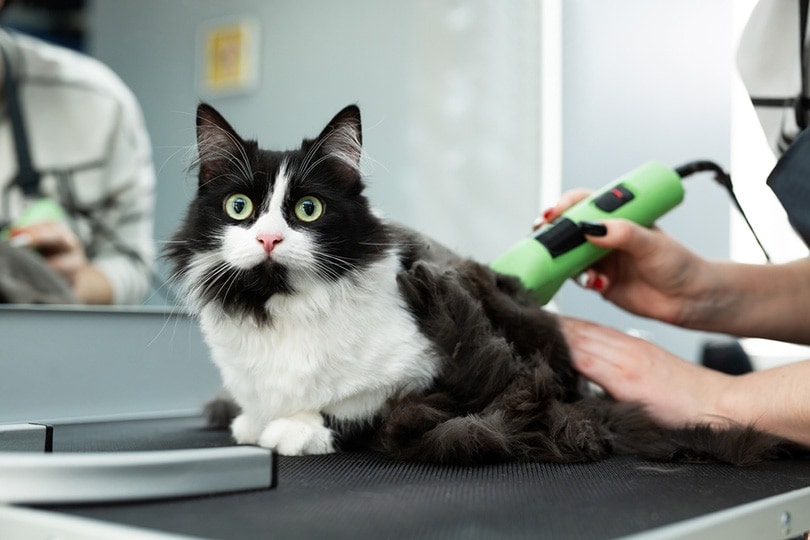
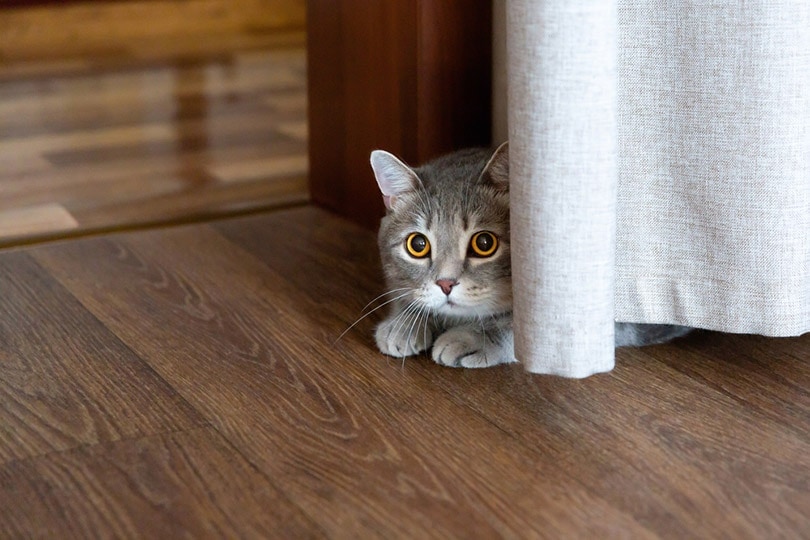
Stress can be acute from a one-off occurrence or chronic when it is a prolonged condition. A vet exam is an example of the former. Your cat may respond with an aggressive posture, or it may try to hide or breathe heavily. These are fight-or-flight responses that any animal—or human—may assume.
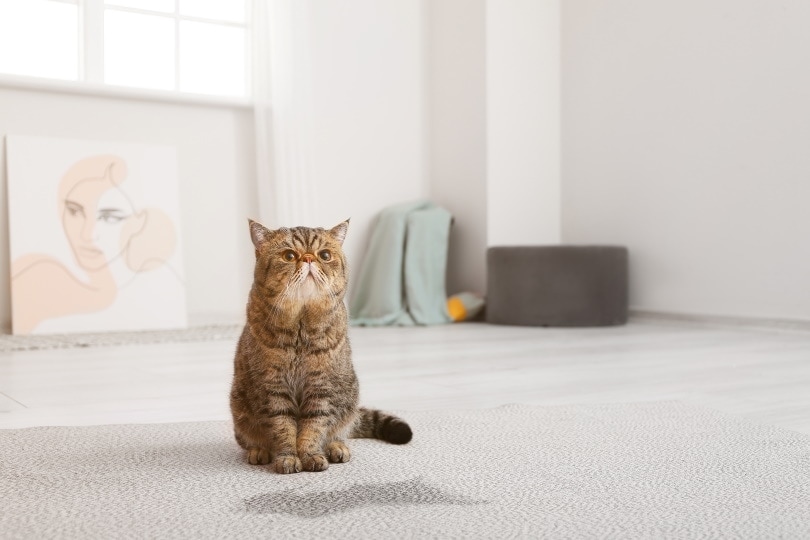
Chronic stress occurs when something has changed for the worse in your cat’s world. It could be another pet or a change in its environment. Stressed animals may vocalize more than usual. Some become lethargic. It can also lead to unwanted behavior, such as inappropriate elimination. Using calming scents offers an excellent way to reduce stress and the risk of health conditions it may cause.
If your cat isn’t acting itself, it’s essential to act promptly. An animal showing signs of distress has been likely been dealing with something unpleasant for a while.
Conclusion
A stressed cat isn’t happy. It’s even worse if it is a chronic condition. Scents that can calm your pet are a godsend and can restore peace in your home. The attractants are excellent options to help your pet settle down without you having to worry about any side effects. However, the best solution is to minimize drastic changes in your household to avoid stressing your cat.
Sources
https://www.aspca.org/pet-care/animal-poison-control/toxic-and-non-toxic-plants/lemon
https://academic.oup.com/jhered/article-abstract/53/2/54/873400
https://bmcvetres.biomedcentral.com/articles/10.1186/s12917-017-0987-6
https://www.webmd.com/vitamins/ai/ingredientmono-464/gamma-aminobutyric-acid-gaba
https://www.sciencedirect.com/science/article/abs/pii/S0168159121002318
https://www.frontiersin.org/articles/10.3389/fvets.2022.928943/full
https://www.sciencedirect.com/science/article/abs/pii/S0168159109003554?via%3Dihub
Featured Image Credit: Gadzick, Shutterstock
Get Hepper In Your Inbox


Pet care tips from our vets and experts, straight to your inbox.
You may opt-out at any time. View our Privacy Policy for more information.
Chris is an experienced pet writer specializing in science topics, with a particular passion for health and the environment. She has been a writer for over 15 years and lives with her husband and three cats in Michigan.
Beyond writing about cats and dogs, Chris loves to learn about wine. She has WSET 1 and 2 certifications and is currently pursuing her Certified Wine Specialist Award (CSW).
Join the conversation
Ask a question, share your story, or send private feedback.