Hepper is reader-supported. When you buy via links on our site, we may earn an affiliate commission at no cost to you. Learn more.
6 Homemade Litter Attractants (With Pictures)


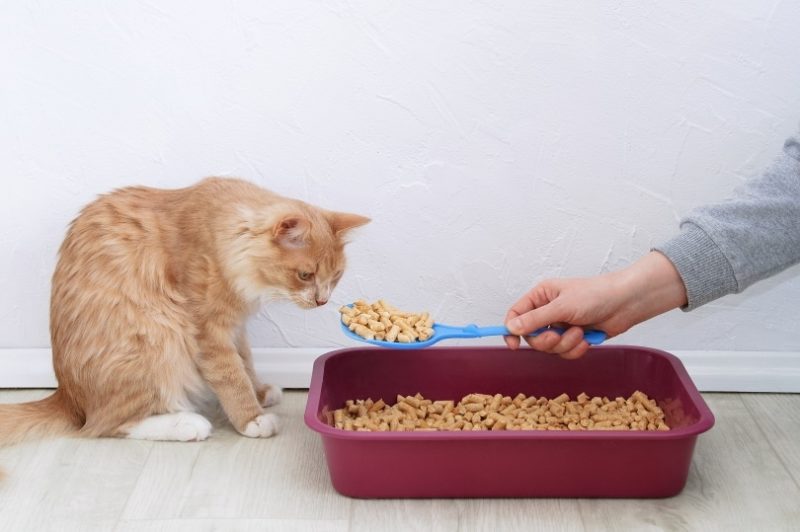
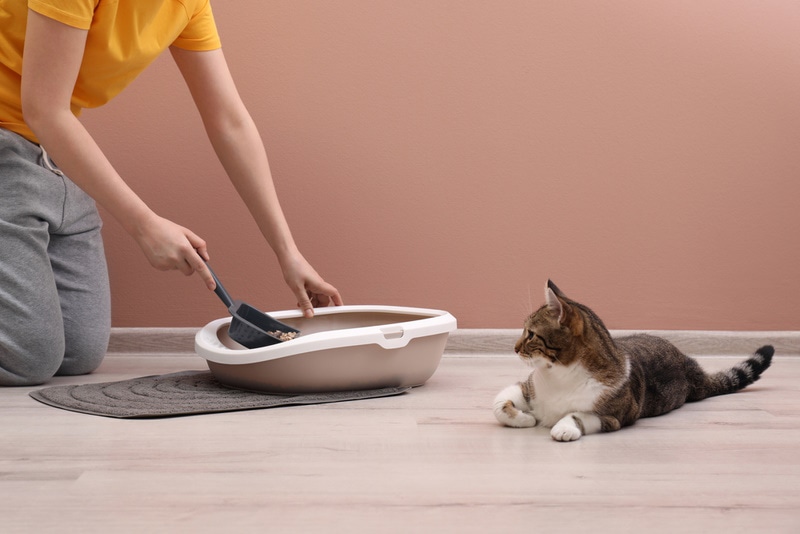
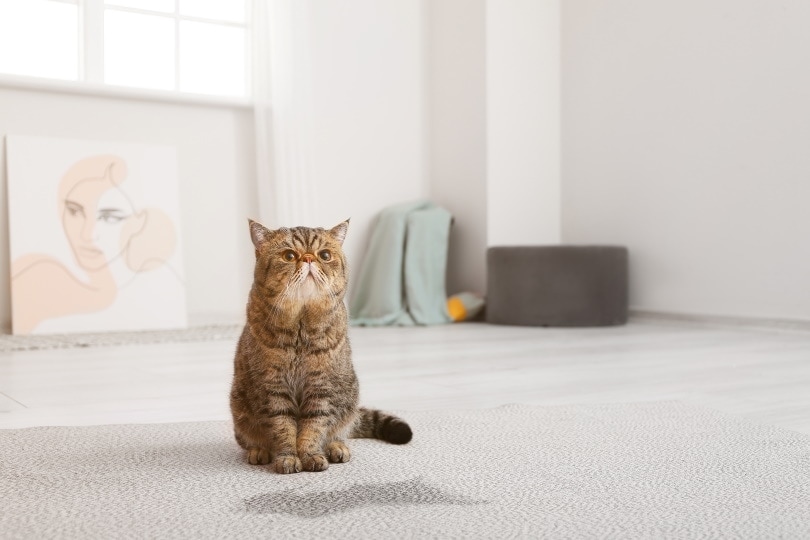
Litter box cleaning is not a cat lover’s favorite task, but it’s more pleasant than cleaning urine or feces off the carpet, tiles, or furniture. Kittens and timid cats sometimes have problems adapting to litter training, and some choose another location to deposit waste. If your pet is having problems using the litter box, you can add an attractant to the litter.
It is recommended that you first try the suggestions in our "How to Make the Litter Box More Appealing to Your Cat" section at the end of this article. If you have tried these and your cat has a clean bill of health from the vet, you can try litter attractants.
Commercial attractants are inexpensive, but some have additional ingredients that may not benefit your cat’s health. When you use a homemade concoction to attract your cat, you control the ingredients and can save a few dollars. If you’re a gardener, you can keep the herbs in your garden and windowsill for a constant supply. Here are the best homemade litter attractants for preventing accidents in your home.

Before Starting Your DIY Project
Using a natural attractant can help your pet with litter training, but excessive urination may be a sign of a medical condition. Before adding a new substance to the litter, visit your veterinarian for a complete checkup. Attractants are useless if your cat is suffering from an infection, illness, or stress around using a litter tray.
Adding an aromatic herb or plant to the litter can entice your cat to use the litter box, but additives are more effective when ground into fine powders. For better dispersal of the scent, you can use a processor to blend the material. Mix an equal portion of the herb with cornstarch after blending to prevent potent herbs like valerian or cat thyme from being too overpowering. Dried herbs are more effective and easier to blend, but you can dry out fresh herbs or use a dehydrator to prepare them for the blender.
The 6 Homemade Litter Attractants
1. Catnip
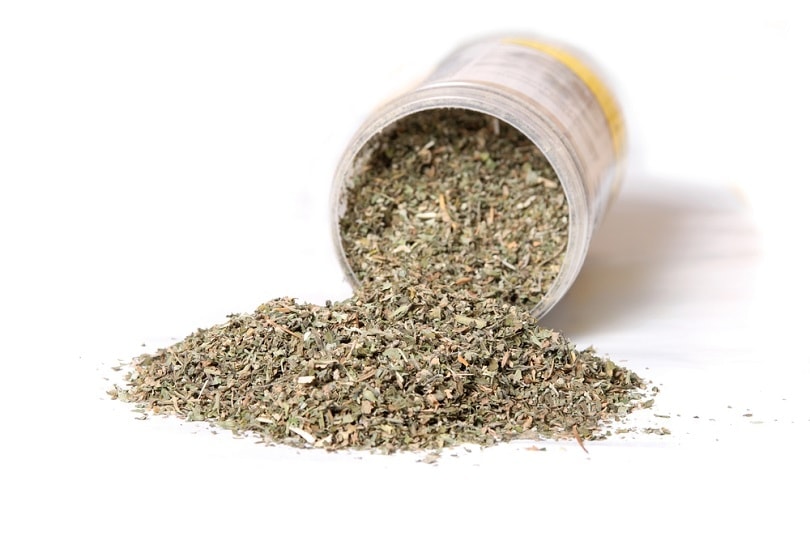
Catnip is a multi-use herb that’s one of the best attractants to add to the litter. You can grow catnip year-round if you live in a warm climate, but the dried herb is readily available and inexpensive. Catnip contains the aromatic oil nepetalactone that causes a temporary calming effect in some cats, and the scent mixed with litter can make your cat more confident with entering the box.
Cats under 6 months old and 30% of adult cats are unaffected by the herb, but you can always try another plant to entice your pet.
2. Lemongrass
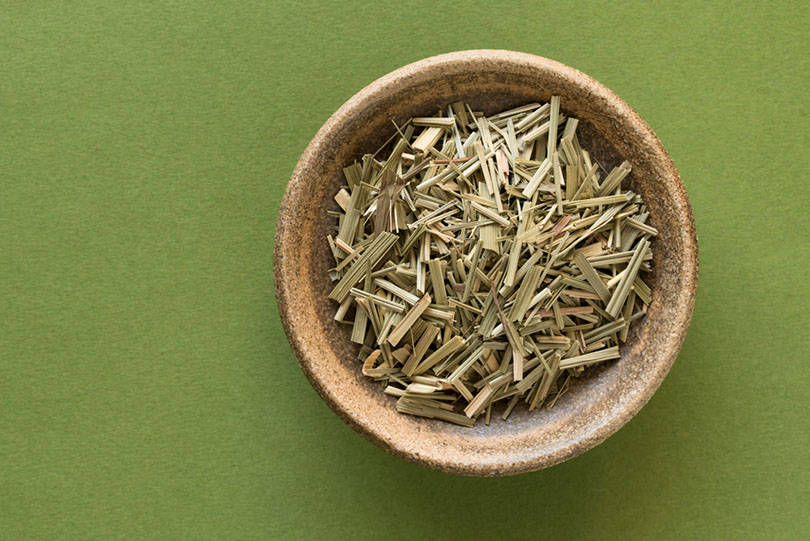
Cats are attracted to many aromas, and lemongrass is a safe choice. Be aware, however, that lemons are toxic to cats, dogs, and horses and should not be added to litter boxes or drinking water. Lemongrass bushes resemble ornamental grasses, and the leaves can quickly be dried and processed before being added to the litter.
Although the fresh and dried forms of lemongrass are not toxic to your pet, the lemongrass essential oil can harm your cat if it’s ingested.
3. Cat Thyme
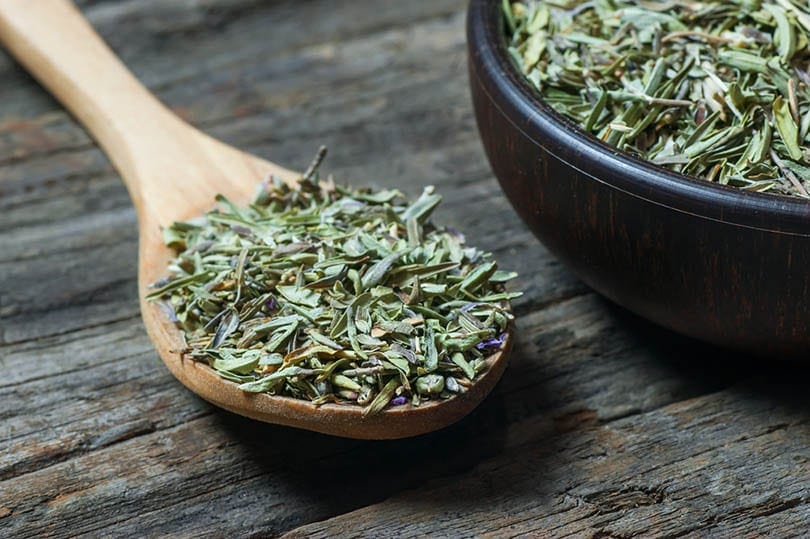
Be sure to break out the cornstarch when adding cat thyme to the litter. Cat thyme is safe for your cat to eat and use with litter, but the rank odor it produces is not pleasant for humans. Corn starch will absorb some of the fragrance, but you may have to experiment with the cat thyme amount to find the ideal balance that attracts the cat and keeps the family happy.
Cat thyme is a perennial herb, but it grows better in sub-tropical areas with milder winters.
4. Valerian
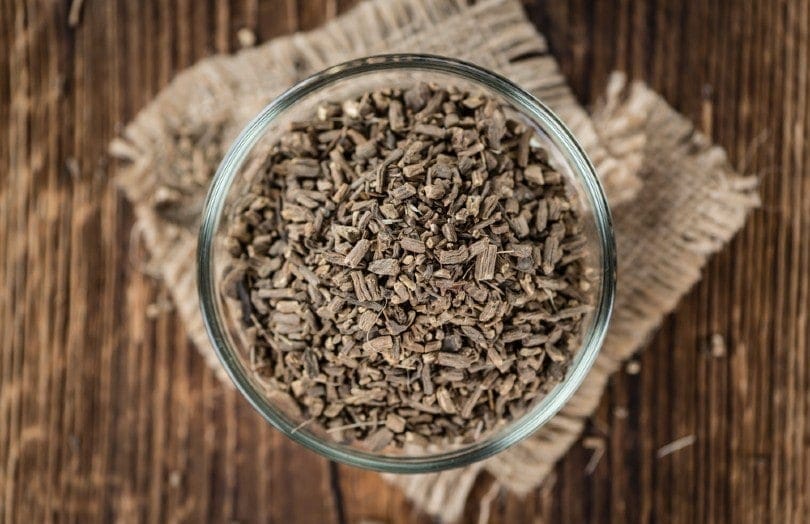
Valerian is another potent herb that cats love, and most humans dislike. It produces sweet flowers, but the leaves and roots have a foul smell that only appeals to felines. Valerian produces a calming effect similar to catnip, and pet parents often use it to attract cats that are not affected by catnip aromas. The grassy plant is native to Asia and Europe, but it also grows in North America.
Residents of USDA zones 5–9 will have the best luck growing the plant, but you can find the dried herb online and in pet stores.
5. Chamomile
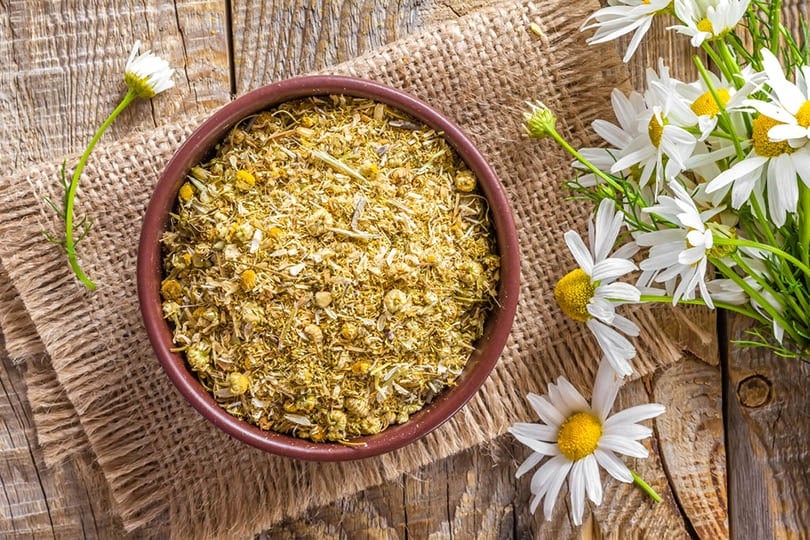
Chamomile tea is famous for relaxing humans, but the plant’s dried flowers can also relax your anxious kitty. Unlike valerian or cat thyme, chamomile has a pleasant aroma that will not keep your family away from the litter area. Researchers have studied the effects of the herb on animals and concluded that it produces a calming sensation similar to anti-anxiety drugs.
Although it’s an annual plant that dies off in winter, it self-pollinates often and provides plenty of opportunities to collect and dry the flowers.
6. Skullcap
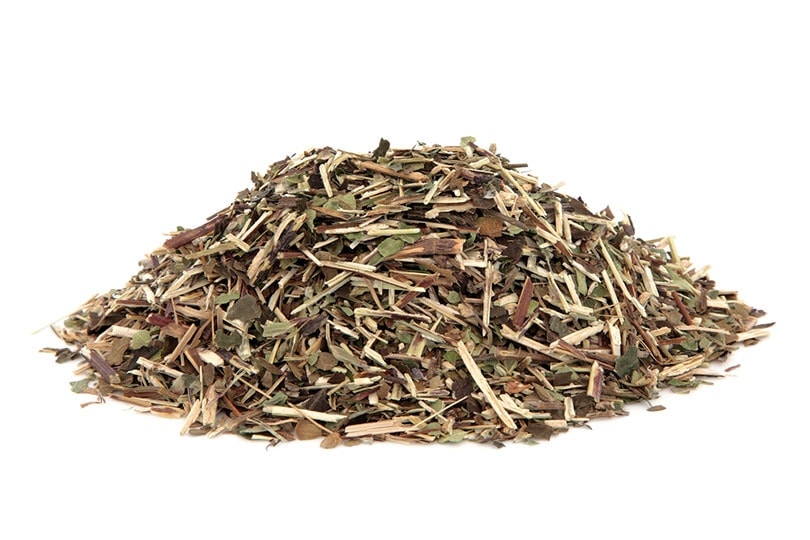
Skullcap is a perennial herb growing in North America with a long medicinal use history with Native Americans. It’s sometimes used as an herbal supplement combined with valerian to reduce anxiety in cats and dogs. As part of the mint family, skullcap is easy to dry and grind up for the litter box. Unlike catnip and valerian, skullcap does not have psychoactive properties or cause drowsiness.
You can order the dried herb online or grow it year-round in areas with mild winters.

How to Make the Litter Box More Appealing to Your Cat
Although commercial and homemade litter attractants can entice your pet to use the litter box correctly, you can make the litter box more appealing by using these tips.
Tips to make the litter box appeal to your cat:
How Much Attractant Do You Add to the Litter Box?
There is not a set amount of attractant to add to the litter, but we suggest adding ¼ of a cup of herbs for every 20 pounds of litter. Commercial brands that use only natural dried herbs recommend the same amount, but you may need to adjust the portions for potent plants. You can try a few tablespoons with valerian and cat thyme before adding more.
Although strong odors from the herbs are unpleasant to humans, the homemade attractants, when combined with corn starch, are unlikely to smell up an entire room.

In Conclusion
Using a natural attractant can compel your cat to stay on target in the litter box, and it’s an alternative to covering the litter with chemical deodorizers or attractants. Blending up dried herbs is inexpensive, and all the plants on our list have calming properties that can help your pet feel at ease.
You can try different combinations of herbs if a single plant is ineffective, but hopefully, the pleasant aroma from one of the attractants will convince your furry friend that their litter box is a safe place.
Related Read:
Featured Image Credit: Yuliya Alekseeva, Shutterstock
Get Hepper In Your Inbox


Pet care tips from our vets and experts, straight to your inbox.
You may opt-out at any time. View our Privacy Policy for more information.
Nicole is a lover of animals of all sizes but is especially fascinated with the feline variety. She’s the proud mom of Baby, a Burmese, and works every day so he can relax in the sunshine or by the fire. She’s always had a cat in her home and has spent countless days with others, observing behaviors and softening up even the grouchiest of the lot. Nicole wants to share her kitty expertise with you so you and your cat can live happy, healthy, and care-free.
Join the conversation
Ask a question, share your story, or send private feedback.