Hepper is reader-supported. When you buy via links on our site, we may earn an affiliate commission at no cost to you. Learn more.
14 Service Dog Myths & Misconceptions That We Need to Stop Believing
Service dogs are among the most revered of all working dogs. They’re trained to assist people with a variety of conditions that would otherwise impact their ability to live independently, ranging from diabetes to PTSD.
Still, there are numerous myths and misconceptions surrounding service dogs and their duties. Here are the 14 most common ones.

The 14 Service Dog Myths & Misinterpretations
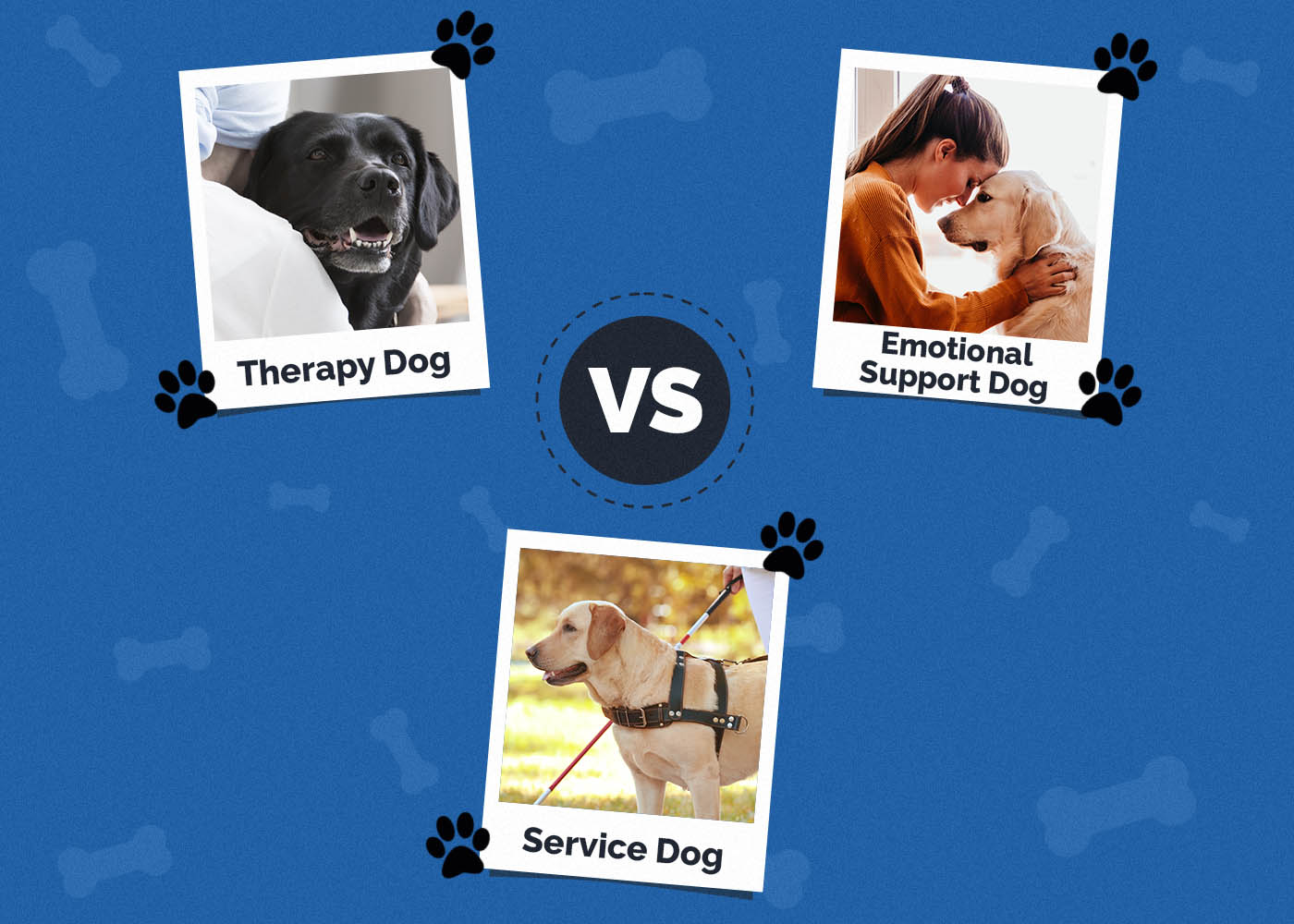
1. Service Dogs Are the Same as Therapy Dogs and Emotional Support Animals
Though often used interchangeably, service dogs are different than therapy dogs and emotional support animals (ESAs). Service dogs are trained to perform specific tasks to assist people with disabilities or medical conditions. Some of the tasks these dogs handle include alerting the owner to take medicine, providing safety checks, alerting passersby to a seizure, or disrupting self-harm. These dogs have specific legal protections under the Americans with Disabilities Act (ADA).
Therapy dogs are pet dogs that have been trained to provide comfort and affection to people in institutional settings, such as hospitals or long-term-care facilities. These dogs don’t provide therapy for their owners but for others.
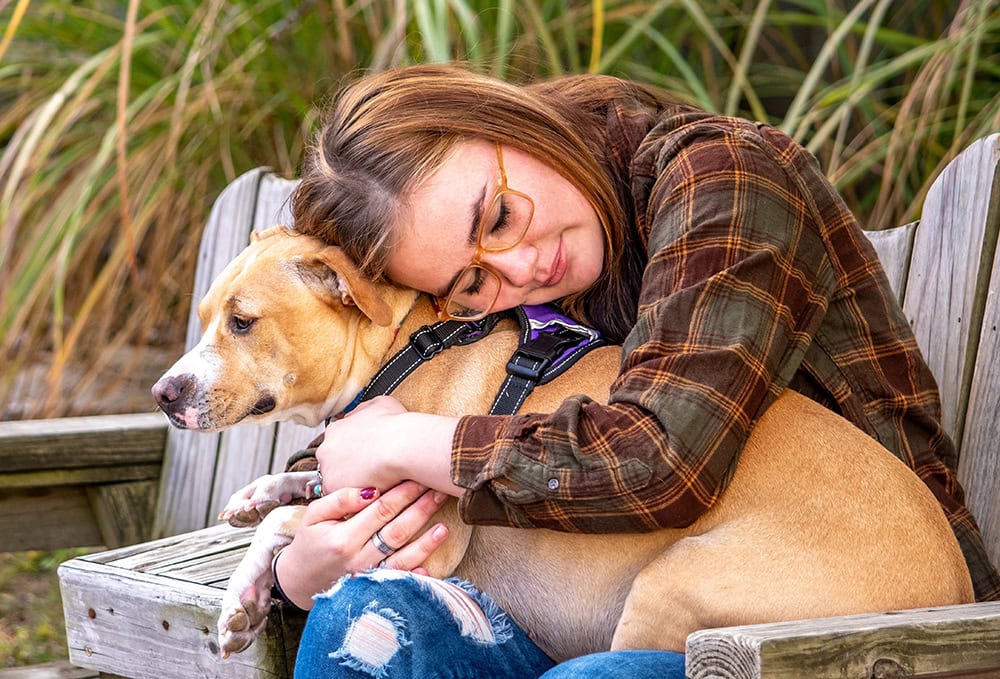
ESAs are animals that owners keep providing emotional support to, but the term has become nebulous. These animals may be dogs or other types of pets, they don’t require specific training, and they have no specific legal protections.

2. Service Animals Are Certified or Registered
The ADA doesn’t require service animals to be certified or registered. Certifications are essentially just a piece of paper since it affords the owner and dog no more legal protection than without. There’s also no requirement to have these dogs registered, though some registrations with local governments offer benefits like a reduced licensing fee or an alert for first responders that there’s a service dog during a crisis.
3. Only German Shepherds and Labrador Retrievers Are Service Animals
Though German Shepherds and Labrador Retrievers often make great service dogs, specific breeds are not a requirement. Service dogs come in any shape and size as long as they are appropriately trained to provide care to the owner.

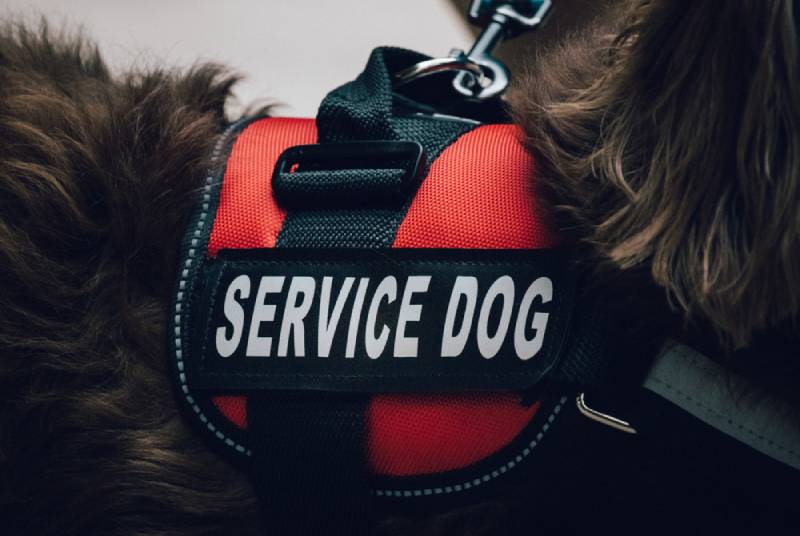
4. Service Dogs Must Have a Vest
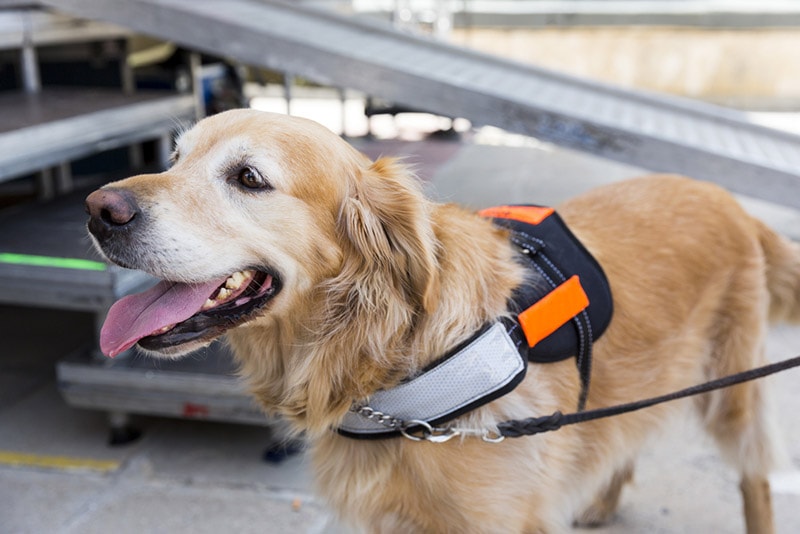
Some owners use a vest to alert others to their service dog, but it’s not required. These dogs don’t need any type of identification that’s visible, and the owner doesn’t need to carry any type of paperwork to verify the dog is a service animal. Under the ADA, business owners can ask if the animal is required due to a disability and what task the animal has been trained to perform, but that’s it.
5. Individuals With Service Animals Can Only Have One
Individuals with disabilities or medical conditions may only have one service dog, but they aren’t limited to only one pet. They can keep other animals for companionship, including dogs, cats, and small animals. They may also have different service dogs that provide different services, such as one dog for seizure alerts and another to remind them to take medication.

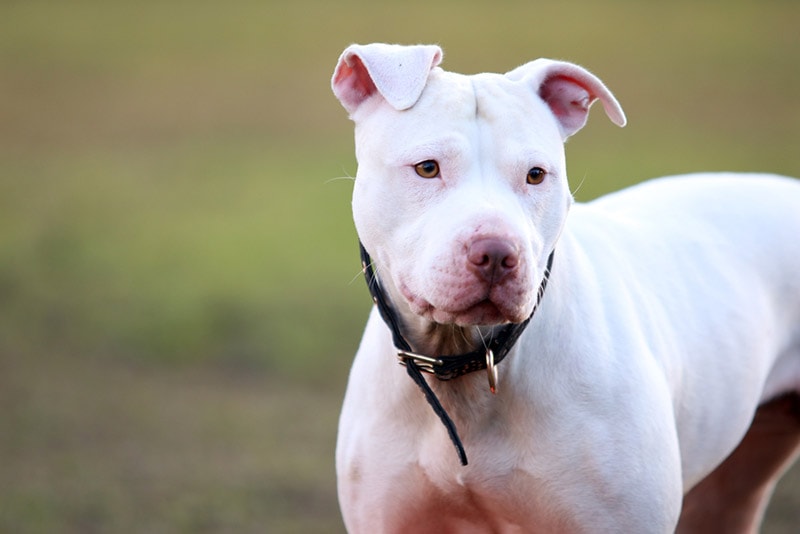
6. Banned Breeds Can’t Be Service Animals
Even with breed-specific legislation, a service animal can be any breed of dog. Breeds can’t be excluded from being a service dog based on fear, such as with Pitbulls. In some cases, a service dog may be excluded, but it’s based on the dog’s behavior, not the breed.
7. Service Dogs Don’t Need to Follow Laws
While service dogs can often enter places where other dogs are not allowed, their owners are required to adhere to local laws regarding animal ownership. These dogs have to be licensed and vaccinated like any other pet.

8. Service Dogs Have to Complete Rigorous Training
Service dogs must be highly trained to perform certain tasks for people with disabilities, but there’s no formal training requirement or program. Owners can rely on any service dog that can complete the necessary task, whether it’s been formally trained or not.
9. Businesses Can’t Refuse a Service Animal
Businesses may exclude a service animal under specific conditions. Generally, businesses must provide policies with accessibility for individuals with disabilities, including allowing service dogs, unless these modifications would jeopardize a safe operation. For example, service animals are not permitted to enter sterile areas of the hospital, such as an operating room.
Service dogs may also be asked to leave if the dog is dangerous, unmanageable, or not housebroken. This is allowed if the animal may present a risk to others only, not based on the business owner’s personal opinion or past experiences.

10. It’s Illegal to Claim a Pet Is a Service Animal If It’s Not
Some states have laws prohibiting fraudulent representation of a service animal, but it’s not the same across the board. There are varied laws regarding service animals in different states.
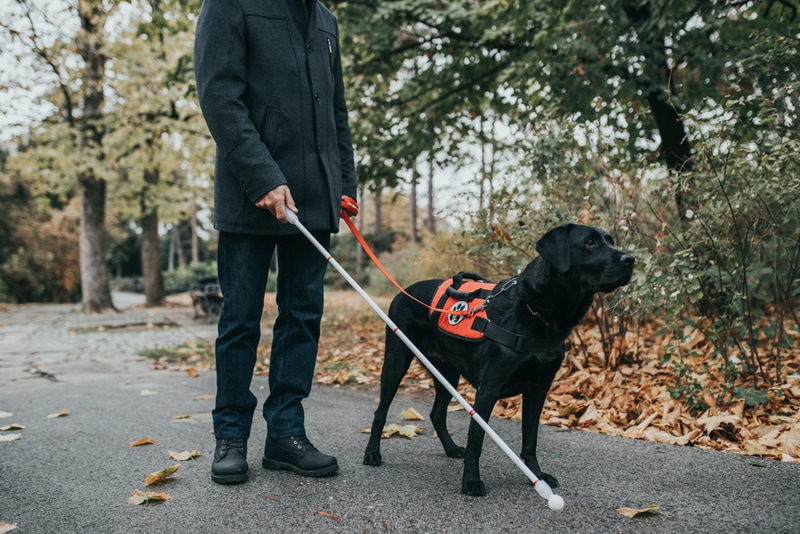
11. Service Dogs Are Only Used for Blind or Deaf People
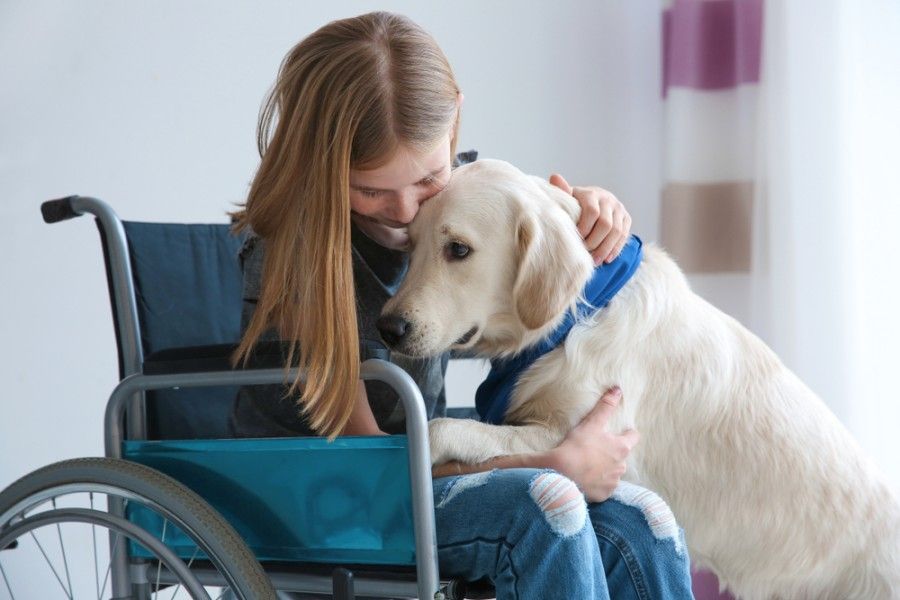
Service dogs used to be limited to people with hearing or vision impairments, but their use has become much broader in recent years. Now, service dogs may be used for people with seizure disorders, diabetes, autism, mental illnesses, and other conditions that affect their ability to function in daily life without help.

12. Service Dogs Can Detect Drugs
Service dogs and drug detection dogs are different types of dogs that undergo different training. These dogs are trained to respond to different circumstances, not nearby people carrying illicit substances.
13. Service Dogs Want to Socialize
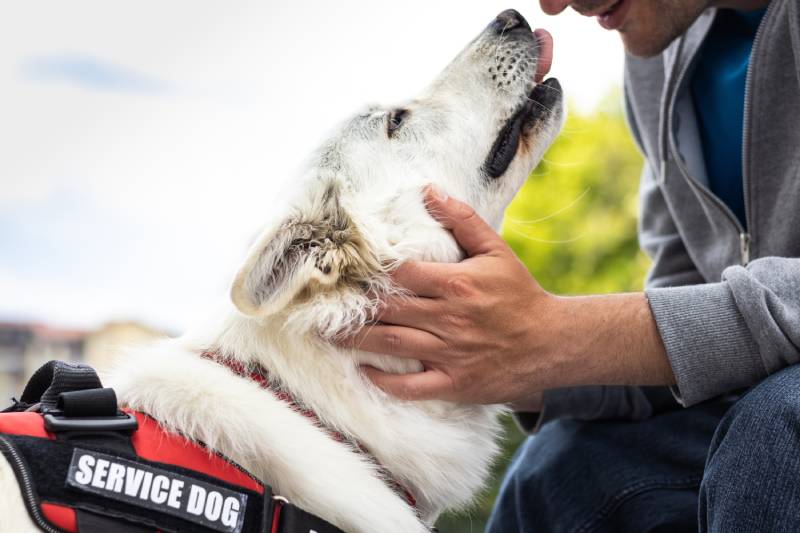
Most people know you shouldn’t pet a service dog, but still try when the owner isn’t looking. This is disrespectful to the owner and the dog trying to do its job. You should never pet a service dog—or ask to pet a service dog—in public. In fact, some states have laws prohibiting interference with service dogs.

14. Service Dogs Never Get a Break
Service dogs are working dogs and must stay focused, but that doesn’t mean they don’t get a break or have a bad life. These dogs spend nearly every moment with their handlers, even out in public, and they enjoy having a purpose. They do get downtime, particularly when their owners are occupied.
In Conclusion
Though there are misconceptions surrounding service dogs, one thing is guaranteed—these dogs are indispensable heroes to their owners. And the more the public learns about service dogs’ duties and training, laws, and proper etiquette, the better they can perform their jobs.
“Sources”
Featured Image Credit: hedgehog94, Shutterstock
Get Hepper In Your Inbox


Pet care tips from our vets and experts, straight to your inbox.
You may opt-out at any time. View our Privacy Policy for more information.

Nicole is a lover of animals of all sizes but is especially fascinated with the feline variety. She’s the proud mom of Baby, a Burmese, and works every day so he can relax in the sunshine or by the fire. She’s always had a cat in her home and has spent countless days with others, observing behaviors and softening up even the grouchiest of the lot. Nicole wants to share her kitty expertise with you so you and your cat can live happy, healthy, and care-free.
Join the conversation
Ask a question, share your story, or send private feedback.