Hepper is reader-supported. When you buy via links on our site, we may earn an affiliate commission at no cost to you. Learn more.
Service Dog Etiquette: 11 Crucial Rules & Best Practices
In this article
For many animal lovers, it seems normal to walk up and ask to pet that beautiful Labrador or scratch the butt of a friendly-looking Golden Retriever. Typically, many pet owners are more than willing to allow you to interact with their pets. However, not all dogs are pets, some are service dogs, and your well-meaning behavior is intrusive and unacceptable.
So, we have compiled a list of 11 important tips to follow so you will know and demonstrate the proper etiquette the next time you encounter a service dog and their owner.

What Are Service Dogs?
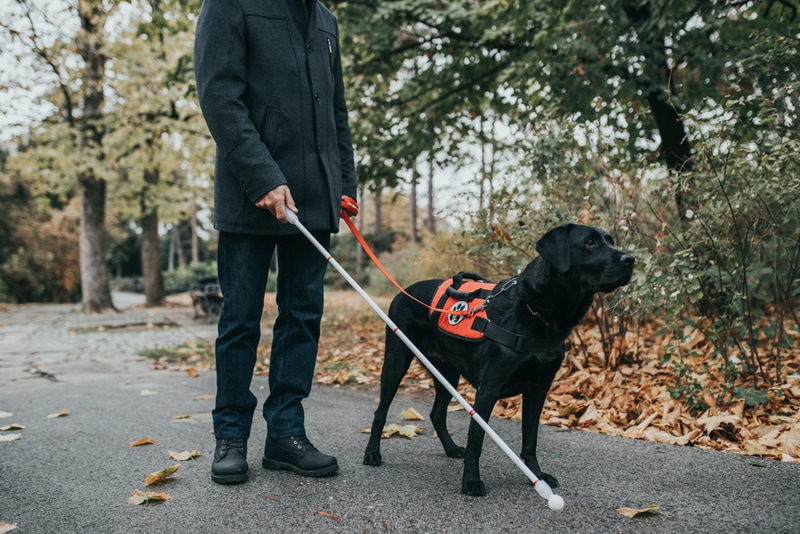
A service dog is a dog that is trained and specializes in aiding those with disabilities like blindness, epilepsy, and diabetes. They provide safety and are vital to the well-being of the handler. They can be trained by a professional trainer or by the handler themselves, and it is not necessary to have them registered. Although, in some instances, it can be beneficial to have documentation
Since the handler’s life depends on these service dogs, they are given specific rights under the Americans with Disabilities Act (ADA). The act ensures that the animal can accompany the owner in all places where the public is permitted, such as the workplace, airports, and buses. If there is a “No Pets” policy, it does not apply. The same rights are protected when it comes to your landlord too. The pet policies for rental properties do not apply to service animals, and they also cannot charge you a pet deposit or monthly fee.

The 11 Service Dog Etiquette Tips
1. Speak to the Owner, Not the Dog
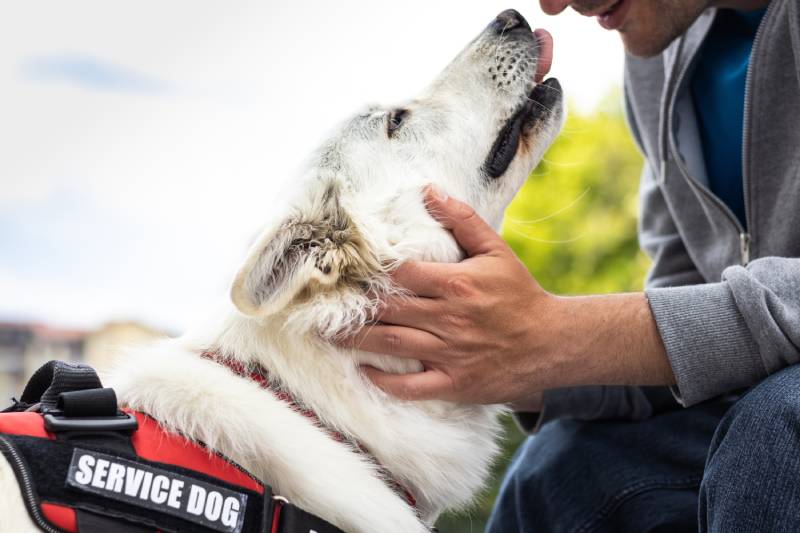
Mind your manners when you come upon a service dog and its owner. Do not ignore the handler and talk to the dog. Sometimes the owner will allow you to pet their dog, but you should ask permission first.
If the handler allows you to pet the dog, do so in the shoulder area and avoid patting the dog on the head.
This is a rule we should follow with any animal, however, not only with service dogs. No one wants some stranger to just walk up and start petting their dog without first acknowledging the owner and asking permission.

2. Respect the Working Dog
Working dogs are not household pets, so they should not be treated like one. They are animals that work every day to ensure the safety of their owner. Their job is especially important, so they should be treated with the respect they deserve.
3. Do Not Distract the Dog
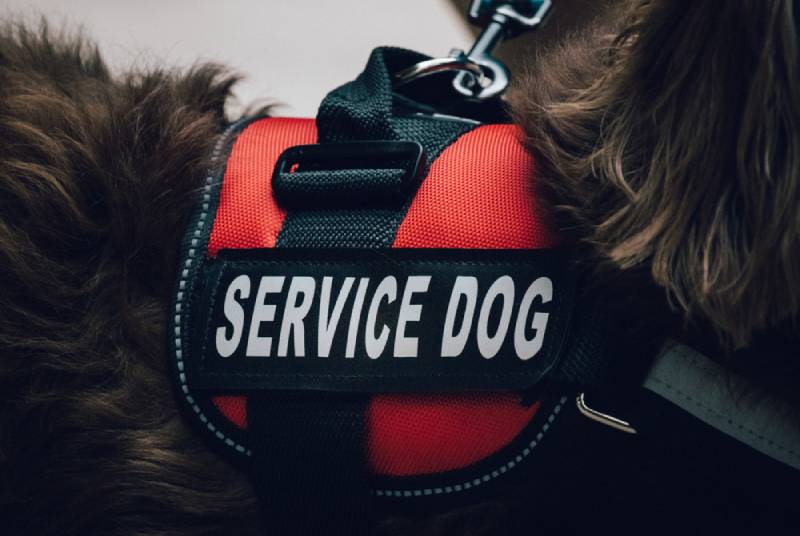
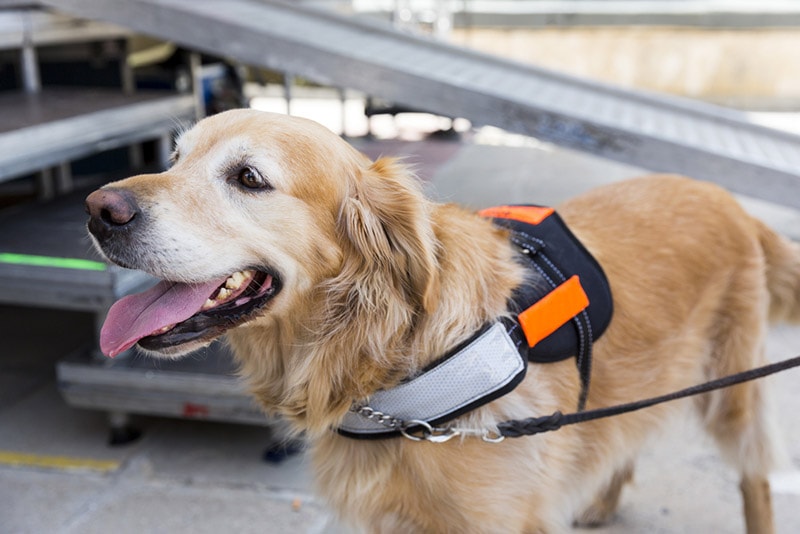
When a service dog is wearing a harness or vest, please do not try to talk, pet, feed, or distract the dog in any other way. The owner's safety is at risk if the dog is not paying attention and performing at its best.
It is also important to keep your dog a safe distance away from the handler and the service dog. Another animal can cause the service dog to become excited and distracted from its duties.

4. Do Not Be Offended if the Handler Says “No”
There may be instances when the handler of a service dog will not allow you to pet their dog. Do not be offended by this request. The handler may have a good reason for not wanting you to touch or distract the dog. They may be in the process of training the dog, in a hurry, or just having a bad moment.
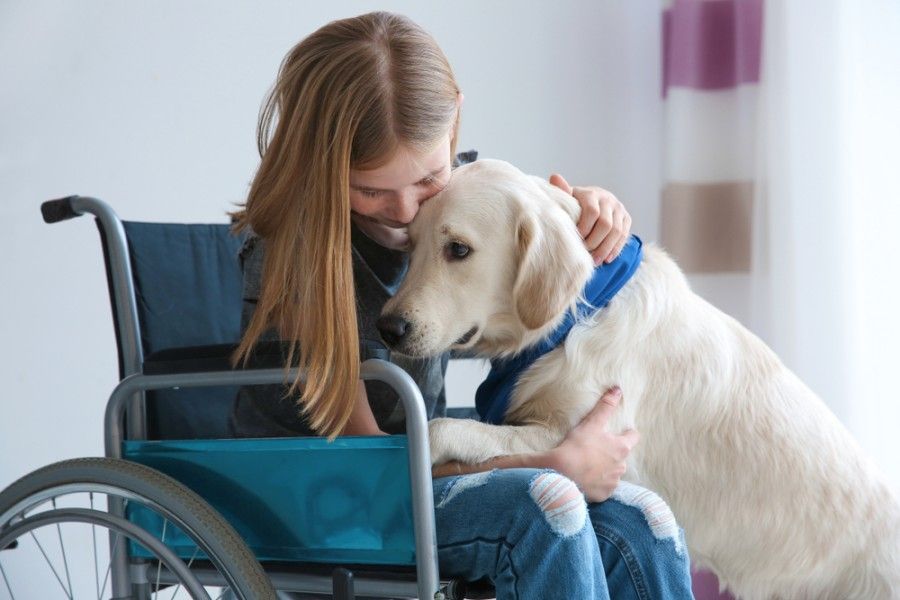
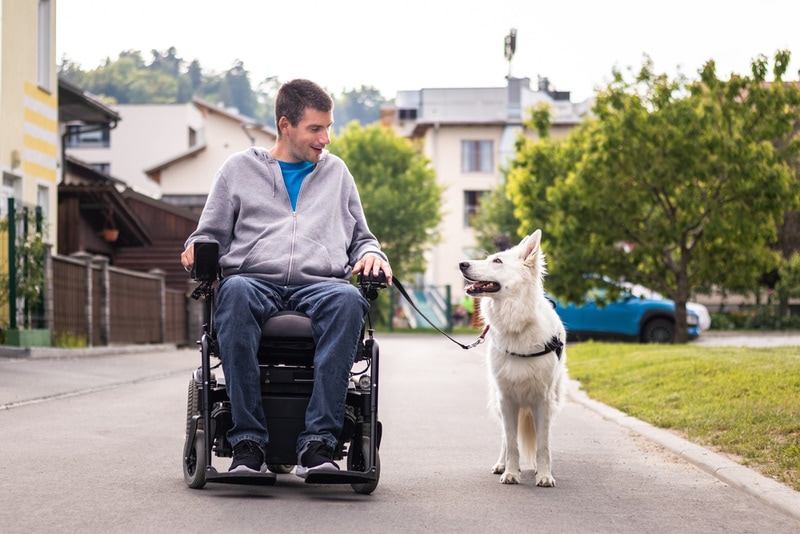
Think of it this way: you would not ask a disabled person to touch any other type of aid, such as a hearing aid or cane. While a service dog is just as adorable as any other animal, to a disabled person, it is as vital as a wheelchair.
5. Do Not Assume the Handler Is Blind
While guide dogs that assist blind individuals are the most well-known, some are trained to assist with various disabilities. For those suffering from heart conditions, PTSD, and mobility difficulties, a service dog can be vital to their safety, independence, and overall well-being.

6. Do Not Make Assumptions About the Owner or the Dog
One important thing is that you do not assume a person does not have a disability because you cannot see it. Many service animals provide vital duties for those with disabilities like seizure disorders and diabetes. So, just because you cannot see the disability does not mean it does not exist.
7. Do Not Ask the Handler About Their Disability
Asking a person with a service dog what is “wrong” with them is impolite and an invasion of privacy. Although some people may want to discuss their disability and educate others, this is not always the case. Putting someone on the spot to discuss their medical history may not always be welcomed. They should not be expected to discuss their disability with a stranger at the grocery store. Show the person respect, and do not ask!

8. Do Not Make the Service Dog & Handler a Spectacle
One of the rudest things you can do is to point at the dog and handler and begin to whisper. People need to realize that while service animals are adorable, to a person with a disability, a service dog provides vital assistance to their handler. Pointing out a service dog is no different than pointing to a person with a cane and saying, “Hey, look! It is a blind person with a cane!”
For example, a well-meaning parent may point out a service dog to their child for educational purposes. However, you are putting the disabled person and their disability on display, which is not only rude, but it can also be upsetting to them.
9. Do Not Body or Gear Shame
While we are all entitled to our opinion, keep it to yourself if you find an issue with some of the equipment used by handlers. In some cases, the gear is necessary, and there is a reason the handler is using it. For example, some service dogs are equipped with a head harness for owners who lack strength and movement in their hands.
You should also keep your comments to yourself when it comes to things like the grooming choices and weight of a service dog. This rule should apply to any dog, for that matter. No one wants their dog to be made fun of to be told it is too skinny or fat.
10. Do Not Take Pictures
Unbelievably, there are people that will attempt to take a picture of a person with a service dog. As in any other situation, you should ask a person for permission before snapping their picture. Once again, think of a service dog (although we may find it difficult) as a cane or a wheelchair. They provide medical assistance to someone with physical, sensory, and other disabilities.
11. Not All Service Dogs Are Shepherds, Retrievers, & Labradors
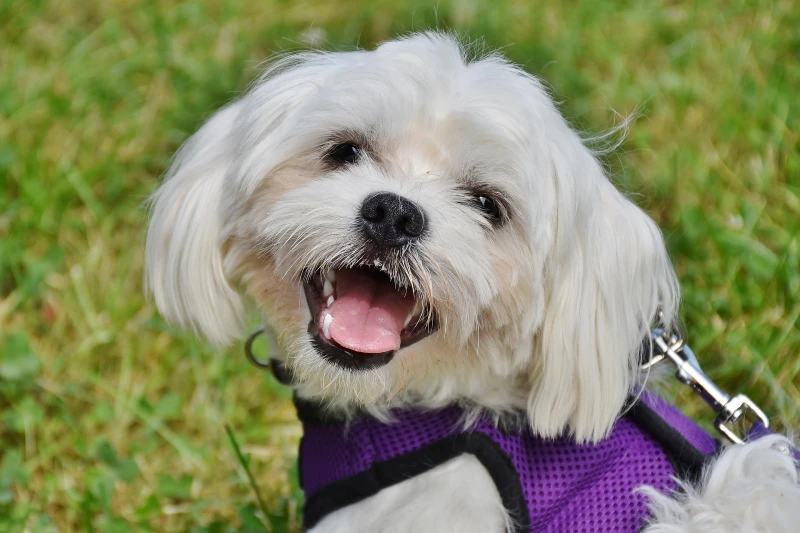
Many often assume service dogs are Labradors, Golden Retrievers, or German Shepherds. That is not the case, however. Many other breeds can make excellent service dogs for those with disabilities, like the deaf and hard of hearing, and epileptics. For instance, the standard poodle is a highly intelligent breed and is a desirable choice for those that suffer from allergies.
So be mindful that a less common breed may also be a working dog for those that do not have mobility issues. Service dogs are not always large breeds like retrievers or shepherds.

Conclusion
Unfortunately, the cuteness and love for animals can sometimes cloud our judgment regarding service animals. Those of us that have dogs for pets may not think about the rudeness we demonstrate or the feeling of the person on the other end of the leash.
We hope you find this article informative and use the information to be more thoughtful and consider the handler's feelings and the vital role the service dog plays in the health and well-being of their owner.
Sources
https://adata.org/guide/service-animals-and-emotional-support-animals
https://www.labradortraininghq.com/labrador-training/service-dog-etiquette/
https://www.guidedog.org/PuppyRaising/PuppyRaiserManual/Resources/Assistance_Dog_Etiquette.aspx
https://anythingpawsable.com/please-dont-say-or-do-these-things-to-service-dog-teams/
Featured Image Credit: Belish, Shutterstock
Get Hepper In Your Inbox


Pet care tips from our vets and experts, straight to your inbox.
You may opt-out at any time. View our Privacy Policy for more information.

Nicole is a lover of animals of all sizes but is especially fascinated with the feline variety. She’s the proud mom of Baby, a Burmese, and works every day so he can relax in the sunshine or by the fire. She’s always had a cat in her home and has spent countless days with others, observing behaviors and softening up even the grouchiest of the lot. Nicole wants to share her kitty expertise with you so you and your cat can live happy, healthy, and care-free.
Join the conversation
Ask a question, share your story, or send private feedback.