Hepper is reader-supported. When you buy via links on our site, we may earn an affiliate commission at no cost to you. Learn more.
6 Shetland Sheepdog Colors & Patterns (With Pictures)
In this article
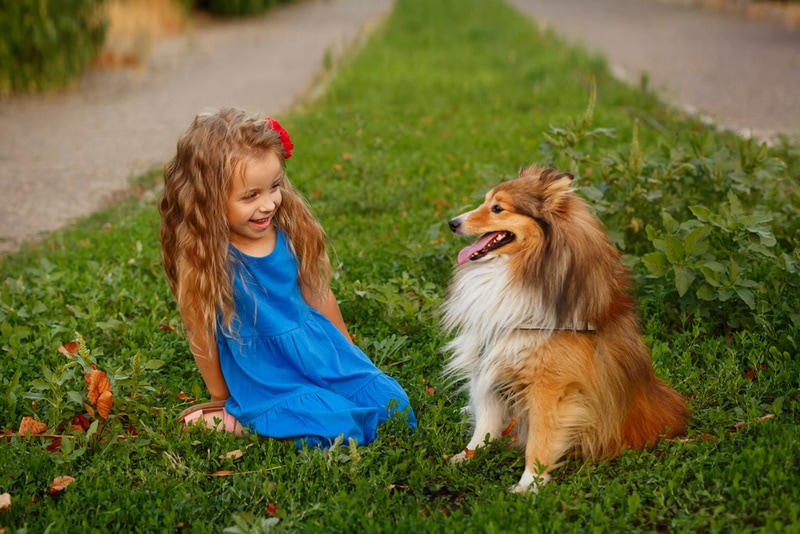
Shetland Sheepdogs - more commonly called Shelties - are wonderful family pets that are friendly, protective, and great with people of all ages, including children. They’re very intelligent and loyal, which means they’re relatively easy to train and housebreak. These pups are also very energetic and playful, so they have all of the characteristics of a perfect family pet.
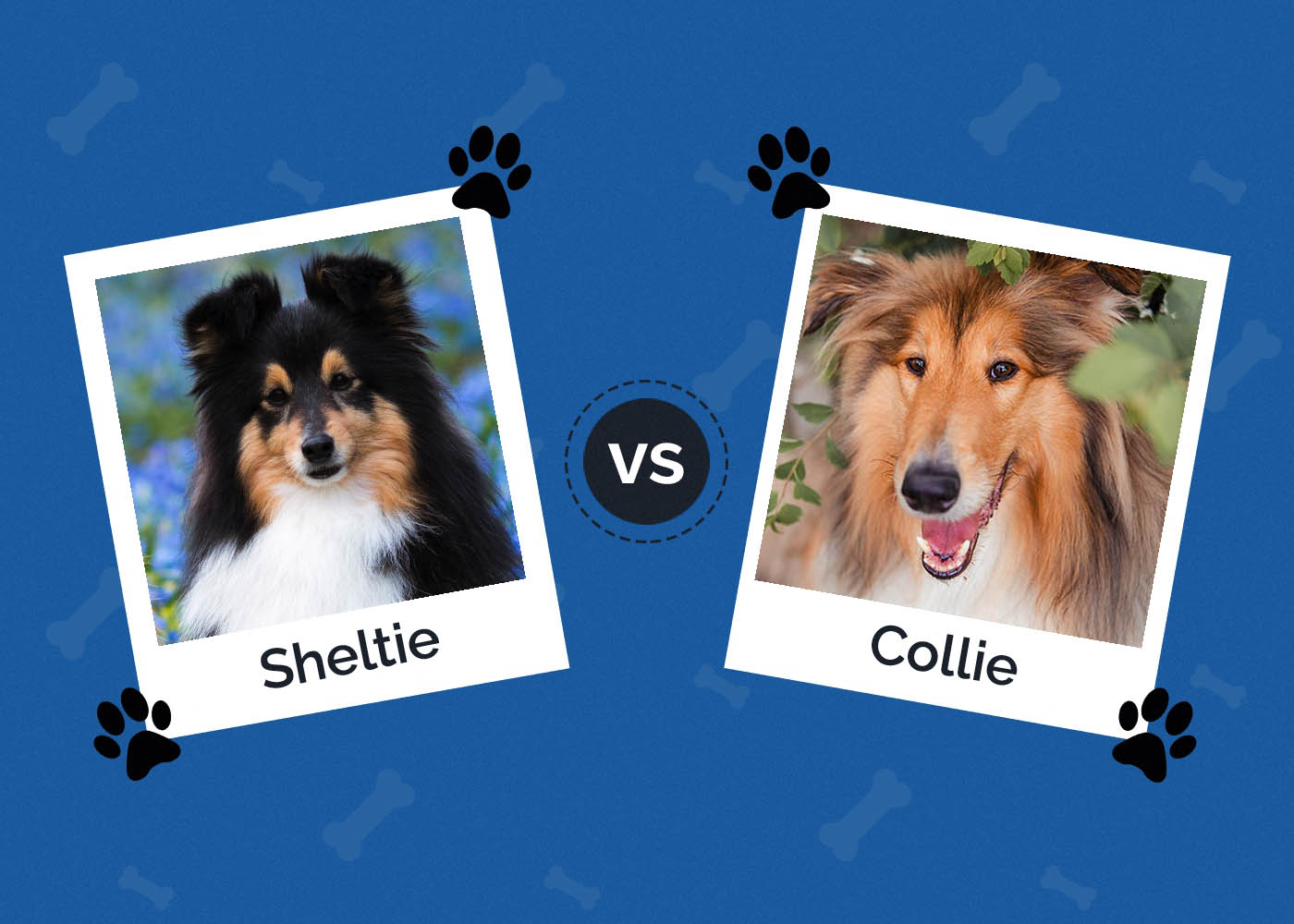
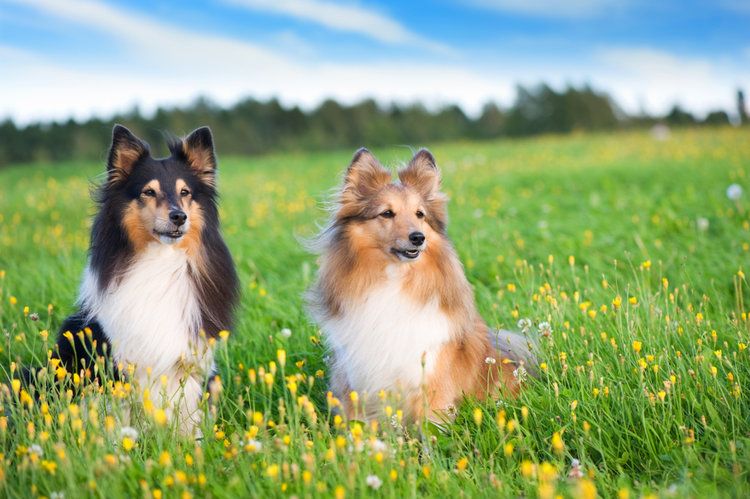
The classic Sheltie coloration is instantly recognizable and looks very similar to that of a rough Collie, but many Sheltie lovers are unaware of some of the beautiful color variations you can see in the Sheltie. Let’s take a look at six different color patterns that are possible with this breed and the differences between each.

Shetland Sheepdog Colors
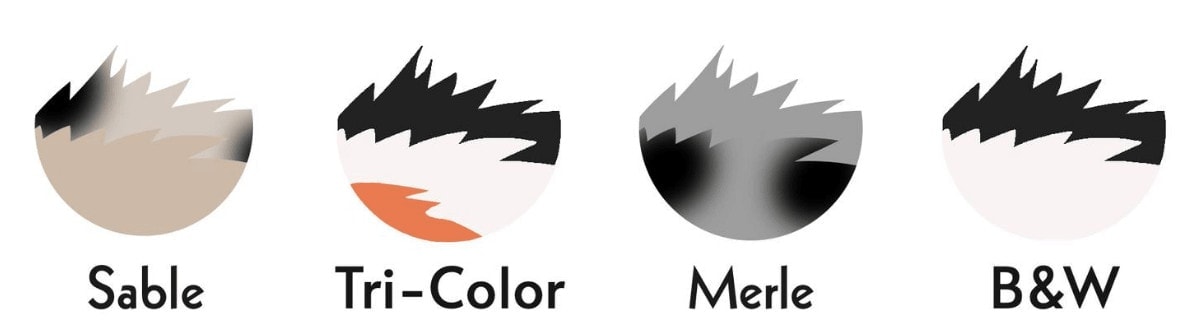

The 6 Sheltie Colors In Pictures
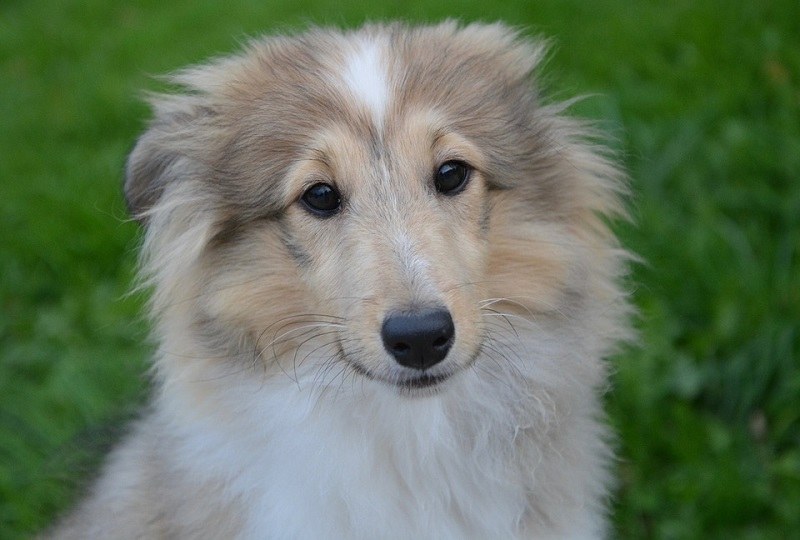
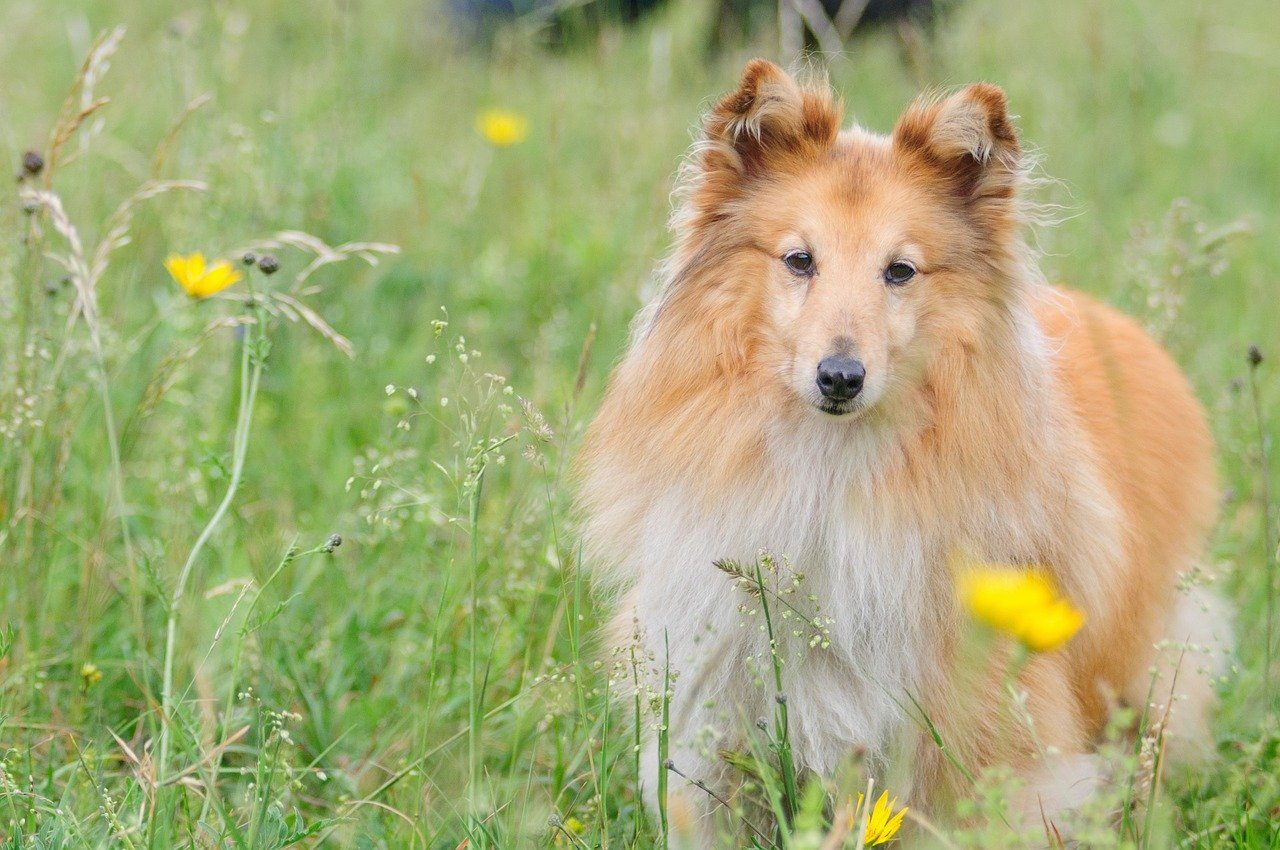
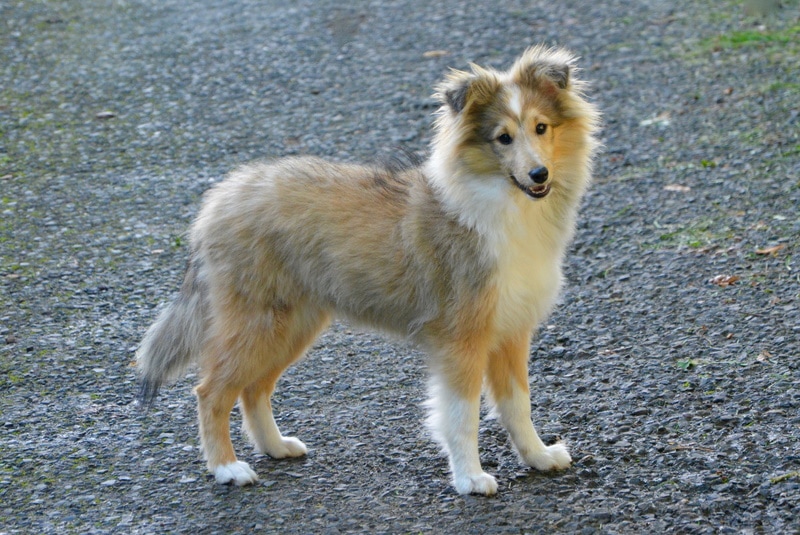
1. Sable Sheltie
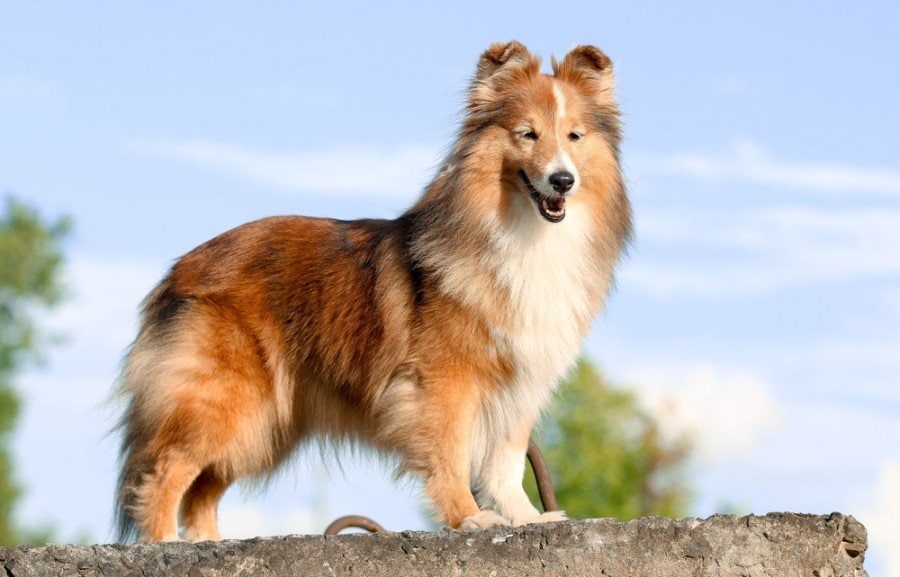
The classic Shetland Sheepdog coloration, and by far the most common, is sable. This includes a white and brown base coat with black-tipped fur in many areas. Sable Shelties will usually have a brownish saddle and hindquarters.
It’s common for Shelties to have brown or sable coloration on the backs of their necks, heads, and faces, but this coloration is determined by a gene that is independent of that which determines coat color. Distribution and even abundance of brown, black, and white colors on a sable Shetland Sheepdog cannot be selected for, so you’ll see quite a bit of variation in their appearance.
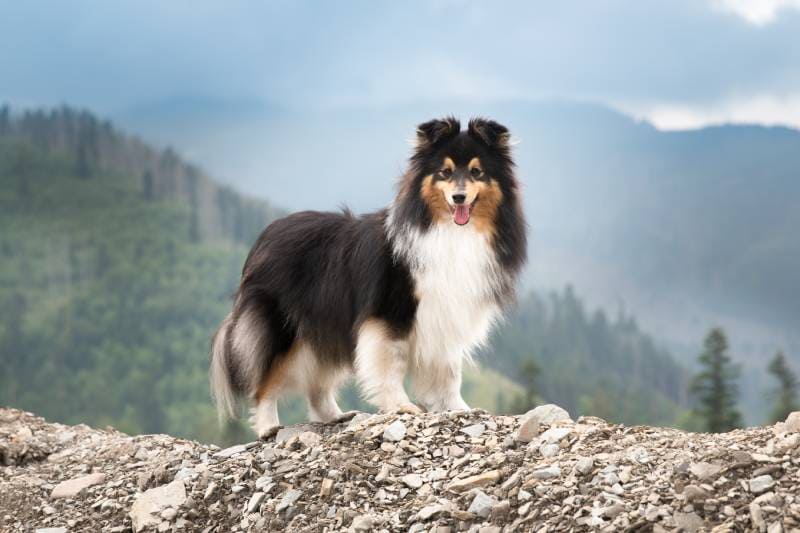
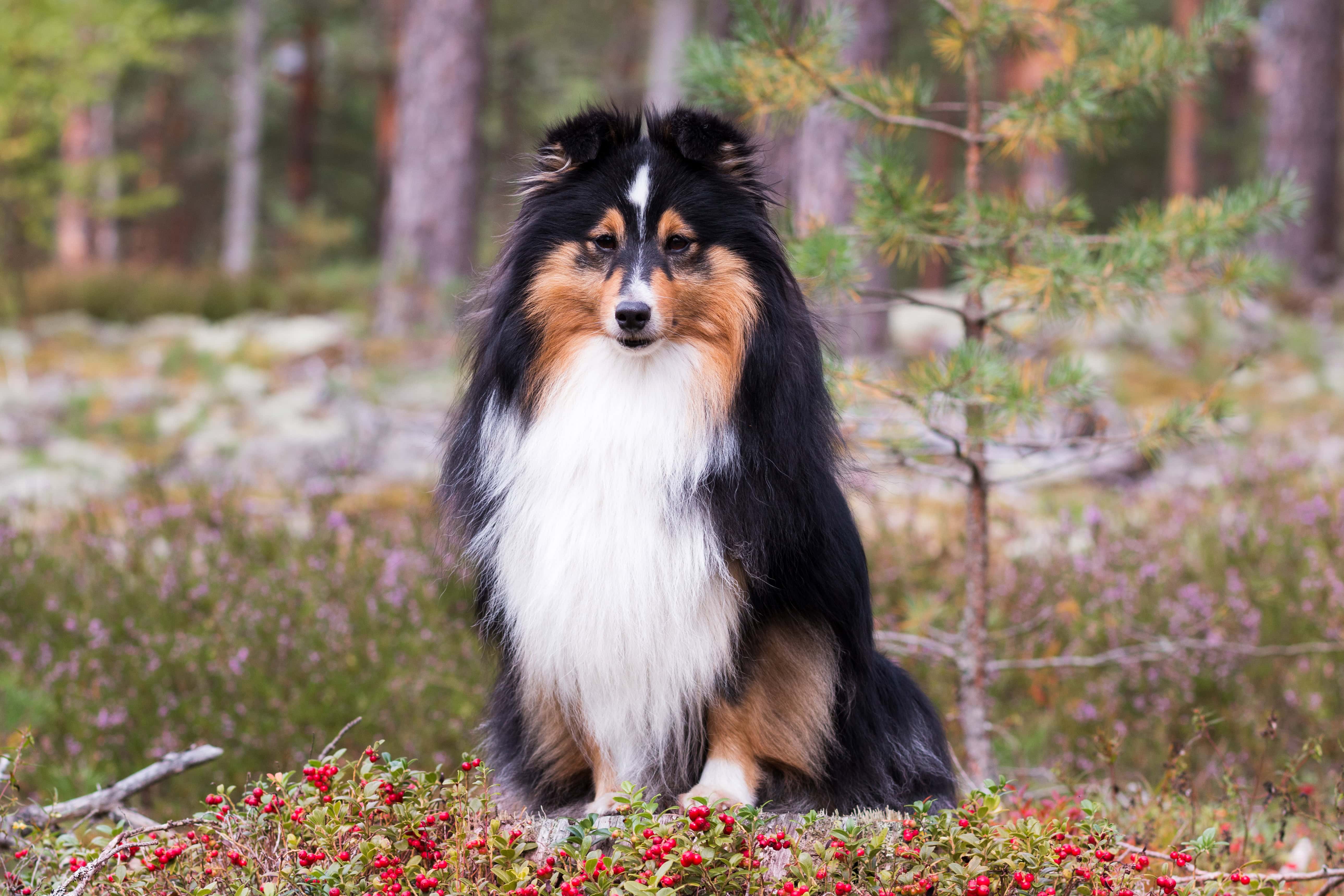
2. Tri-Color Shelties
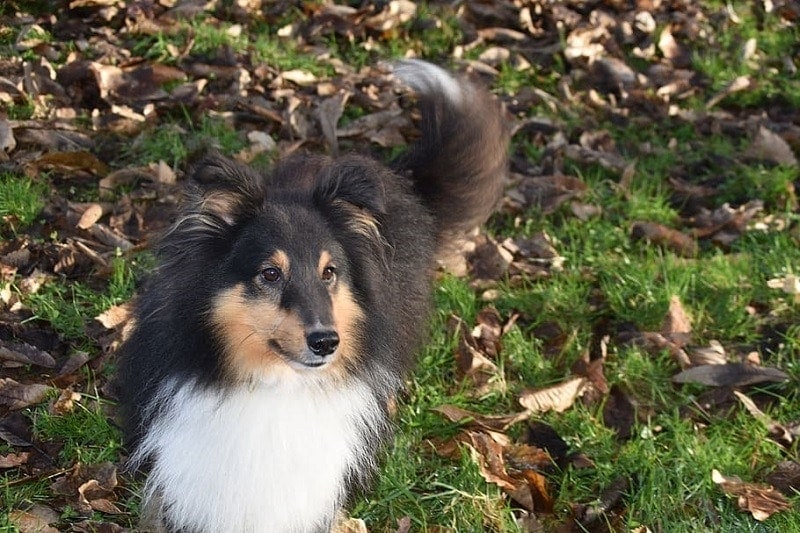
The tri-colored Sheltie’s coat may look somewhat similar to the sable coat because it includes the same three colors: black, white, and tan. However, the key difference with this coloration is that the undercoat itself is black or very dark grey, whereas the sable coloration features a white or tan undercoat and black-tipped fur.
Tri-color Shelties often have tan around their faces and legs, while the rest of the body appears white, black, or charcoal.
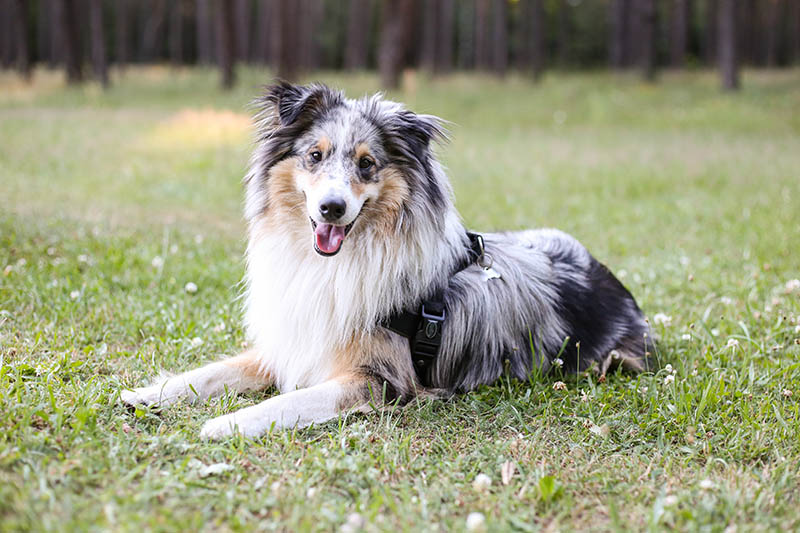
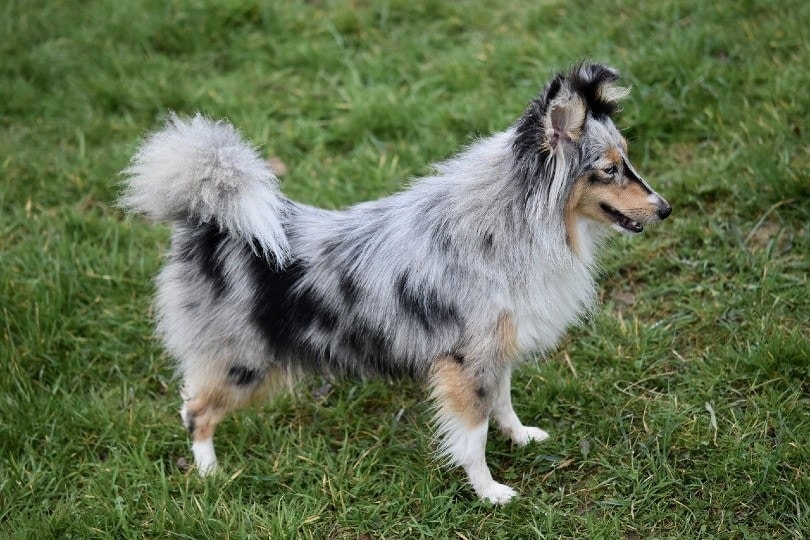
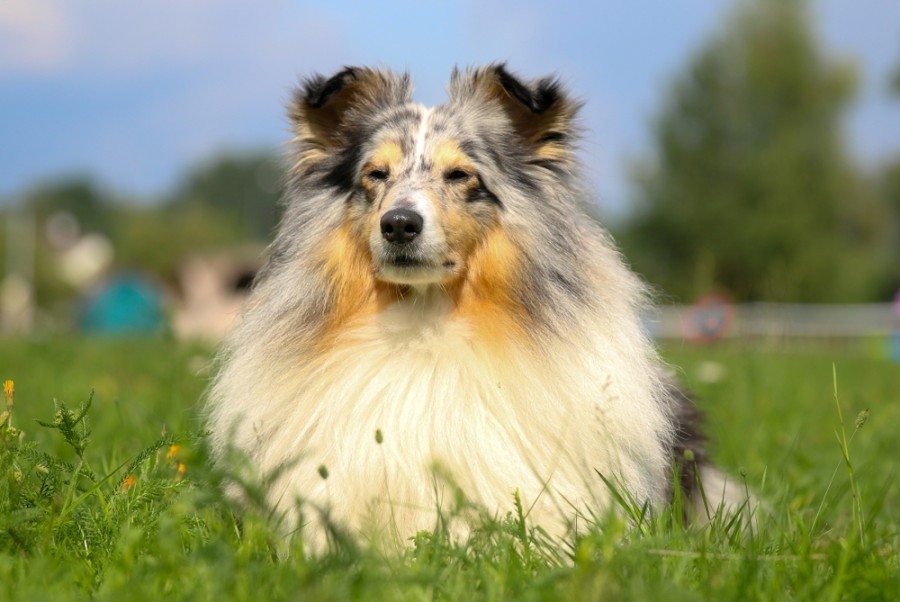
3. Blue Merle Sheltie
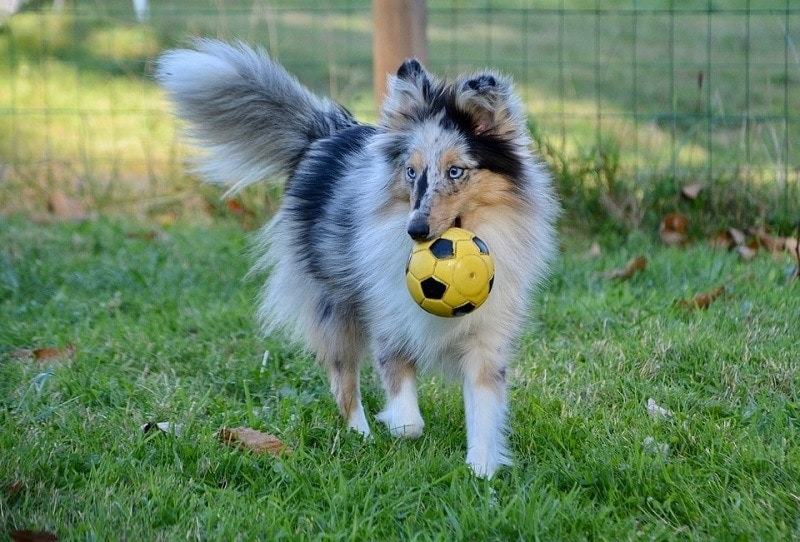
The blue merle Sheltie pattern presents itself as a mixture of light grey or even silver fur along with patches of black or blue spots and some tan coloration, usually around the face and head. “Merle” refers to the patches in the coloration, and the size and distribution of these spots can vary quite a bit from dog to dog.
Blue merle Shelties are genetically identical to tri-colored Shelties except for the gene that leads to the merling.
4. Color-Headed White Sheltie
This is yet another Shetland Sheepdog whose fur appears in the three common colors: black, white, and tan. The major difference in this variation is that the entire body from the neck through the tail is completely white.
The black and tan in these dogs appear on the face and head only. This color pattern is a result of two inherited white-factor genes that leads to the abundance of white fur.
5. Bi-Black/Bi-Blue Sheltie
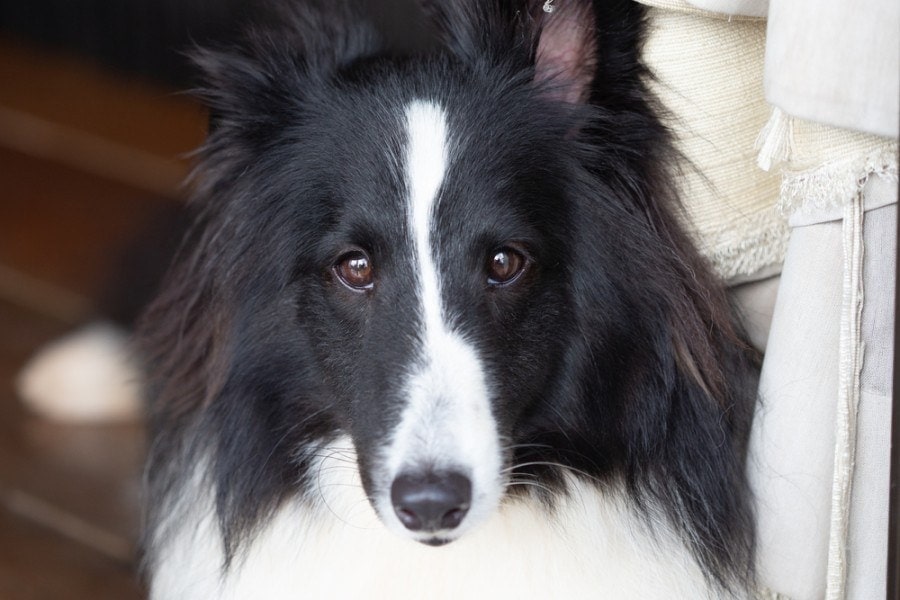
The bi-colored Shetland Sheepdog unsurprisingly only exhibits two colors in its coat: black and white or blue and white. The color pattern is the same with the darker colors - in this case, a black or blue Sheltie - appearing commonly as a saddle and around the head and face, but the tan is missing.
We combine the bi-black and bi-blue because they really have the same genetics. The bi-blue coloration is just a result of diluted black fur, often considered a “fault” by breeding standards.
6. Double Dilute Sheltie
Also referred to as “double merle” and “homozygous merle,” this coloration presents as entirely white. These Shelties will have all white fur as a result of heavily diluted fur colorings.
This is considered a “fault” as well and only results from the breeding of two blue merle Shetland Sheepdogs. Double dilute Shelties are often born deaf and at least partially blind, which is why this coloration should not be selected.
There is a distinct difference between an albino Sheltie and one with the double dilute coloration, as one is a result of the genetic mutation (albinism) and the other a result of specific coat color pairings.
Defining Physical Characteristics
Shetland Sheepdogs have a nearly identical appearance to the rough Collie, but they are smaller in height and stature. They have long, wedge-shaped heads with small ears that are usually mostly perked up.
Shelties have a long, thick double coat, and they have a large mane that makes them appear much denser than they really are. Despite their bulky coat, they are agile dogs with a lot of energy.
Sheltie Temperament & Behavior
Shetland Sheepdogs are very friendly and outgoing, as long as they don’t perceive a threat to you or your family. They will be welcoming and sociable toward children, other dogs, and most strangers. They will, however, be quick to bark if they are distrustful of someone they don’t know.
They are playful and affectionate pups who love to be included in the family’s activities. They are very intelligent and loyal, and they will stick by your side no matter what. They were bred to be working dogs, so they will always jump at the opportunity to work. They also love activities like agility training and flyball, where their energy and intelligence can be put to good use.
Shetland Sheepdog Grooming & Care
Regardless of the color pattern of your Shetland Sheepdog, grooming will be about the same.
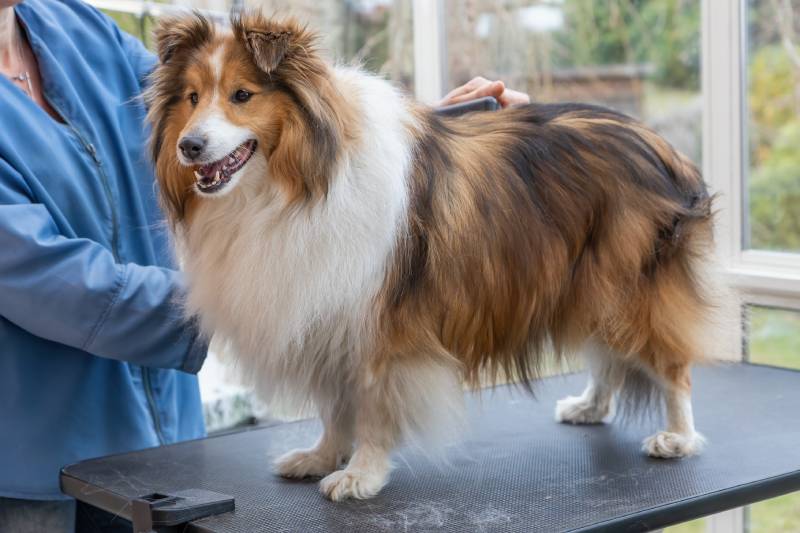
These dogs have long, dense fur. They should be brushed at minimum two or three times a week, and every other day will be best to help prevent matting and tangling. Regular brushing will also help spread around your pup’s natural skin oils which will keep their coat looking shiny and clean.
You should also plan to bathe your Shetland Sheepdog about once a month and no more often. Frequent bathing can lead to skin irritation and infection, so only bathe more often if your pooch finds its way into a particularly messy situation.
You might also like: 8 Amazing Shetland Sheepdog Sheltie Haircuts (With Pictures)

Final Thoughts
Although the main Shetland Sheepdog colors remain the same throughout several of the colorations we’ve talked about here, the differences between the variations can be striking. No matter which Sheltie color pattern you choose, you can be certain that committing to a Sheltie will bring you and your family a wonderful companion who will love and protect you above all else.
Related Read:
Featured Image Credit: Erkki Makkonen, Shutterstock
Get Hepper In Your Inbox


Pet care tips from our vets and experts, straight to your inbox.
You may opt-out at any time. View our Privacy Policy for more information.

Nicole is a lover of animals of all sizes but is especially fascinated with the feline variety. She’s the proud mom of Baby, a Burmese, and works every day so he can relax in the sunshine or by the fire. She’s always had a cat in her home and has spent countless days with others, observing behaviors and softening up even the grouchiest of the lot. Nicole wants to share her kitty expertise with you so you and your cat can live happy, healthy, and care-free.
Join the conversation
Ask a question, share your story, or send private feedback.