Hepper is reader-supported. When you buy via links on our site, we may earn an affiliate commission at no cost to you. Learn more.
Blue Merle Shetland Sheepdog (Sheltie): Info, Pictures, Characteristics & History
In this article
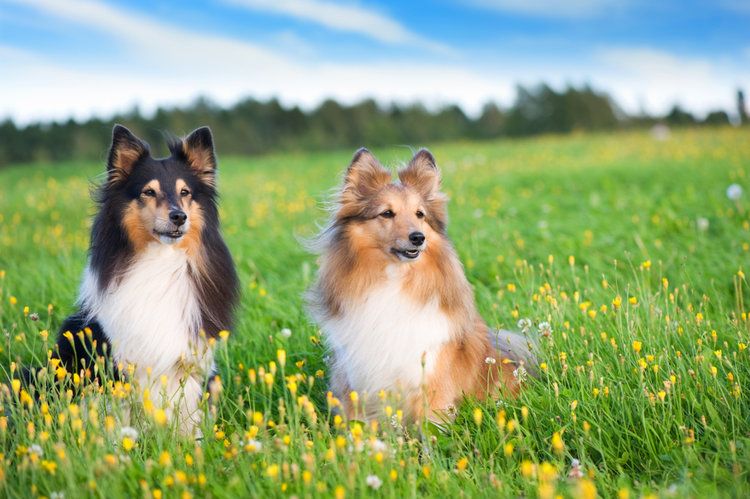
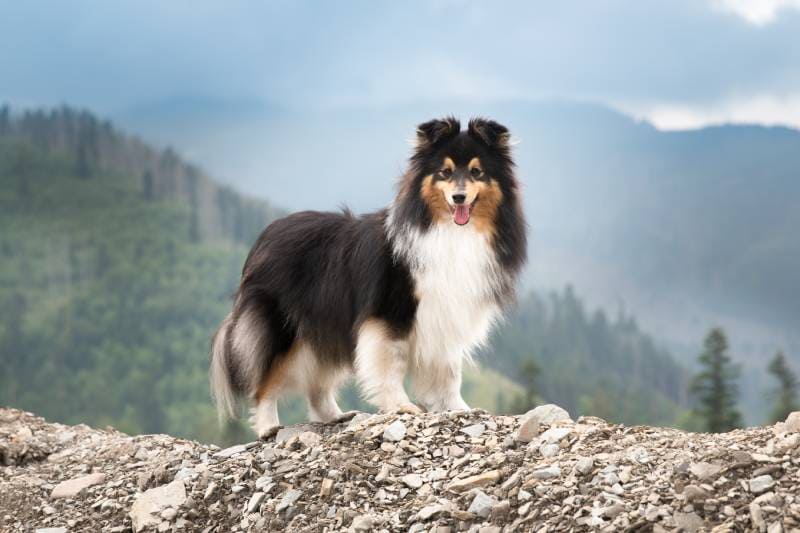
The Shetland Sheepdog, also known as the Sheltie, is a popular and reliable herding dog from the Shetland Islands of Scotland. They are intelligent and loyal medium-sized dogs that have grown to become beloved family dogs.
With a rich history, this energetic herding dog is versatile and capable of excelling in a variety of activities while sporting a variety of beautiful color coat combinations. The blue merle coat in particular is a special and somewhat uncommon color pattern that is highly sought after.
Here, we take a deeper look at the Blue Merle Shetland Sheepdog!
Breed Overview
Height:
Weight:
Lifespan:
Colors:
Suitable for:
Temperament:
The Blue Merle Sheltie is simply a color variation of the Shetland Sheepdog, meaning there are rarely any behavioral or temperamental differences between Blue Merle Shelties and other colored Shelties.
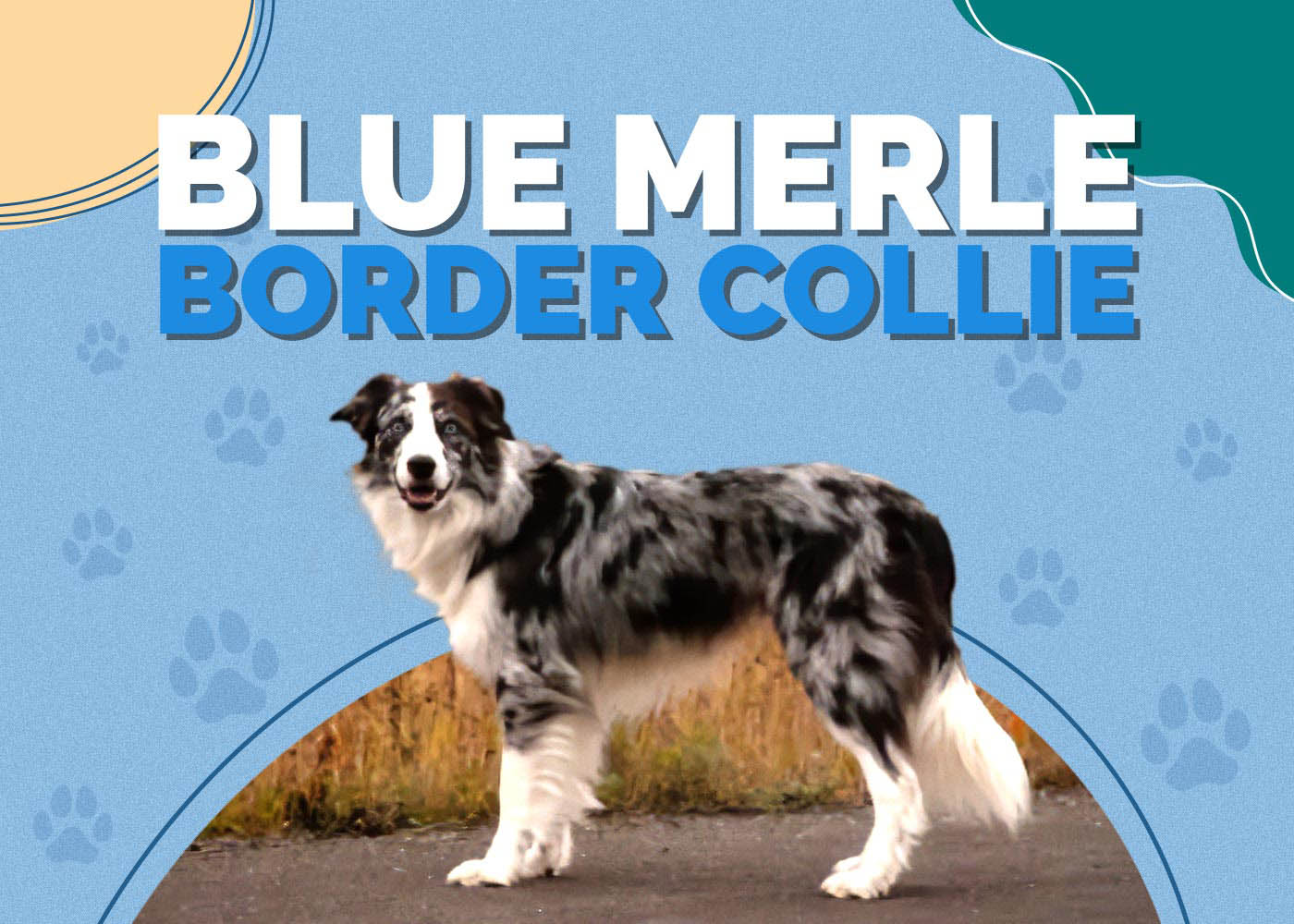
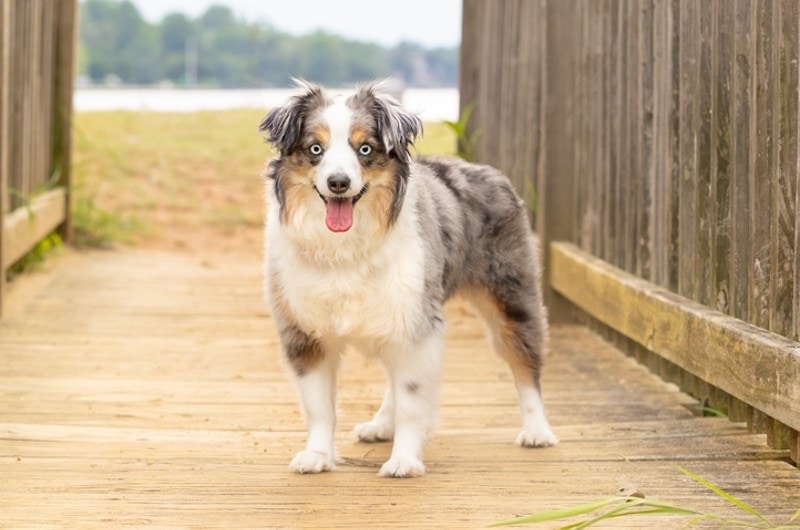
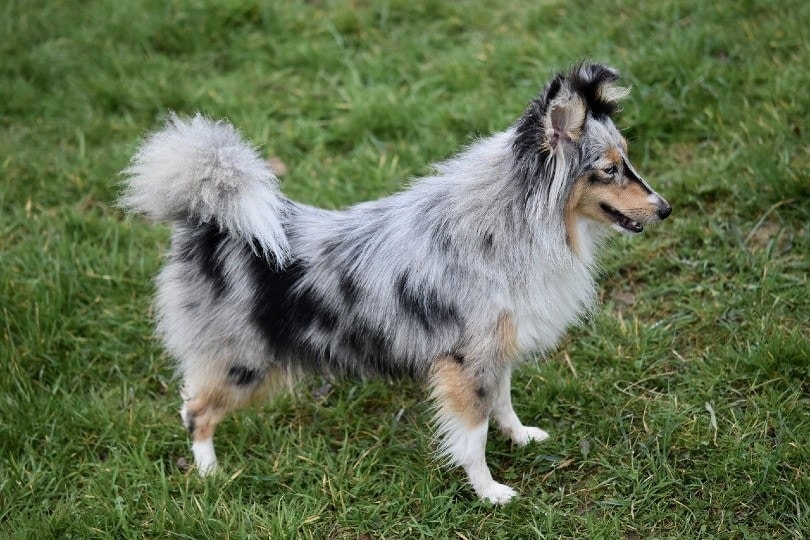
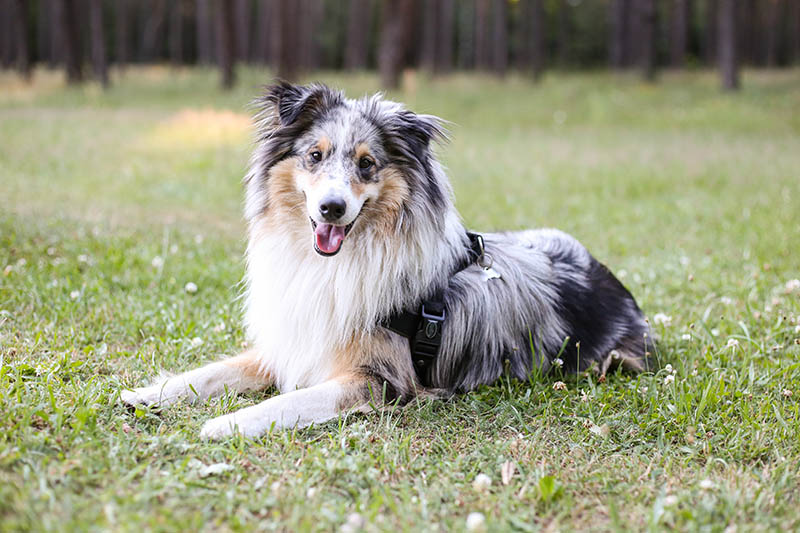
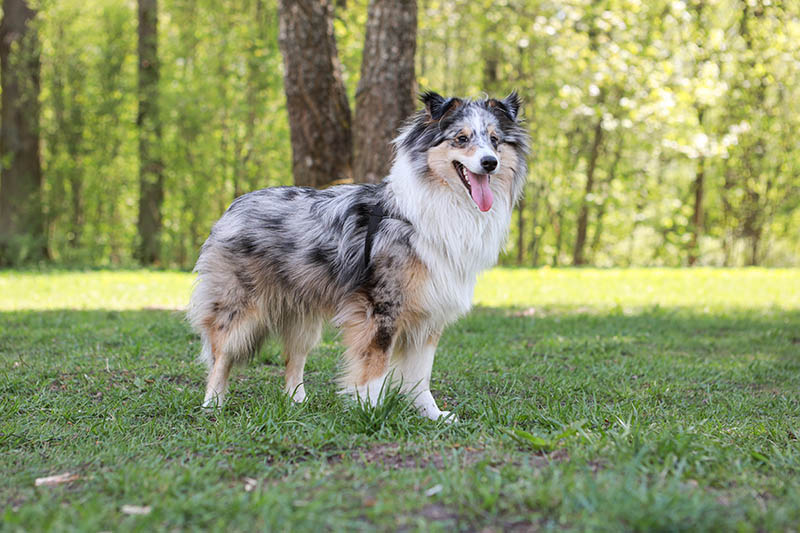
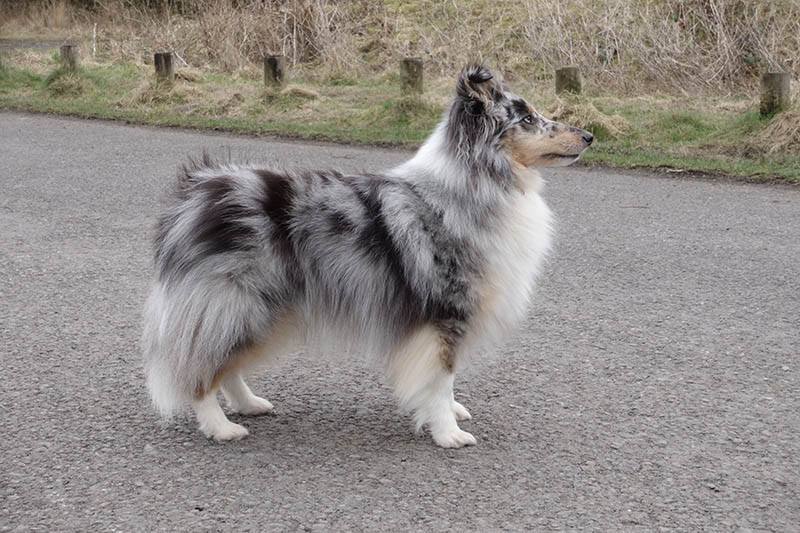
They Blue Merle Sheltie’s appearance is due to a genetic mutation, which results in the dilution of the black pigment, softening the black into shades of gray. This blue-gray coat with black patches gives the Blue Merle Sheltie a striking and unique appearance!

Blue Merle Shetland Sheepdog Breed Characteristics
The Earliest Records of Blue Merle Shetland Sheepdog in History
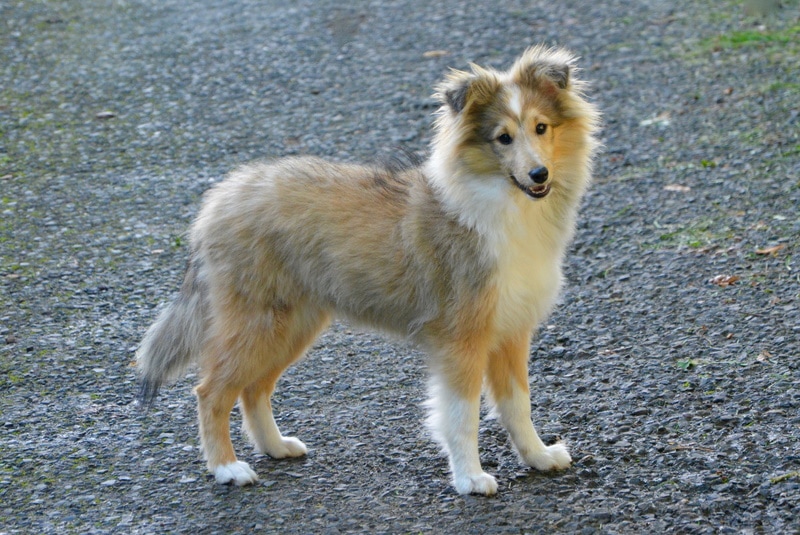
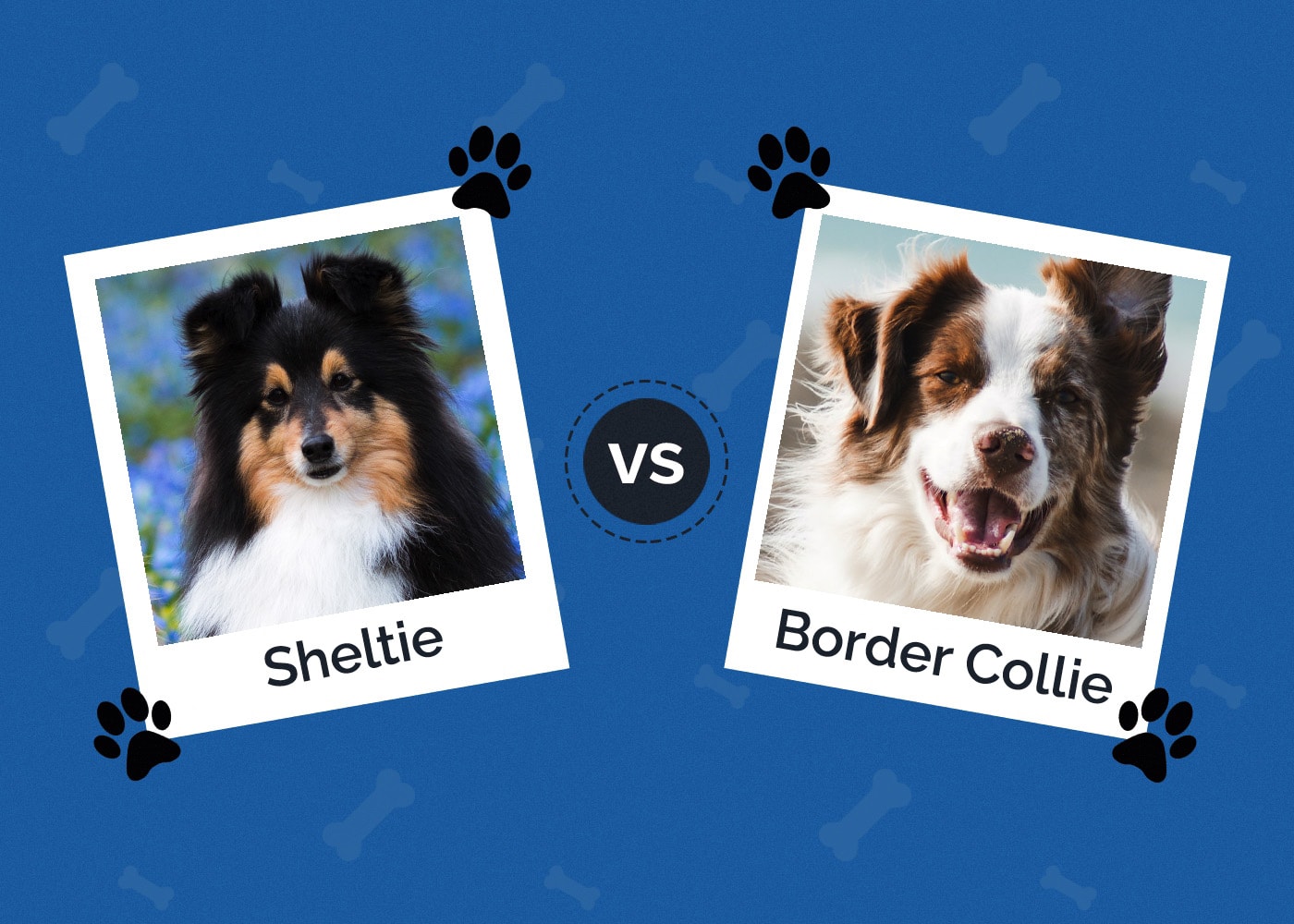
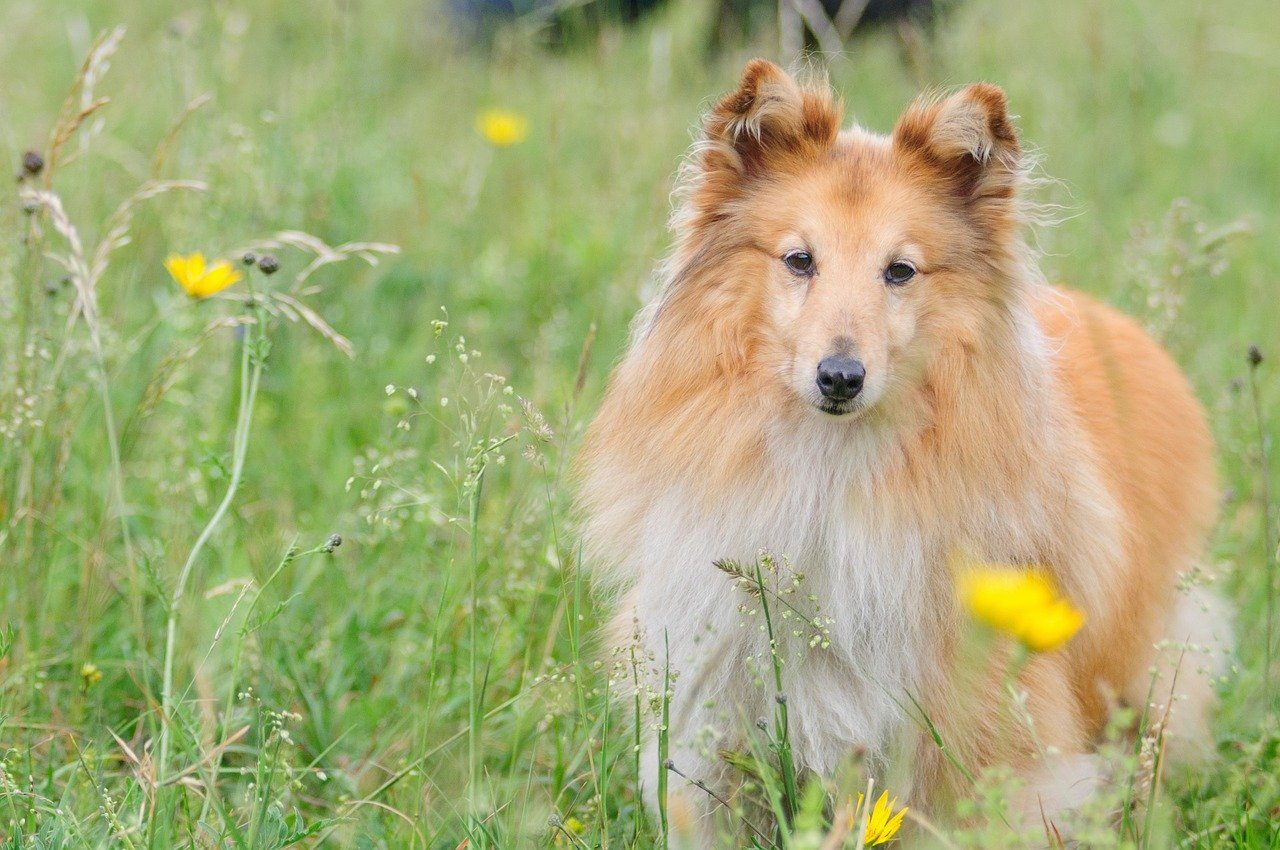
The Shetland Sheepdog, commonly known as the Sheltie, is a herding dog native to the Shetland Islands in the northernmost point of the United Kingdom. Often mistaken as “miniature Collies”, they share the same ancestors as their Collie cousins, but are considered a different breed altogether.
Although the history and breeding of the Shelties were lost in history due to the lack of documentation of the native farmers of the islands, the Sheltie’s small size can be attributed to the hard conditions and scarcity of food in the Shetland Islands.
Eventually, sometime around the 20th century, Shelties were brought into the Scottish mainland and were bred down to the Sheltie size we know and love today. Due to the isolated nature of the Shetland Islands, Shelties were more or less unknown to the rest of the UK mainland until they were imported.
How Blue Merle Shetland Sheepdog Gained Popularity
Throughout history, the role of the Shetland Sheepdog has changed from a working farm dog to a beloved family companion and versatile activity dog. Shelties were favored by farmers for their compact size, especially in the hard living conditions of the Shetland Islands. They were primarily utilized to protect and herd sheep on the rough terrain of the islands.
When the Shelties finally reached the mainland in the 20th century, they quickly gained popularity due to their beautiful appearance, high intelligence, and versatility—eventually transitioning to roles of companions and activity dogs. Their agility, versatility, and obedience allowed them to excel in various dog sports, and even search and rescue tasks!
Today, Shelties are primarily sought for companionship and make popular family and therapy dogs. Their unique appearance, loyalty, and affectionate personalities have made Shelties a favorite among dog owners throughout history.
Formal Recognition of Blue Merle Shetland Sheepdog
Due to their resemblance to their larger Collie cousins, the Shetland Sheepdog was first recognized by the Kennel Club in England as the Shetland Collie in 1909. Collie enthusiasts disagreed, however, and the Kennel Club later changed the name of the breed to Shetland Sheepdog under the pressure of the community.
The American Kennel Club then recognized the Shetland Sheepdog in 1911, with the breed standard being 13–16 inches in height, and typically weighing 15–25 pounds.

Top 5 Unique Facts About The Blue Merle Shetland Sheepdog
1. The Blue Merle Sheltie’s Appearance Comes from a Genetic Mutation
The Blue Merle coat color in Shelties is the result of a complex genetic process that involves multiple genes. The Merle gene causes patches of diluted black pigment, resulting in the blue-grey-black coat pattern. The merle gene can also produce other variations, such as sable Merle and bi-blue.
2. The Blue Merle Appearance Is Not Really Blue
Despite the name “Blue Merle”, the Blue Merle Sheltie is not exactly blue. The Blue Merle Sheltie actually refers to the different shades of gray caused by the diluted pigment of black. The dilution of black pigment can also give the coat different patches, which can vary in patter, size, and intensity.
3. The Blue Merle Sheltie Has a Rare Color Coat
Blue Merle Shelties are considered rare and highly sought after due to the complex genetic process involved in their breeding. This can make breeding difficult, making them generally uncommon compared to other Sheltie coat colors in various breeding programs.
4. Shetland Sheepdogs Are One of the Most Intelligent Dog Breeds
With their history of herding cattle in harsh conditions, it is no surprise that the Shetland Sheepdog is a highly intelligent breed of dog. In fact, according to a psychologist who gave dogs intelligence rankings in 2006, the Sheltie is actually ranked number six in intelligence!
5. Shetland Sheepdogs Prefer Cold Weather
Shelties thrived in the cold and rugged environment of the Shetland Islands. In order to adapt, Shelties are equipped with a long, double coat that allows them to stay warm in colder temperatures. This also makes them susceptible to overheating in warmer weather, so it’s best to keep your Sheltie cool and well-hydrated.
Does the Blue Merle Shetland Sheepdog Make a Good Pet?
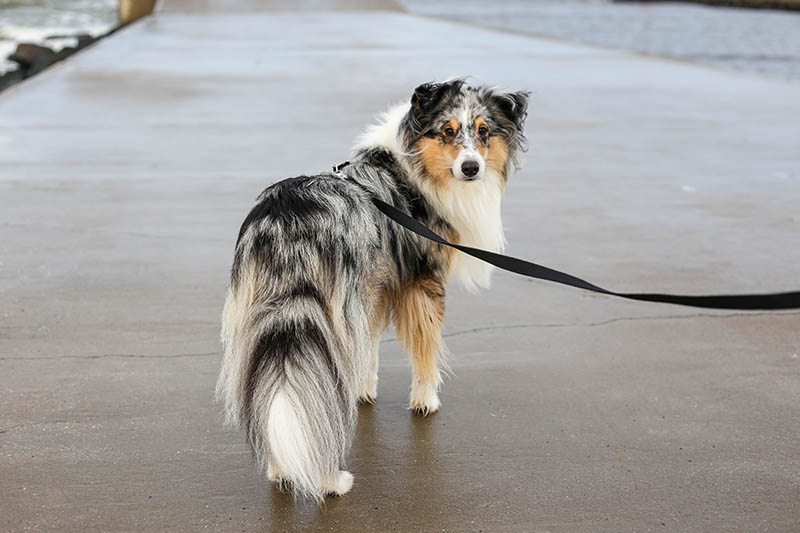
Blue Merle Shetland Sheepdogs are highly intelligent and loyal dogs that make excellent family dogs. They are small and compact and have charming personalities. They are affectionate dogs that love human companionship and even work well with children.
Shelties are known to be sociable dogs that can get along with other pets and strangers with proper training and socialization. They also have a high tendency to bark, making them good watchdogs.
The Blue Merle Shetland Sheepdog has a double coat that sheds considerably, more so during the shedding seasons of spring and fall. To keep their coats healthy, Shelties should be brushed at least once a week to remove tangles, mats, and any loose hair. Because of their heavy shedding coat, they are not considered a hypoallergenic breed.
Also see: Best Dog Shampoos - Reviews & Top Picks

Conclusion
The Blue Merle Shetland Sheepdog is a beautiful medium-sized dog packed with personality and affection. Their beautiful blue merle coat is a unique variation of Sheltie coats that has different shades of gray. They are highly intelligent dogs with a history of herding in the rugged environment of the Shetland Islands and, over time, have proven to be one of the most lovable, beautiful, and capable family dogs available today!
Sources
Featured Image Credit: arturs.stiebrins, Shutterstock
Get Hepper In Your Inbox


Pet care tips from our vets and experts, straight to your inbox.
You may opt-out at any time. View our Privacy Policy for more information.

Nicole is a lover of animals of all sizes but is especially fascinated with the feline variety. She’s the proud mom of Baby, a Burmese, and works every day so he can relax in the sunshine or by the fire. She’s always had a cat in her home and has spent countless days with others, observing behaviors and softening up even the grouchiest of the lot. Nicole wants to share her kitty expertise with you so you and your cat can live happy, healthy, and care-free.
Join the conversation
Ask a question, share your story, or send private feedback.