Hepper is reader-supported. When you buy via links on our site, we may earn an affiliate commission at no cost to you. Learn more.
How Long Do Shetland Sheepdogs (Shelties) Live? Average Lifespan, Data & Care

In this article
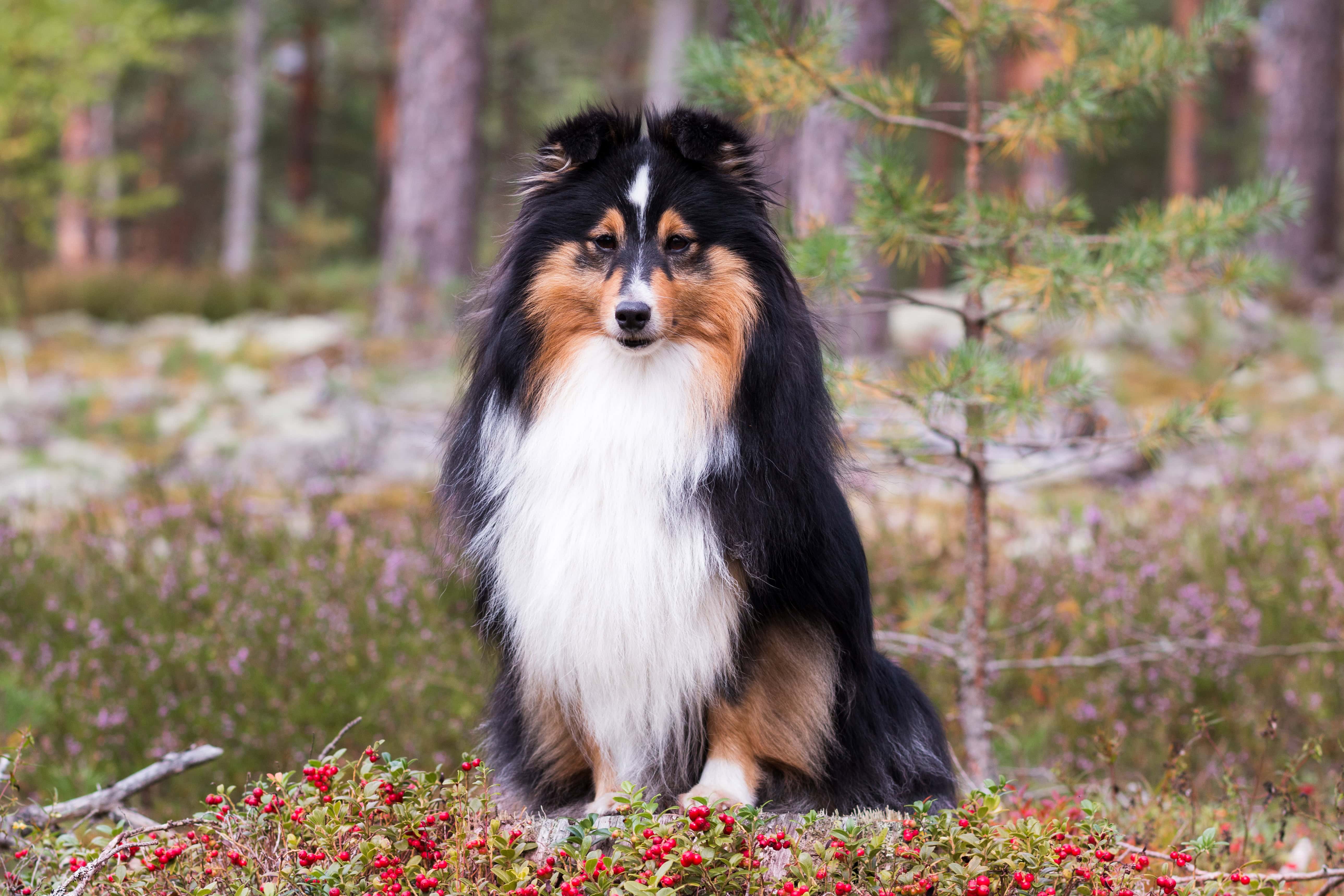
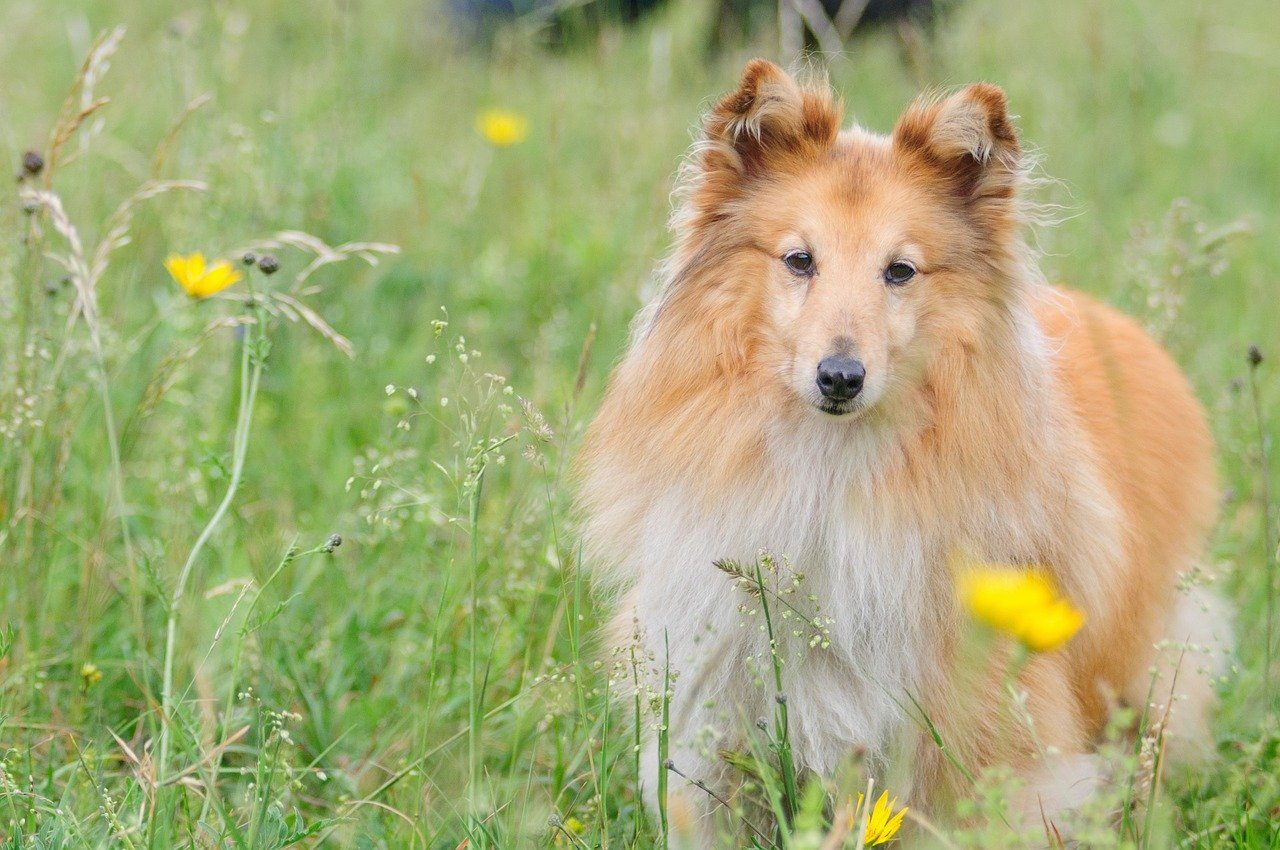
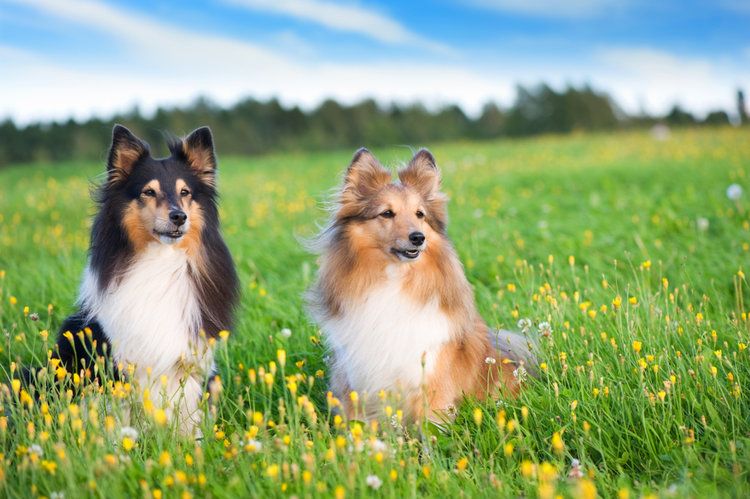
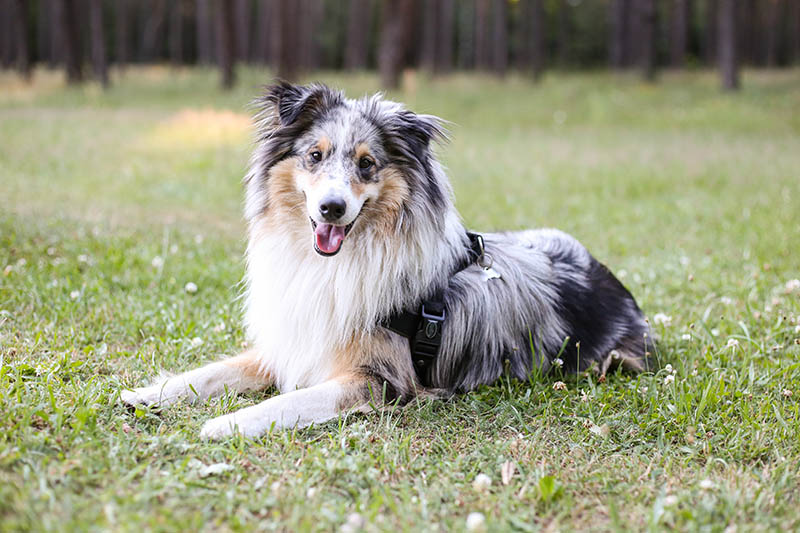
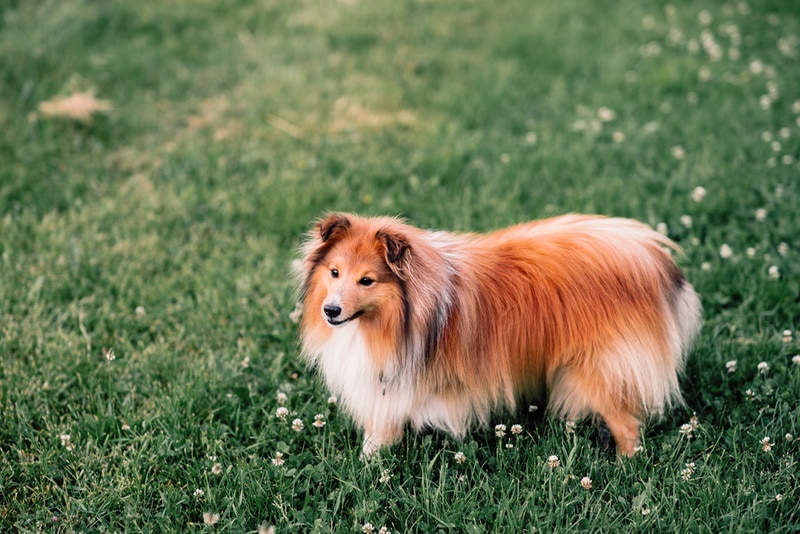
The Shetland Sheepdog, also known as the Sheltie, is a herding dog that originated from the Shetland Islands of Scotland. They are small to medium sized dogs with loads of energy and personality. As herding dogs, they are hardworking, intelligent, and require a lot of stimulation.
As purebred dogs, the Sheltie’s lifespan greatly depends on factors that include genetics, nutrition, and living conditions. The average age of a Shetland Sheepdog is around 13 years old. Read on to learn more about the average lifespan of Shelties in detail, along with important facts and figures.

What’s the Average Lifespan of a Shetland Sheepdog?
On average, small dogs live longer than larger dogs. Shelties are known to live up to 12–14 years but just like any purebred dog, this heavily depends on certain factors, such as genetics, nutrition, exercise, and overall health.
With proper care and regular visits to the veterinarian, a Shetland Sheepdog can live a happy and healthy life for many years.
Why Do Some Shetland Sheepdogs Live Longer Than Others?
Looking at a Sheltie’s long life, there are many factors to consider. The two-year gap between 12–14 years is not necessarily a large gap, but it can make a huge difference when it comes to a Sheltie’s lifespan. Here are a few factors that affect your Sheltie’s lifespan:
1. Nutrition
Proper nutrition is essential for a Shetland Sheepdog's overall health and longevity. A balanced diet that meets the nutritional requirements of Shelties can contribute to a healthy immune system, keep their organs and muscles functioning well, and help promote healthy aging. Conversely, an unbalanced or insufficient diet may result in malnutrition, obesity, and other health problems that could negatively impact a Sheltie’s average lifespan.
2. Environment and Conditions
The environment and conditions in which a Shetland Sheepdog lives can affect their lifespan. Exposure to toxic substances, extreme temperatures, and hazardous conditions can negatively impact their health.
It is also important to note that Shelties have a double coat that allowed them to survive the harsh conditions of the Shetland Islands, which can put them at risk of overheating in higher temperatures.
3. Enclosure Size/Living Quarters/Housing
Shetland Sheepdogs are active and energetic dogs that require regular exercise and mental stimulation. Although small to medium in size, Shelties need ample space to move and burn energy.
Shelties can adapt to living in apartments or small homes with a yard, but they do best in homes with a larger, securely fenced yard where they can run and play. When it comes to housing or enclosures, it's important to provide a living space that is safe, comfortable, and suitable for their size and activity level.
4. Size
Shelties are considered small to medium in size and generally live longer than large dog breeds. Standing at 13–16 inches and weighing around 15–25 pounds, they can live up to 12–14 years, which is typical for dogs their size. It is important to control their weight by maintaining a healthy diet with regular exercise to prevent the complications of obesity.
5. Sex
On average, male and female Shelties have similar life expectancies. It is important to note that spaying or neutering your Sheltie can also reduce the risk of ovarian, uterine, and testicular cancer.
6. Genes
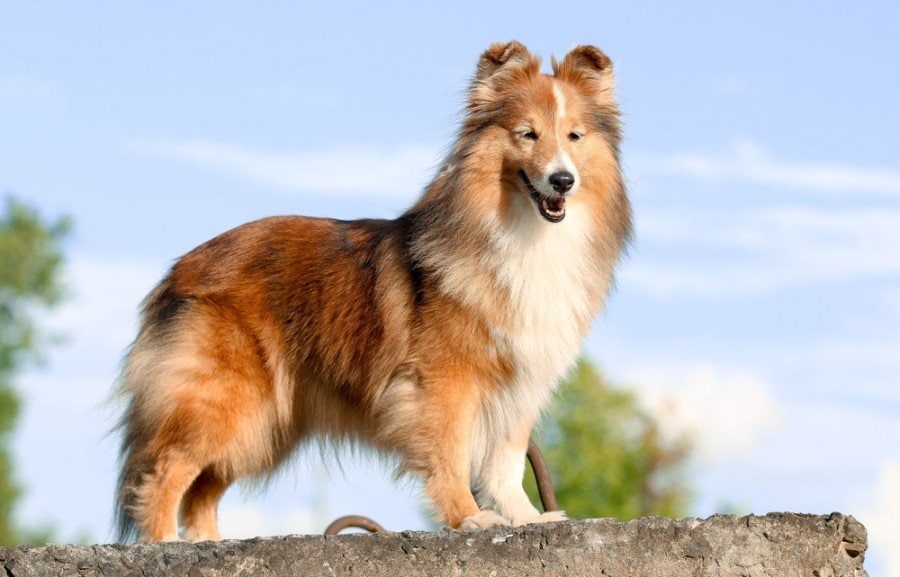
Genetics is one of the most important factors to consider when determining a Sheltie’s lifespan. Some genetic factors can contribute to the development of certain health problems, such as hip dysplasia, eye disorders, and autoimmune diseases, which can impact a dog's overall health and longevity. Additionally, genetic testing can help identify certain genetic mutations that are associated with reduced lifespans in Shelties.
7. Breeding History
Dogs that come from a line with a history of health problems are at a higher risk of developing those same issues. However, responsible breeding practices that include health testing and genetic diversity can reduce the risk of inherited health problems and promote a longer lifespan. Conversely, unethical breeding practices, such as inbreeding or overbreeding, can contribute to health problems and shorter lifespans.
8. Healthcare
Throughout your Sheltie’s life, proper healthcare is essential to your dog’s overall health. Good accessibility and regular check-ups with your veterinarian can help prevent and identify any potential complications for quick and proper treatment. Regular veterinary consultation can also provide you with recommendations regarding diet, exercise, and overall care for your Sheltie.

The 5 Life Stages of a Shetland Sheepdog
Newborn
Sheltie puppies are born with their eyes and ears closed and are completely dependent on their mother for nutrition and care. They have yet to develop the ability to regulate temperature, so it’s crucial that they stay bundled up or close to their mothers for warmth. During this stage, their primary focus is on growing and developing.
Puppy
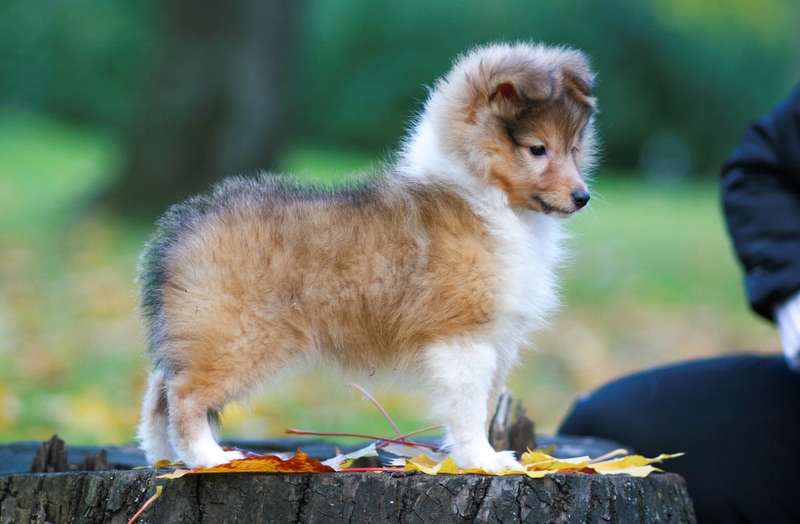
At three to four weeks of age, Sheltie puppies start to explore their surroundings and learn basic commands and socialization skills. They also begin teething and need plenty of exercise and playtime to support their physical and mental development.
Young Adult
Shelties are typically considered young adults or adolescents from six months to two years of age. At this stage, they reach their full height and weight and may experience some behavioral changes as they become more independent. They still require regular exercise and training to maintain their health and well-being.
Mature Adult
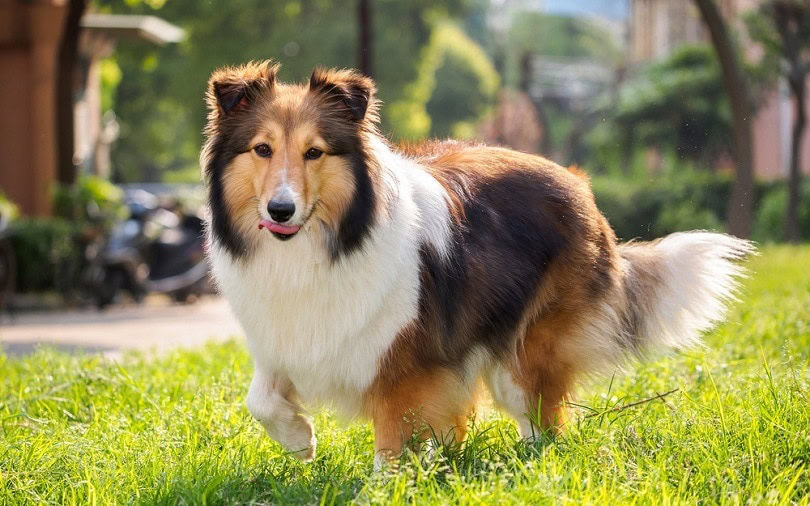
At two to seven years old, Shelties are now considered to be in their prime and require a balance of exercise, mental stimulation, and proper nutrition to stay healthy. They may begin to experience some age-related changes, such as joint stiffness and decreased activity levels.
Senior
Shelties enter their senior years at seven years old and onwards. Here, they may experience a decline in physical and cognitive function and may require more specialized care and attention. You might notice your Sheltie getting slower and exhibit drastic changes in behavior or habits. Regular vet check-ups, a nutritious diet, and low-impact exercise can help maintain their health and quality of life in their golden years.
How to Tell Your Shetland Sheepdog’s Age
The most accurate way to determine a Shetland Sheepdog's age is through a veterinary examination. A vet can examine the dog's teeth, eyes, coat, and overall health to estimate their age with more accuracy than other methods. In addition to examining the dog, the vet can also consider the dog's medical history and any other factors that may impact their age, such as their breeding history or lifestyle.
A Sheltie dog growth chart can also be used to determine a Sheltie’s age. This can be done by looking at their weight and physical development. For example, a Sheltie weighing between five to 10 pounds is likely to be between eight and 16 weeks old, while one weighing between 25–30 pounds is likely to be between six to seven months old.

Conclusion
Shelties are hardworking and resilient dogs with a history of surviving harsh conditions in the Shetland Islands. They are generally healthy dogs with a life span of 12 to 14 years. Their longevity is affected by factors like genetics, diet, exercise, and overall health.
Be sure to feed your Sheltie a healthy diet, provide them with proper exercise and stimulation, and regular vet check-ups to ensure they live a long and happy life!
Sources
Featured Image Credit: Lisjatina, Shutterstock
Get Hepper In Your Inbox


Pet care tips from our vets and experts, straight to your inbox.
You may opt-out at any time. View our Privacy Policy for more information.

Nicole is a lover of animals of all sizes but is especially fascinated with the feline variety. She’s the proud mom of Baby, a Burmese, and works every day so he can relax in the sunshine or by the fire. She’s always had a cat in her home and has spent countless days with others, observing behaviors and softening up even the grouchiest of the lot. Nicole wants to share her kitty expertise with you so you and your cat can live happy, healthy, and care-free.
Join the conversation
Ask a question, share your story, or send private feedback.