Hepper is reader-supported. When you buy via links on our site, we may earn an affiliate commission at no cost to you. Learn more.
Shih Tzu Teething: How Long Does It Going to Take & Tips

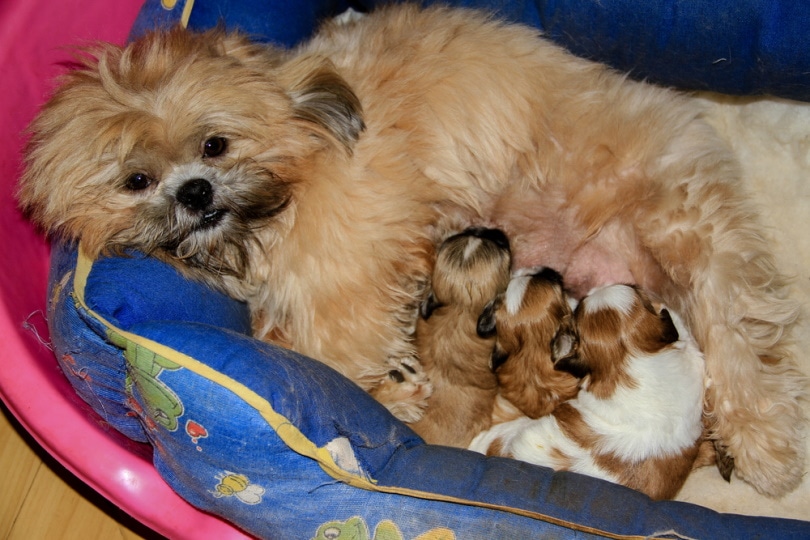
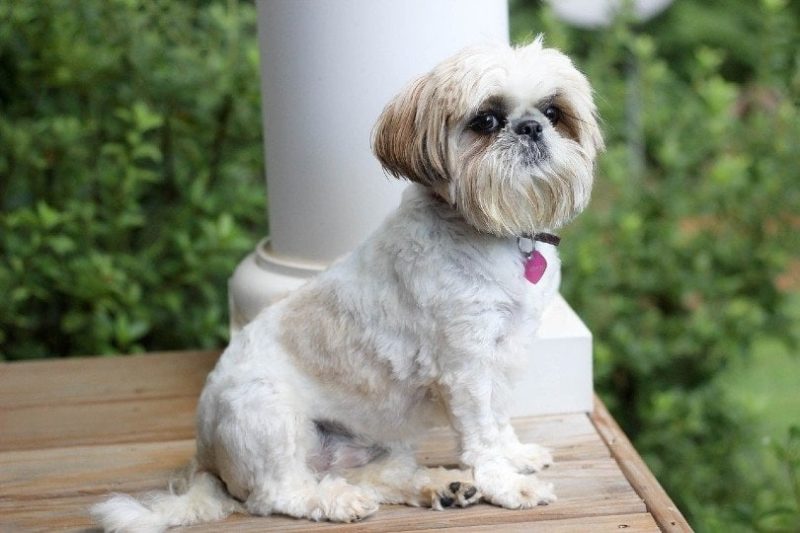
Shih Tzu puppies may look like living stuffed animals, but raising them isn’t always fun and games. That’s especially true during teething, when your cute puppy may develop a short temper and a destructive chewing habit. If you’re wondering how long Shih Tzu teething will take, you can expect about 2–4 months before the entire process is complete.
In this article, we’ll cover what to expect during the teething process and tips for surviving the experience. You’ll also find information about what to do if not all your puppy’s teeth fall out as they should, plus dental care tips for Shih Tzus.

What to Expect During the Shih Tzu Teething Process
Typically, Shih Tzu puppies will start getting their baby teeth at around 3 weeks old, with the full 28 chompers in place by 6 weeks. The teething process begins at around 4 months, as the baby teeth fall out and are replaced by the permanent adult versions.
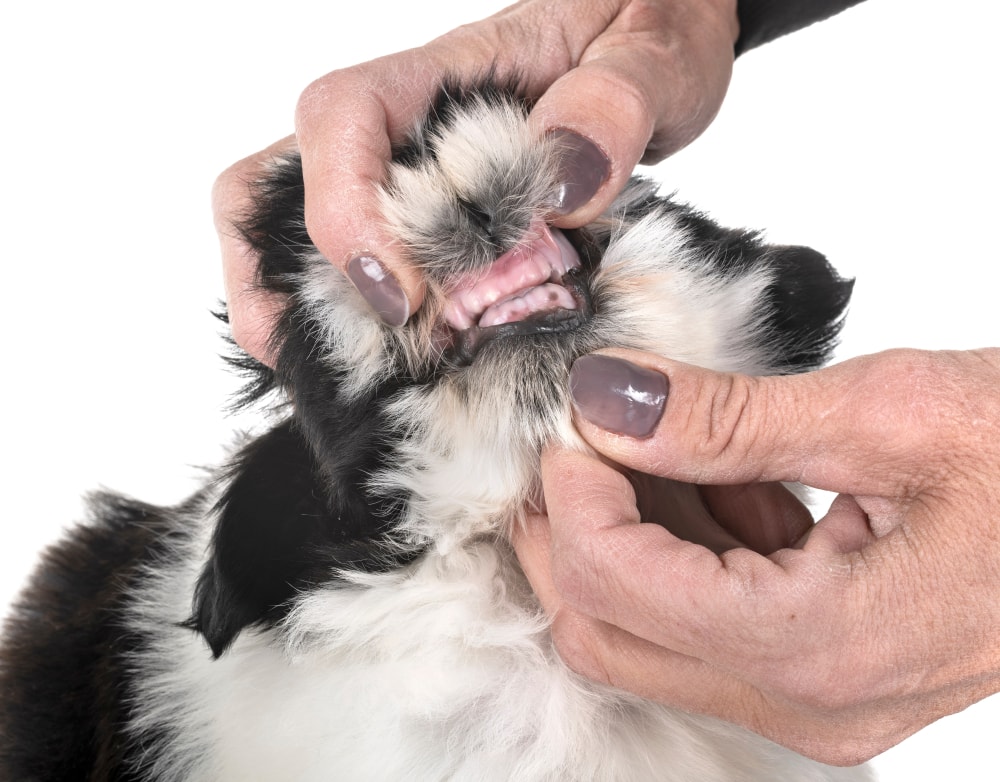
Shih Tzu puppies will lose their canine teeth last, at about 6 months. However, the teething process usually continues for another 1–2 months as the adult teeth continue to erupt. Molars and premolars are the last to arrive, for a total of 42 adult teeth.
Every Shih Tzu handles teething differently, so there’s no way to predict your own puppy’s reaction. Some common signs that your puppy is teething include:
- Drooling
- Sore, bleeding gums
- Irritability
- Difficulty eating
- Chewing on everything
Sometimes you’ll find lost puppy teeth lying around, but it’s more common for them to be swallowed. Don’t try to yank out loose teeth on your own because of the risk of infection.

Tips to Survive Shih Tzu Teething
Since teething will be a multi-month process, here are some tips to help you and your Shih Tzu puppy survive the time.
1. Puppy Proof Your House
To help soothe their sore mouth, Shih Tzu puppies have the instinct to chew. If you aren’t careful, they can gnaw on something dangerous or destroy a possession you were attached to. Keep shoes, kid’s toys, and other easily chewed objects safely put away.
Block access to electrical cords and keep items like chemicals and cleaners locked away. Consider using a puppy pen or crate to keep your Shih Tzu safely confined when you can’t directly supervise them.

2. Provide Safe Chew Objects
Providing safe chew objects is one of the essential steps you can take to help your puppy during the teething process. The key is choosing chew toys that aren’t too hard, or that may break into small pieces and potentially pose a choking hazard. Flexible chew toys are best.
At this age, your puppy shouldn’t chew hard bones, animal hooves, or even ice cubes. Never feed real bones (cooked or raw) to your puppy because they can damage teeth and injure the digestive system if swallowed.
3. Monitor Your Puppy’s Discomfort
Most puppies tolerate teething with minimal disruption to their daily lives. Contact your veterinarian if your Shih Tzu puppy doesn’t want to play, eat normally, or is uncomfortable.


What if Not All the Puppy Teeth Fall Out?
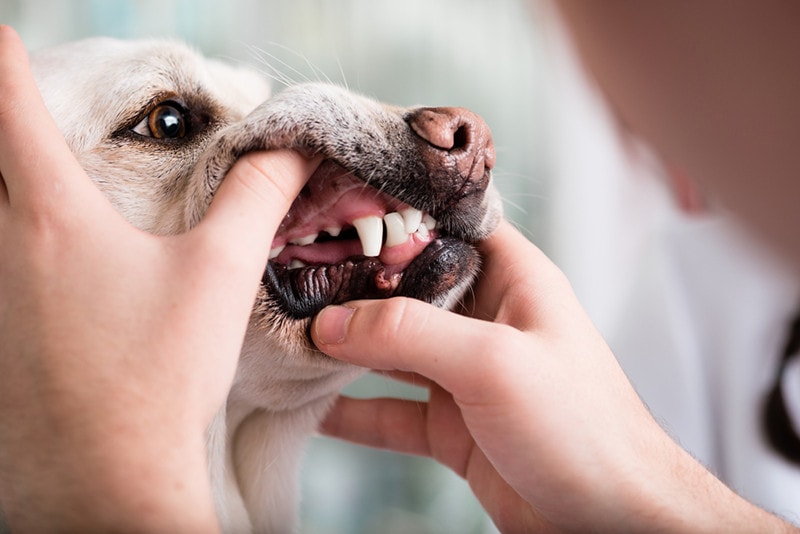
Sometimes, a puppy tooth doesn’t fall out when the adult tooth emerges. Both teeth end up crowding into the same spot. This condition is called “persistent” or “retained” deciduous (puppy) teeth.
Any dog can develop this condition, but small dogs and those with flatter faces tend to be more at risk. Shih Tzus checks both of those boxes, so there’s certainly a chance your puppy won’t lose all their baby teeth. Canine teeth are most commonly impacted. Your puppy’s adult tooth will look like it has a much smaller twin right next to it.
Dogs with persistent puppy teeth may experience pain and infection and an increased risk of dental disease. When the mouth is overcrowded, food is more easily trapped, causing the tartar and plaque to form faster.
Persistent baby teeth should be removed as soon as possible to avoid these complications and prevent adult teeth from growing out of place. If your puppy has crowded teeth, you can make an appointment with your veterinarian to discuss the process.
Dental Care Tips for Shih Tzu Puppies
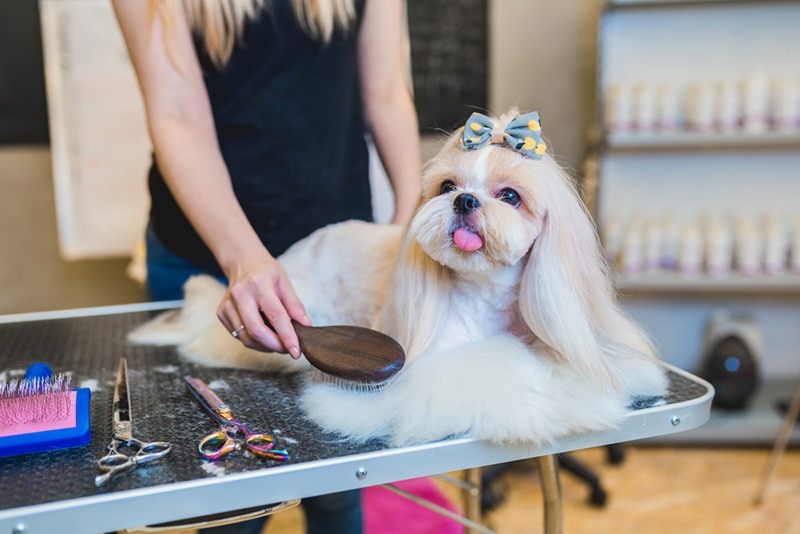
Like many small breeds, Shih Tzus are often prone to dental problems. Regular dental care should be part of your grooming routine to keep your teeth as healthy as possible. Getting your Shih Tzu puppy used to have its mouth handled at a young age will make this process easier as your dog grows.
Gently lift your puppy’s lips and touch its teeth and gums. Don’t let your puppy bite you but keep the situation playful and positive. Your goal is to teach your puppy that it’s normal to have their mouth touched so that when it’s time to start brushing their teeth, they’re more likely to accept it.
Ask your vet for recommendations for early dental care products for your Shih Tzu puppy. You may be able to use a soft finger brush to start cleaning your puppy’s teeth or water additives.

Conclusion
Teething is an unavoidable part of your Shih Tzu puppy’s growth process. In general, you can expect Shih Tzu teething to last about 2–4 months. Follow our suggested tips to help keep your puppy safe and as comfortable as possible when teething. The earlier you start your Shih Tzu puppy on a dental care routine, the better. If you’re uncertain where to begin, ask your veterinarian for help.
Sources
Featured Image By: Marissa B., Shutterstock
Get Hepper In Your Inbox


Pet care tips from our vets and experts, straight to your inbox.
You may opt-out at any time. View our Privacy Policy for more information.

A lifelong lover of all creatures great and small, Elizabeth got her first cat at 5 years old and at 14, she started working for her local veterinarian. After spending more than 20 years working as a veterinary nurse, Elizabeth decided to step away to become a stay-at-home parent to her daughter. Now, she is excited to share her knowledge with our pet parents. Elizabeth lives in Iowa with her family, including her two fur kids, Linnard, a husky mix and Algernon, the worldʻs most patient cat. When not writing, she enjoys reading, watching soccer, and spending time outdoors with her family.
Join the conversation
Ask a question, share your story, or send private feedback.