Hepper is reader-supported. When you buy via links on our site, we may earn an affiliate commission at no cost to you. Learn more.
When Do Golden Retrievers Stop Teething? The Interesting Answer!


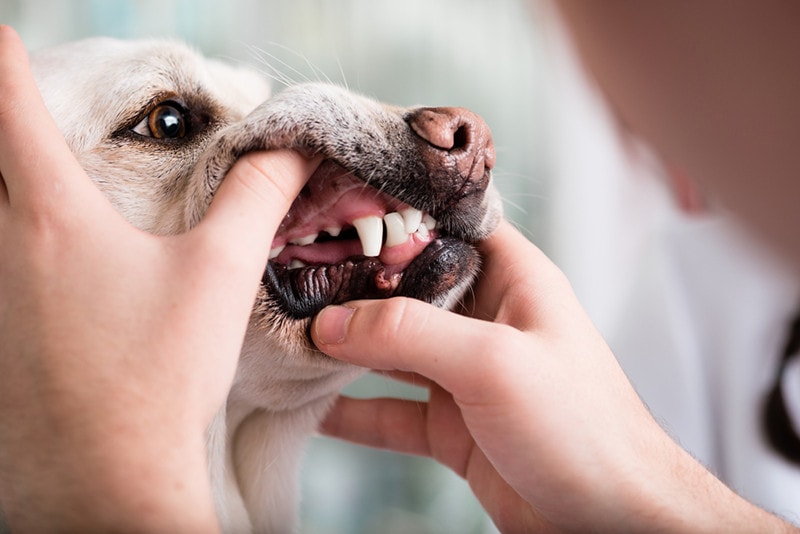
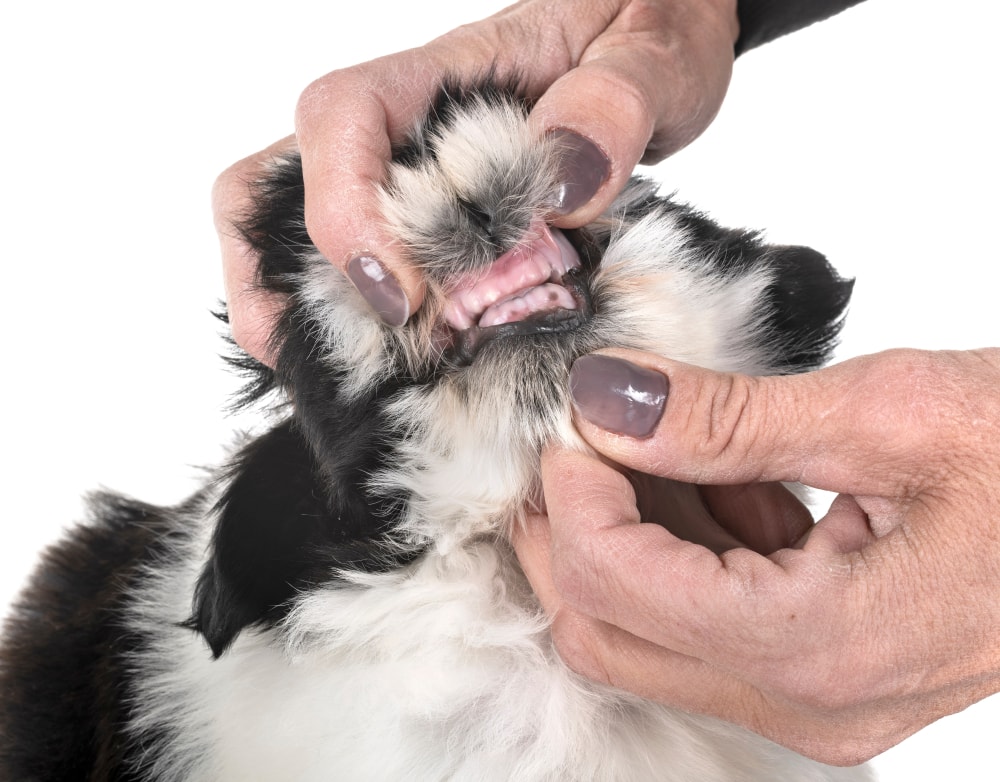
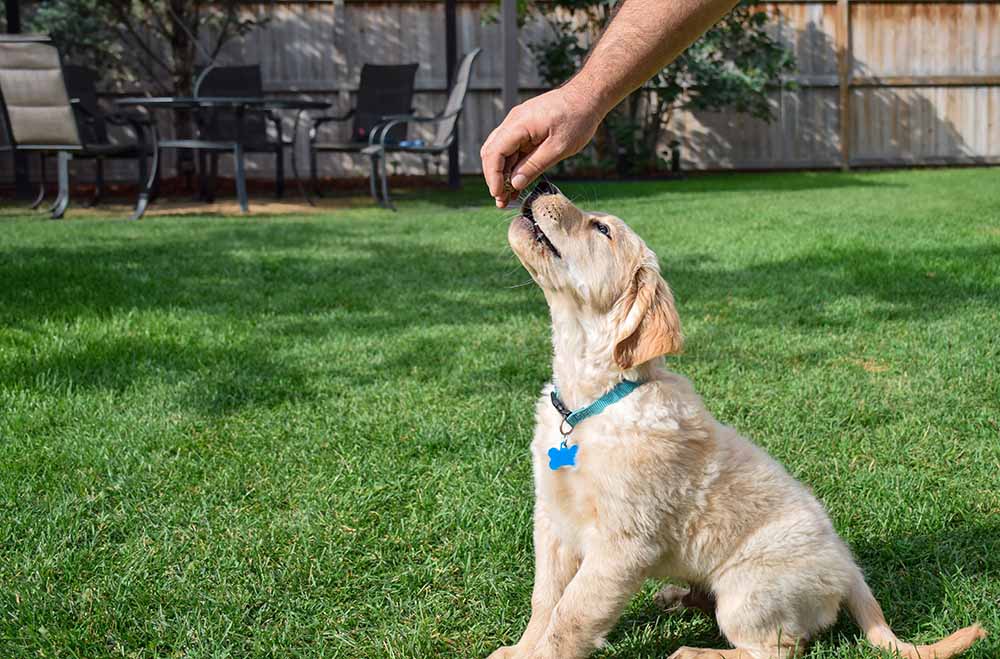
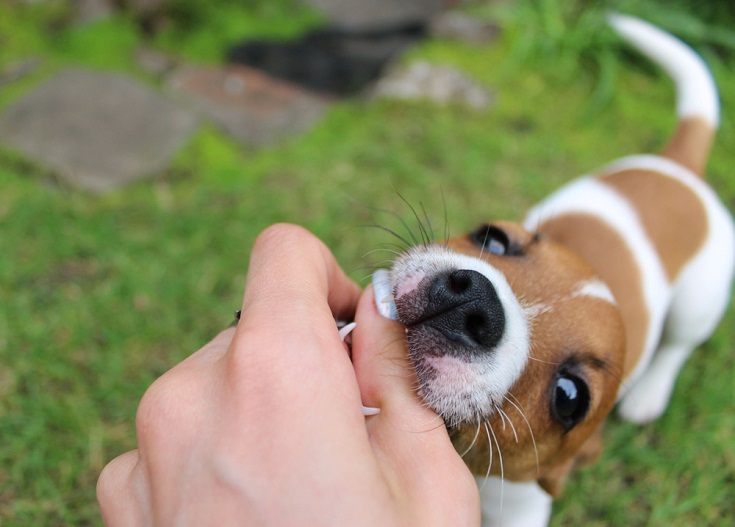
All puppies go through a teething phase, and Golden Retrievers are no exception. Teething begins when the puppy's baby teeth start to come in, which usually happens at around six weeks of age. The process continues until all of the puppy's permanent teeth have come in, which usually occurs around 6 or 7 months of age.
During this time, your puppy may experience some discomfort as their new teeth erupt. In this blog post, we will discuss when Golden Retrievers stop teething and offer tips for helping your pup through this phase!

Puppy Teething 101
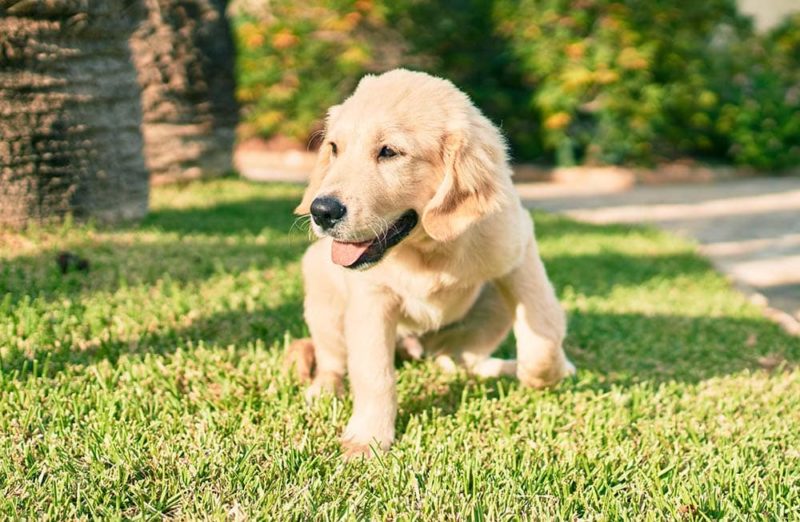
While all puppies go through a teething phase, the timing can vary somewhat from pup to pup. For Golden Retrievers, teething usually starts around six weeks of age and continues until all of the puppy's permanent teeth have come in. During this period, your puppy may experience some discomfort as their new teeth erupt through the gumline. There are things you can do to help your pup through this phase!
Helping Your Puppy Through the Teething Phase
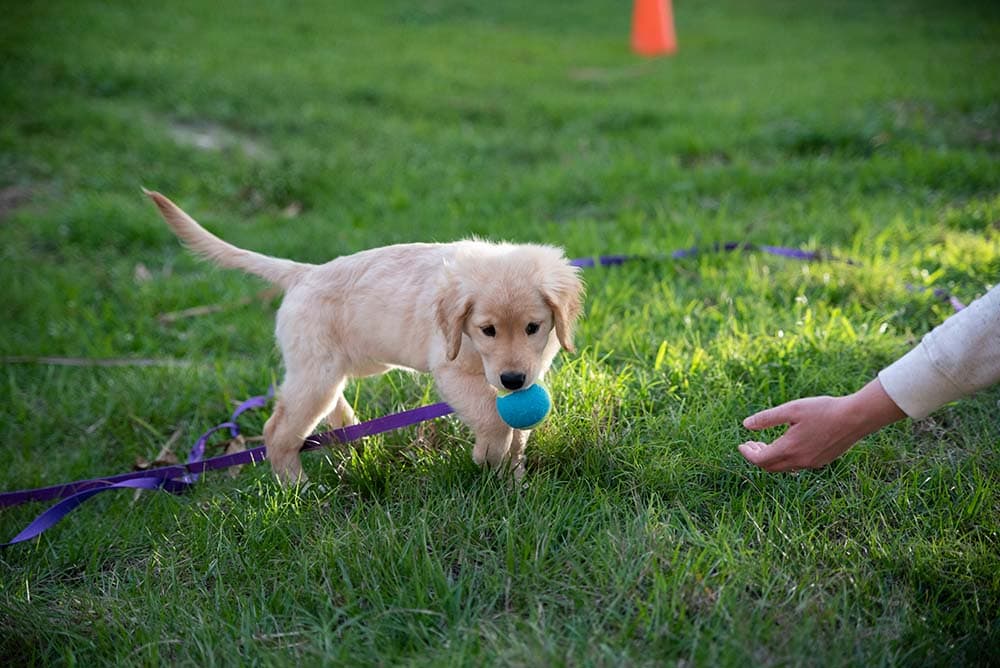
There are a few things that you can do to help your golden retriever pup during the teething process.
Tips for Choosing a Chew Toy for Your Teething Golden Retriever
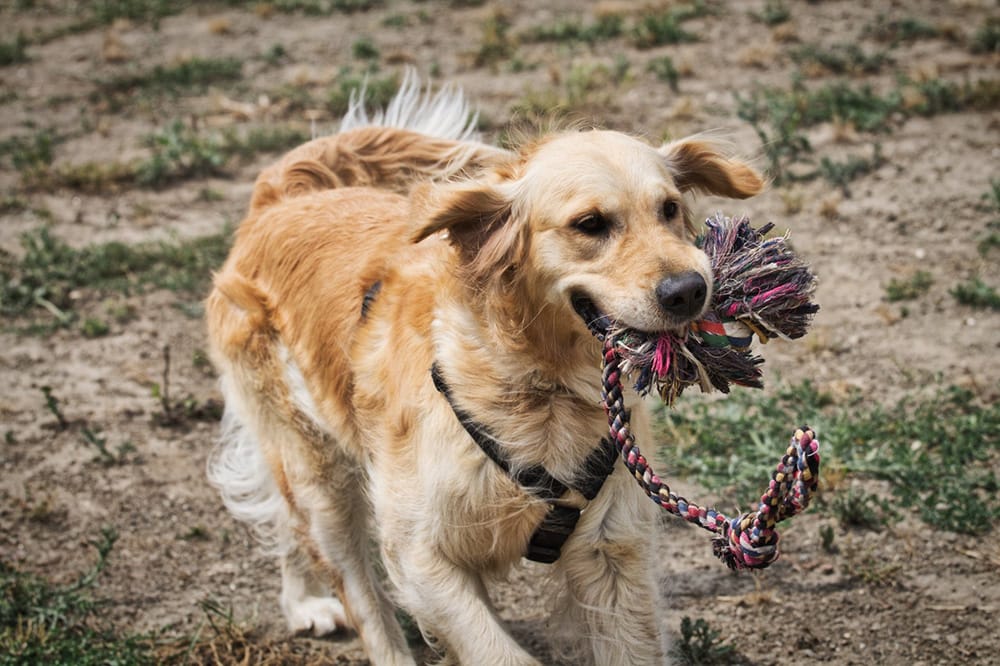
When choosing a chew toy for your teething golden retriever, there are a few things that you should keep in mind.
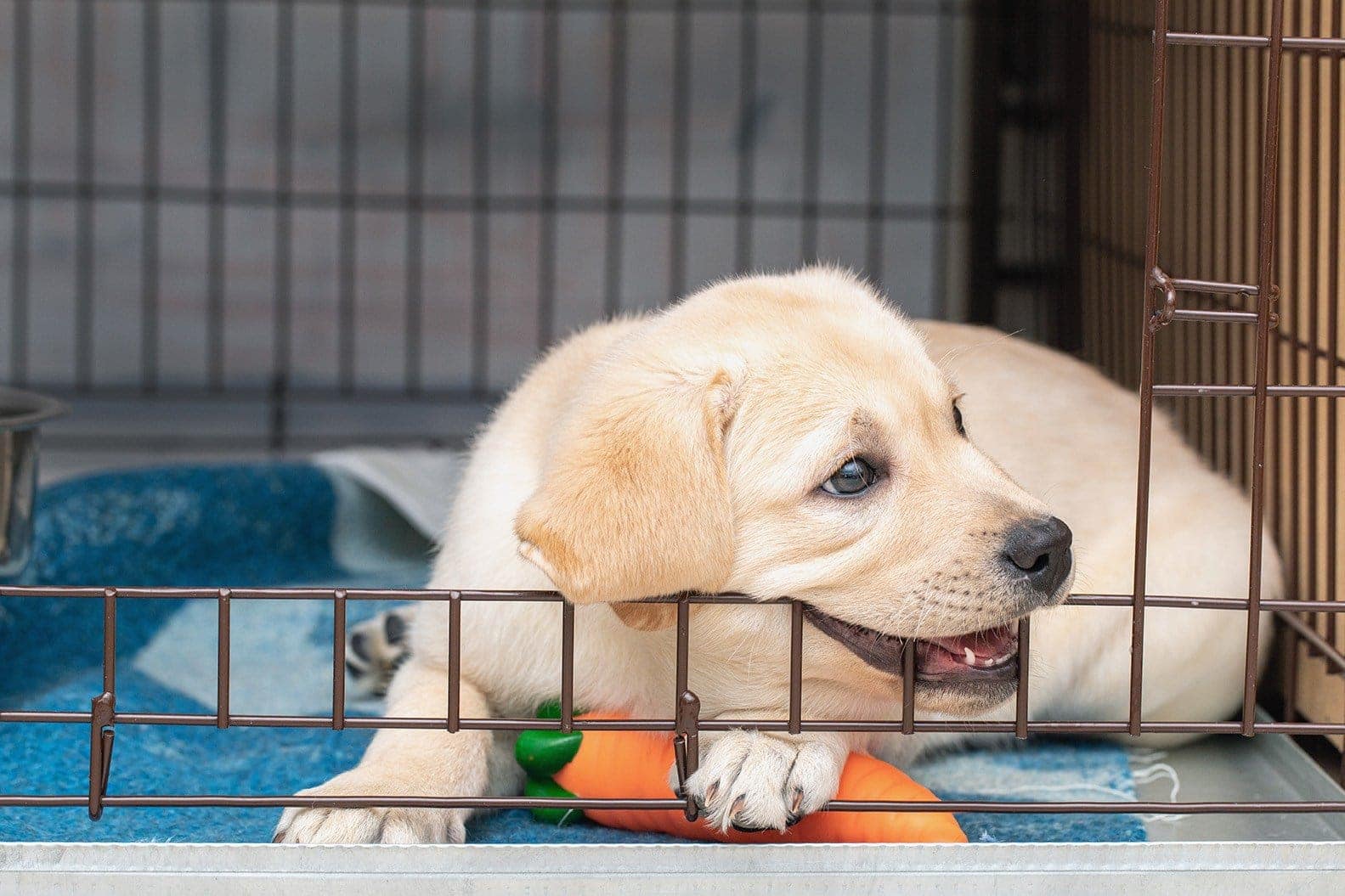
A good chew toy will not only help your puppy get through teething, but it will also save your furniture, shoes, and anything else your puppy can chew on.

Quick Puppy Teething FAQ
Q: When does teething start?
A: For Golden Retrievers, teething usually starts around six weeks of age.
Q: How long does it last?
A: Excessive chewing behavior can sometimes last up to eighteen months of age, even after the adult teeth have come in around 6 months.
Q: What are some things I can do to help my pup during this time?
A: You can give them chew toys, a frozen washcloth, or a Kong toy to chew on as well as plenty of praise and affection.
Q: Will my pup be in pain?
A: Some puppies may experience discomfort during the teething process. However, there are things that you can do to help alleviate their discomfort.
Q: What if my pup is still teething after eighteen months?
A: If your pup is still teething after eighteen months, it is best to consult with your veterinarian. While it's not necessarily anything serious, it's not typical, especially if your dog is in pain.

Q: Do all puppies go through a teething phase?
A: Yes, all puppies go through a teething phase. However, the timing can vary somewhat from pup to pup.
Q: Do puppies lose their baby teeth?
A: Yes, puppies lose their baby teeth as their permanent teeth come in. You may even find them around your house!
Q: Is it safe to keep my dog's teeth?
A: While you may be tempted to keep your dog's teeth as a souvenir, it is best to dispose of them. Baby teeth can harbor bacteria that can cause infection if they are not removed properly. If you insist on keeping them, make sure to sterilize them first. Sterilize it by boiling it for three to five minutes.
Q: Should I pull my puppy's loose tooth?
If your puppy's tooth is visibly loose, you may be tempted to pull it out. However, it is best to leave this to the professionals. Your veterinarian can safely and easily remove the tooth.

Q: Do puppies' gums bleed during teething?
A: Yes, it is not uncommon for puppies' gums to bleed during the teething process.
Q: What if I'm concerned about my pup's teething?
A: If you are concerned about your pup's teething, it is best to consult with your veterinarian. They will be able to help guide you through what to expect. If there are problems, your vet may also refer you to a canine dentist.
Q: What type of chew toy should I get for my teething pup?
A: When choosing a chew toy for your teething golden retriever, make sure that the toy is made of a durable material, such as rubber or nylon. You should also choose a toy that is the right size for your pup and one that you know they will enjoy.
Conclusion
Teething is a normal part of a puppy's development. However, it can be a difficult time for both you and your pup. By providing them with chew toys, a frozen washcloth or Kong toy to chew on, and plenty of praise and affection, you can help them get through this phase. If you have any questions or concerns about your pup's teething, be sure to consult with your veterinarian.
See also:
Featured Image By: Chace H, Shutterstock
Get Hepper In Your Inbox


Pet care tips from our vets and experts, straight to your inbox.
You may opt-out at any time. View our Privacy Policy for more information.
Nicole is a lover of animals of all sizes but is especially fascinated with the feline variety. She’s the proud mom of Baby, a Burmese, and works every day so he can relax in the sunshine or by the fire. She’s always had a cat in her home and has spent countless days with others, observing behaviors and softening up even the grouchiest of the lot. Nicole wants to share her kitty expertise with you so you and your cat can live happy, healthy, and care-free.
Join the conversation
Ask a question, share your story, or send private feedback.