Hepper is reader-supported. When you buy via links on our site, we may earn an affiliate commission at no cost to you. Learn more.
Puppy Breath: Vet-Approved Causes & Concerns Explained


In this article
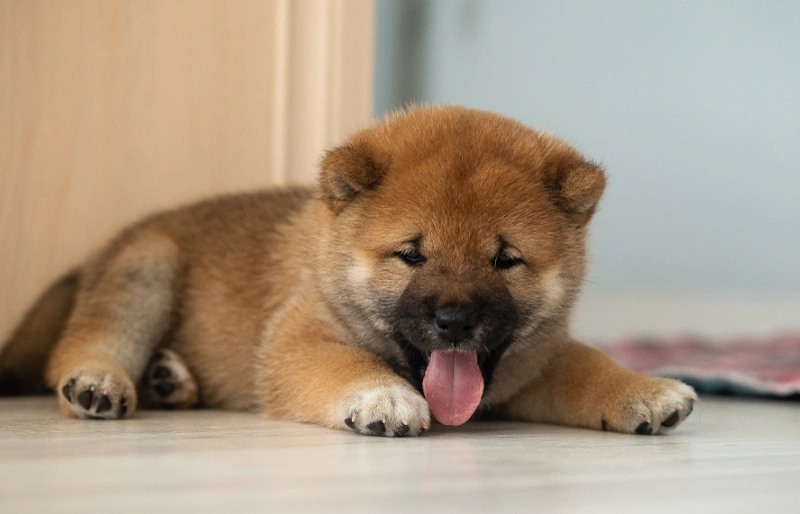
In the same way that newborn babies have a new baby smell, so do puppies; in particular, their breath. Puppy breath has a distinctly soft and sweet odor that some people love and find adorable while others dislike it. The phenomenon of puppy breath is a completely normal occurrence and nothing to be concerned about unless you notice a change in its smell. Although not every puppy will have puppy breath, most do.

What Is Puppy Breath?
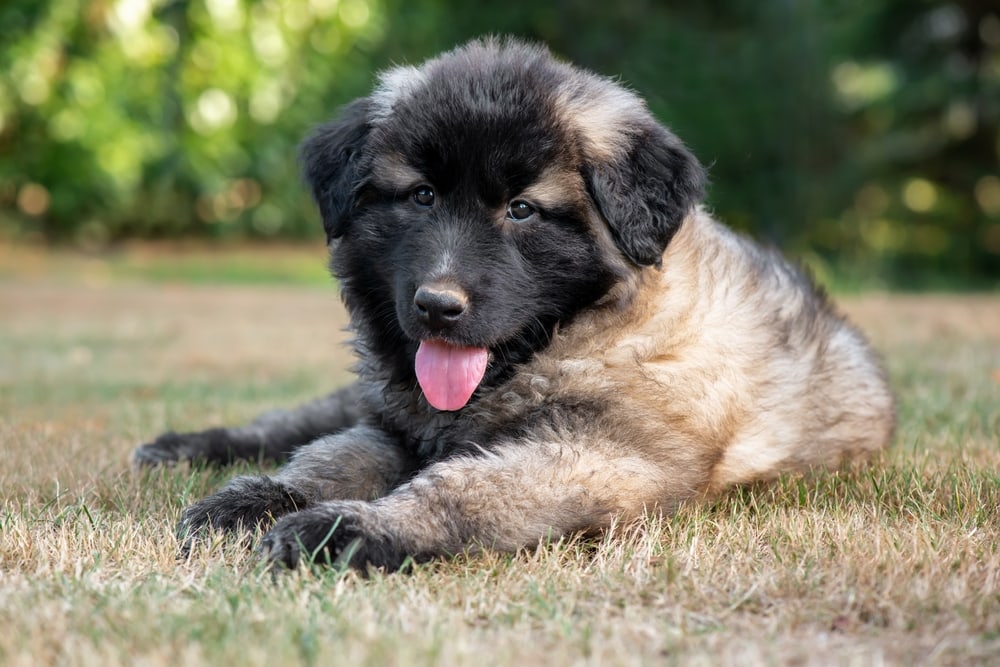
“Puppy breath” is a term given to the characteristic smell of a puppy’s breath. It is present when they are born and lasts for a few months. It can be noticed if you smell near the puppy's mouth, especially when they yawn or when they breathe out.

What Are the Causes of Puppy Breath?
The exact cause of puppy breath is somewhat of a mystery to veterinarians, but it is thought to be due to a combination of a few factors:
What Does Puppy Breath Smell Like?
Unlike an adult dog’s breath which can be stinky from the various foods and bacteria present, puppy breath is quite the opposite. It's almost sweet and can be most likened to the smell of the mother’s milk. Although most puppies do have this distinctive smell, there are a few pups that don’t, and this, too, in most cases, is normal. If your puppy is in the minority without puppy breath, it is likely because of your puppy’s individual habits, but it can sometimes be because there is an underlying health issue.


When Should I Worry About My Puppy's Breath?
The presence of puppy breath is expected, normal, and nothing to be concerned or worried about. Yet, if you notice something not right and outside their normal smell, such as a bad odor or an increased breathing rate, then contact your veterinarian for advice and a check-up.
Puppies and young dogs will often find and consume yucky or strong-smelling food items they think are wonderful but could have gone bad. In these cases, the odd or bad smell should subside after a few hours as digestion of the offending food takes place. If the bad smell is still present a day or two later, check in with your veterinarian.
Certain health problems can sour puppy breath easily, and examples of abnormal odors would be those smelling similar to ammonia or having a metal-type odor (the latter is perhaps due to blood in the mouth from new teeth).

How Do I Care for a Puppy With Puppy Breath?
Other than acting on any new or sudden changes in the smell of your pup’s breath, there is little to do in the way of caring for your puppy’s breath specifically. However, introducing good dental hygiene as early and as soon as possible is a good idea and important to maintain healthy teeth and fresh breath.
Dental (periodontal) disease is exceptionally common and can become problematic quickly. It is estimated around 80% of dogs 3 years and older have some form of dental disease. Prevention is the key and definitely reduces the chance of your dog needing treatment further down the line. It’s harder (and more expensive) to correct dental problems than it is to prevent them.
Signs of Dental Problems to Look Out:
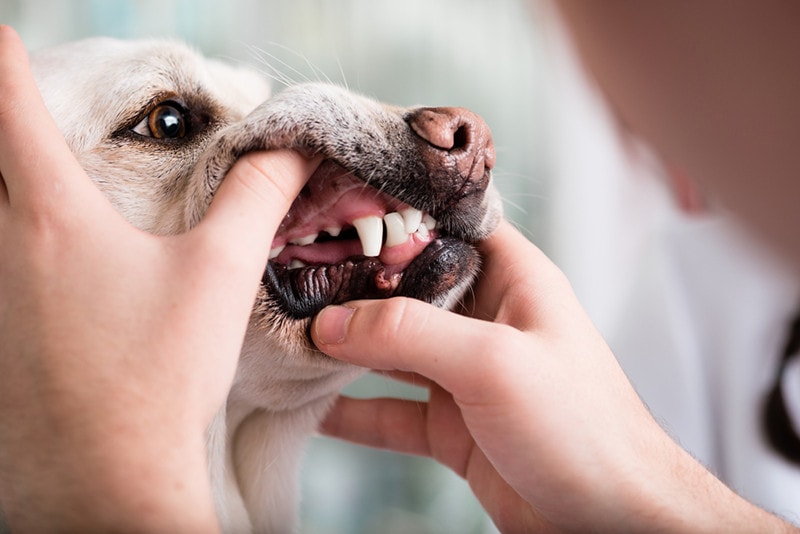
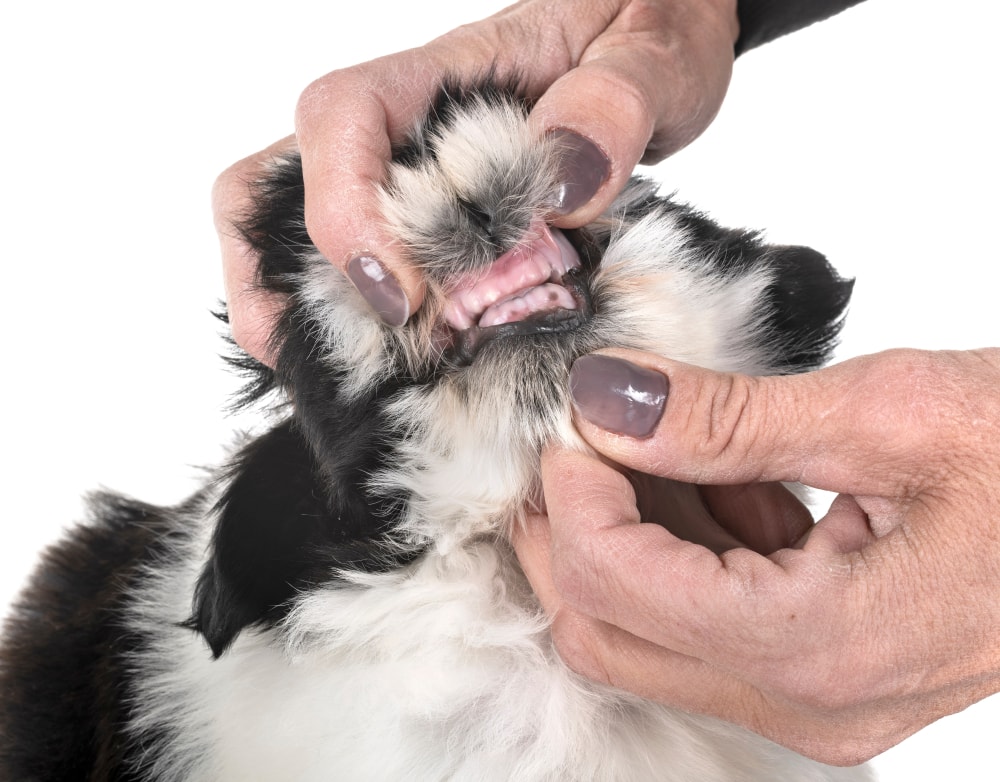
Beginning a dental regime as soon as possible enables your dog to become used to simple acts such as opening their mouth and rubbing their gums. In turn, these acts can be gradually increased to brushing. Starting early reduces any issues and fear your puppy may have around dental care making it easier and non-stressful as they get older. It is also helpful for you as well as some pet parents find it tricky to fit consistent daily dental care into their routines later in their dog’s life. Starting from the get-go is a blessing both for you and your puppy.
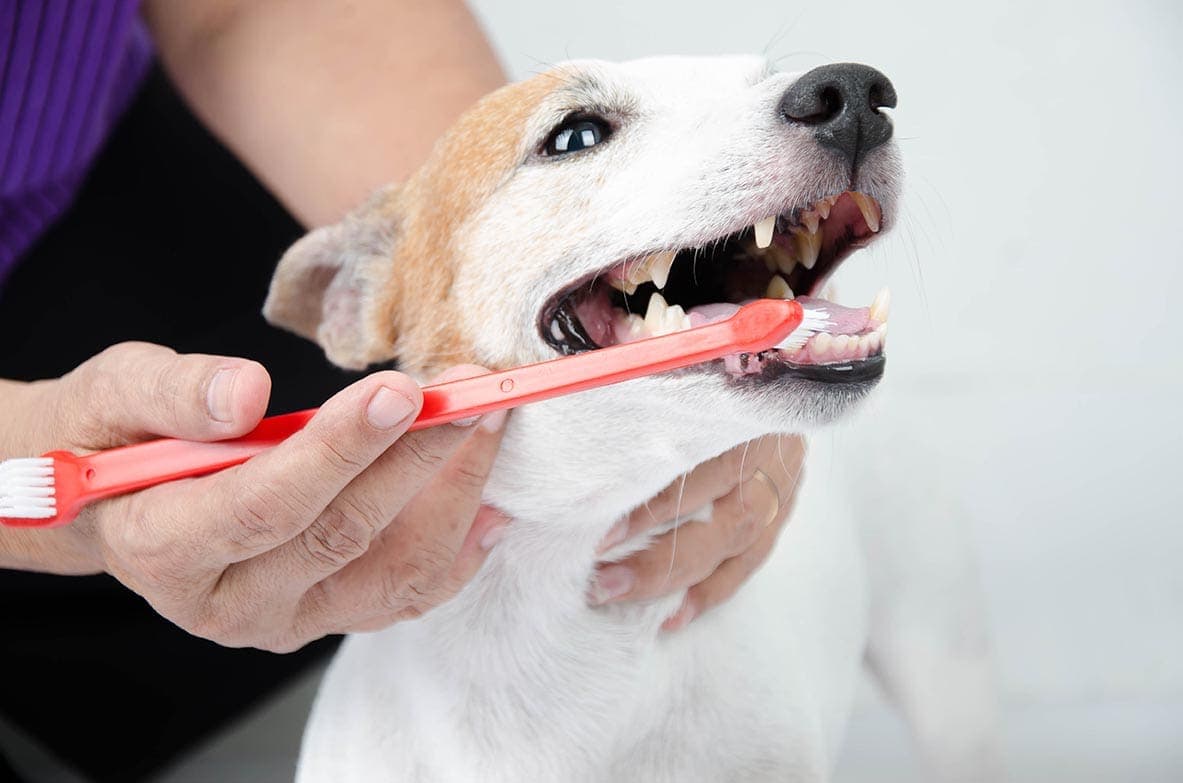
Brushing your dog’s teeth daily with dog toothpaste (do not use human toothpaste) is the gold standard. There are many other options to consider though, including dental toys, dental chews, dental sticks, mouthwashes, dental diets, and gels. If you are unsure what to do or how to use any of these, have a discussion with your veterinarian and together you will be able to find the right combination for you and your dog.

Frequently Asked Questions (FAQs)
What Age Does Puppy Breath Go Away?
Puppy breath will naturally go away usually when they are around 3–6 months old, coinciding with their adult teeth coming through. It will disappear entirely when your puppy reaches maturity. The maturity age varies depending on the breed and size of your new dog, but it is generally agreed most dogs mature by the time they are 1 year old.
How do you Get Rid of Puppy Breath?
In short, you can't! It's a natural occurrence of being a puppy.
Can I Prolong Puppy Breath?
Unfortunately, no, so if you love the smell, enjoy it while it lasts! To prevent bad odors from occurring due to their teeth and gums, follow the previous guidelines for good dental care and consult your veterinarian to action a dental regime and regular check-ups.
Final Thoughts
Whether you love puppy breath or not, it is natural, normal, and nothing to be over-attentive about unless you enjoy smelling it, in which case enjoy before it goes away! The takeaway here is to plan and act on a good dental hygiene plan as soon as possible to prevent future bad breath and dental issues.
Sources
Featured Image Credit: Molica_an, Shutterstock
Get Hepper In Your Inbox


Pet care tips from our vets and experts, straight to your inbox.
You may opt-out at any time. View our Privacy Policy for more information.
Annaliese began her career as a veterinary nurse in Edinburgh, later advancing her qualifications with a diploma in advanced veterinary nursing in surgery from London. Her work in small and mixed veterinary practices led her to become a head nurse, where she trained other veterinary nurses, managed the nursing department, conducted nurse clinics, and developed new patient care protocols.
Throughout her career, Annaliese has cared for thousands of patients and their owners, setting higher standards in nursing regimes with a focus on surgery and anesthesia. She co-authored multiple veterinary nursing textbooks and contributed to various mainstream publications in the UK and USA. After more than twenty years in the veterinary and pet care professions, she retired from clinical practice to pursue full-time writing. Having cared for thousands of patients and owners, Annaliese specialized in surgery and anesthesia. She was asked to co-author several veterinary nursing textbooks and contributed to a number of other publications in the UK and USA. After more than two decades in the veterinary and pet care industries, she retired her scrub suit and now works as a full-time writer.
Annaliese Morgan has been a dedicated veterinary nurse for over two decades, having completed a diploma in advanced veterinary nursing in surgery from London and qualifying from Edinburgh. Her professional experience includes managing a nursing department, training other veterinary nurses, providing patient care, and running nurse clinics in both small and mixed veterinary practices.
As an expert in surgery and anesthesia, Annaliese has treated thousands of patients and owners. In addition to being asked to co-author multiple veterinary nursing textbooks, she has written for a variety of publications in the UK and USA. After a long and successful career in the veterinary and pet care professions, Annaliese now dedicates her time to writing full-time. You can find out more about her work at www.annaliesemorgan.com.
Join the conversation
Ask a question, share your story, or send private feedback.