Hepper is reader-supported. When you buy via links on our site, we may earn an affiliate commission at no cost to you. Learn more.
Why Are Puppy Teeth So Sharp? 3 Vet-Reviewed Reasons


In this article
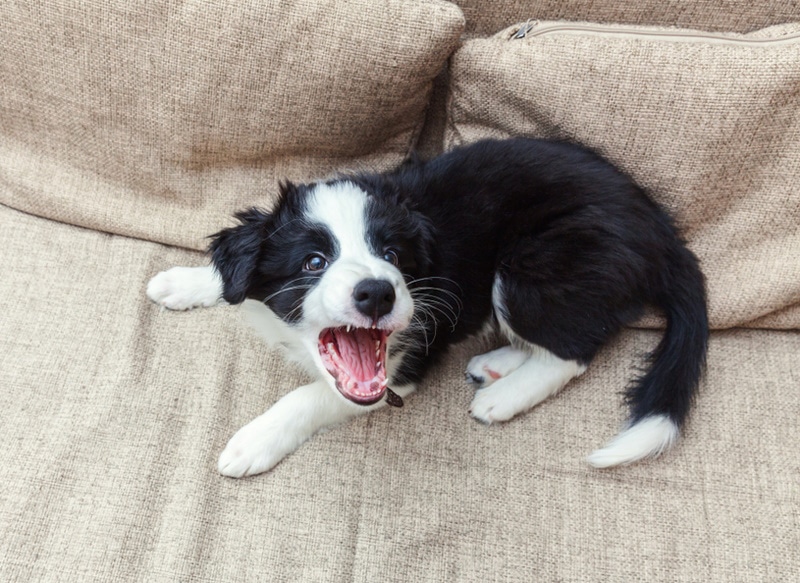
There are few better ways to relieve stress than playing with a puppy! These adorable little creatures have loads of positive energy that makes us forget our troubles and see nothing but joy. But as fun as these playing sessions are, they can become painful because of your pup’s pointy teeth. Yes, a puppy’s tiny teeth look cute, but why are they so sharp? There are multiple reasons for this.
Firstly, the pointy teeth help puppies wean from their mum’s milk and try solid foods instead. Secondly, their sharp teeth compensate for their weak jaws, allowing them to bite and chew different things easily. Some dogs also use their teeth to socialize with other pups.
Whatever the reason, you should know how to stop your puppy from biting and nipping other dogs, people, and household items. Their sharp teeth can be destructive! This guide will give you deeper insights into your puppy's teeth, so let’s dive in.

The 3 Reasons Behind Your Puppy’s Sharp Teeth
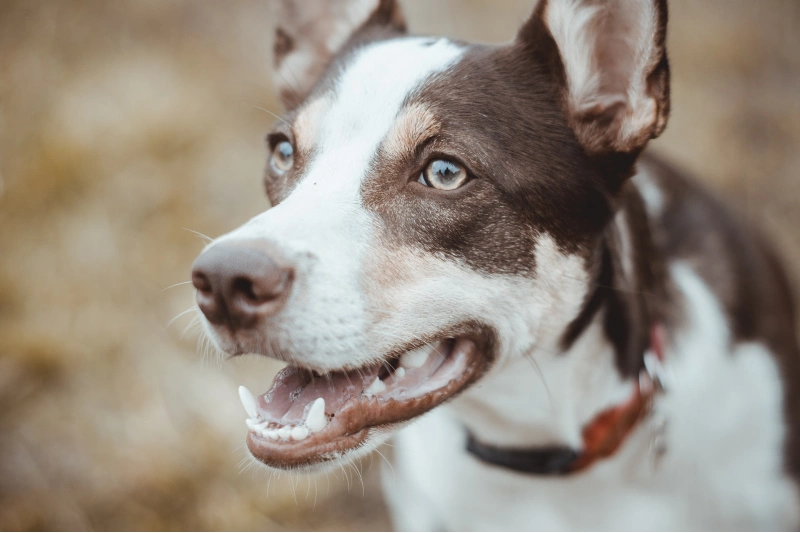
Like humans, puppies are also born without teeth. Their baby or milk teeth start growing when they turn 2 to 3 weeks. This temporary, or deciduous, set of teeth is very pointy and sharp, often called needle teeth. As the puppy reaches 4 months, they begin losing their milk teeth, replacing them with permanent adult teeth.
Here are some reasons a puppy's baby teeth are this sharp:
1. Their Sharp Teeth Wean Them From Their Mother’s Milk
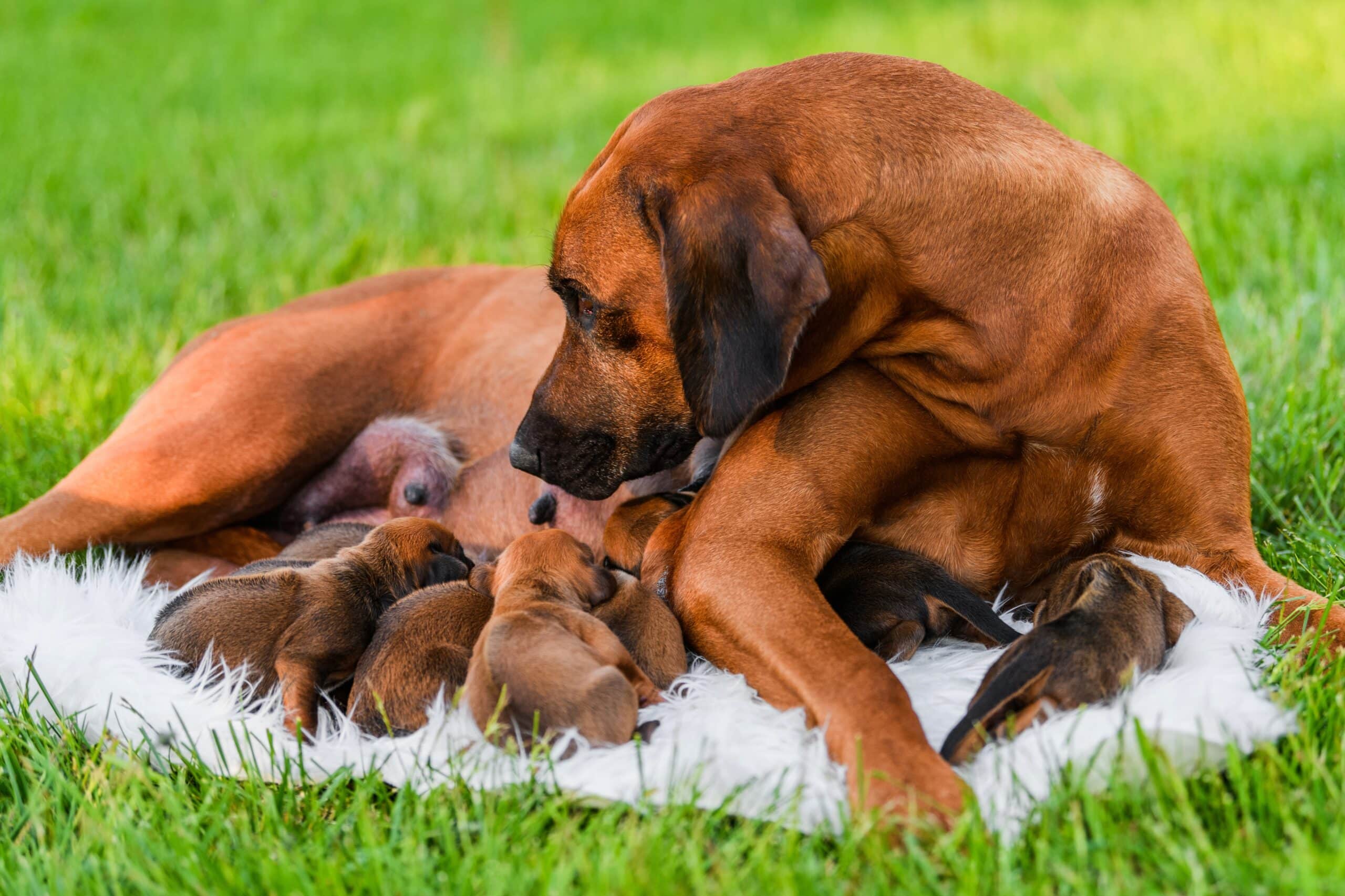
Since newborn pups have no teeth, breastfeeding them is easy and comfortable for their mothers. But it’s impossible to stay on milk for a lifetime.
Dogs need different foods to fulfill their daily nutrition requirements as they age. That’s when their sharp teeth prove to be helpful.
As the puppy’s baby or milk teeth start erupting, they mistakenly bite their mother’s nipple during breastfeeding. This makes their mother push the puppies away, encouraging them to search and try other foods. As a result, the puppy gets complete nutrition from their daily meals, helping them grow healthily.
2. They Compensate for Their Weak Jaws
Like human babies, puppies' muscles and bones, including the jaw, are weak. They need time to develop and strengthen, so in the meantime, the puppy uses their sharp teeth to compensate for their still-growing jaw.
Instead of their jaws, puppies use their sharp teeth to chew and break the food into smaller pieces. Their teeth also help them devour different kinds of food, such as cooked meats, vegetables, rice, and kibble.
3. Puppies Use Their Sharp Teeth to Learn Socialization
Puppies and kittens use their mouth and nose to explore their surroundings. Their teeth also play a major part in helping them adapt to different conditions and socialize with other pets and humans. For instance, when your puppy nips at other dogs, they will probably stop playing with the pup or push them away. This will help your pet learn that biting or nipping stops the playtime, so they won’t repeat this behavior.
In a nutshell, a puppy’s sharp teeth help them learn how to behave well with people and animals.


How Do Puppy Teeth Develop?
A puppy’s teeth go through a series of developmental stages. In the beginning, they are super sharp but get tamed down over time. Think of them as newborn human teeth.
Here is a quick overview of how your puppy’s teeth develop:
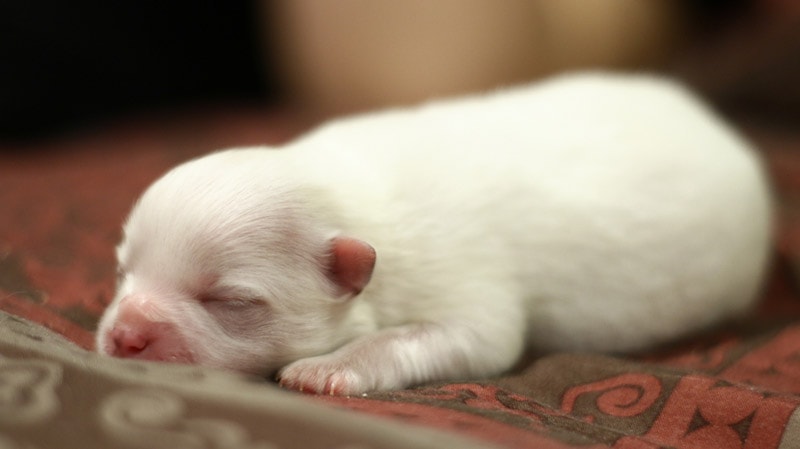
No Teeth: 0 to 3 Weeks
Newborn puppies have no teeth for a few weeks. The duration varies from dog to dog, but the animal generally remains without a single tooth for up to 3 weeks. So, don’t stress when your pup doesn’t have any eruption after 2 weeks.
Puppy/Deciduous Teeth: 3 to 6 Weeks
As the puppy turns 3 weeks, their first set of teeth starts to appear. They are temporary, but very pointed and sharp, known as milk teeth, puppy teeth, or deciduous teeth. The entire set includes 28 teeth: 12 incisors, 4 canines, 12 premolars, and 0 molars.
Losing Milk Teeth: 8 to 16 Weeks
Puppies start losing their milk teeth when they turn 8 weeks old over a couple of months, known as teething. It makes space for the permanent teeth to grow.
During this period, your pup may struggle to eat and chew different foods, so make sure to care for them properly.
Adult Teeth: 16 Weeks to 8 Months
As your pup turns 8 months old, they will have the full set of 42 adult teeth completely grown. It includes: 12 incisors, 4 canines, 16 premolars and 10 molars.
How to Live Safely With a Puppy’s Sharp Teeth
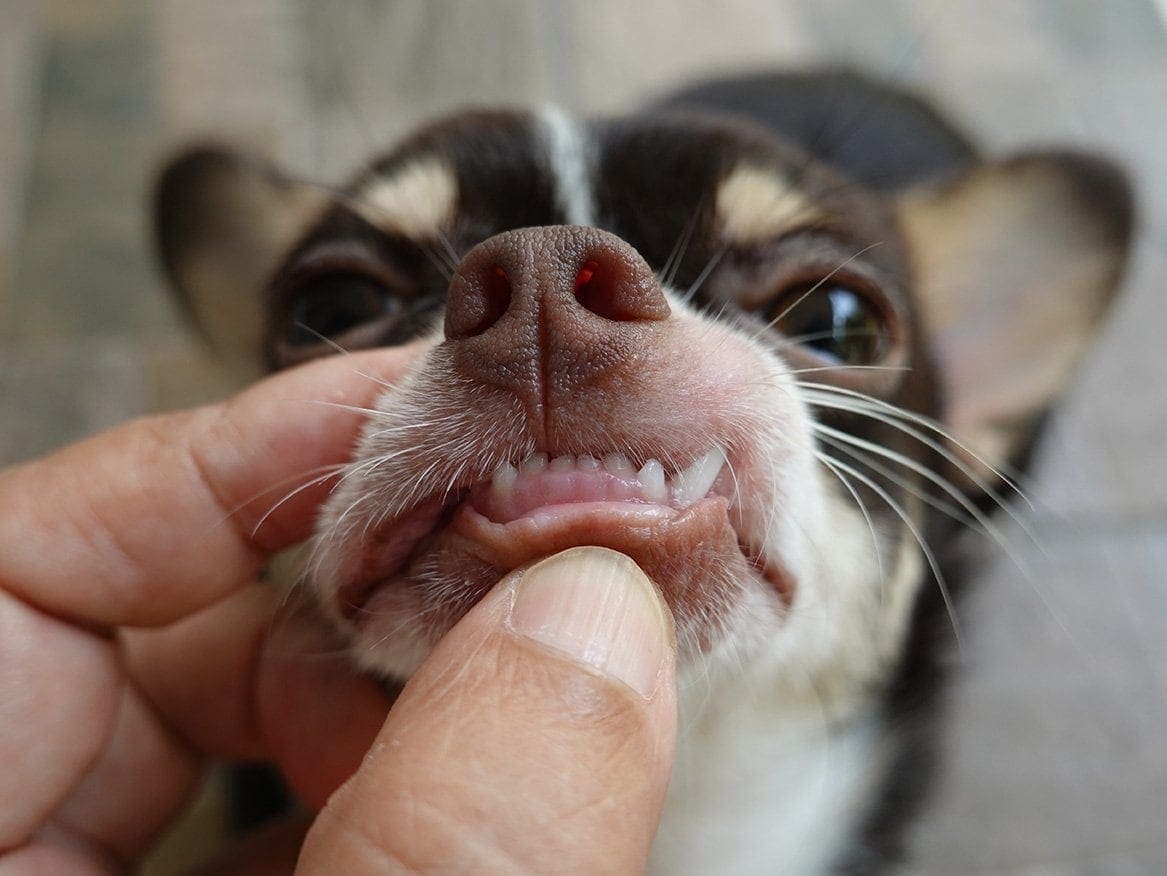
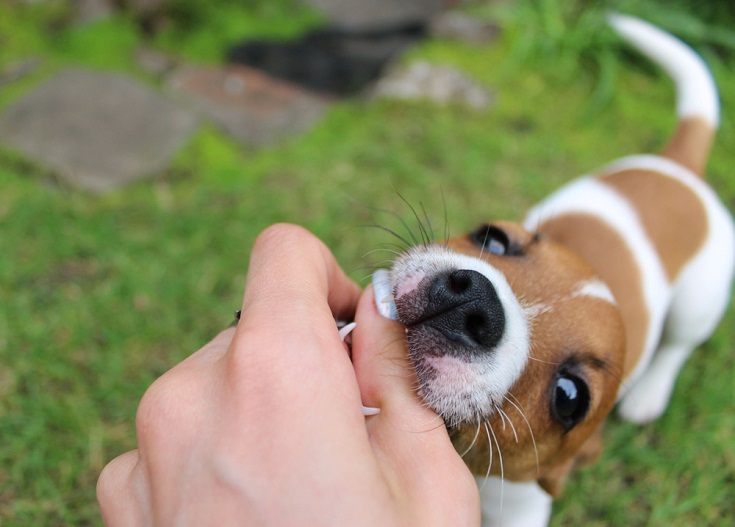
Puppies are adorable, so it’s easy to let them get away with just about anything. While you won’t mind getting nipped or bitten by your puppy, it can be problematic if they make it a habit. They may start biting other pets and humans if you don't stop them. Not cool!
You can’t make your puppy’s teeth less sharp, but here is what you can do to help them learn not to bite:
Teach Your Puppy That Biting Hurts
The best way to prevent a puppy from nipping others is to tell them their bites are painful. Also known as the “bite inhibition” technique, this trick is the most effective in helping puppies evaluate when they should and shouldn’t bite.
Whenever your dog bites you, give a loud, painful reaction with “Ow!” or “Ouch!” You can also shake your hand back and forth to show that you’re hurt. It will instantly encourage your pup to step back and look at you with love and concern.
However, if they don’t stop biting you, give a loud yelp and end their playtime. It will make them realize that biting and nipping will end their playtime every time they do it, so they will calm down instantly and ask you to resume the game.
Reward Them for Stepping Back
If your pup instantly steps back when you yelp, appreciate them verbally or with a treat for their good behavior and start playing with them again. They may begin licking you as a token of sorry. You can also pat them when they calm down after nipping you. Doing so will make your pup realize they will be rewarded if they don’t bite you.
Give Them a Soft Toy
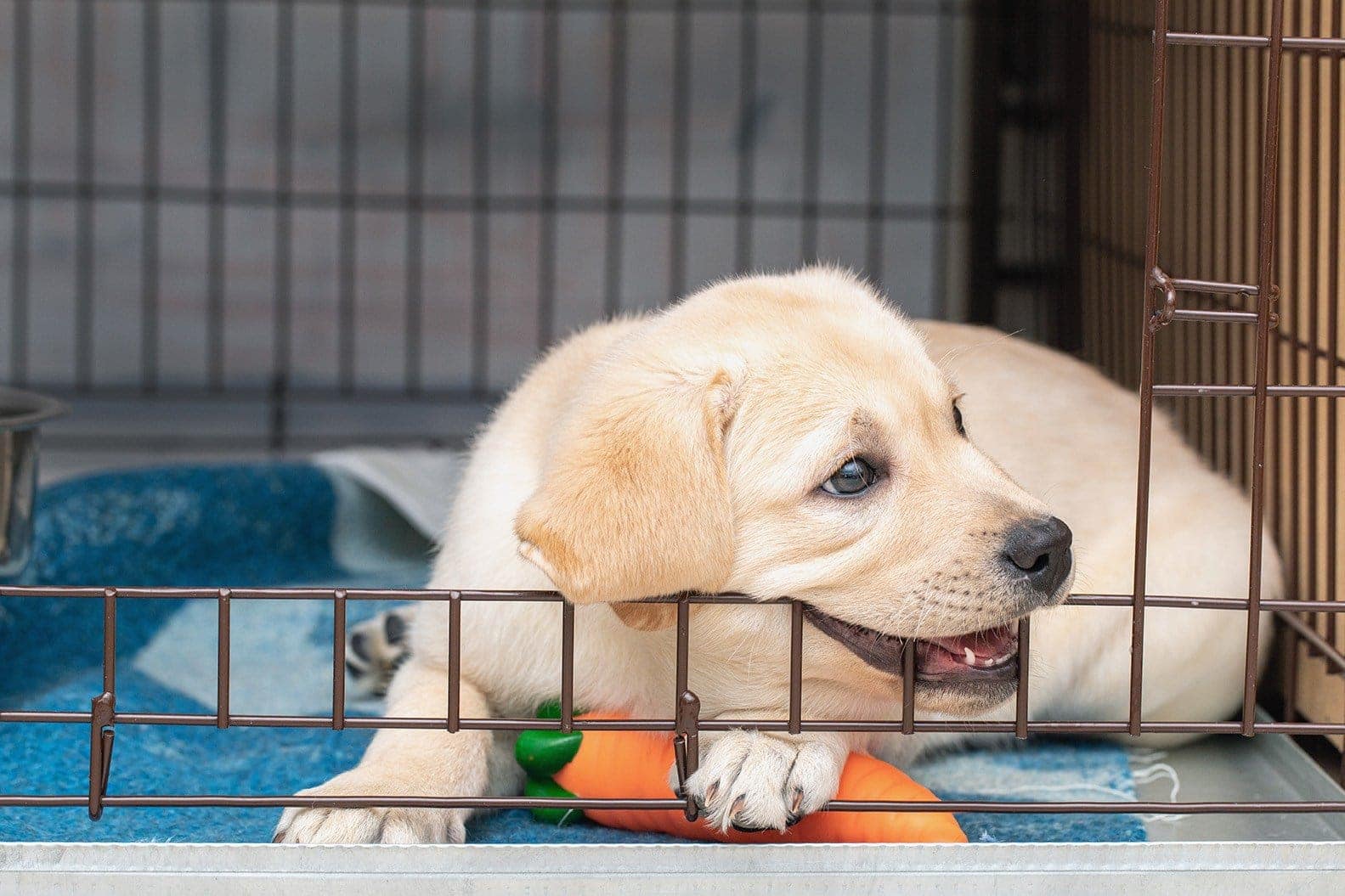
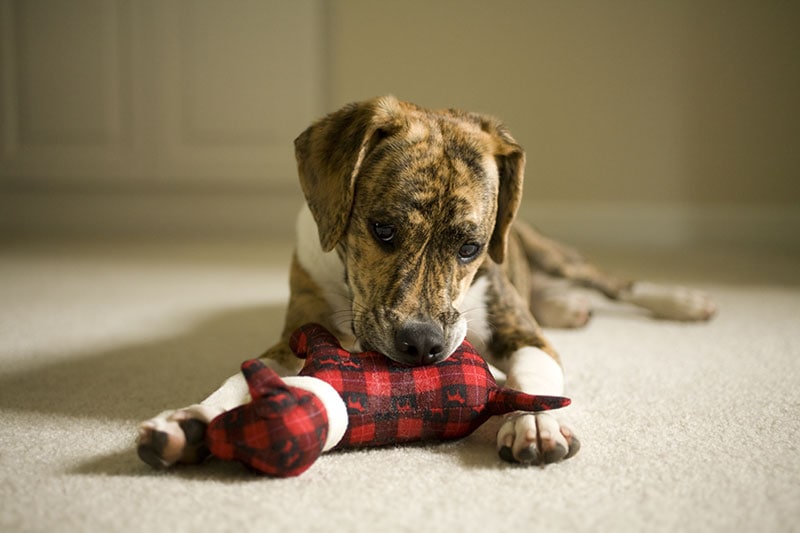
If your dog bites you during playtime, give them a soft toy to chew on. It will tell your puppy they can’t nip at you when they have the urge to chew something; this should be done on a toy. You can also buy different soft toys to keep your puppy entertained.
But what if your pet still wants to bite you? In that case, stop their playtime and calm them down. Once they seem composed, continue playing with them.
Let Them Play With Other Dogs
Once your puppy has had all its vaccinations, it is important to let them socialize with other dogs. The easiest way is to ask friends and family to help you with this step, but also taking them out to meet other people and dogs is important too.
When puppies are young (less than six months old), older dogs tend to be more patient and forgiving, but will also teach them when they are being too rough. It’s a great way for them to learn manners and boundaries. Once they are older, dogs won’t be so patient, and what might have been a grumble and nip may turn into a proper bite.
Always check with people before letting your pup approach their dogs.
How Do I Take Care of Puppy Teeth?
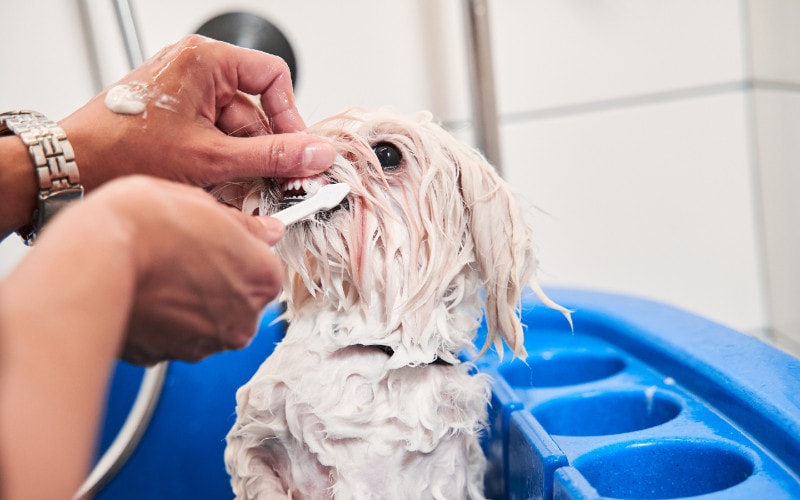
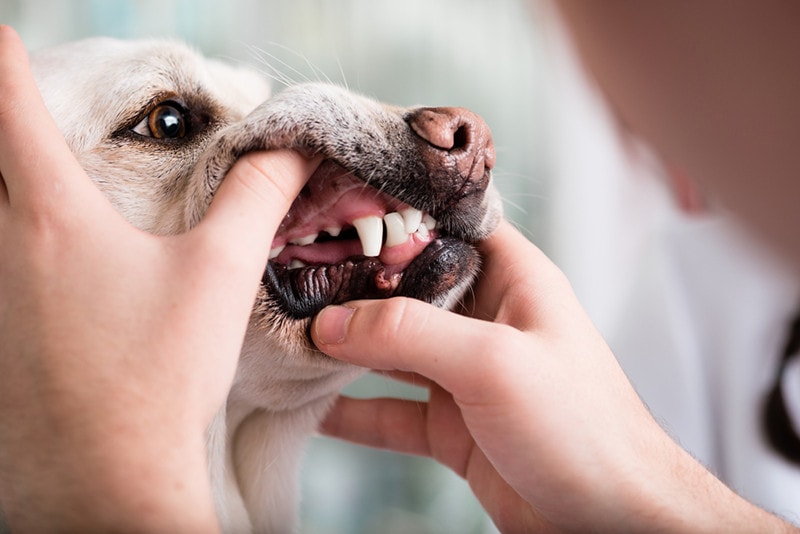
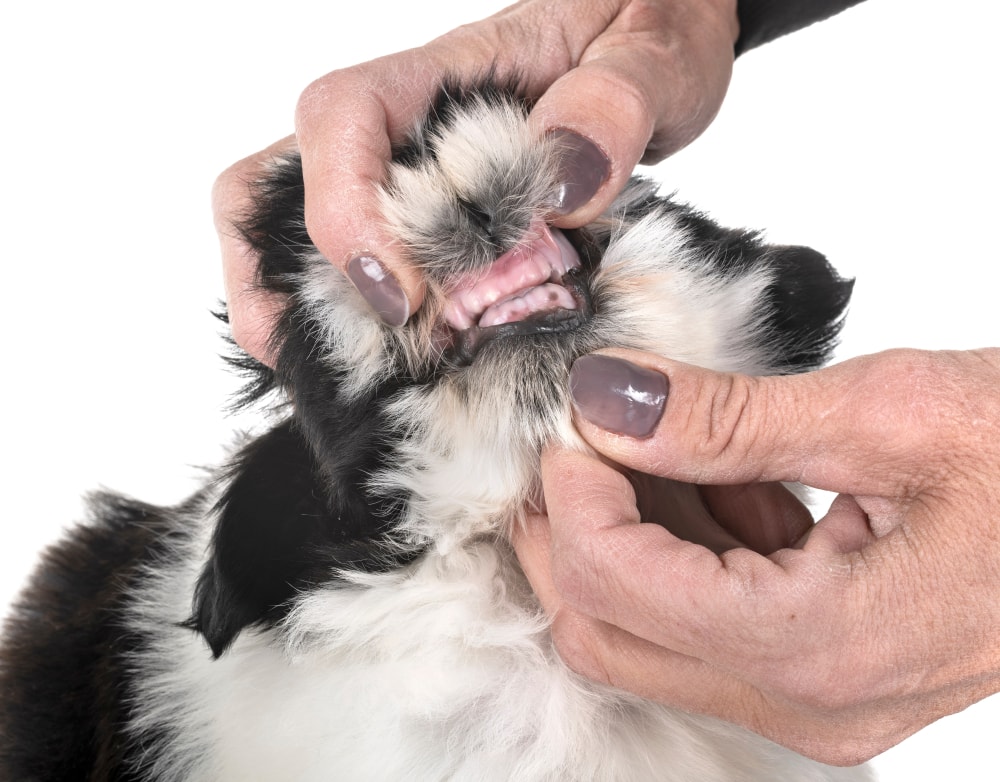
Even though they lose their puppy teeth, it is still important to make sure they are healthy and strong. Also, getting them used to having their mouths opened and teeth checked and cleaned when they are young will make it much easier when they are older.
Puppies may resist this at first, but it is important to persevere, and reward them once they are cooperating with your dental exam - your vet will thank you later!
Here are some tips to help you maintain a good teeth cleaning routine to make sure your pup has healthy teeth and gums:
- Buy flexible, soft rubber toys for your puppy when they’re teething so they will have something to chew on to soothe their sore gums.
- Opt for quality, edible dental chews to give your puppy a flavorful biting option.
- Brush your puppy's teeth with dog toothpaste once a day. If they seem uncomfortable with the toothbrush’s bristles, you can use your fingers for cleaning until they get accustomed to their brushing routine.
- Always give your dog natural and high-quality foods to eat.
- Take your puppy to routine vet check-ups to monitor their dental health.

Conclusion
A puppy’s teeth are usually sharp and pointy when they’ve just erupted. It’s when they’re about 2 to 3 weeks old. These teeth are temporary, known as deciduous or baby teeth.
Once your puppy turns 12 weeks, these teeth start falling off over a few months. This period is called teething. Your dog may be in some discomfort and pain at this time, so make sure to give them soft toys to chew on.
Puppies have sharp teeth to help them wean from their mother’s milk and search for different types of foods. They also help them chew properly and socialize with other pets. So, make sure to keep your puppy’s teeth clean and healthy!
Sources
Featured Image Credit: cynoclub, Shutterstock
Get Hepper In Your Inbox


Pet care tips from our vets and experts, straight to your inbox.
You may opt-out at any time. View our Privacy Policy for more information.
Jeff is not only a writer but also a tech professional with lots of experience leading teams at various Fortune 100 startups. Jeff's hobby is photography but his real passion are his pets, whom he loved to spend time with.
Join the conversation
Ask a question, share your story, or send private feedback.