Hepper is reader-supported. When you buy via links on our site, we may earn an affiliate commission at no cost to you. Learn more.
How Much Does Stenotic Nares Surgery Cost? 2026 Price Guide


In this article
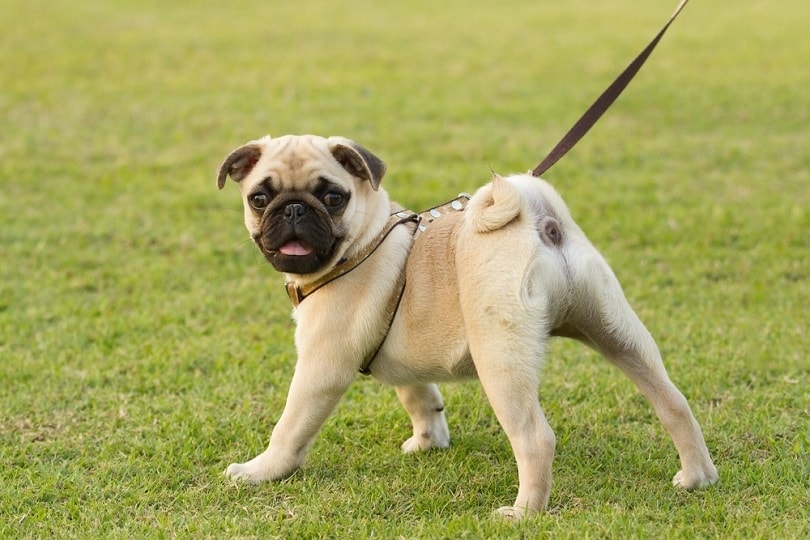
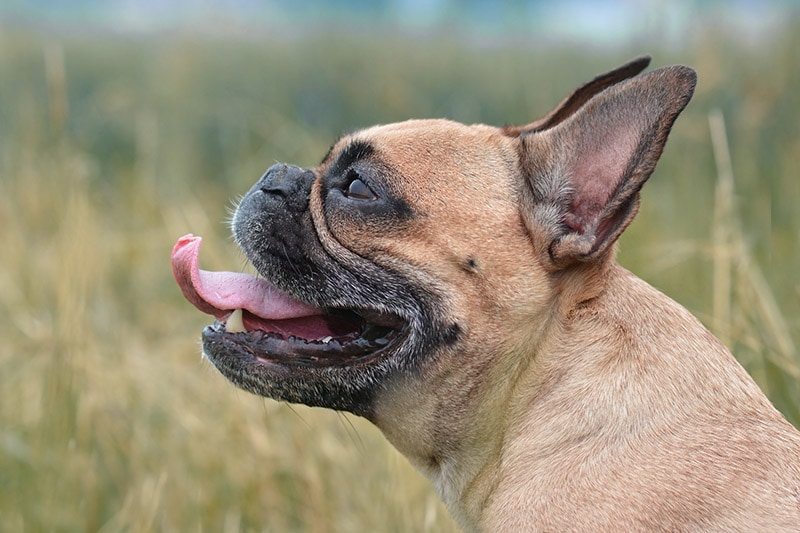
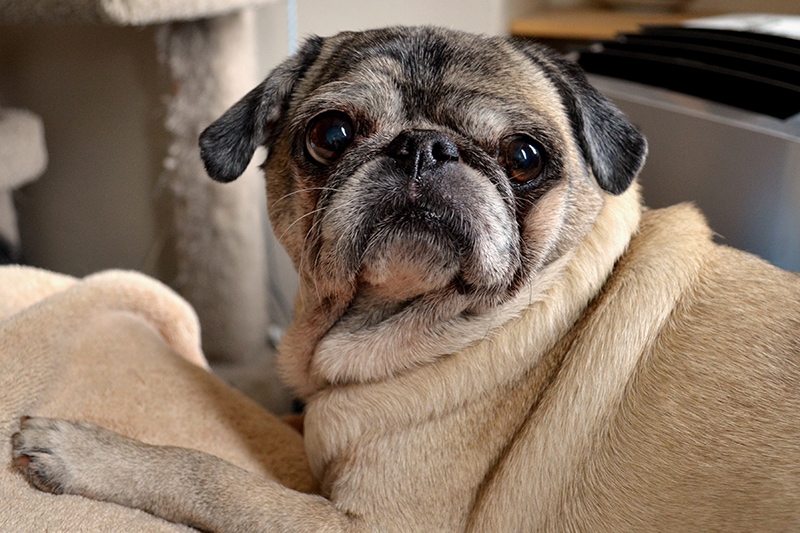
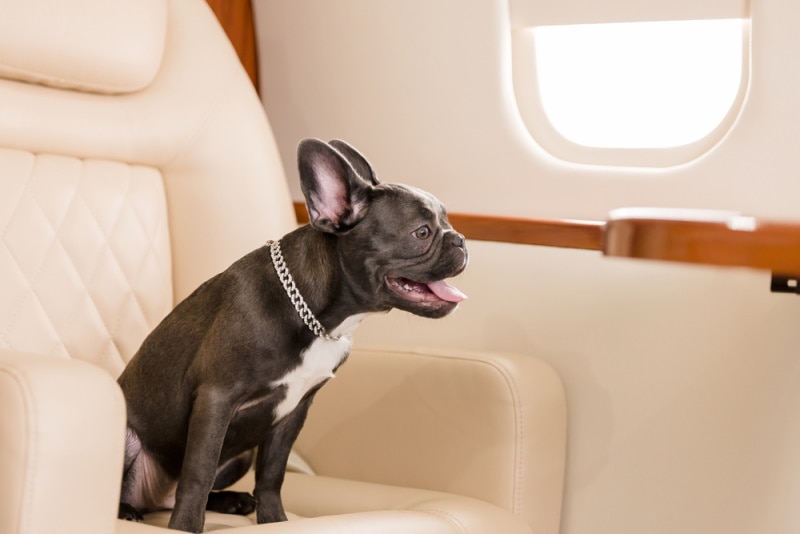
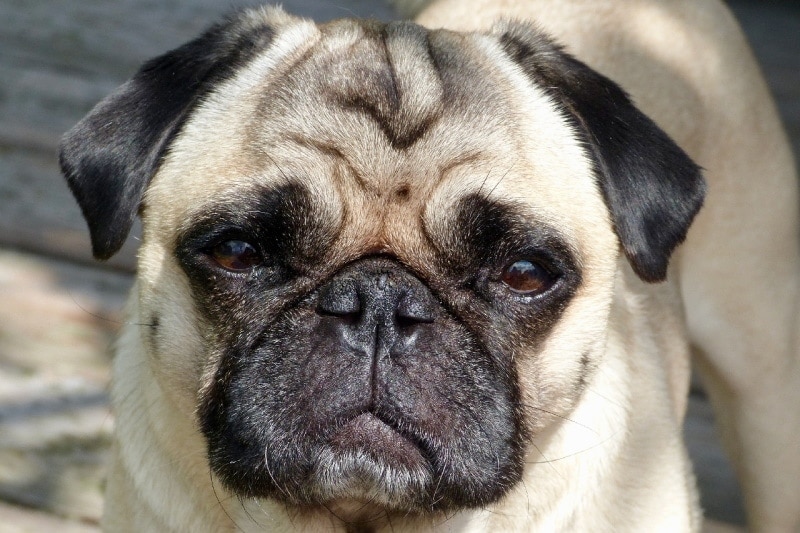
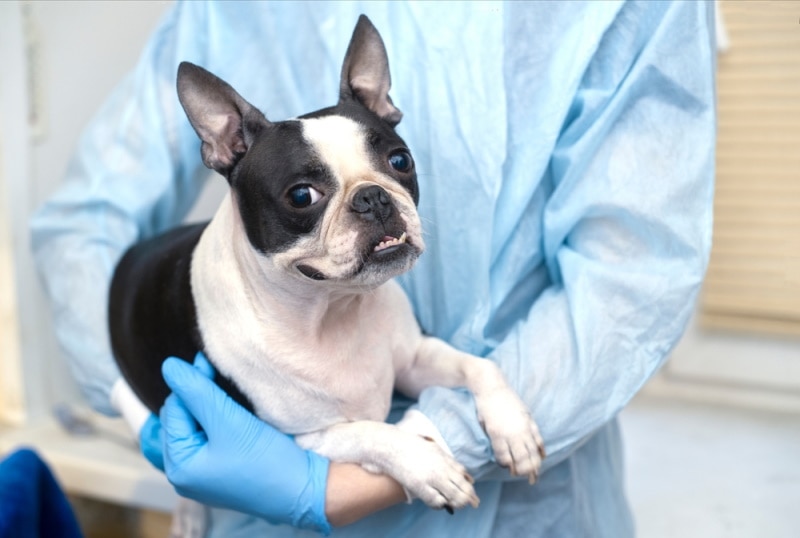
English Bulldogs, French Bulldogs, Pugs, and other short-muzzled breeds are often highly sought after for their unique features. However, these unique features affect these dogs in several ways. Many short-muzzled dogs suffer from brachycephalic obstructive airway syndrome (BOAS), which refers to anatomic abnormalities which cause problems with their airways and, therefore, their breathing. One of these primary upper airway abnormalities is stenotic nares, which refers to nostrils that are too small and narrow to allow normal air flow.
If you have a brachycephalic dog breed who struggles to breathe when it is too hot or they become overly excited, your vet may have given you the distressing news that they need stenotic nares surgery. The good news is that the prognosis for dogs who undergo this surgery is good. The bad news is that it can be a costly procedure. In most cases, you will be paying around $300 to $1,000, but the price depends on various factors.
We’ve got the figures below, so keep reading to find out how much money you need to put aside for the surgery and what the additional costs are that you need to anticipate.

The Importance of Stenotic Nares Surgery
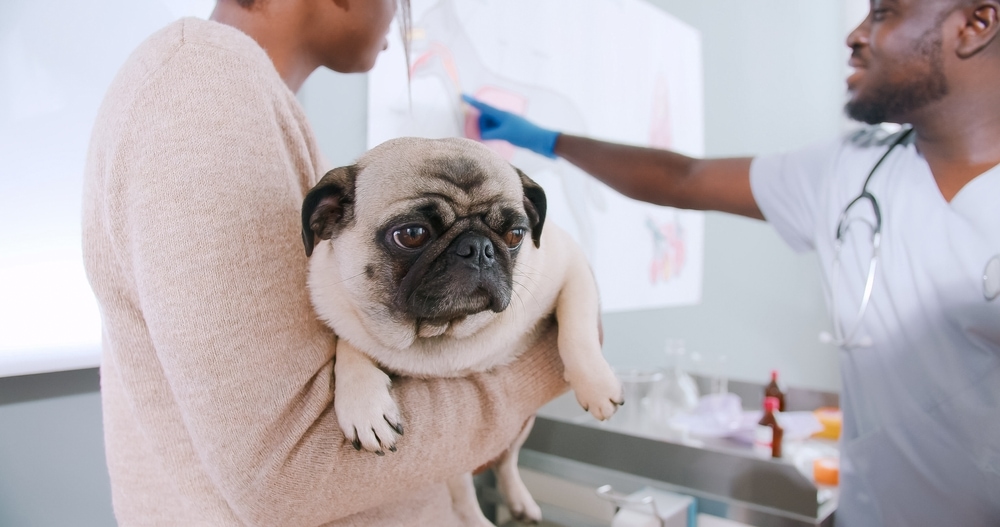
Dogs with signs of brachycephalic airway syndrome such as noisy breathing, difficulty breathing, salivation, and poor tolerance for exercise should be checked by a veterinary surgeon as early as possible. Your vet will usually recommend the surgery when your dog is still quite young to prevent secondary problems. The nasal openings of affected dogs are so narrow that they breathe through their mouths and struggle with the heat and any form of activity or excitement. Dogs with stenotic nares tend to also gag, retch, vomit, regurgitate, breathe noisily, and are intolerant to heat.
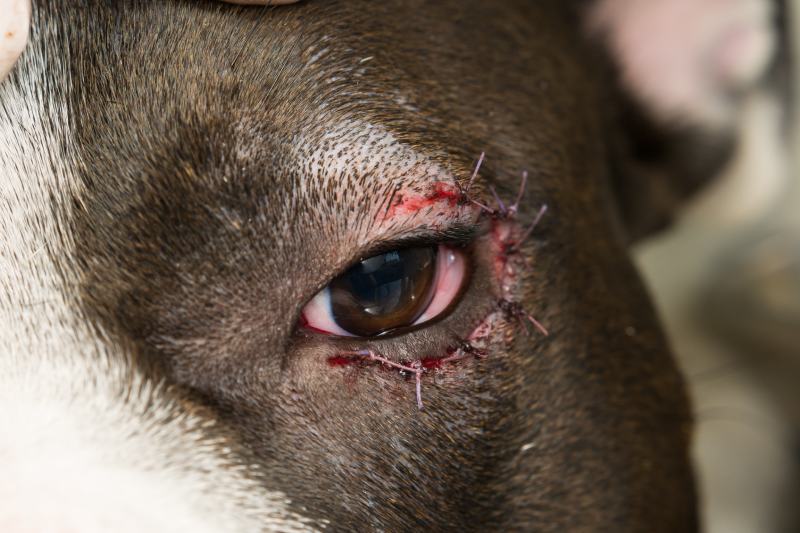
Stenotic nares surgery involves a veterinarian surgically removing a portion of the outer fold in both of the dog’s nostrils in an effort to widen the nostrils and allow more air to flow into them, making it easier for the dog to breathe. Some dogs also need surgery to fix elongated soft palate and hypoplastic trachea. Your vet will let you know what type of surgery your dog needs.

How Much Does Stenotic Nares Surgery Cost?
Brachycephalic breeds who have stenotic nares often also have elongated soft palates, so many vets will perform the two surgeries at the same time, which may be cheaper than doing the surgeries separately,
The cost of stenotic nares surgery depends on how severe the malformation is and the technique the vet would need to use to widen the nostrils. Vets will correct the nostrils of most dog breeds by using a wedge resection technique, but if the nares are too small, as in the case of Persian cats or Pekingese, they will have to use laser ablation, which may cost more.
Depending on the pet you have and the severity of their condition, you can pay anywhere from $200–$1,000. The vet clinic you choose, as well as your geographical location, may play a factor in the cost, resulting in you having to pay a bit more or less for your pet’s surgery. Your dog’s weight sometimes also affects the cost because more anesthesia will be required the heavier they are.
Additional Costs to Anticipate
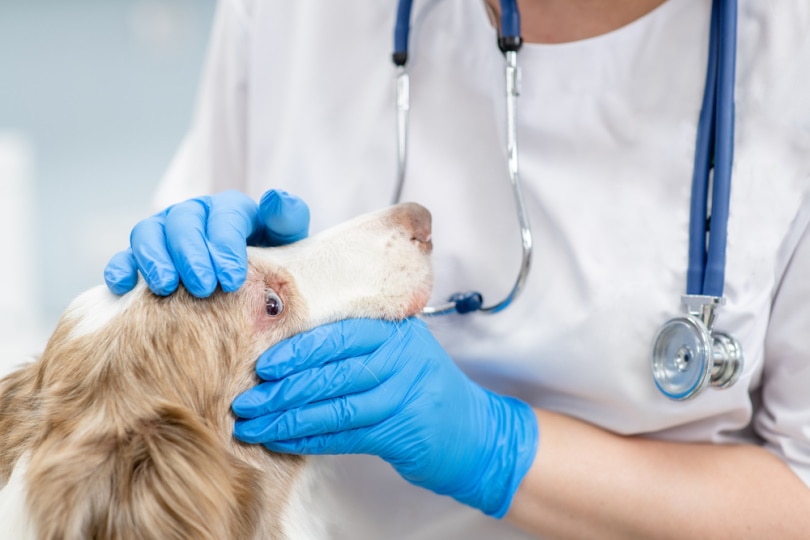
There will always be additional costs when surgery is involved, even if your dog is small. No vet, except for in the case of emergencies, will operate on your pet without them first undergoing a physical examination and tests to determine if surgery is necessary, which technique is best to use, and whether the pet is healthy enough to undergo the procedure.
Before operating on your pet, your vet will have to diagnose them with stenotic nares. Sometimes this can be done through a physical examination, and sometimes it will require thoracic X-rays, an MRI, or a CT scan. Blood tests will also be taken to rule out any health conditions your pet may have that may cause complications with the surgery or recovery. The physical examination, as well as the X-rays, MRI, or CT scan your vet orders, will be additional costs to anticipate.

How Long Is Recovery?
Thankfully, stenotic nares surgery is usually a once-off procedure that will improve your pet’s quality of life. It has a positive prognosis, especially when executed when your pet is still young. Once your pet has undergone stenotic nares surgery, they will usually need to stay in the hospital until they are fully recovered from the anesthetic and the vet feels confident about discharging your dog home.
Once at home, you may have to adjust your pet’s diet according to your vet’s instructions for a few days. You will also need to restrict your pet’s activity, only allowing them to go outside for toileting because exercise and play may cause some of their sutures to loosen. If your dog is bothered by the sutures or tries to scratch at their nose, you may need to place an Elizabethan collar around their necks until their post-operative checkup or until the sutures are removed.
You will also need to give your pet medication, usually, both pain relief and antibiotic medication to aid in their recovery and protect them from infection. These will be provided by your vet.
Does Pet Insurance Cover Stenotic Nares Surgery?
Whether your pet insurance will cover the cost of stenotic nares surgery depends on which pet insurance you have a policy with, the type of policy you have, and whether it was a pre-existing condition or not. Many insurance companies will not pay out if your pet was diagnosed with a health condition prior to taking out the policy. They will still insure your pet, but they may not cover that health condition.
If your pet was not diagnosed with stenotic nares before taking out your policy, they would likely pay for the surgery. However, you need to read through your policy to see what they do and do not cover, as your pet insurance may consider pre-existing conditions, while others won’t.

Can the Surgery Be Prevented?
Unfortunately, stenotic nares are the result of irresponsible breeding and are a congenital issue that cannot be ignored. It is caused by the anatomical changes that have been selected in these dogs and cannot be rectified without surgery. Not performing the surgery when needed may result in the worsening of your dog’s health and quality of life as they won’t be able to breathe and function normally. A 2023 study in Switzerland that collected data over four years has shown that brachycephalic dogs have a lifespan approximately two years shorter than longer-nosed dog breeds. However, there are several things you can do until your pet is able to get the surgery they need, such as using a harness instead of a collar, as collars put pressure around their neck, practicing portion control to prevent them from becoming overweight, keeping them out of the heat, and reducing stress.

Conclusion
Dogs with stenotic nares have a difficult time breathing and functioning normally, but vets are able to improve their quality of life through stenotic nares surgery if the malformation is severe enough for it. The average cost of this surgery is between $300–$1,000 but depending on the severity of the malformation, your pet’s weight, and the technique your vet will need to use, you could pay more.
There are additional costs to anticipate with this procedure, such as imaging and blood tests, but if your dog wasn’t diagnosed with having stenotic nares before you took out your pet insurance policy, they should cover the costs.
Hopefully, there will come a day when this surgery will no longer be necessary because responsible breeding practices will have spread worldwide.
Sources
Featured Image Credit: Zakharova_Elena, Shutterstock
Get Hepper In Your Inbox


Pet care tips from our vets and experts, straight to your inbox.
You may opt-out at any time. View our Privacy Policy for more information.
Keri-Beth is from South Africa and is a freelance writer who specializes in the pet niche. She has grown up with a range of pets, volunteered at countless pet shelters, and is highly passionate about pet care. Currently, Keri-Beth is raising two dogs - Benji, the Golden Cocker Spaniel, and Gracie, the Boerboel. With so much information out there, Keri-Beth has made it her mission to make pet care as easy and straightforward as possible.
In her spare time, Keri-Beth enjoys camping, photography, and spending time with her husband, who is a professional drummer. She not only has a heart for pets but people too.
Join the conversation
Ask a question, share your story, or send private feedback.