Hepper is reader-supported. When you buy via links on our site, we may earn an affiliate commission at no cost to you. Learn more.
15 Tank Mates for Bristlenose Plecos (With Pictures)
In this article
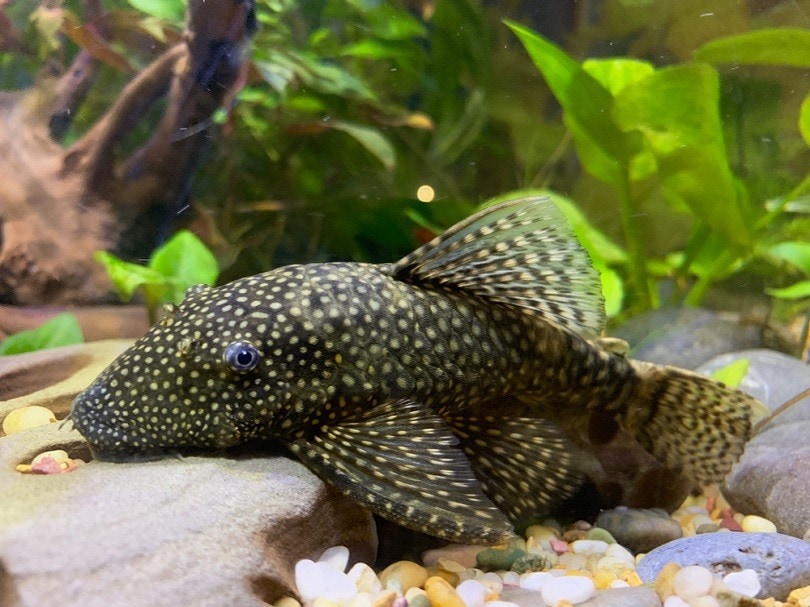
The Bristlenose Pleco is a cute and unusual Pleco variety that makes a great addition to many tanks. But what makes a good tank mate for the Bristlenose Pleco? You want your Bristlenose Pleco to be happy and feel safe, so choosing the right tank mates makes a difference in the quality of life your fish ends up living.

The 15 Tank Mates for Bristlenose Plecos
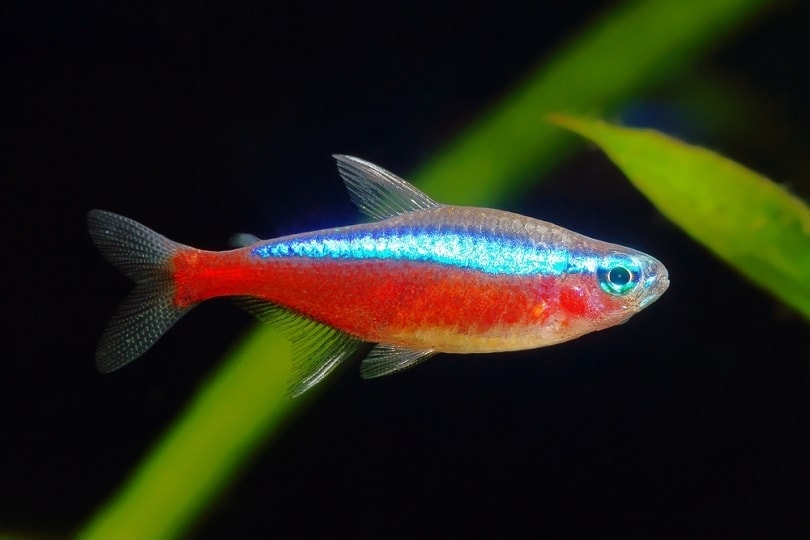
1. Neon Tetra
| Size: | 0.5–1.5 inches (1.3–3.8 cm) |
| Diet: | Omnivore |
| Minimum Tank Size: | 10 gallons (38 liters) |
| Care Level: | Medium |
| Temperament: | Peaceful |
Neon Tetras are small shoaling fish that are peaceful and prefer to be kept in shoals of 6–10 at minimum. They are one of the most popular fish for community tanks. They are omnivorous but are far too small to eat or injure most tank mates, although it’s extremely unlikely for them to even try. They spend most of their time in the upper part of the water column and will peacefully coexist with your Bristlenose Pleco.
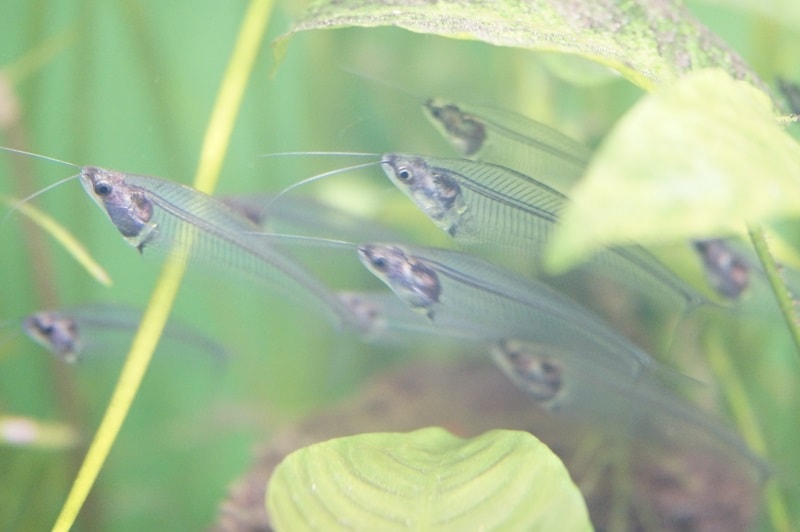
2. Glass Catfish – Most Unique
| Size: | 4–6 inches (10.2–15.2 cm) |
| Diet: | Carnivore |
| Minimum Tank Size: | 30 gallons (114 liters) |
| Care Level: | Medium |
| Temperament: | Peaceful |
If you’re interested in a unique and interesting addition to your Bristlenose Pleco’s tank, the Glass Catfish may be just what you’re looking for. These unusual fish have clear bodies that camouflage them against predation in nature. They are from the same natural environment as the Bristlenose Pleco, so their water needs are similar. They are carnivorous but will only go after small prey, like fry and insects. They do need to be kept in small groups to feel safe.
Related Read: 7 Best Tank Mates for Glass Catfish
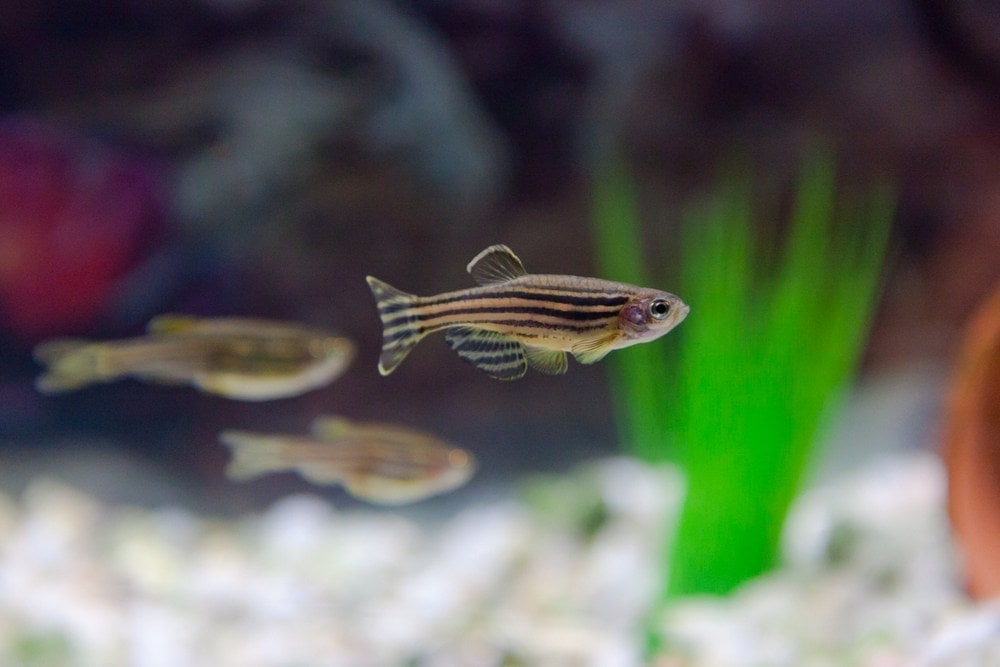
3. Zebra Danio
| Size: | 1–2 inches (2.5–5.1 cm) |
| Diet: | Omnivore |
| Minimum Tank Size: | 10 gallons (38 liters) |
| Care Level: | Easy |
| Temperament: | Social, curious |
Zebra Danios are another petite shoaling fish that are commonly kept in community tanks. They are peaceful but curious fish, so it’s possible they may take notice of a Bristlenose Pleco, but they will likely abandon their interest in it quickly. They do not spend much time in the lower portion of the water column, though, so it’s unlikely for Zebra Danios to notice any bottom feeders.
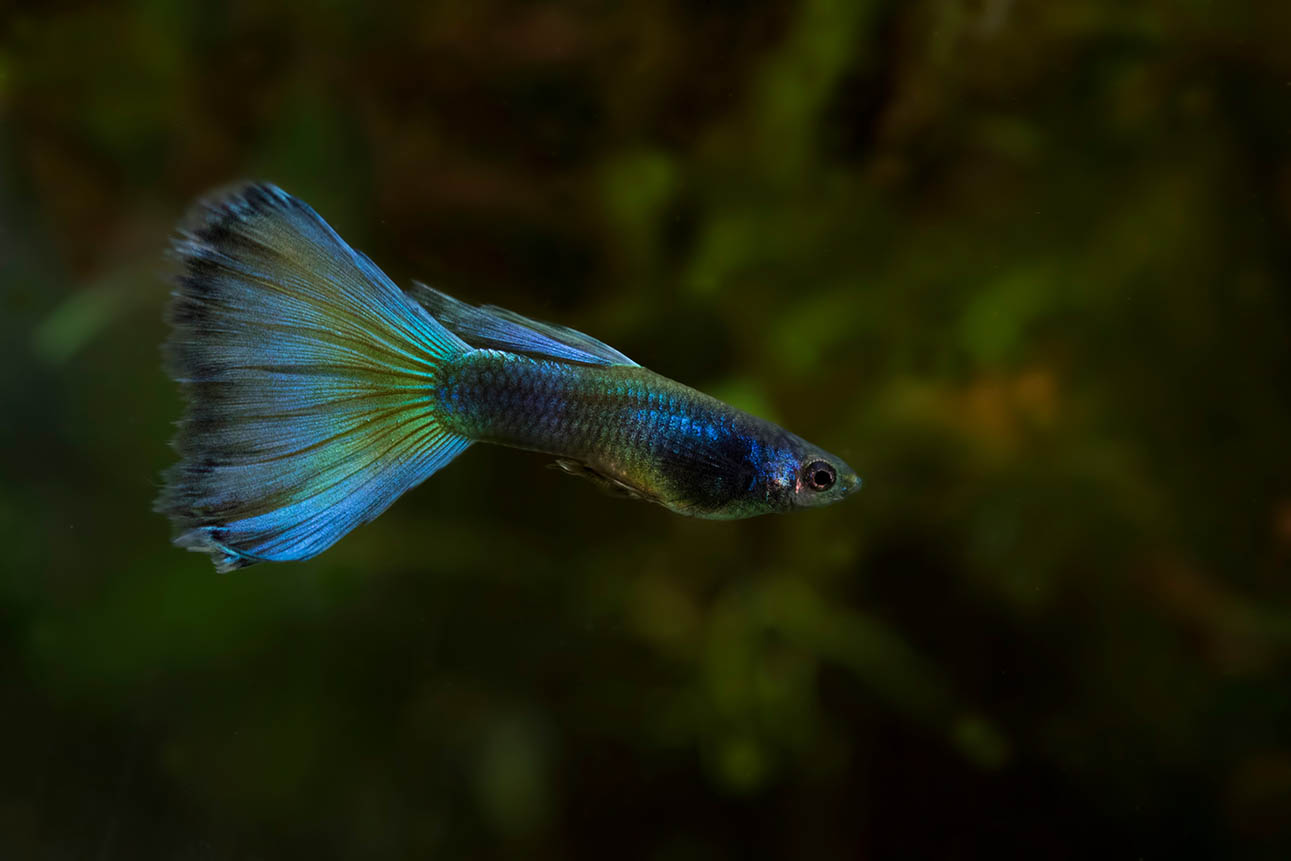
4. Guppy
| Size: | 0.5–2.5 inches (1.3–6.4 cm) |
| Diet: | Omnivore |
| Minimum Tank Size: | 5 gallons (19 liters) |
| Care Level: | Easy |
| Temperament: | Peaceful, social |
Guppies are active fish that bring a ton of color and activity to a tank. They are peaceful and social fish that prefer to be kept in groups. Usually, single-sex groups or harems are the best options for Guppies. Be aware that they are prolific breeders, so a handful of Guppies may become dozens within a couple of months. Guppies may venture into the lower portion of the tank, but they are unlikely to disturb a Bristlenose Pleco.
5. Platy
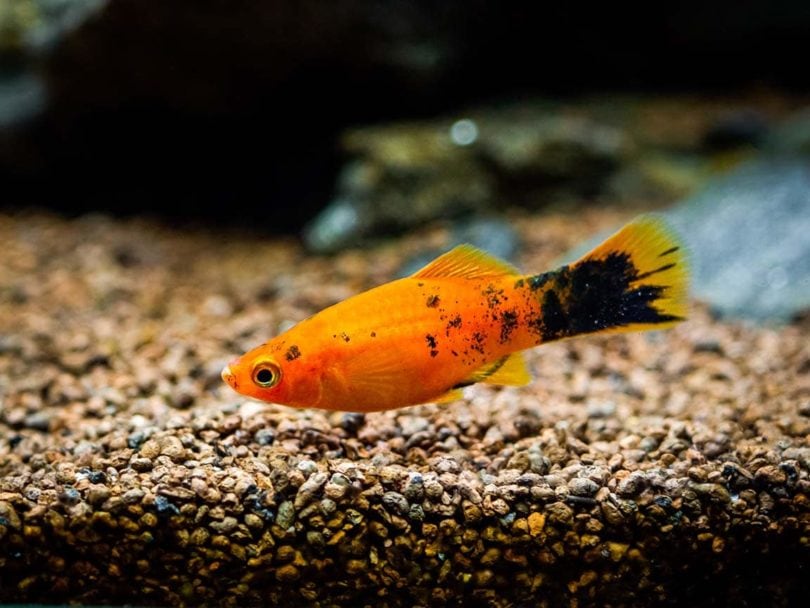
| Size: | 2–3 inches (5.1–7.6 cm) |
| Diet: | Omnivore |
| Minimum Tank Size: | 10 gallons (38 liters) |
| Care Level: | Easy |
| Temperament: | Peaceful |
Platies are livebearers that prefer to be kept in groups of their own kind. They are peaceful and are quite active when they feel safe, so a well-planted tank is a must. These small fish are omnivores, but they prefer to eat small insects and will occasionally eat small fry. Platies will not bother a bottom-dwelling Bristlenose Pleco and will rarely go into the lower portion of the water column.
6. Molly
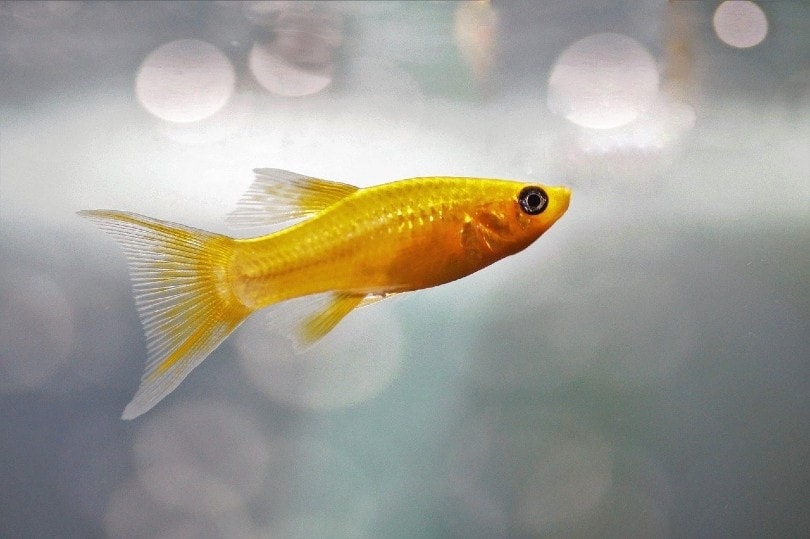
| Size: | 3–4.5 inches (7.6–11.4 cm) |
| Diet: | Omnivore |
| Minimum Tank Size: | 10 gallons (38 liters) |
| Care Level: | Easy |
| Temperament: | Generally peaceful |
Mollies are another livebearer that prefers to be kept in small groups. However, they are not particularly tolerant of an overstocked tank and prefer to have plenty of space for their group. This makes them a great tank mate to the Bristlenose Pleco, which will spend almost all of its time in the bottom or on the sides of the tank. If Mollies feel crowded, they may become aggressive or begin nipping or bullying tank mates.
7. Hatchetfish
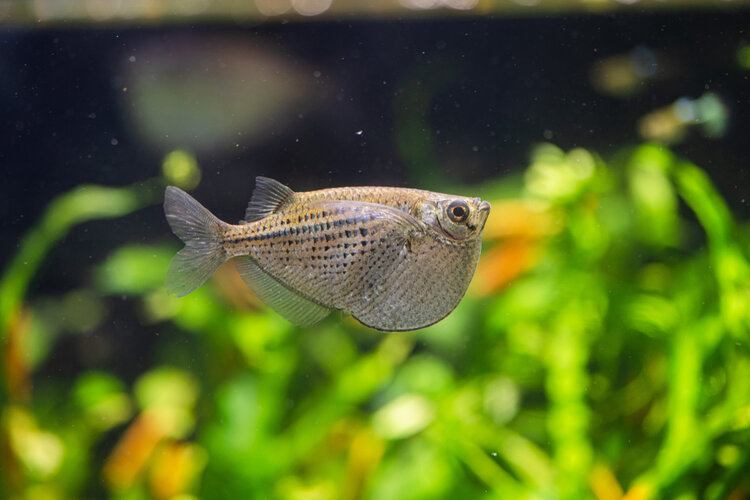
| Size: | 1–2.5 inches (2.5–6.4 cm) |
| Diet: | Carnivore |
| Minimum Tank Size: | 15 gallons (57 liters) |
| Care Level: | Medium |
| Temperament: | Timid |
Hatchetfish have an odd body shape that is like a hatchet, giving them their name. They are shoaling fish, so plan to keep a group of 6 fish or more. They are peaceful but timid fish that shouldn’t be kept with overly curious tank mates. Hatchetfish eat insects and naturally spend all their time near the surface of the tank, so they’ll rarely encounter a Bristlenose Pleco.
8. Arowana
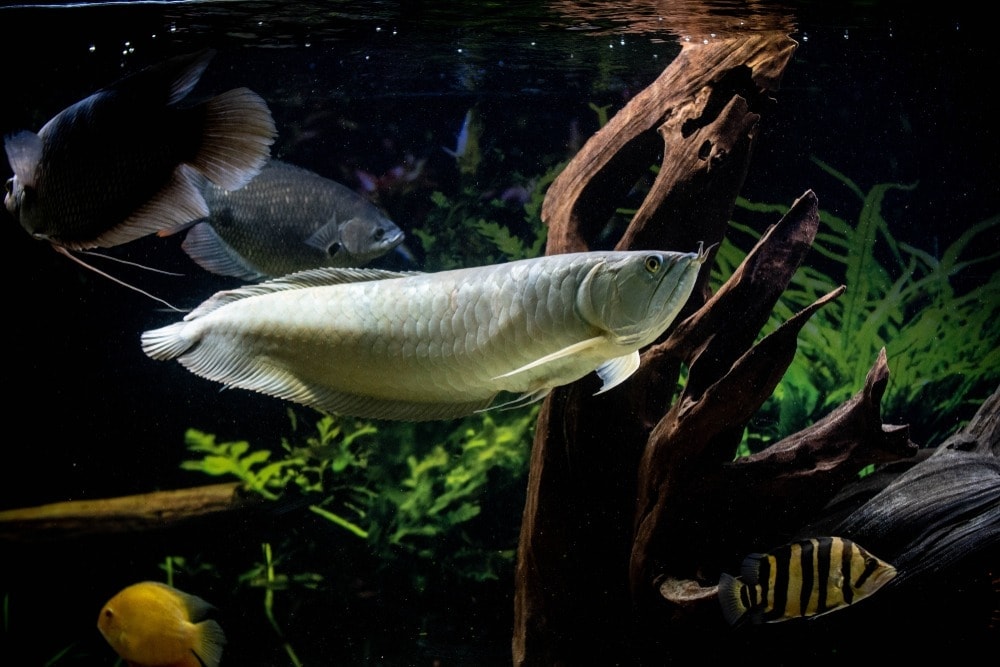
| Size: | 36–48 inches (91.4–122 cm) |
| Diet: | Carnivore |
| Minimum Tank Size: | 60 gallons - juvenile (227 liters), 250 gallons - adult (947 liters) |
| Care Level: | Difficult |
| Temperament: | Aggressive |
The Arowana is not a fish for the faint of heart and should not be owned by someone who is not committed to meeting its needs. These fish can exceed 3 feet in length and are typically aggressive and territorial. What makes them a good tank mate to a Bristlenose Pleco is the fact that Arowanas spend almost all of their time toward the water’s surface. In the wild, Arowanas catch aquatic and terrestrial animals near the water’s surface, including frogs, fish, and birds. It’s unlikely an Arowana and Bristlenose Pleco will cross paths in the tank, but it is a risk.
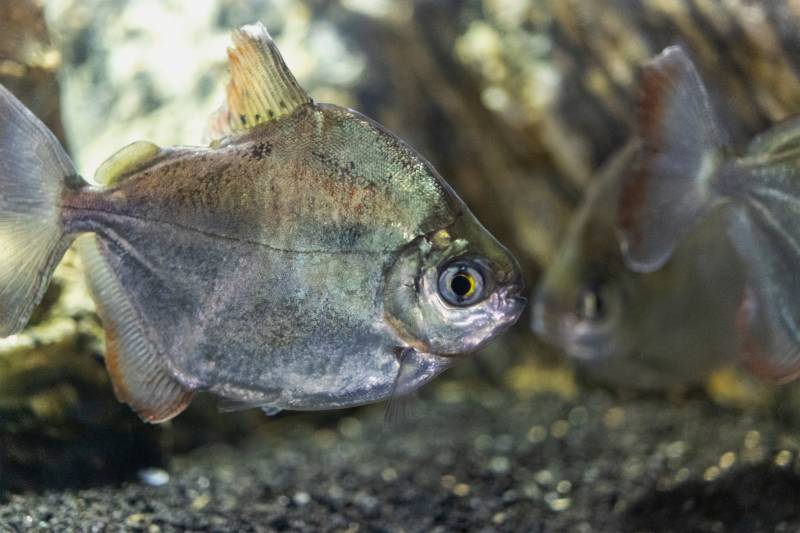
9. Silver Dollar
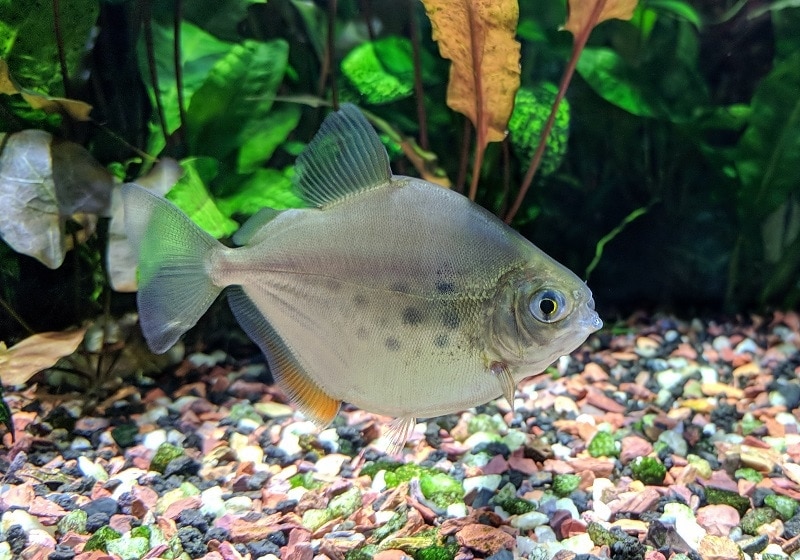
| Size: | 6–8 inches (15.2–20.3 cm) |
| Diet: | Herbivore |
| Minimum Tank Size: | 75 gallons (284 liters) |
| Care Level: | Medium |
| Temperament: | Peaceful, timid |
Silver Dollars are shoaling fish that require a large tank with plenty of hiding places and plants. If kept in a tank that is too small for the group or doesn’t provide plenty of shelter, these fish can be very timid and shy. They should not be kept alone as this will create significant stress. They are herbivorous and peaceful, so their only potential interactions with a Bristlenose Pleco would be food related.
Related Read: 11 Tank Mates for Silver Dollar Fish (With Pictures)
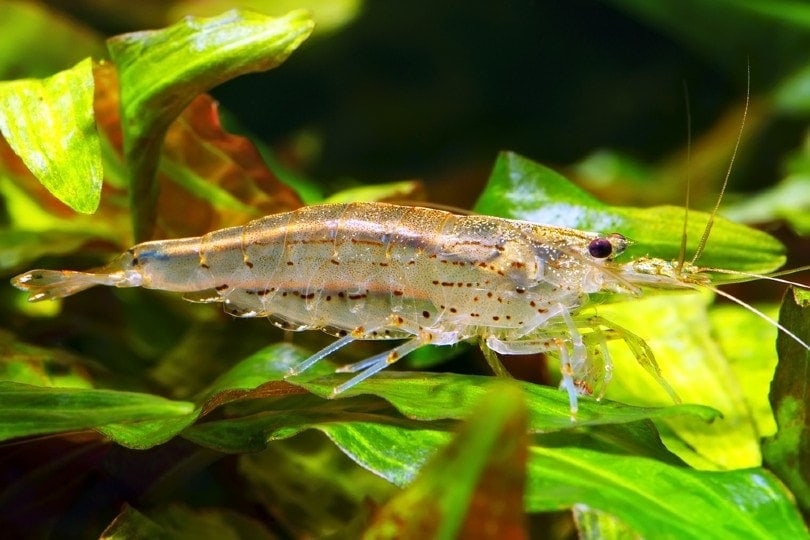
10. Bamboo Shrimp
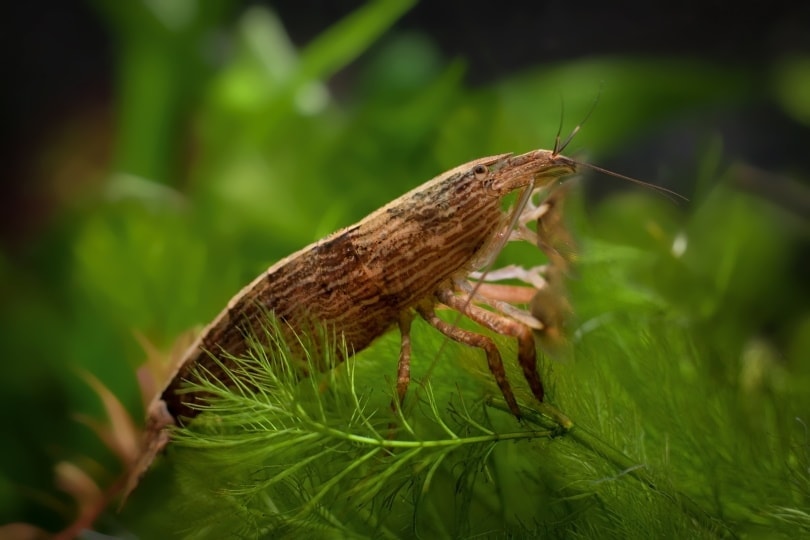
| Size: | 2–3 inches (5.1–7.6 cm) |
| Diet: | Omnivorous; filter feeder |
| Minimum Tank Size: | 10 gallons (38 liters) |
| Care Level: | Medium |
| Temperament: | Timid |
These large but gentle filter-feeding shrimp will spend most of their time in the water’s currents catching microprey and plant particles in the water. They tend to be somewhat nocturnal and are adept at hiding, so it’s not unusual for you not to see your Bamboo shrimp for multiple days. They tend to move around the tank to the areas with the heaviest currents, so they may or may not come into contact with your Bristlenose Pleco, but their peaceful and timid nature means there shouldn’t be any problems.
11. Black Ghost Knife Fish
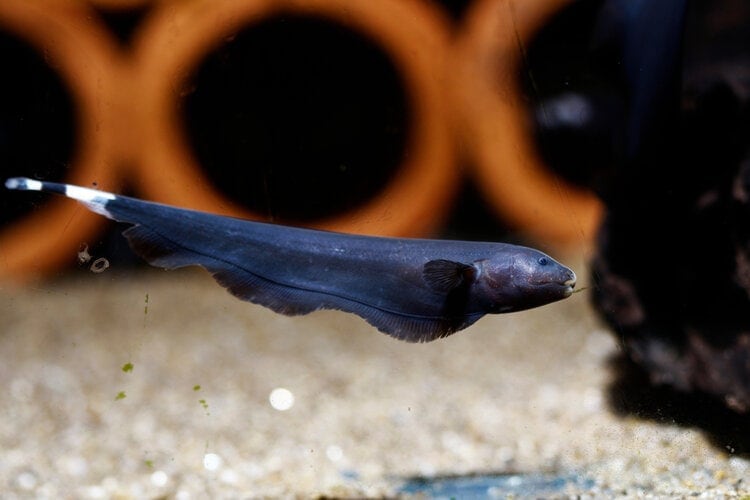
| Size: | 18–20 inches (45.7–50.8 cm) |
| Diet: | Carnivore |
| Minimum Tank Size: | 100 gallons (379 liters) |
| Care Level: | Medium |
| Temperament: | Shy |
The Black Ghost Knife Fish is an interesting fish that tends to be quite shy and spends most of the day hiding. They are typically nocturnal fish and use a weakly electric organ to help them find prey and sneak up on their food. They tend to eat small fish, so it’s not likely that your Black Ghost Knife Fish will bother your Bristlenose Pleco. Just ensure that both of them have plenty of hiding places to choose from so they are not encroaching on each other’s space.
12. Mystery Snail
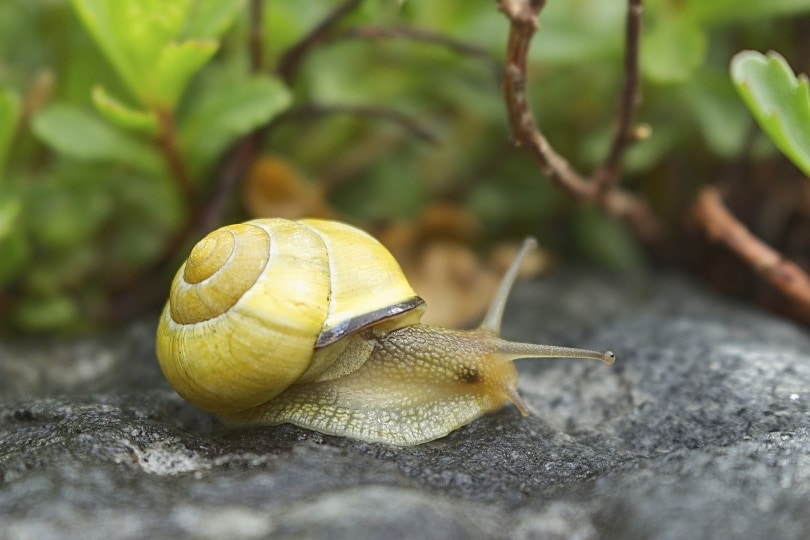
| Size: | 1–2 inches (2.5–5.1 cm) |
| Diet: | Omnivorous |
| Minimum Tank Size: | 5 gallons (19 liters) |
| Care Level: | Easy |
| Temperament: | Peaceful, curious |
Mystery snails are curious and active snails that are usually wandering the tank looking for something to snack on. They are extremely peaceful and will not bother fish in the tank. They will scavenge, though, making them great for eating leftover food and dead plant matter in the tank. They do create a high bioload in the tank, though, so make sure your filtration is equipped to manage the waste of both a Pleco and Mystery snail.
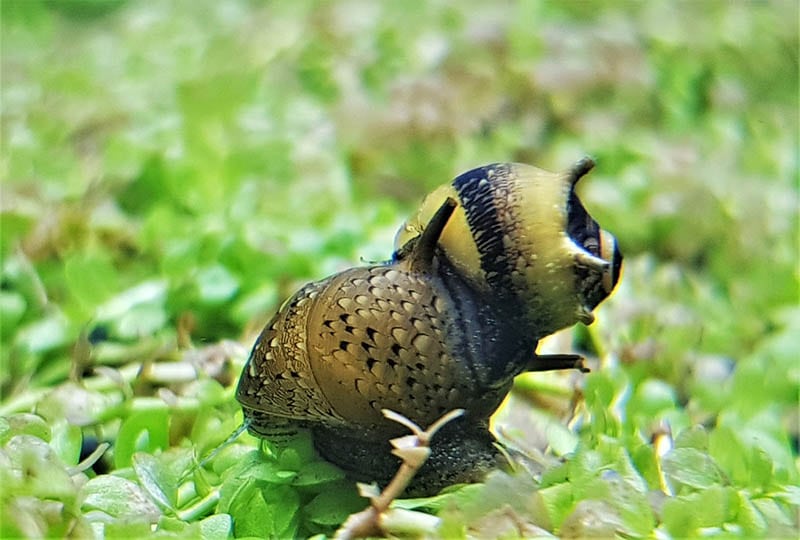
13. Nerite Snail
| Size: | 0.5–1 inch (1.3–3.8 cm) |
| Diet: | Herbivore |
| Minimum Tank Size: | 10 gallons (38 liters) |
| Care Level: | Easy |
| Temperament: | Peaceful |
Nerite snails are one of the best snails available for freshwater tanks when it comes to consuming algae. They are herbivorous, so they will not pick up as much tank waste as Mystery snails will. They are peaceful and won’t bother the fish in your tank. They may encounter your Bristlenose Pleco when food is available, but they tend to be passive when shoved out of the way by fish. The downside to Nerite snails is that they will lay eggs all over the tank, including on other snails. However, these eggs will not hatch in freshwater.
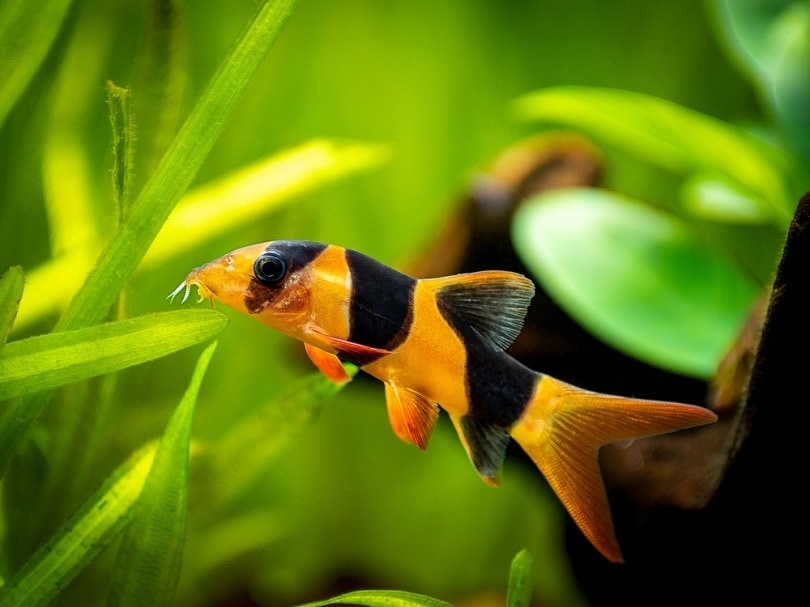
14. Clown Loach
| Size: | 6–12 inches (15.2–30.5 cm) |
| Diet: | Omnivore |
| Minimum Tank Size: | 75 gallons - juvenile (284 liters), 100 gallons - adult (379 liters) |
| Care Level: | Medium |
| Temperament: | Timid (single), social (groups) |
The Clown Loach is a fun fish that prefers to be kept in shoals of at least five fish. If kept alone or in small groups, these fish tend to be very timid, but when kept in shoals, they become very social and active. They are peaceful omnivores that will spend a lot of time in the bottom portion of the water column but are unlikely to bother your Bristlenose Pleco. Just ensure everyone has hiding space available. Be aware of how large these fish can get, though, because they routinely end up in tanks that are too small.
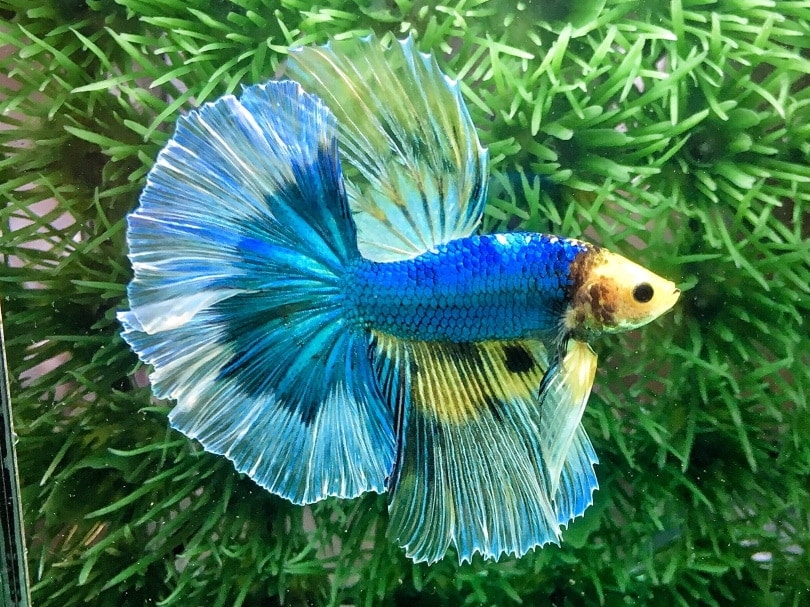
15. Betta Fish
| Size: | 2–3 inches (5.1–7.6 cm) |
| Diet: | Carnivore |
| Minimum Tank Size: | 5 gallons (19 liters) |
| Care Level: | Easy |
| Temperament: | Semi-aggressive |
Betta fish are a great tank mate for a Bristlenose Pleco because they tend to stay in the upper portion of the water column, and they will almost always leave tank mates alone that are out of their line of sight. Bettas are brightly colored fish with flashy fins, which draw a ton of attention to the tank. They’re a great pick if you’re intending to limit the number of animals in your tank since they don’t always make great additions to community tanks.

What Makes a Good Tank Mate for Bristlenose Plecostomus?
The most important quality for a Bristlenose Pleco’s tank mate to have is being willing to leave the Pleco alone most of the time. Although they have armored scales, Plecos can become stressed by bullying and fin nipping from tank mates. Also, since Bristlenose Plecos spend almost all of their time on or near the floor of the tank, tank mates that rarely come into the lower portion of the tank have the lowest chance of causing issues.
Where Do Bristlenose Plecostomus Prefer to Live in the Aquarium?
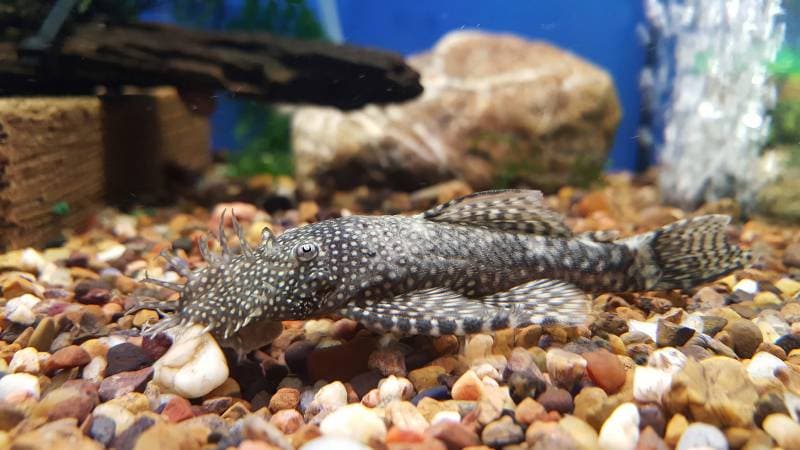
Bristlenose Plecos almost exclusively inhabit the tank floor and lower portion of the water column. They will leave this area on occasion to find food. They’re typically nocturnal, so they tend to hide in caves and under driftwood near the bottom of the tank during the day.
Water Parameters
The Bristlenose Pleco is native to tropical rivers in South America, so they do prefer a warm, freshwater environment. They can tolerate a temperature range from 60–80°F (15–27°C) but prefer warmer water in the 73–80°F (22–27°C) range. In most homes, you’ll need a tank heater to keep your Bristlenose Pleco at a comfortable temperature. They prefer a neutral pH between 6.5–7.5 but can tolerate a pH from 6.5–8.0.
Size
Bristlenose Plecos are on the low end of Plecostomus sizes. They typically reach approximately 3–5 inches (7.6–12.7 cm). This makes them a good alternative to the Common Pleco, which can exceed 12 inches (30.5 cm). They aren’t quite as small as some other varieties of Pleco, though, like the tiny Pitbull Pleco that only reaches 1.5–2 inches (3.8–5.1 cm).
Aggressive Behaviors
Although generally peaceful, Bristlenose Plecos can become aggressive as they age. This is more common if they are sharing a tank with tank mates that harass them, but some Bristlenose Plecos do seek out tank mates to bully. This type of behavior is unusual and is typically brought on by some type of stress, like a lack of access to food. Some adult Plecos do have to be kept in a tank alone if they become aggressive.
The 2 Benefits of Having Tank Mates for Bristlenose Plecostomus in Your Aquarium
1. Clean Up
Bristlenose Plecos are excellent algae eaters and will help keep your tank clean. However, they won’t eat everything that enters the tank. If you have fish that live further up in the water column, there’s a chance that they will miss some food, and your Pleco may not eat it. Other tank mates will help ensure the food gets eaten.
2. Variety
While Bristlenose Plecos are unusual fish, they aren’t highly active or flashy. Adding brightly colored or active tank mates will help add variety to your tank and pull interest.

Conclusion
Finding the right tank mates for your Bristlenose Pleco is important to ensure a low-stress environment for your Pleco. Appropriate tank mates will help reduce the risk of aggression that may develop as your Pleco ages. Fish that spend time in the upper portions of the water column are often the best picks, but some bottom dwellers also make great tank mates.
Make sure your Pleco gets plenty to eat to prevent aggression and stress. Avoid tank mates that are overly active and prone to bullying. Your Bristlenose Pleco has the potential to live a long healthy life in an appropriate tank environment, and that includes well-matched tank mates.
See also:
24 Types of Goldfish Breeds: Identification Guide (With Pictures)
Do Betta Fish Kill Other Fish? Temperament & Companion Options
Featured Image Credit: TTONN, Shutterstock
Get Hepper In Your Inbox


Pet care tips from our vets and experts, straight to your inbox.
You may opt-out at any time. View our Privacy Policy for more information.

Lindsey discovered her passion for fish keeping after a junior high school field trip to the Shedd Aquarium in Chicago. Prior to becoming Editor-in-Chief of It's a Fish Thing, Lindsey studied marine biology at the University of California-Santa Cruz. She loves goldfish, tetras, and mystery snails, and recently began experimenting with a saltwater aquarium.
Join the conversation
Ask a question, share your story, or send private feedback.