Hepper is reader-supported. When you buy via links on our site, we may earn an affiliate commission at no cost to you. Learn more.
Claritin for Dogs: Our Vet Explains Usage, Info & FAQ
In this article
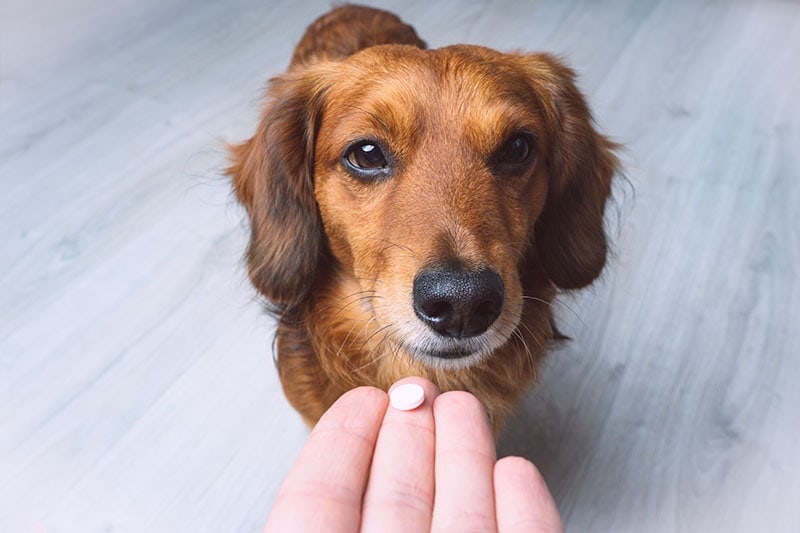
Claritin is the brand name of a type of antihistamine that can typically be found and purchased over-the-counter (OTC). There are many different types of formulations of Claritin, some of which can be extremely harmful to your dog. However, regular Claritin may be recommended by your veterinarian to help with mild allergies. Continue reading to find out more about Claritin, its uses in dogs, potential side effects, and which products not to reach for. Remember that it is important to consult a vet before giving any medication to your dog.

What Is Claritin?
Claritin is the brand name for the drug loratadine. One of the Claritin products, Claritin-D, contains loratadine and pseudoephedrine. It's important to mention here that Claritin-D is a product you should never give your dog. This contains pseudoephedrine which can be extremely harmful and even fatal at certain doses. If you accidentally gave your dog this product, you should bring your dog to the nearest emergency clinic as soon as possible, and bring the product you administered as well.
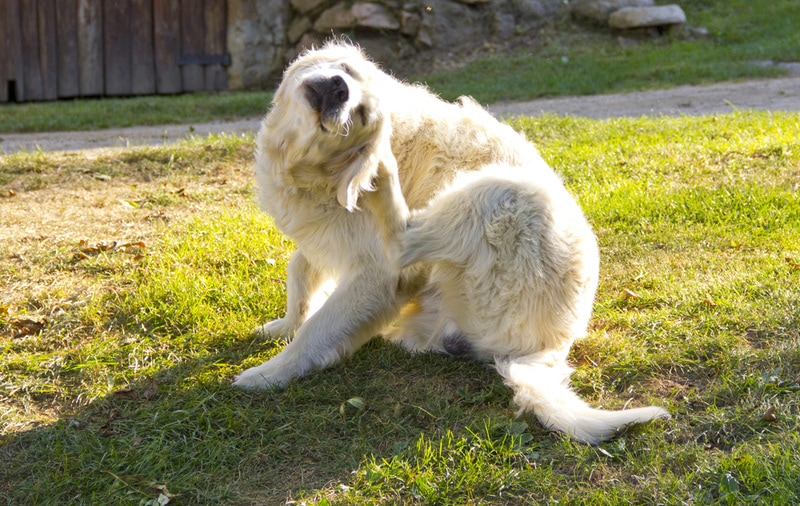
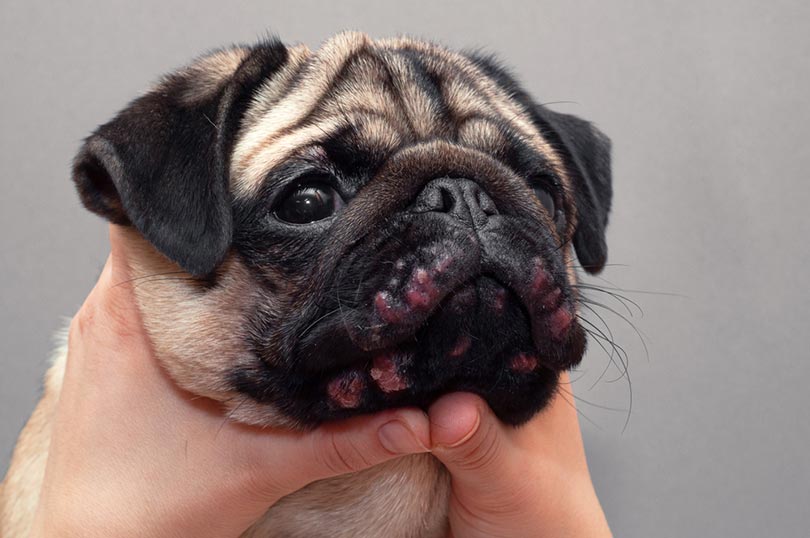
Claritin is classified as an antihistamine medication most commonly used for allergies. Dogs can have allergies to things in the environment, their food, fleas, and can also develop allergic reactions to things such as insect bites.
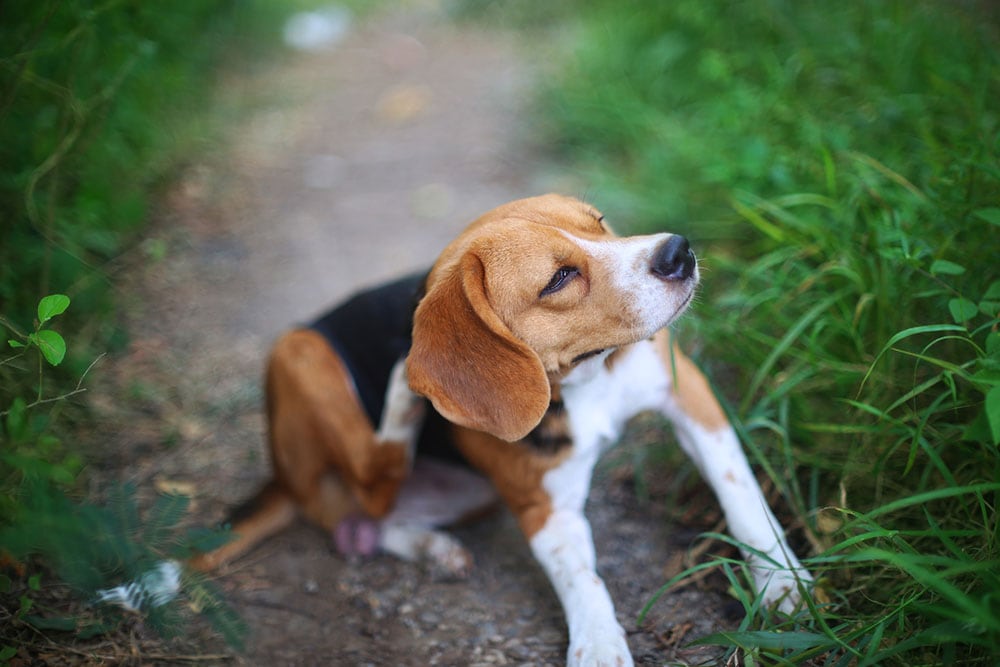
In a normal situation, when your dog’s body reacts to an allergen and/or irritant, the body will release histamine. Histamine is a naturally occurring substance in the body that can cause no issues. However, if your dog has allergies or is having an acute allergic reaction, they may release excessive histamine. The excessive histamine may cause itching (pruritus), redness and swelling. Antihistamines such as Claritin work by blocking histamine from attaching to specific cell receptors that will cause the excessive reactions we discussed. Claritin, or loratadine, is in the piperidine class of antihistamines.
Claritin is most effective for relieving allergy symptoms for airborne irritants. In other words, pollen, grass, dust, etc. Claritin may not be as effective for contact allergies or food allergy symptoms.

How Is Claritin Given?
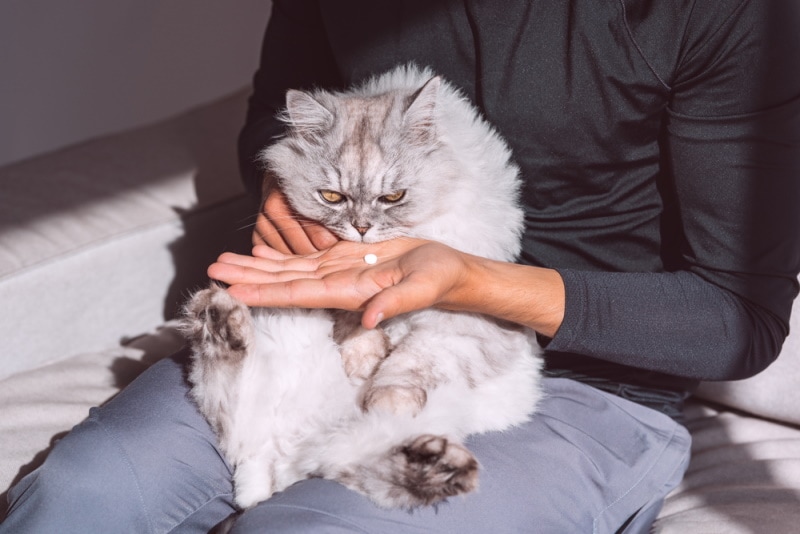
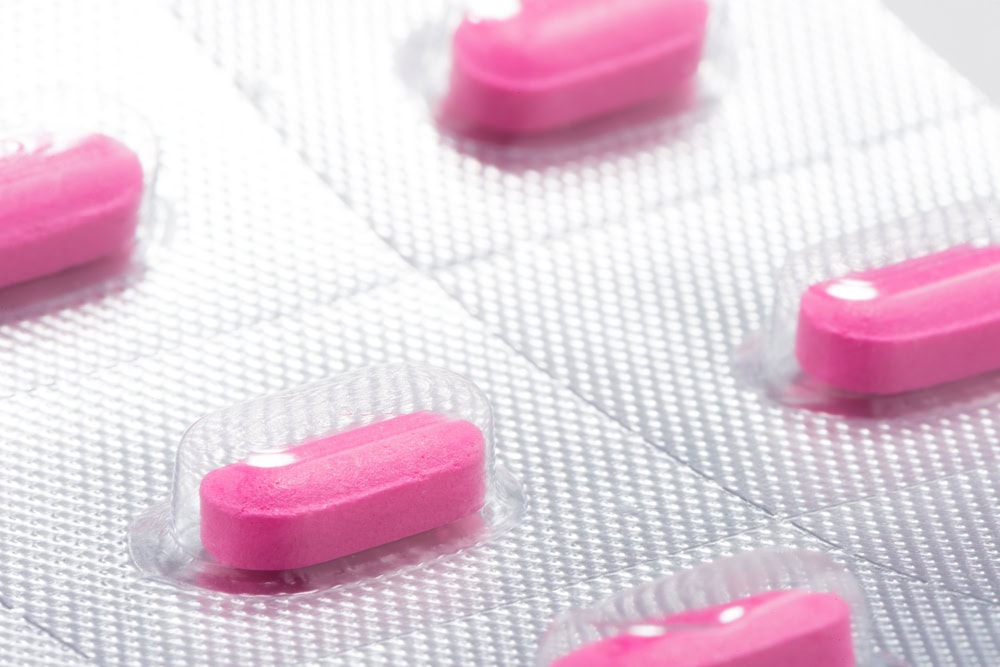
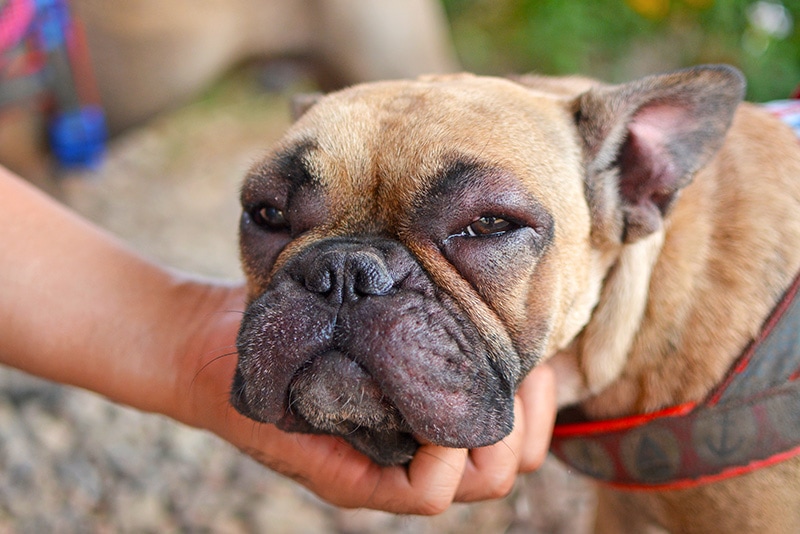
Claritin is given orally. Claritin is an OTC product that comes as tablets, gel capsules, chewables, and liquid syrup. Typically, it’s easiest to give your dog the plain tablets. These can also be easily divided for more accurate dosing based on your veterinarian’s recommendations. Oftentimes people think their dogs will take liquid syrups better, but it often ends up all over you and your dog and they don’t actually ingest it appropriately.
Claritin can be given with or without food. An empty stomach does not affect the efficacy. However, it’s much easier to give a dog medication if it’s hidden in some type of food. Some good options are peanut butter, cream cheese, treat pockets, cheese spray, bread, or any other sticky and tasty food your dog loves.
Always double check a recommended dosage for your dog with your veterinarian. As a general rule of thumb, loratadine can be given every 12 or 24 hours, as a single 5mg or 10mg tablet. The dose should be titrated up or down based on recommendations from your veterinarian.
What Happens If You Miss a Dose?
The great thing about Claritin is that you do not need to wean your dog on or off the medication. In other words, the medication works as you give it. Therefore, if you miss a dose, there are no adverse effects. If Claritin is effective for your dog, missing a dose will just cause them to continue having itching, redness and/or swelling from the underlying allergies.

Potential Side Effects of Claritin
Loratadine does not cross the blood-brain barrier, so it will not cause drowsiness as compared to other antihistamines. In people, when higher doses of loratadine is taken, they may get headaches, a fast heart rate, hyperactivity, dry mouth, and dry eye. However, there are no clear studies in dogs reporting these side effects, and there is no way for us to know if a dog gets a headache after taking certain medications.
Your dog may experience increased blood levels of loratadine if they are also taking ketoconazole, cimetidine, and erythromycin. Make sure to discuss any compounding effects with loratadine if your dog is on any other medications with your veterinarian.
Frequently Asked Questions
Is Loratadine/Claritin Effective Against Allergies?
Most veterinarians are not huge fans of antihistamines in general to control allergy symptoms in your dog. While they may help with mild symptoms, and are often needed in acute allergic reactions, they are often not strong enough to control severe cases of allergies.
Can I Give Claritin-D If My Dog Is Congested?
No! As mentioned above, this medication contains pseudoephedrine, which can be severely toxic to your dog. Depending on how much is ingested, it can also be fatal. Make sure you only grab the regular Claritin if loratadine is recommended by your veterinarian.
Final Thoughts
Claritin is the brand name of the drug loratadine, which is an antihistamine. Claritin is an OTC product that can help relieve symptoms of allergies including itching, swelling, and skin redness. Overall, this product is very safe for your dog and can be given once or twice daily. However, you may not notice any effect at all, and your veterinarian may recommend specific veterinary-approved prescriptions to help control your dog’s allergy symptoms. Take care that you do not accidentally give your dog Claritin-D, as this can be severely toxic or even fatal when given to your dog. Always give loratadine or any other OTC medication under the advice and recommendation of your veterinarian.
Sources
Featured Image Credit: Creative Cat Studio, Shutterstock
Get Hepper In Your Inbox


Pet care tips from our vets and experts, straight to your inbox.
You may opt-out at any time. View our Privacy Policy for more information.
Dr. Podlecki is a graduate of The Ohio State University College of Veterinary Medicine with more than 12 years of experience working with small animals in the US. Dr. Podlecki spent 10 years working almost exclusively in emergency and specialty medicine before transitioning to relief in general practice and the ER. She also owns her own veterinary consulting company (renewvetconsulting.com) that helps vet hospital improve their internal culture.
For as long as she can remember, Dr. Podlecki always wanted to be a veterinarian. It is her passion and she lives to help animals. She also owns her own consulting company (renewvetconsulting.com) which focuses on helping veterinary hospitals prioritize their staff to promote a healthier internal culture.
Education
Dr. Podlecki graduated from The Ohio State University College of Veterinary Medicine.
Experience
Dr. Podlecki has over 12 years of experience working in the USA with small animals. For more than 10 years, she worked almost exclusively in emergency and specialty medicine, before transitioning to relief in both general practice and ER.
Join the conversation
Ask a question, share your story, or send private feedback.