Hepper is reader-supported. When you buy via links on our site, we may earn an affiliate commission at no cost to you. Learn more.
Velvet Fish Disease: Vet-Reviewed Causes, Signs & Treatment


In this article
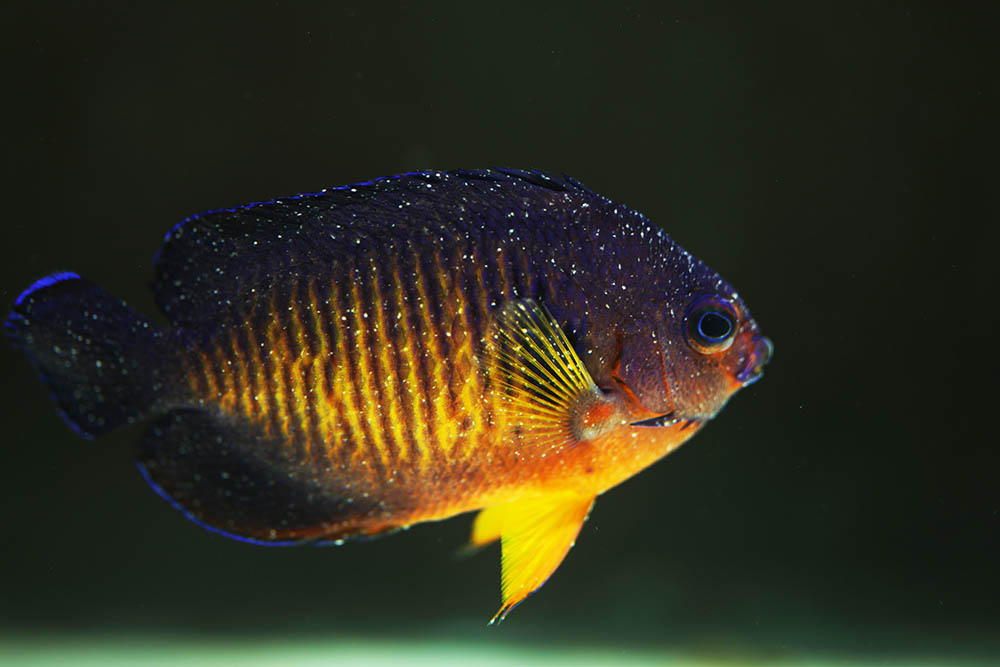
If you’ve noticed your fish taking on an odd rust color, you may not realize that your fish could be suffering from Velvet Disease. Though rare in coldwater aquariums, this disease can sometimes be found in tropical setups. Unfortunately, it is very deadly to fish and should be treated quickly and early for the best chance of saving your fish.
If you’ve noticed a velvety coating developing on your fish, continue reading for more information on Velvet Disease in fish.

What is Velvet Fish Disease?
Velvet disease is a protozoal infection in fish that is caused by parasites called Piscinoodinium spp. There's a saltwater version of this disease that is caused by a different parasite, called Amyloodinium.
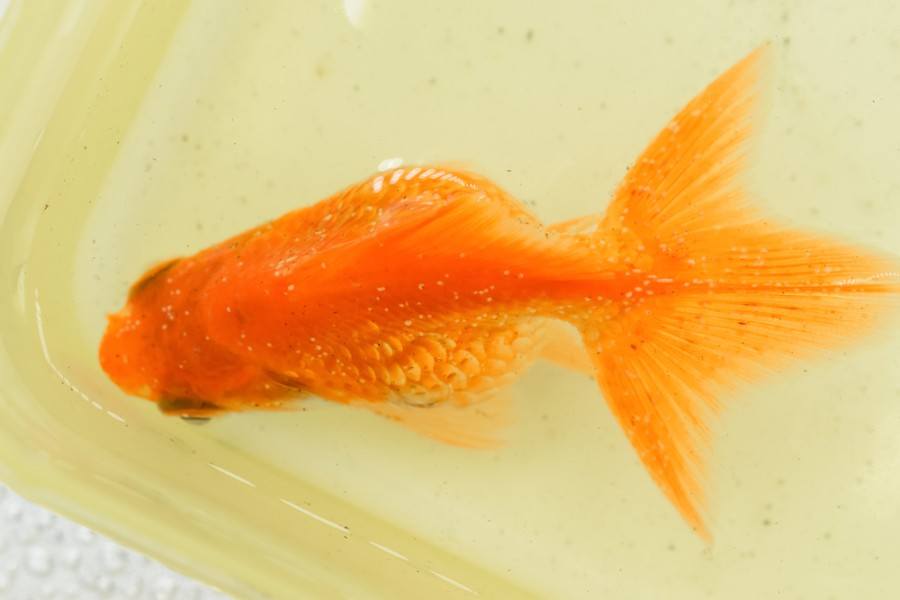
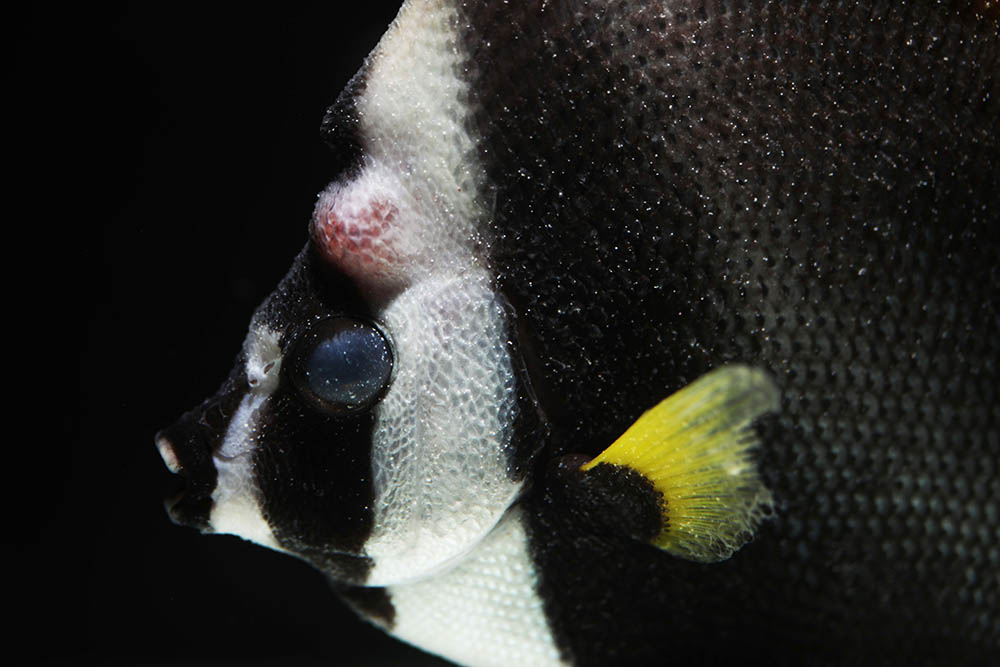
Velvet disease is recognizable by the physical appearance of the fish because these parasites cause the fish to take on a rust-colored, velvety appearance. This disease is also sometimes called Rust Disease and Gold-Dust Disease for the gold, yellow, or rust coloration it leaves on the fish’s scales. Velvet Disease is highly contagious and can infect, and even kill, all fish in your aquarium within weeks if not treated early.
What Causes Velvet Fish Disease?
Velvet in freshwater fish is caused by Piscinoodinium pillulare, single-celled parasitic dinoflagellates.
Tanks with poor water quality can lead to Velvet Disease in fish. Old water that is changed infrequently creates an environment in which these parasites can thrive. These parasites can be introduced into the tank by new fish or plants that are not properly quarantined prior to adding to the main tank. And like many other diseases, fish with poor immune systems are at an increased risk of developing Velvet Disease. Stress can be caused by poor water quality, poor nutrition, bullying and fin nipping, travel or shipping, and a host of other issues within the tank.
What are the Signs of Velvet Fish Disease?
This disease is distinguishable by the velvet-like coating it leaves on the fish. This is actually the protozoans latching onto the fish. They will then enter via the gills and systemically infect the fish.
As the disease progresses, fish may become lethargic or noticeably thin, spend a lot of time in the upper portions of the water column, or show signs of labored breathing. If a fish has reached this point in the disease process, it is unlikely they will survive.
How Do I Treat Velvet Fish Disease?
Velvet Disease can be difficult to treat and there are few effective options. You may be able to treat an individual fish with aquarium salt baths. However, this will not treat your tank, so if the protozoans have already begun reproducing, it is possible they’re in your tank water and will go on to infect your other fish. This means that tank treatment is the best option for treating Velvet Disease.
Copper Sulfate can be an effective treatment for Velvet Disease in fish and is often accessible through animal pharmacies. Multiple treatments of the tank are necessary to completely eradicate the parasites in the fish and the water. It is extremely important to note, though, that invertebrates like shrimp and snails are exceptionally sensitive to copper.
Treating a tank with snails or shrimp in it with copper will result in the death of the invertebrates. It’s important to understand that copper is a heavy metal, which means that it is difficult to fully remove from the water without a complete tank reset. If the copper is still present in your tank in high enough concentrations when you put invertebrates in the tank, they will die, even if it’s weeks or potentially months after treating the tank.
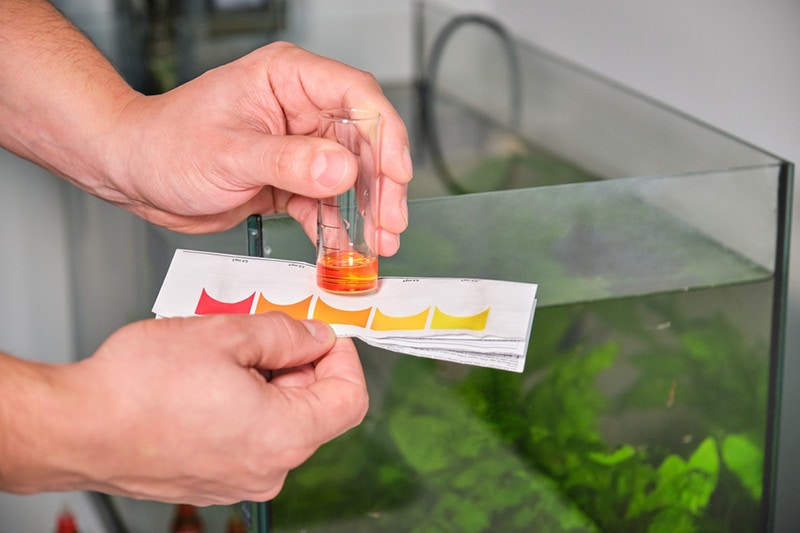
You can check the copper levels in your tank via specialized test kits. This is the only way to safely determine your tank is free from levels of copper that are dangerous to invertebrates.
How Do I Prevent Velvet Fish Disease?
Preventing Velvet Disease in your aquarium can be accomplished through good tank maintenance and fish husbandry. Dip treating or quarantining new plants can kill parasites that are living on the plants or in the water the plants were being kept in.
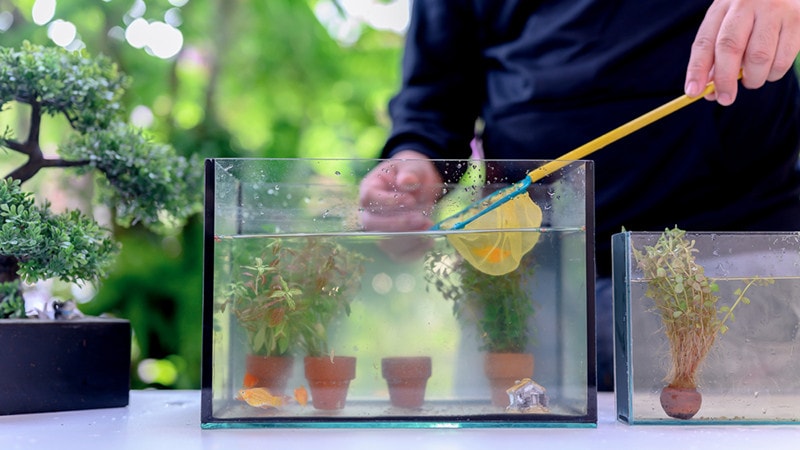
Quarantining new fish can prevent asymptomatic, infected fish from being introduced to your aquarium and infecting other fish before you are able to see the problem. Routine water changes and maintaining high water quality are essential to preventing diseases like Velvet Disease. Remember that you should use different aquarium equipment (nets, etc.) for a quarantine tank, and thoroughly wash your hands before and after working on or near your aquariums.
Finally, provide the most stress-free home for your fish that you possibly can. Provide a healthy, varied diet, an enriching environment, and peaceful tankmates that will not hurt or stress your fish.

Conclusion
Velvet Disease can be extremely deadly and has the potential to wipe out your entire tank if you aren’t vigilant. Preventing this disease is your best bet when it comes to keeping your fish healthy and alive. The prevention measures for Velvet Disease are good practices for maintaining tank health anyway, so begin incorporating these practices into your tank care if you haven’t already.
Check out some of our other popular posts:
Featured Image Credit: Pavaphon Supanantananont, Shutterstock
Get Hepper In Your Inbox


Pet care tips from our vets and experts, straight to your inbox.
You may opt-out at any time. View our Privacy Policy for more information.
Lindsey discovered her passion for fish keeping after a junior high school field trip to the Shedd Aquarium in Chicago. Prior to becoming Editor-in-Chief of It's a Fish Thing, Lindsey studied marine biology at the University of California-Santa Cruz. She loves goldfish, tetras, and mystery snails, and recently began experimenting with a saltwater aquarium.
Join the conversation
Ask a question, share your story, or send private feedback.