Hepper is reader-supported. When you buy via links on our site, we may earn an affiliate commission at no cost to you. Learn more.
Is an Axolotl an Amphibian? Vet Approved Facts & FAQ


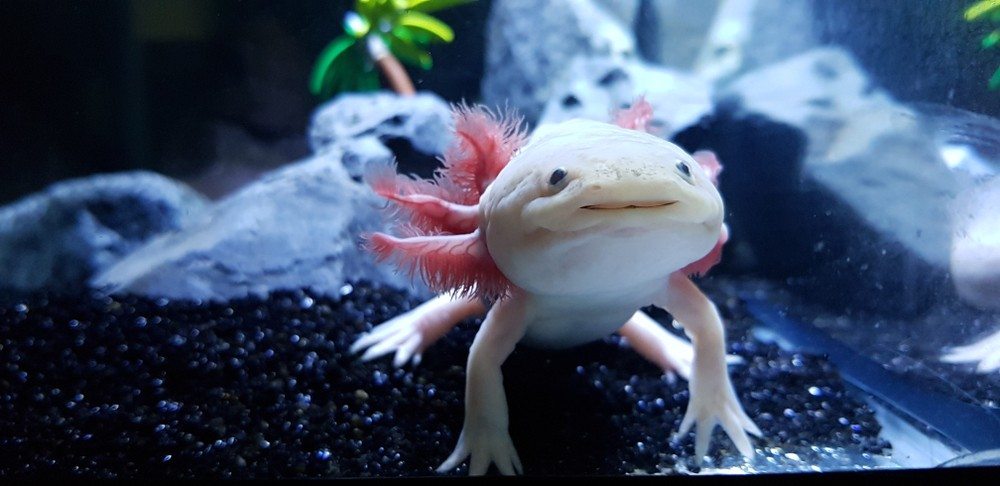
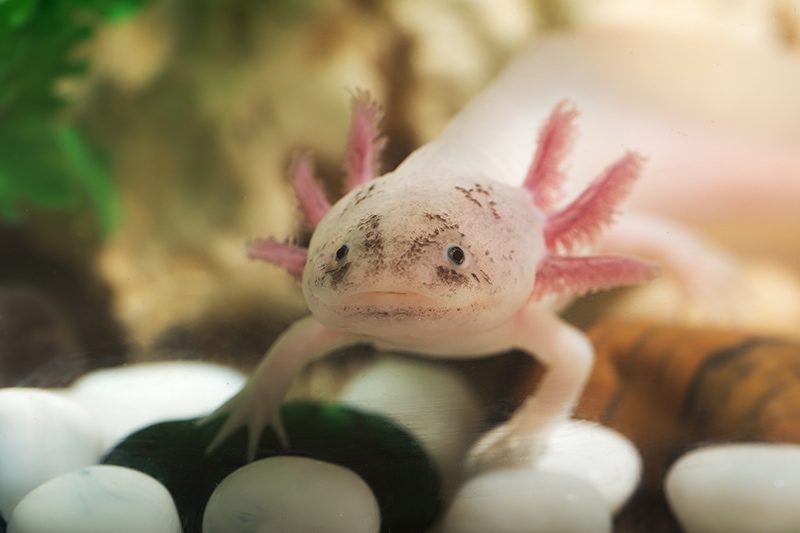
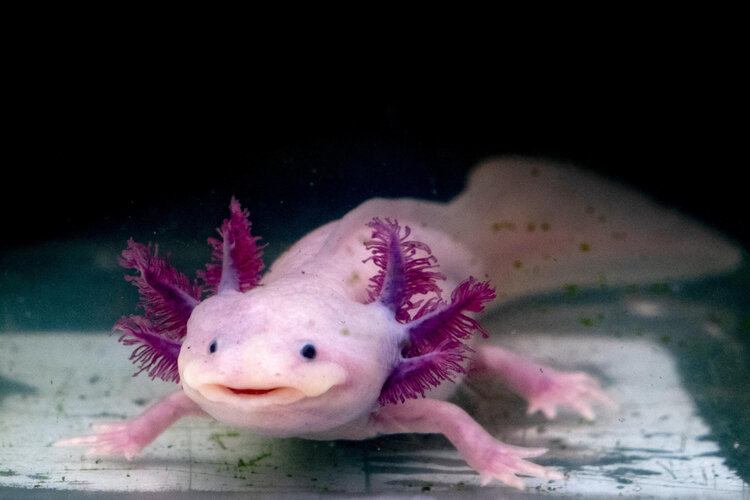
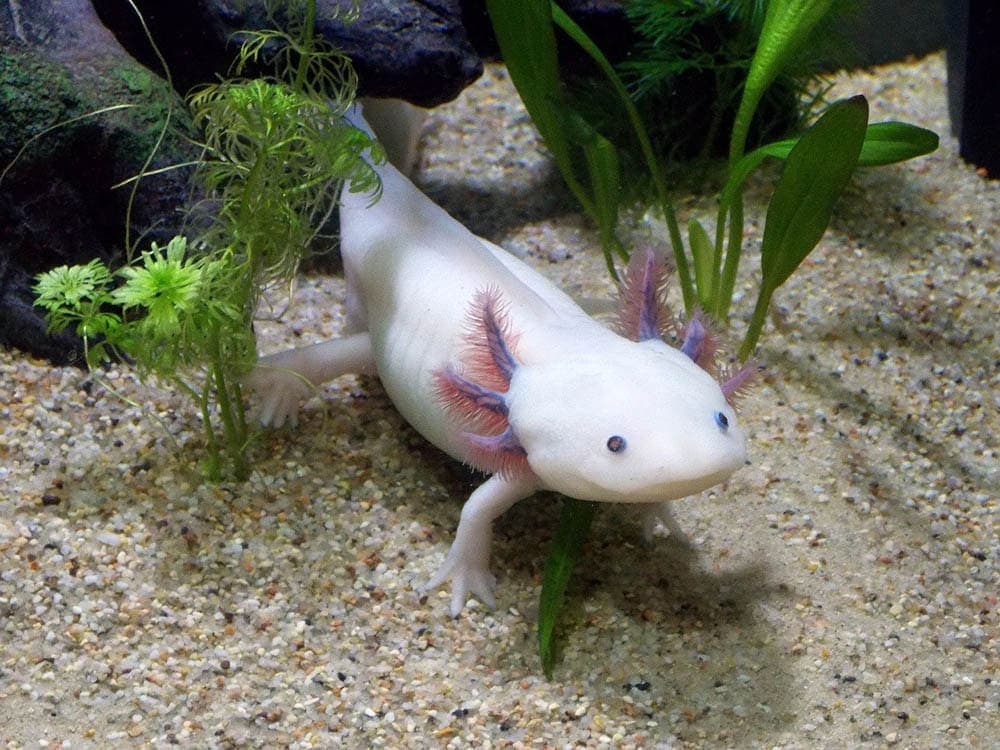
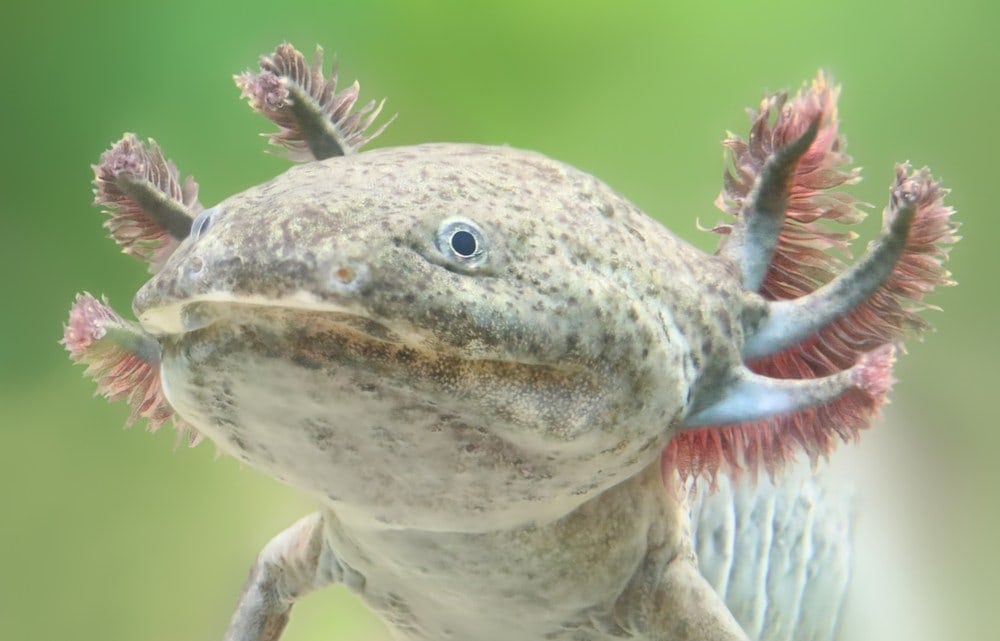
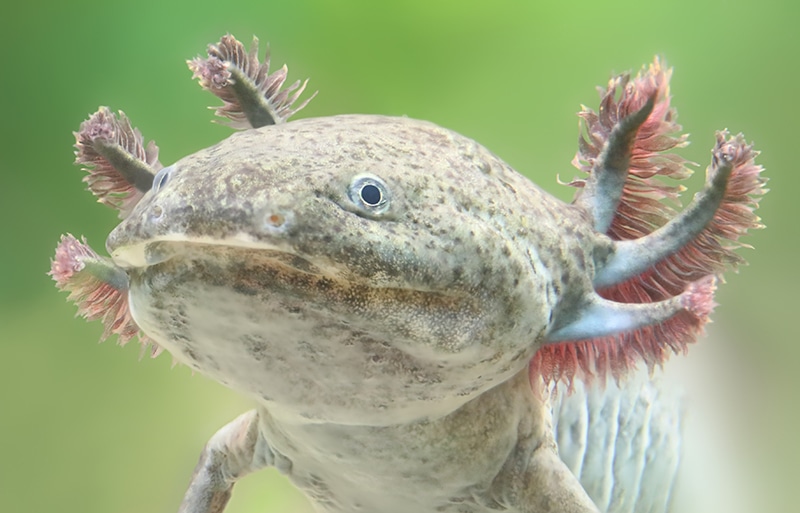
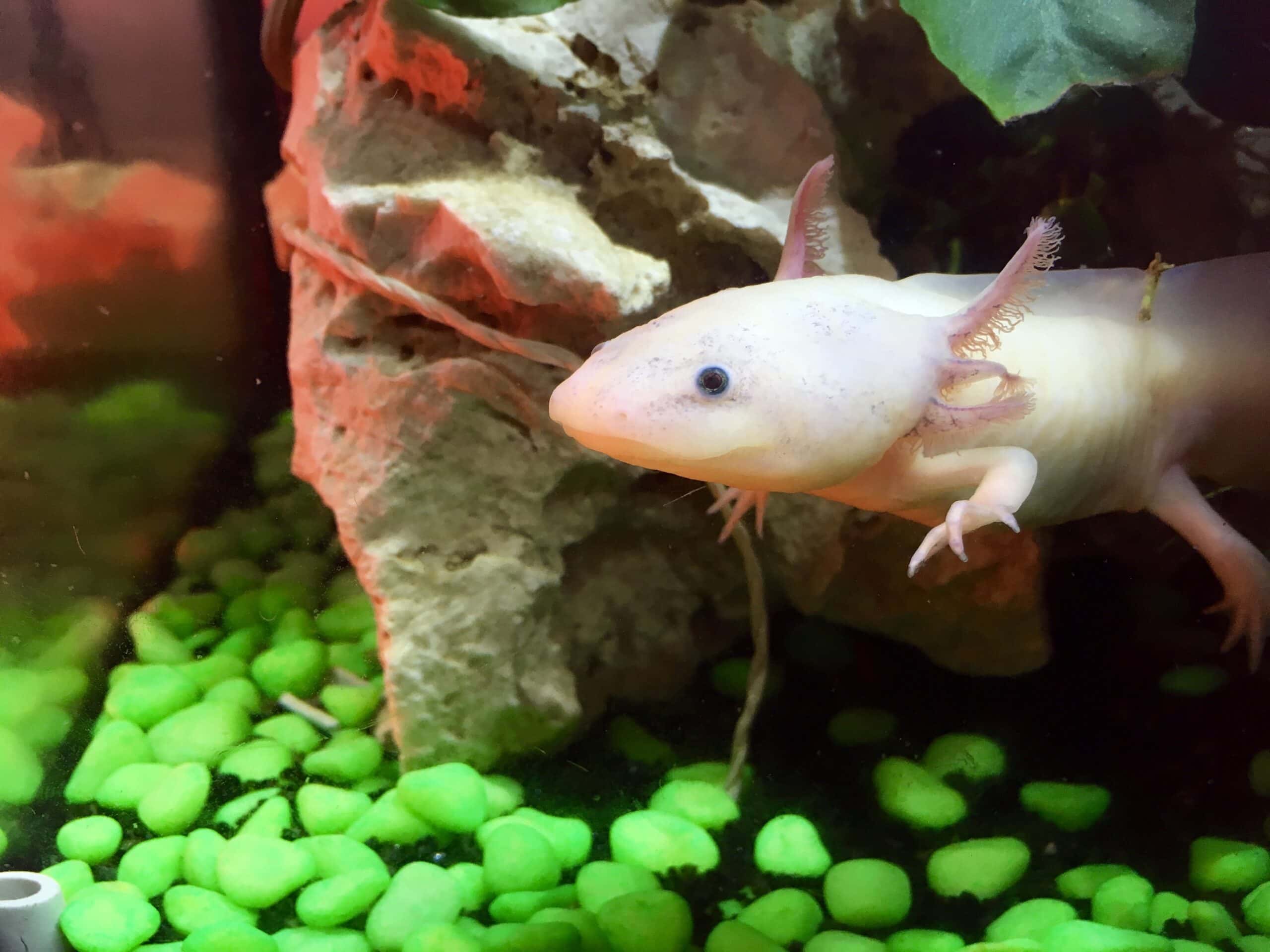
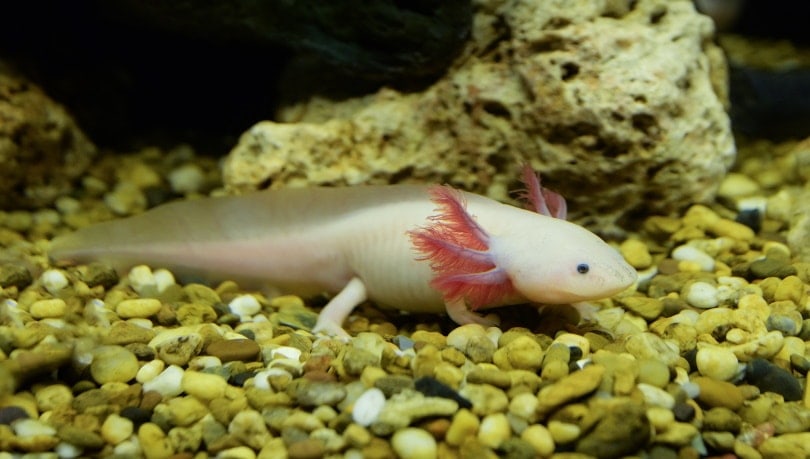
If you’ve ever seen one, there’s no way to forget an Axolotl. This amazing creature always seems to be smiling and looks like a cross between a frog, a salamander, and an alien from deep space! As they become more popular pets, many people have questions about the Axolotl, and one of the most often heard is whether an Axolotl is an amphibian, a fish, or something else. You might be surprised that scientists classify the Axolotl as an amphibian, even though most never leave the water. If your curiosity is piqued and you want more fun facts about this fascinating creature, the Mexican Walking Fish, read on!

Why Is the Axolotl Classified as an Amphibian?
Although most Axolotls spend their entire life in the water, they aren’t classified as fish but as amphibians. They do develop lungs and can breathe air on the surface of the water. However, they mostly rely on their characteristic gills to breathe in the water. Unlike other amphibians, axolotls do not lose their gills or tail. They also develop the ability to reproduce without losing some of their pre-adult physical characteristics; this condition is called neotony.
Can Axolotls Breathe Out of the Water?
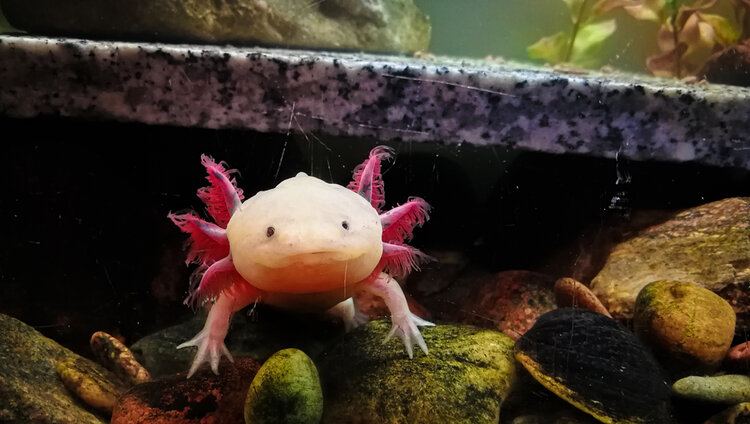
If an Axolotl can leave the water, it makes sense that it can breathe out of the water, right? Not exactly. Yes, an Axolotl can live outside of the water, but only for about an hour before it must go back into the water. The reason is that Axolotls have both gills and lungs, but their lungs aren’t very strong or well-developed.
Do Axolotls Lay Eggs?
Axolotls are indeed egg-laying animals. Female Axolotls usually begin laying their eggs within a day after mating, although they sometimes wait up to 2 days. Once a female Axolotl starts laying eggs, she keeps going, shedding them for 24 to 48 hours. Axolotls don’t lay their eggs in one large clump like many amphibians but instead spread them around for safety.
If you keep an Axolotl in a home aquarium, you’ll find their eggs all over the place, including on rocks, plants, and other materials. Axolotls are very easy to get to spawn and will also eat their hatchlings if given a chance. That’s why it’s best to remove the eggs or the adults from your tank within a few days after spawning.
Are Axolotls Poisonous?
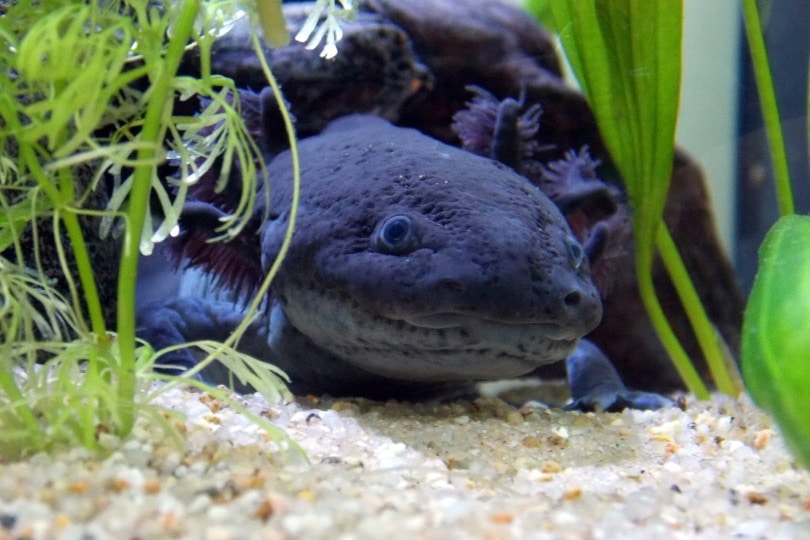
Technically speaking, Axolotls are not poisonous and can be handled without fear. However, if you don't clean your aquarium and change the water regularly, there is one risk: Salmonella transmission. It’s critical to keep your Axolotl tank in pristine shape and practice good hygiene standards before and after handling your Axolotl.
Is It OK to Pet an Axolotl?
While Axolotls aren’t poisonous to the touch, experts recommend not handling them because they’re so fragile. For example, an Axolotl's skin is permeable, which means liquids and gasses can pass through it. Permeable skin is incredibly delicate and can easily be damaged, even if you handle your Axolotl carefully. Axolotl gills are also very delicate and can be damaged with handling.
What’s truly fascinating is that Axolotls have almost no bones in their body but cartilage instead, which is another reason they’re so fragile. Most Axolotl owners recommend only touching them if it’s necessary for their health and care.
Do Axolotls Bite or Sting?
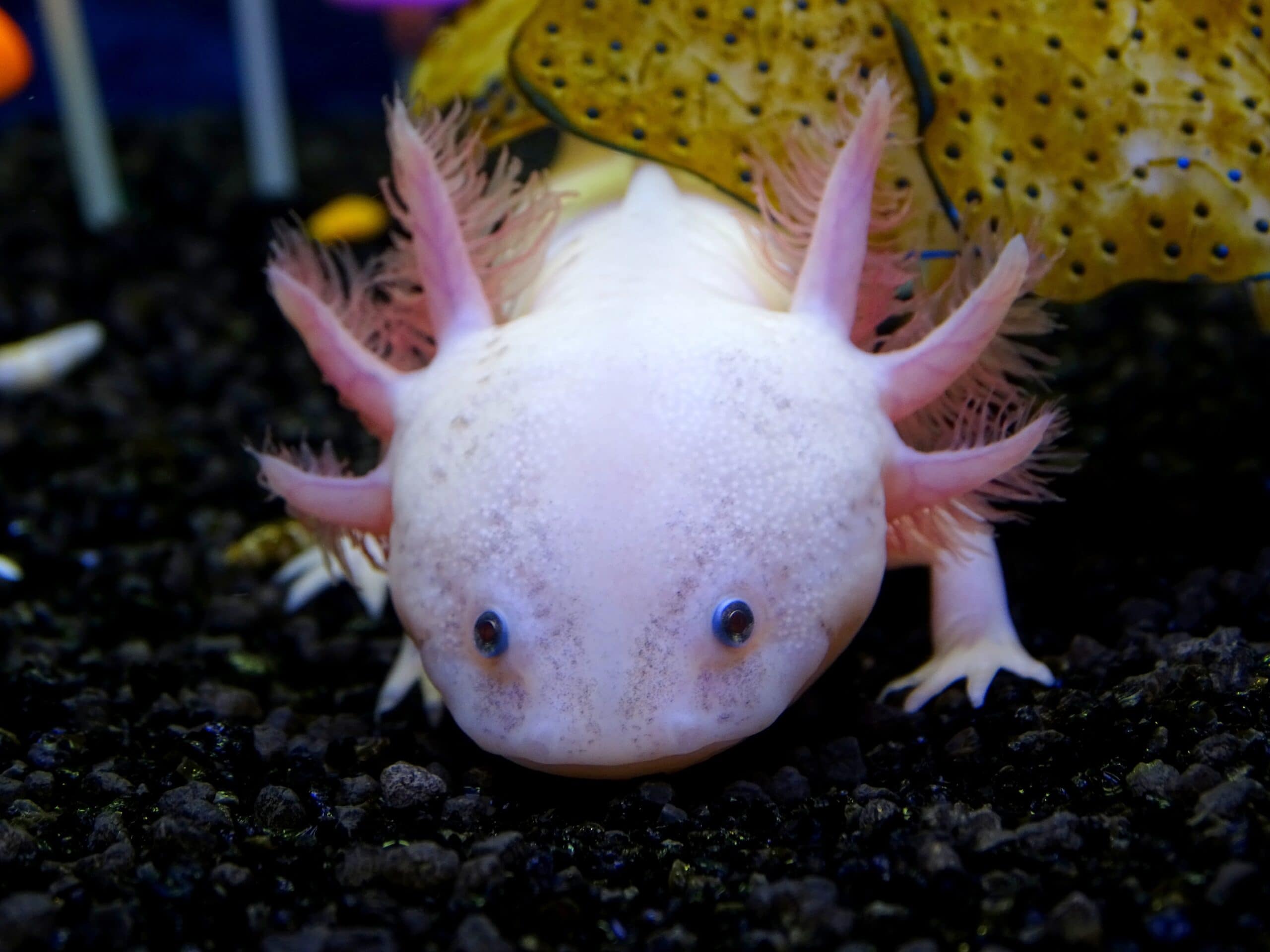
Axolotls don’t have any stinging capacity and also have rudimentary teeth that aren’t sharp. Yes, they can “bite” you, but it’s incredibly rare that an Axolotl bite breaks the skin and draws blood. Usually, it feels like they’re sucking on your finger, nothing more. The only thing recommended you do if your Axolotl gives you a nibble is wash your hands afterward.
Should You Adopt Two Axolotls?
It’s not a good idea to adopt and keep more than one Axolotl because they tend to fight each other, sometimes fiercely. Plus, since they aren’t social animals, having one Axolotl isn't a problem for them and won’t cause them any problems like many dogs and cats have if raised in a one-pet household.
Do Axolotls Have a Smell?
You might think Axolotls would have a “fishy” smell as they live in the water their entire life. However, the fact is that they don't have any smell, at least any smell that’s offensive or stinky.
Can Axolotls Regenerate Body Parts?
Like the starfish, salamander, and a handful of other animals, the Axolotl can regenerate body parts, including its legs, feet, tail, and more. This is truly an incredible and fascinating ability! Depending on the trauma the Axolotl went through, it can even regenerate its spinal cord.
Is the Axolotl in Danger of Extinction?
Unfortunately, since their habitat has been disrupted by urbanization, pollution, and the addition of exotic species, Axolotl numbers in the wild have plummeted. For this reason, today, the Axolotl is critically endangered. Considering this amazing animal symbolizes Mexican culture, we think you’ll agree that its extinction would be devastating.
Is It Cruel to Own an Axolotl as a Pet?
While it's not cruel per se, many believe that taking exotic animals like Axolotls and turning them into pets doesn’t help the wild animal population. However, considering their habitats’ destruction, keeping species under human care is sometimes the only alternative to extinction. It might also help create awareness of the species' situation in the wild and if well-planned, increase the genetic diversity of the population. Buying your Axolotl pet from a reputable breeder might represent the difference between contributing to their extinction and contributing to their preservation.
Studies by the National Autonomous University of Mexico have reported that the Axolotl population in Xochimilco Lake has drastically reduced. The population density went from 6,000 individuals per square kilometer in 1998 to only one Axolotl in every 3 square kilometers in 2014. While finding them years ago was as easy as throwing out a net, it’s now reported that a wild Axolotl hasn’t been seen there in years. Today, most Axolotls are purchased from breeders and not found in the wild.
Final Thoughts
The Axolotl is an amphibian that can mature to reproduce while still retaining its juvenile characteristics. While Axolotls spend most of their time underwater, they have lungs and can breathe air, which is another fascinating fact about this remarkable little creature.
If you’re looking for an exotic pet, the Axolotl might be a good choice, but you’ll have to go to an Axolotl breeder to find one. Many believe that Axolotls make easier pets to care for than puppies, and, with their perpetual “smile,” they always seem happy. However, you should note that there’s an effort underway to preserve the amazing Axolotl and keep them from going extinct. If you are planning to adopt an Axolotl as a pet, please get it from a reputable breeder.
Sources
Featured Image Credit: Jeffrey Lagmay, Shutterstock
Get Hepper In Your Inbox


Pet care tips from our vets and experts, straight to your inbox.
You may opt-out at any time. View our Privacy Policy for more information.
Greg Iacono is a self-taught writer and former chiropractor who, ironically, retired early due to back problems. He spends his time writing scintillating content on a wide variety of subjects. Greg is also an accomplished video script writer known for his ability to take a complex subject and make it accessible for the layperson.
Join the conversation
Ask a question, share your story, or send private feedback.