Hepper is reader-supported. When you buy via links on our site, we may earn an affiliate commission at no cost to you. Learn more.
15 Incredible Axolotl Facts You'll Love to Learn


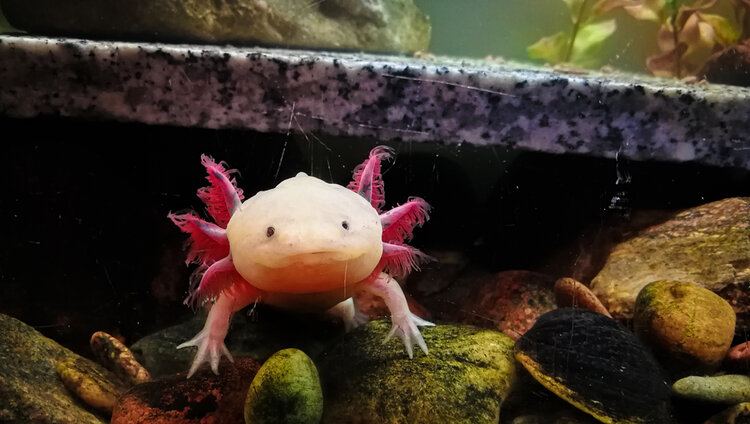
The Axolotl (pronounced ACK-suh-LAH-tuhl) is, in every sense of the word, an astonishing animal with traits very few animals on Earth share. In the last few years, the Axolotl has become quite popular as a pet, with breeders spawning and selling them across the United States. If you’re considering adopting an Axolotl as a pet, or want to know more about this fascinating animal that’s like a cross between a frog, salamander, and the alien you saw in a sci-fi movie, read on! We have 15 incredible facts about the Axolotl below!

The 15 Incredible Axolotl Facts
1. The Name Axolotl Means “Water Monster” in Nahuatl
Considering that the Axolotl is only found in a particular part of Mexico, it’s no surprise the name is based on the Aztec language Nahuatl. Axolotl is a combination of two words, Atl” and “Xolotl.” The former means “water,” while the latter means “monster”, "dog," and “servant.” Xolotl was the Aztec god of disease, death, and fire, and he was also a master of disguise.
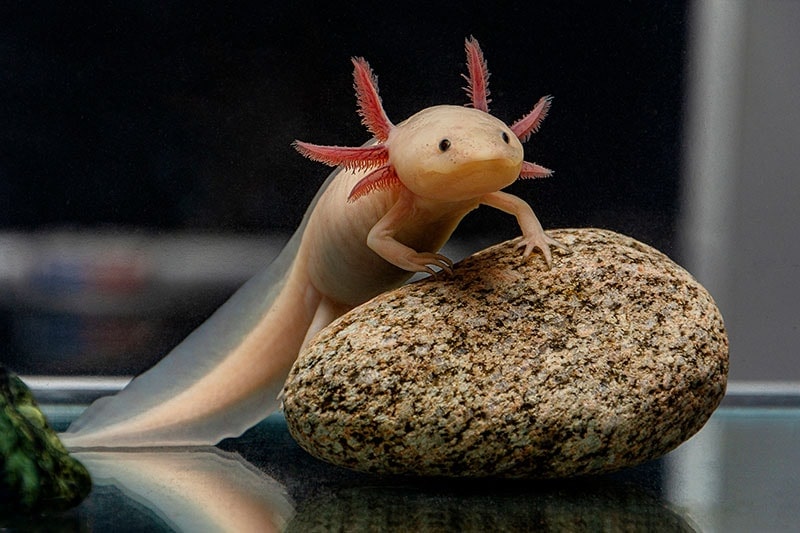
2. The Feather-Like Appendages on an Axolotl's Head Are Gills
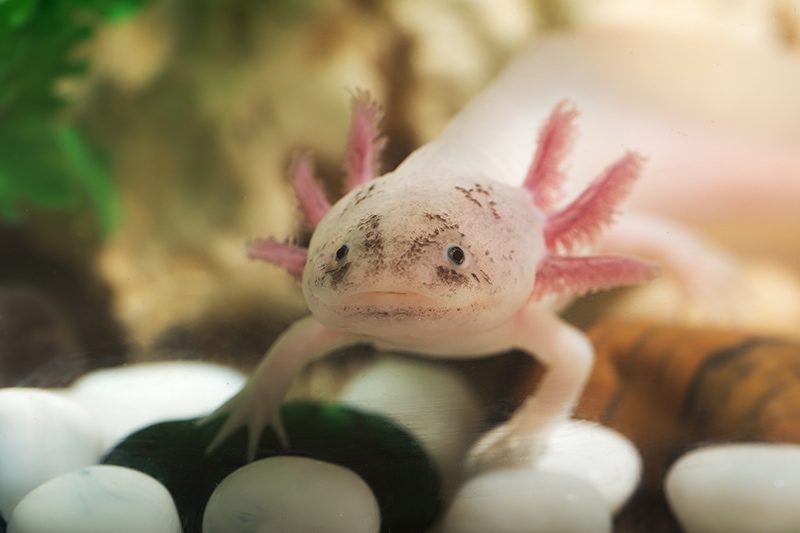
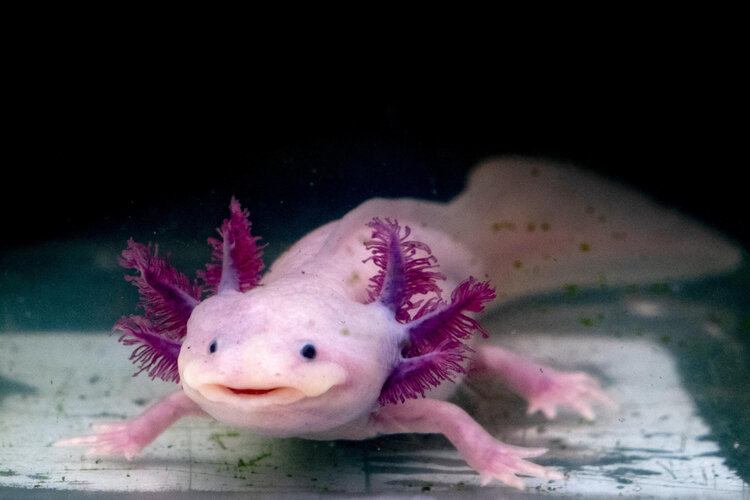
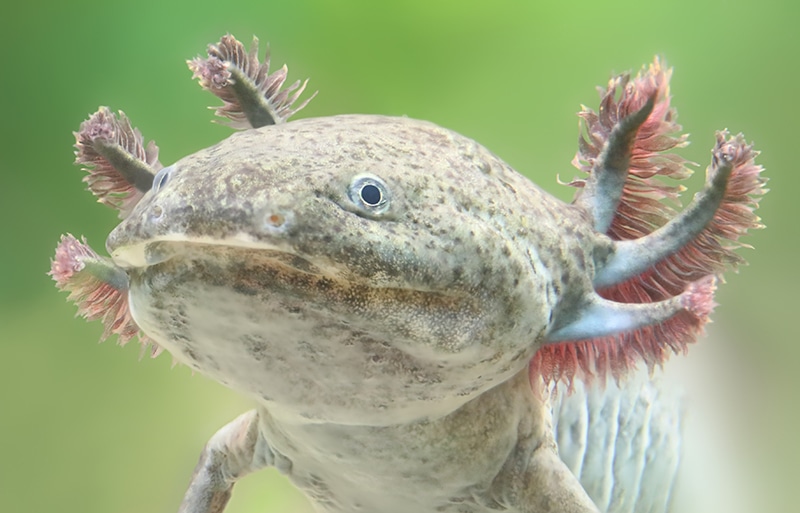
If you’ve seen an Axolotl up close, you’ve probably wondered what the appendages are that come off of its head. Although they look like feathers, they’re gills and help the Axolotl breathe in the water. Axolotls have three pairs of these external gills, which increases the surface space and allows the animal to intake oxygen in the water and exchange it for other gasses. However, these gills aren’t the only organs that Axolotls use to breathe.
3. Axolotls Have 4 Methods of Breathing
While not 100% authenticated, researchers believe that the Axolotl has four different methods of breathing. We’ve discussed their external gills, but they breathe in three more ways. Those include breathing through their permeable skin and via membranes in their mouth. Lastly, Axolotls have underdeveloped lungs inside their body that allow them to breathe for short periods out of the water. Suffice it to say that if they need oxygen, an Axolotl has plenty of ways to get some.
4. Axolotls Can Regenerate Limbs and Even their Spinal Cord
Fewer than 10 animals on the planet can regenerate their limbs, and the Axolotl is one of them! The Axolotl is the only vertebrate on Earth that can regenerate its spinal cord, eyes, limbs, and heart! Also, after the new limb or organ is regenerated, the Axolotl shows no outward signs of scarring at all, so you’d never know it had lost anything! From what researchers have seen, this can happen up to five times with a single limb or organ before it won’t regenerate to its previous potential again.
5. Breeders Covet Axolotls with “Extra” Limbs
Occasionally, when an Axolotl loses a limb and is regenerating it, its body will also grow a new limb to take the lost limb’s place temporarily. However, when the regenerated limb arrives, the temporary limb stays on its body. This results in an Axolotl with an extra limb, something breeders and some Axolotl fanciers like to see happen because it’s rare and interesting. If you happen to see an Axolotl with more than four limbs, you’ll know it’s 100% normal (if a little disturbing).
6. Axolotls Are Easy to Breed
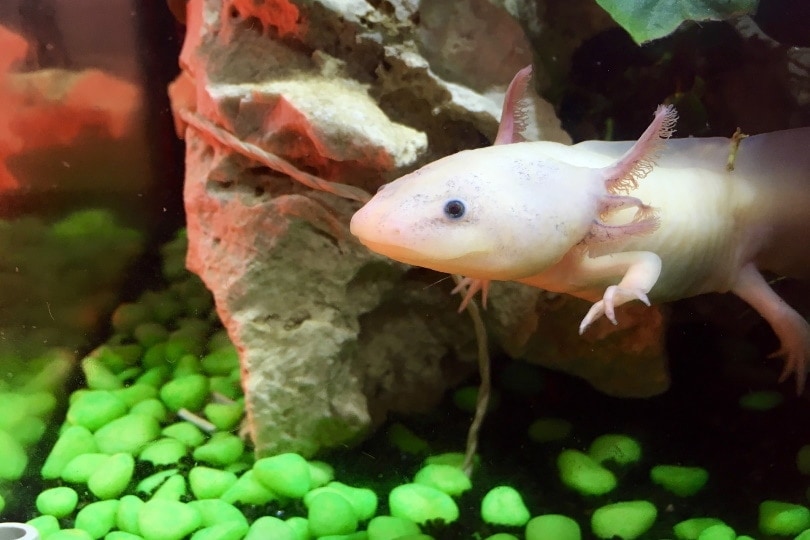
This fact is both good news and bad news for the Axolotl. It means that they can be bred by breeders and sold as pets, which is great news if you’re a breeder. However, if you’re a conservationist, you might not like this trait because illegal trade seems to be part of the problem of the Axolotl's great decline in the wild. Whatever the case, breeding an Axolotl is rather easy as they eat a wide variety of readily available foods, including waxworms, bloodworms, insects, and pelleted food.
7. Axolotls Come in a Variety of Colors
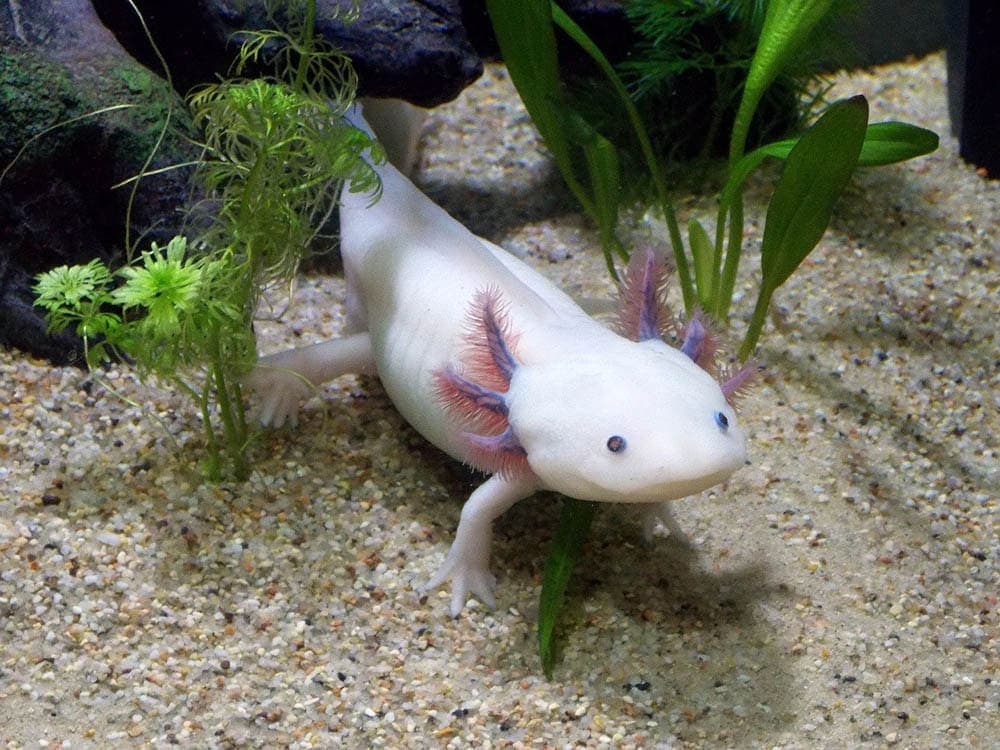
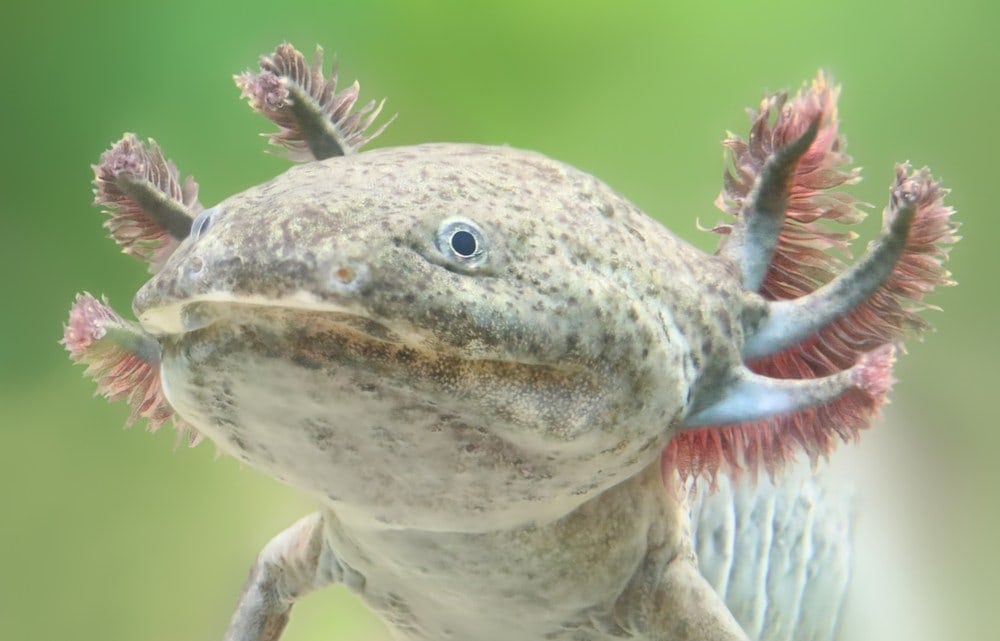
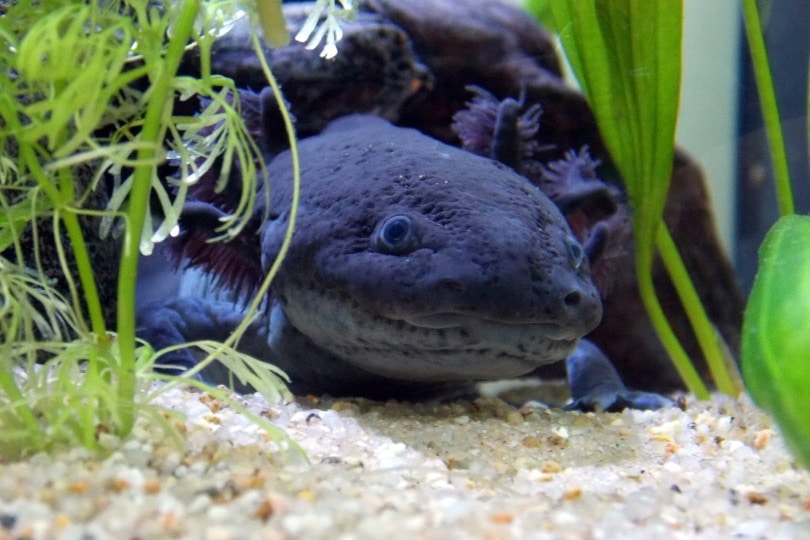
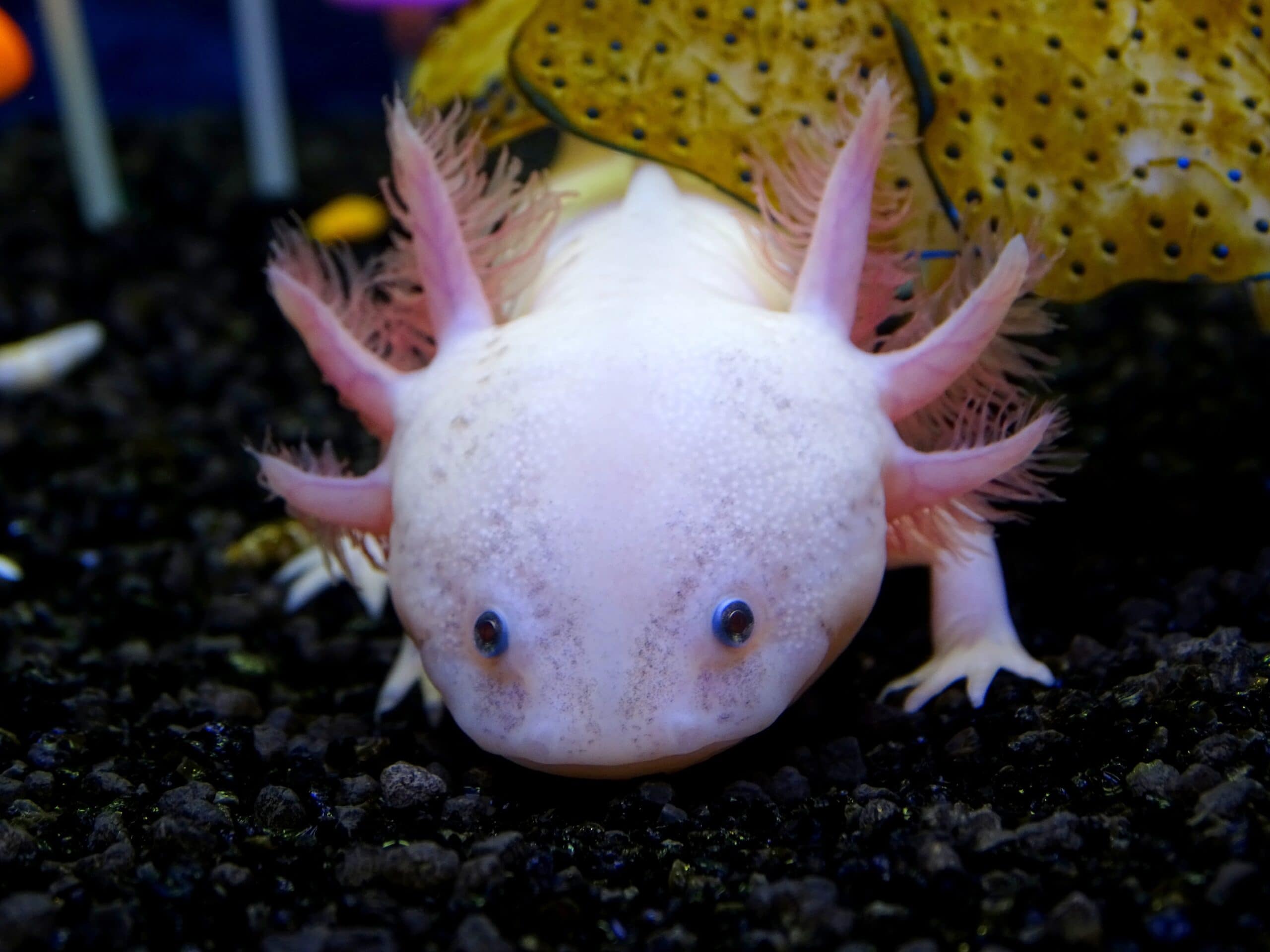
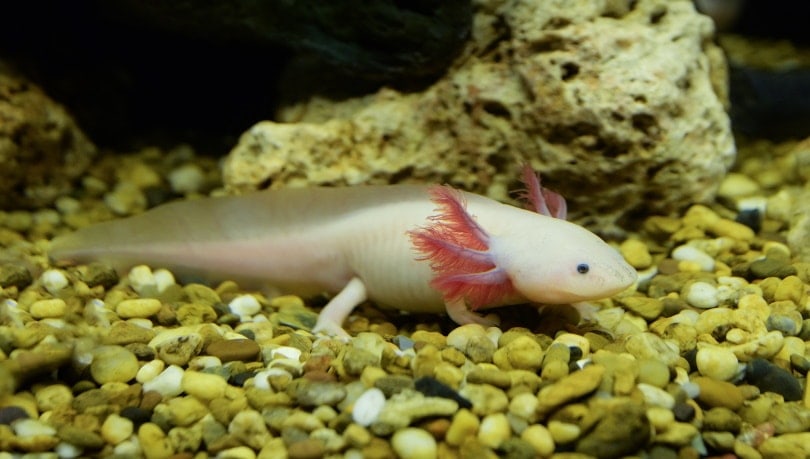
The typical Axolotl has a kind of mottled tan color that’s mixed with light purple and has some golden speckles. This color helps them hide in their natural environment. However, when they’re captive-bred, Axolotls can mutate into several colors due to the six pigmentation genes that they carry. There’s the melanoid Axolotl, for example, which is all black. The albino Axolotl has no color, the leucistic Axolotl has partial pigmentation, the axanthic Axolotl has a darker purple-gray color, the copper Axolotl has yellow-orange or red-brown tones, and several others are a combination of hues.
8. Axolotls Easily Accept and Regenerate Transplanted Organs
This fact about Axolotls is truly fascinating! If an Axolotl loses an organ and gets one as a transplant, it will readily accept the organ. Even more, it will regenerate and restore the new organ’s function, something humans have a tough time doing; heart and lung transplant patients can attest to that! Scientists are interested in the Axolotl because of this intriguing and valuable healing ability.
9. In Japan, Axolotls are Raised for Food
In Aztec times, the Axolotl was part of the diet and was an excellent substitute for fish and other seafood. Axolotls can be roasted or boiled and taste, not surprisingly, like fish. Today in Japan, many people raise Axolotls for sale to restaurant owners. The same is done in China, where many people find the Axolotl very tasty.
10. Axolotls Today Are Found in a Single Location in the Wild
Amazingly, there is only one place, a lake in Mexico, where the Axolotl can still be found in the wild. They reside in Lake Xochimilco in the Valley of Mexico, and today the lake is a UNESCO World Heritage Site. However, if you ask the locals around Lake Xochimilco, they will sadly tell you that the Axolotl is less plentiful than it used to be. That’s partly due to human encroachment, environmental pollution, the introduction of exotic species to their habitat, and the overfishing of these amazing creatures.
11. The Tiger Salamander Is the Axolotl Nearest Related Species
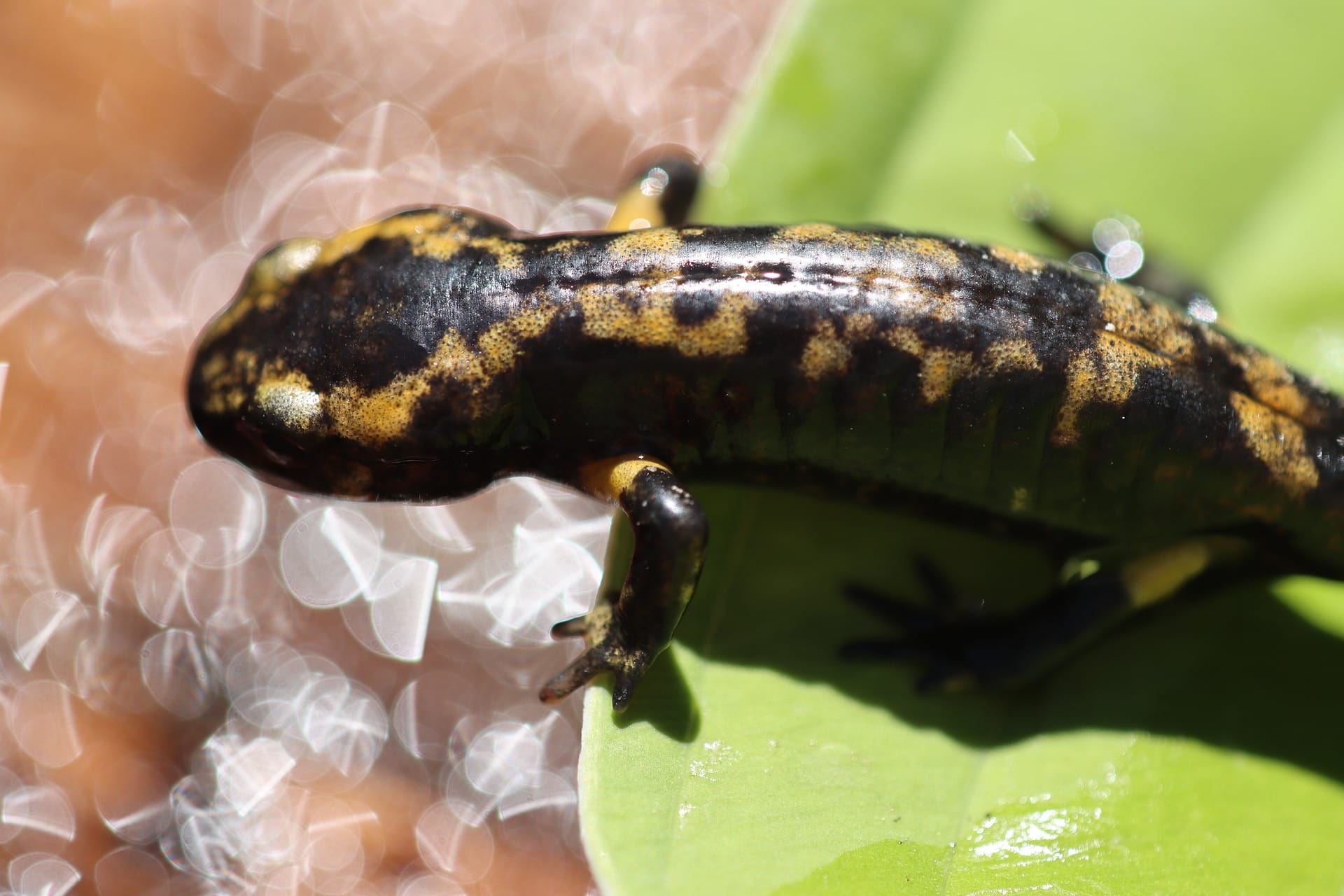
One of the largest salamander species in North America is the Tiger Salamander, which can grow upwards of 8 inches long. Surprisingly, the Tiger Salamander is also the Axolotl's nearest relative, and in the wild, they can mate and have viable babies. Some researchers believe the Axolotl is a subspecies of the Tiger Salamander for these reasons. Others, though, say that the Axolotl has enough distinct differences that it can, and should, be seen as a separate species.
12. Axolotls Never Grow Up
Some people refer to the Axolotl as the “Peter Pan of amphibians” because it never grows up. More specifically, an Axolotl remains a juvenile for its entire life, never going through the metamorphosis that other amphibians, like frogs and salamanders, go through. This adaptation is called neoteny and means that Axolotls delay their development and stop it completely. Neoteny is something most salamanders can do if needed, like during a dry spell. However, few species take it to the extreme as the Axolotl does.
13. Axolotls Can Metamorphose Under Experimental Conditions
We mentioned earlier that Axolotls stay in their adolescent stage their entire life, but they can go through metamorphosis. Scientists believe that the reason Axolotls don’t typically go through metamorphosis is a lack of thyroid hormones. When given the right hormones, researchers have been able to coax Axolotls into metamorphosing.
14. Axolotls Are Apex Predators (Sort Of)
Although they might look small, unassuming, and even a bit goofy, the Axolotl is an efficient carnivore that was at the top of the food chain in its natural environment. Most Axolotls eat various foods in the wild, including small fish, insects, clams other mollusks, and worms. Sadly, an accidental introduction of an invasive species in their environment knocked the Axolotl off its apex predator throne.
15. The Head of an Axolotl Was Successfully Transplanted onto Another Axolotl
Head transplants in the animal world are uncommon because they’re almost always unsuccessful. However, because of their incredible powers of regeneration, researchers successfully transplanted the head of one Axolotl onto the body of another, and the resulting Axolotl survived! Even more fascinating is that the transplanted head acted independently of its new body!
Final Thoughts
What do you think about the Axolotl now that you’ve seen these 15 incredible facts? If you’re like us, some of the facts above probably made your head spin since they were so unbelievable! It’s an animal that never grows up, can regenerate its limbs, breathes with four organs, and is only found in a single place in the world. Amazing! We hope you found today’s facts about the Axolotl as surprising and interesting as we did. One thing is certain; there are very few creatures on earth with the Axolotl’s incredible abilities!
See also:
Sources
Featured Image Credit: ArnPas, Shutterstock
Get Hepper In Your Inbox


Pet care tips from our vets and experts, straight to your inbox.
You may opt-out at any time. View our Privacy Policy for more information.
Greg Iacono is a self-taught writer and former chiropractor who, ironically, retired early due to back problems. He spends his time writing scintillating content on a wide variety of subjects. Greg is also an accomplished video script writer known for his ability to take a complex subject and make it accessible for the layperson.
Join the conversation
Ask a question, share your story, or send private feedback.