Hepper is reader-supported. When you buy via links on our site, we may earn an affiliate commission at no cost to you. Learn more.
What Causes My Dog’s Anal Glands to Leak? Vet-Approved Reasons & FAQ


In this article
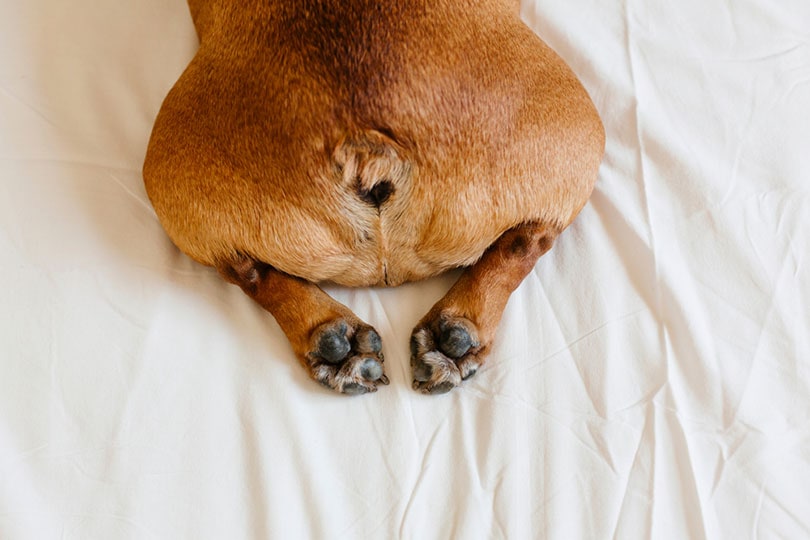
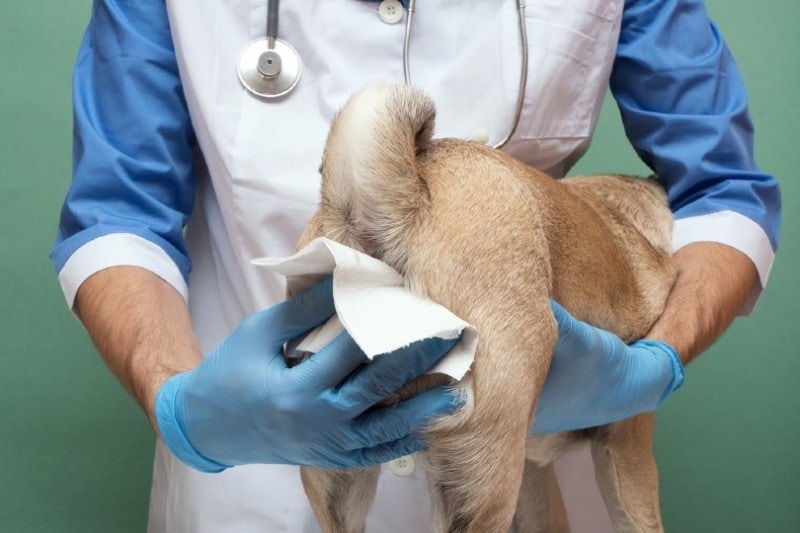
Many dog owners have experienced the unpleasant surprise of discovering their dog's anal glands, or anal sacs, leaking. It can be a messy and discomforting issue for both the pet and the owner. Under normal circumstances, dogs are able to express their anal glands involuntarily through their normal bowel movement.
If, however, your dog is unable to express their anal glands normally, the anal glands can become impacted, inflamed, and infected, and may even cause abscessation, which typically causes leakage of a foul-smelling fluid, blood, and/or pus.
In this article, we will delve into the causes behind this common problem and explore various aspects related to anal gland leakage in dogs.

What Are the Anal Glands?
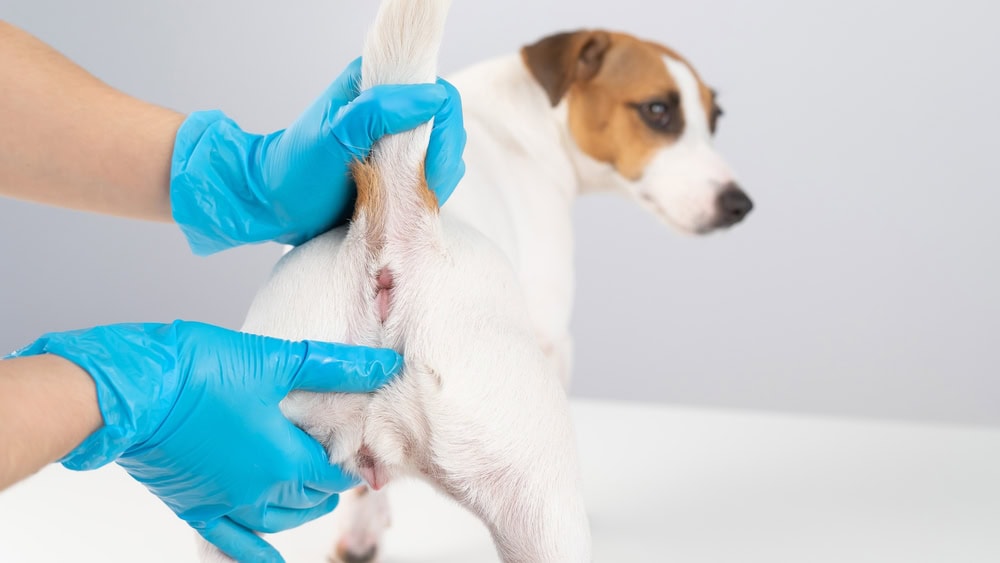
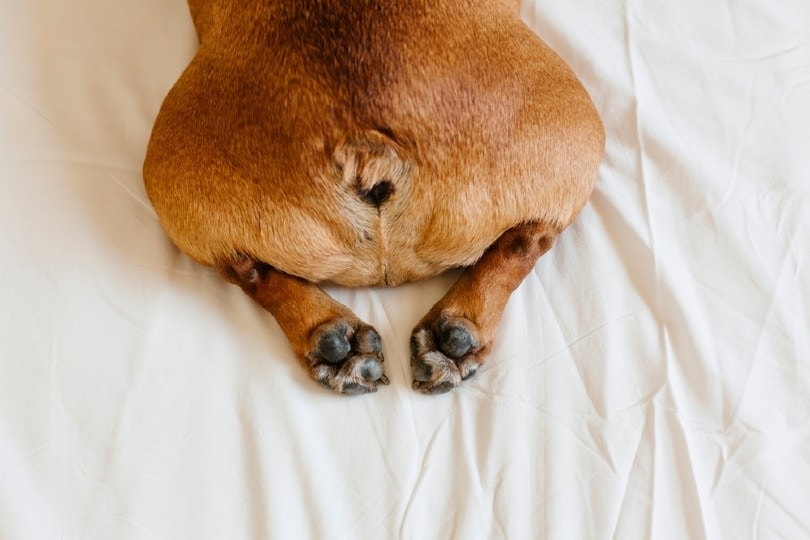
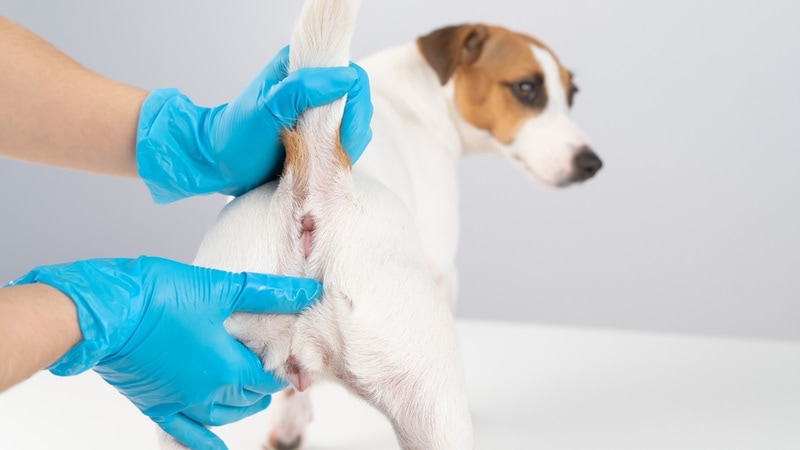
Anal glands, also known as anal sacs, are two small pouches located on either side of a dog's anus. They are lined with specialized cells that produce a pungent-smelling fluid. The anal glands have small ducts that lead to the surface near the anus, allowing the fluid to be released during bowel movements or when the dog is under stress.
Functions of Anal Glands
The primary function of anal glands is believed to be communication. Dogs use the scent from their anal glands to provide information and to mark their territory and communicate with other dogs.
The unique odor produced by these glands helps canines convey messages about their age, gender, health, hormonal status, and even emotional state. When a dog expresses their own anal glands, it allows them to claim their territory.
You may also notice that when dogs greet each other, they sniff each other’s posterior. This is because they are gathering information about the dog they’re meeting through the scent from their anal glands!
Do Dogs Express Their Anal Glands Routinely?
Under normal circumstances, dogs should be able to express their anal glands naturally during bowel movements. The pressure exerted on the sacs as stool passes by helps to release the fluid. They can also express their anal glands involuntarily when they are scared or stressed.
However, some dogs may have difficulty expressing their anal glands adequately, leading to issues like impaction or infection.

What Does It Mean If There Is Anal Gland Leakage?
Anal gland leakage occurs when the fluid within the anal glands is expelled involuntarily or when the glands become impacted or infected. This inability to express the anal gland due to inflammation or infection is called anal sac disease. This can cause discomfort for your dog, along with itching, and a fishy odor.
Additionally, it may indicate an underlying anal gland disease that requires attention and treatment.
Signs to Look Out for With Anal Gland Disease
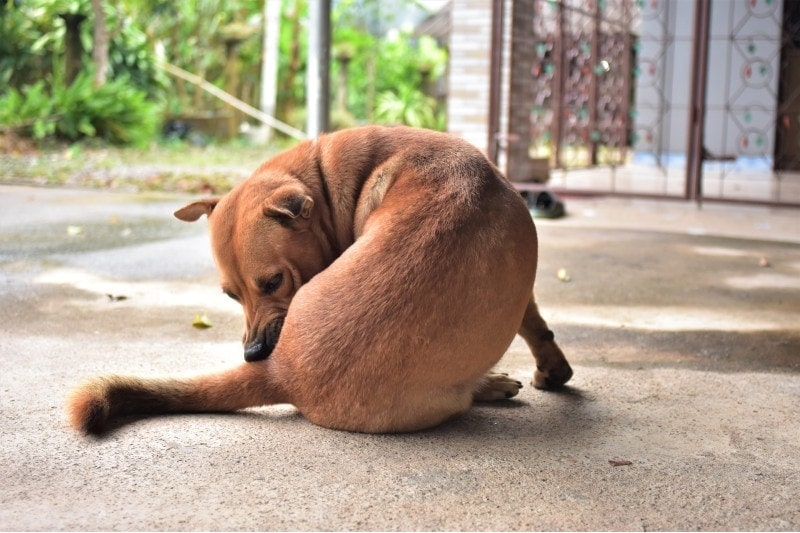
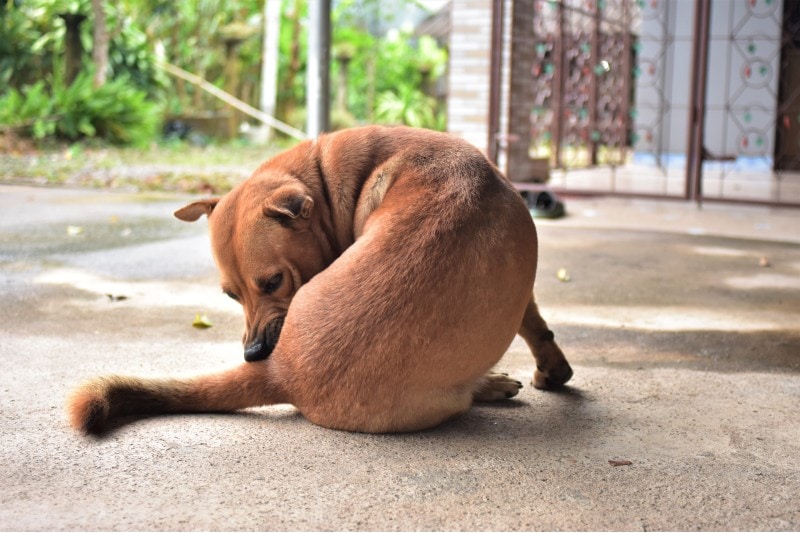
While anal gland leakage is a clear sign of anal gland disease, there are other signs to watch for. These include excessive licking or biting of the anal area, scooting or dragging the bottom along the ground, discomfort during bowel movements, and swelling or redness around the anus.
If you notice any of these signs, it is essential to consult a veterinarian.
Causes of Anal Gland Disease
Several factors can contribute to anal gland disease in dogs. The most common cause is anal gland impaction, which occurs when the fluid within the glands becomes too thick or the stools are too soft to exert enough pressure for proper expression.
Diet, obesity, allergies, skin problems, sedentary lifestyle, and breed predisposition can also play a role. Infections and abscesses can develop when bacteria or yeast invade the anal glands, leading to inflammation and leakage. Unfortunately, tumors of the anal sacs can also occur.
How to Treat Anal Gland Disease
If you notice your dog's anal glands leaking or if your dog shows signs of discomfort, such as scooting, licking the anal area excessively, or a foul odor, it's essential to consult a veterinarian.
They can assess the situation, express the glands if necessary, and provide appropriate treatment to alleviate the issue.
Treating anal gland disease depends on the severity of the problem. Impaction often involves expressing the glands manually and, if a recurrent problem, looking for an underlying problem. In cases of inflammation or infection (sacculitis), local flushing may be performed and antibiotics or anti-inflammatory medications may be prescribed. Severe cases or recurring issues may require surgical intervention to resolve the problem.
Additionally, your vet may offer advice on diet, exercise, or other preventive measures to help manage your dog's anal gland health.
What Can I Do to Prevent My Dog from Having Anal Gland Disease?
Prevention is crucial in maintaining your dog’s anal gland health. Most prevention practices for anal gland complications generally involve maintaining a healthy lifestyle, hygiene, and grooming habits.
Changes in the consistency of your dog’s stool can affect the ability for them to express their anal glands adequately. Be sure to provide your dog with a well-balanced diet that includes sufficient fiber to promote regular bowel movements and firm stools. In addition, routine physical activity keeps your dog fit and reduces fat deposition around the anus, which can contribute to impaction.
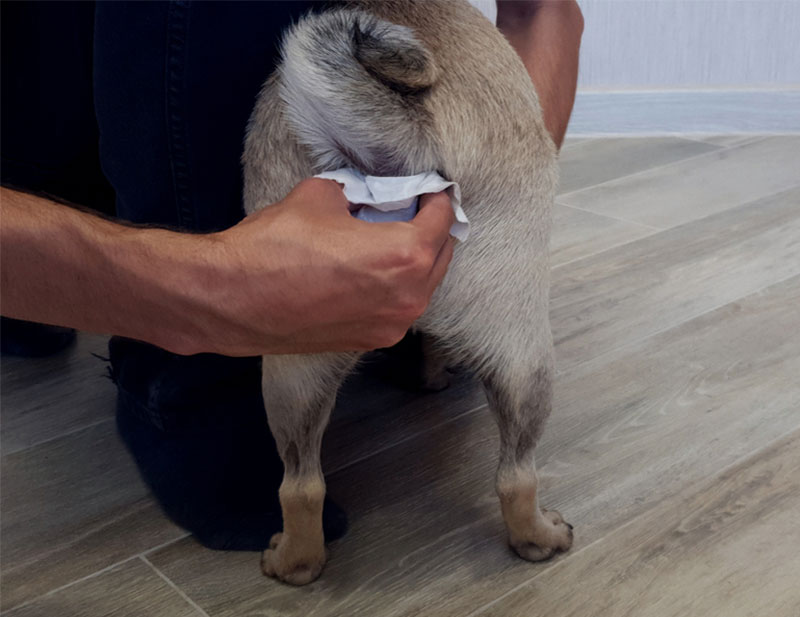
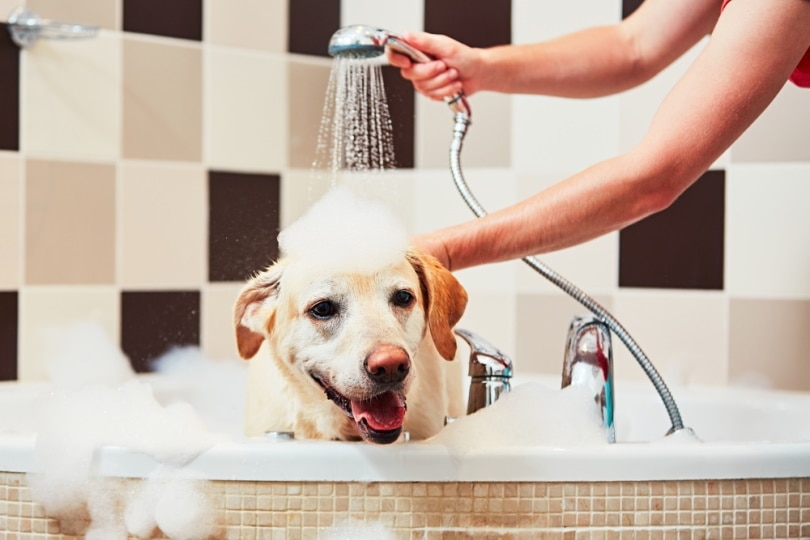
Grooming and hygiene practices around the anal gland area is also crucial for maintaining anal gland health. Remember to keep the perianal area clean and free of debris. Regular bathing and grooming can help prevent infections and ensure overall hygiene.
Are There Breeds More Prone to Having Anal Gland Disease?
All breeds can develop anal gland disease, but certain dog breeds are more predisposed to anal gland issues due to their anatomy or genetics. Chihuahuas, Shih Tzus, Poodles, Basset Hounds, and Yorkshire Terriers seem to be more susceptible to impaction and leakage. Reasons could be diet, activity level, and conformational issues.
Additionally, Spaniel breeds may be at a higher risk of anal sac tumors.
Final Thoughts
While dogs can involuntarily expel their anal glands on their own, anal gland leakage in dogs can be a distressing problem for both pets and their owners. Understanding the causes behind anal gland disease is essential in preventing and managing this issue effectively.
Regular monitoring of your dog's anal gland health, prompt veterinary attention if any signs of discomfort or disease arise, and implementing preventive measures can go a long way in keeping your furry companion happy and healthy.
Remember, if you notice any signs of anal gland leakage or observe your dog exhibiting discomfort, it is important to consult a veterinarian. By staying proactive and attentive to your dog's anal gland health, you can help prevent anal gland disease and ensure your dog leads a comfortable and active life!
See also:
Featured Image Credit: Yekatseryna Netuk, Shutterstock
Get Hepper In Your Inbox


Pet care tips from our vets and experts, straight to your inbox.
You may opt-out at any time. View our Privacy Policy for more information.
Nicole is a lover of animals of all sizes but is especially fascinated with the feline variety. She’s the proud mom of Baby, a Burmese, and works every day so he can relax in the sunshine or by the fire. She’s always had a cat in her home and has spent countless days with others, observing behaviors and softening up even the grouchiest of the lot. Nicole wants to share her kitty expertise with you so you and your cat can live happy, healthy, and care-free.
Join the conversation
Ask a question, share your story, or send private feedback.