Hepper is reader-supported. When you buy via links on our site, we may earn an affiliate commission at no cost to you. Learn more.
French Bulldog Anal Glands: Vet-Approved Facts


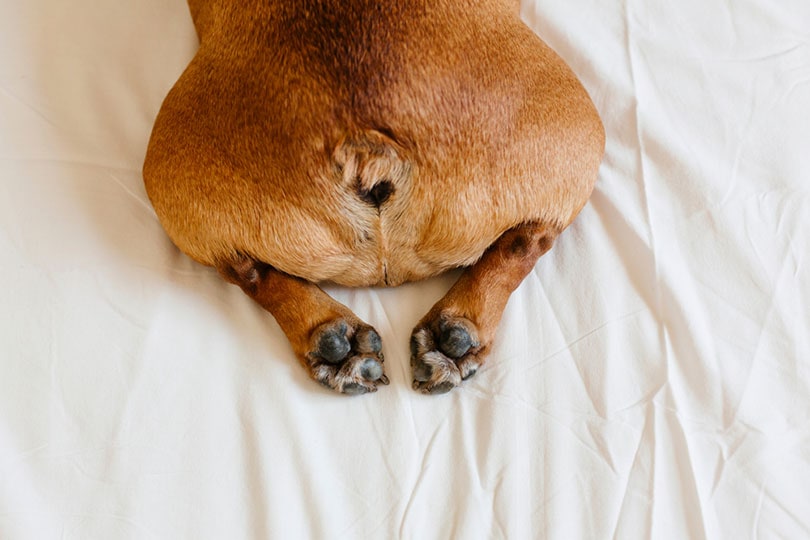
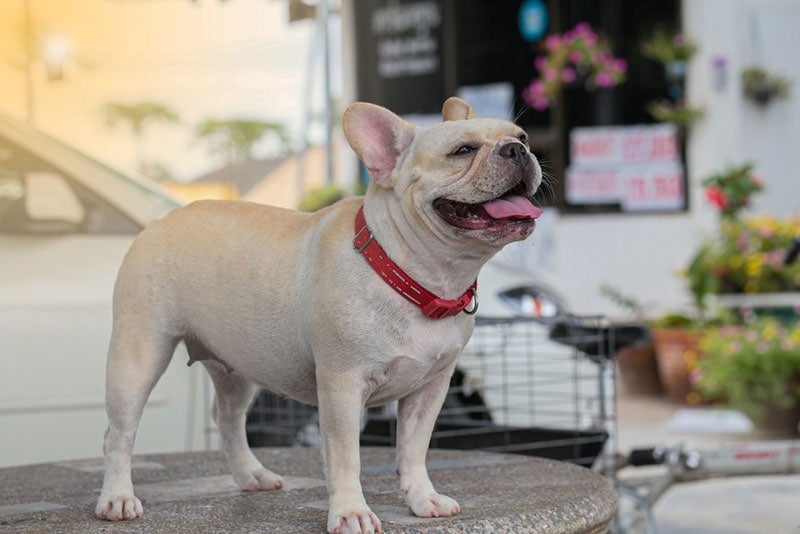
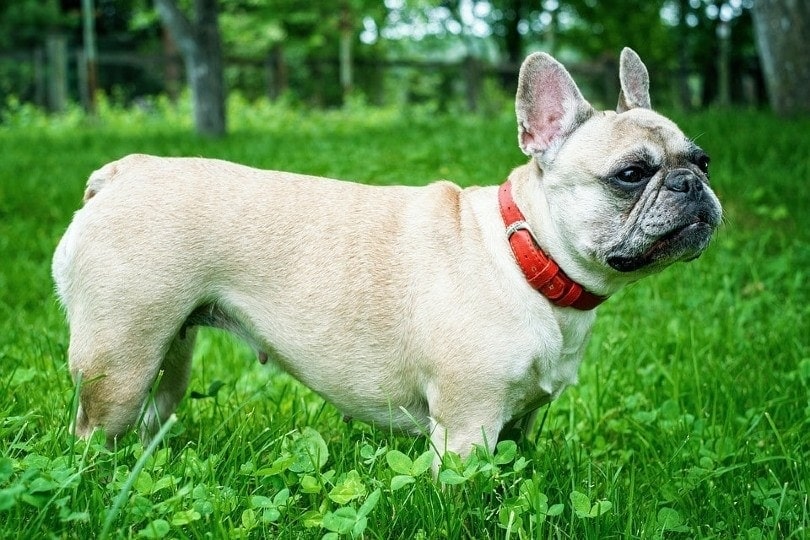
Out of all dog breeds out there, French Bulldogs are one of the sicklier breeds. They are prone to a number of problems, including problems with their anal glands. Luckily, these issues are pretty easy to fix with regular care, unlike many of the other problems these dogs face.
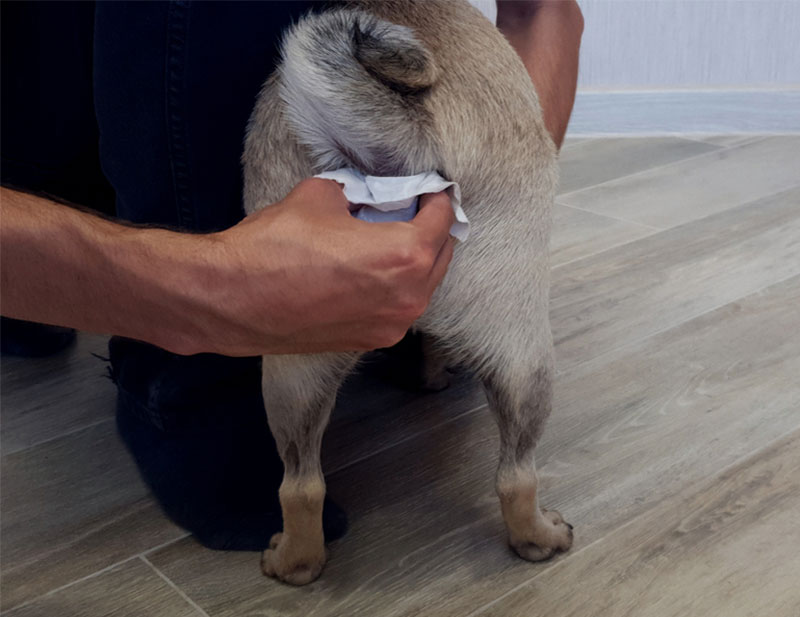
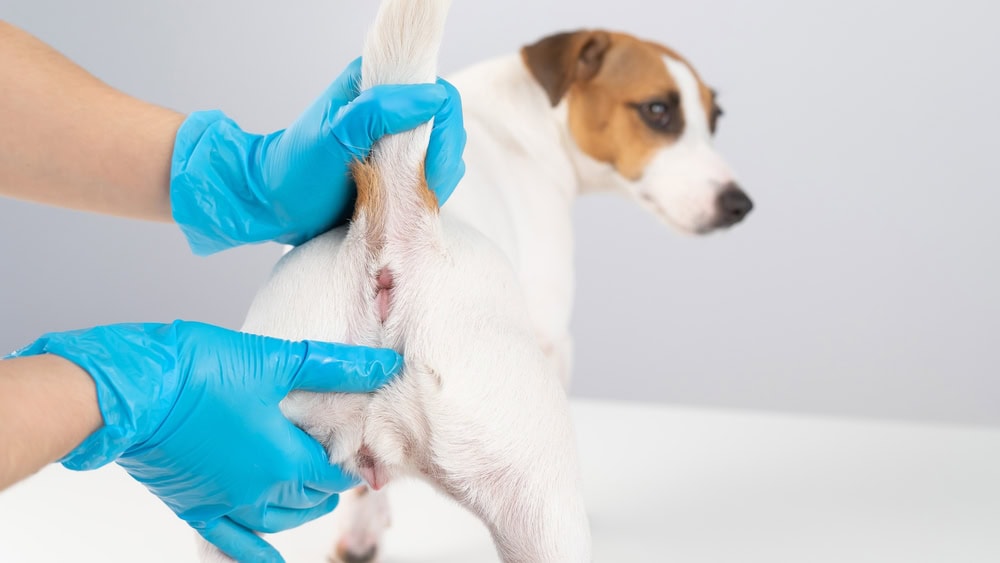
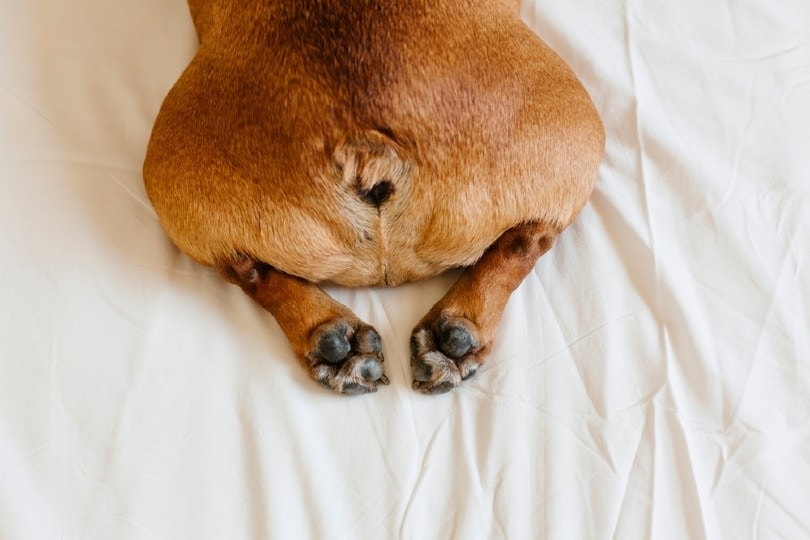
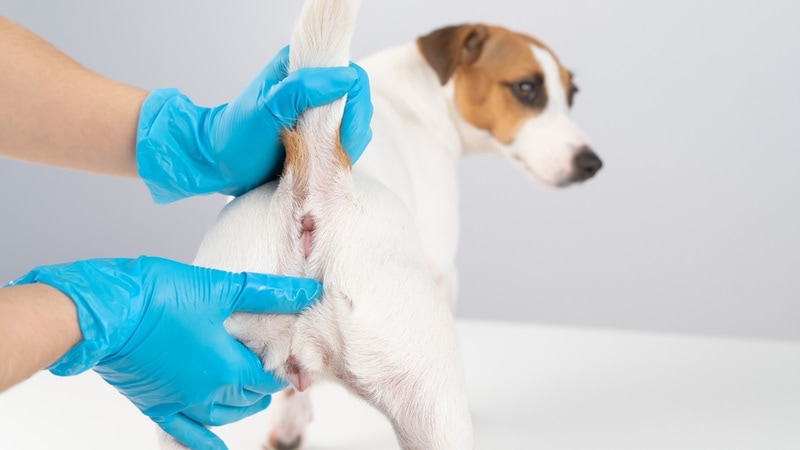
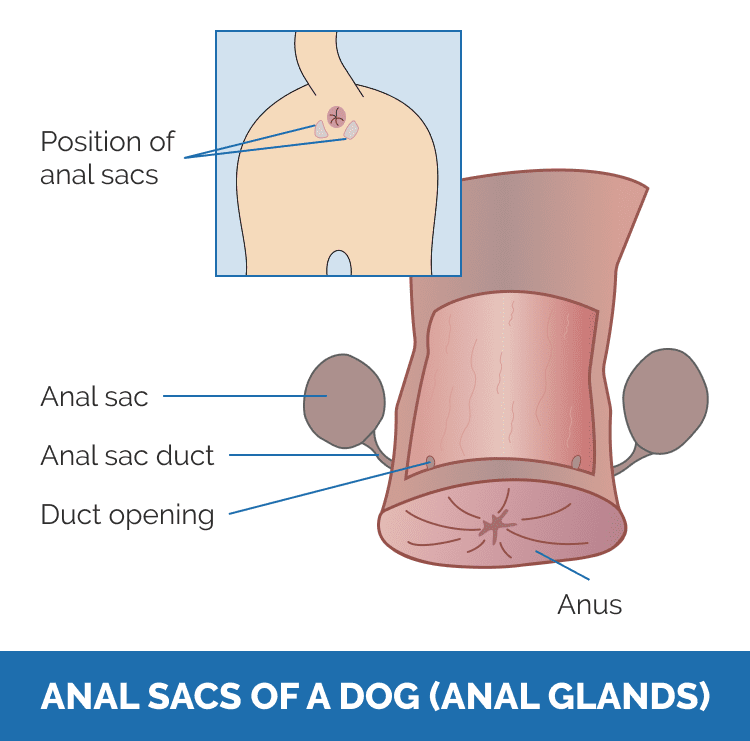
Anal glands are tiny sebaceous glands that drain into the anal sacs, two pocket-like structures located just inside a dog’s anus on each size. These sacs store a foul-smelling oily fluid that dogs use to communicate with each other and mark their territory.
These glands are the reason that dogs sometimes sniff each other’s behinds when meeting a new dog. They secrete each dog’s unique odor, something similar to a signature smell with information about its gender, breeding status, and health.
All dogs have them, and you usually don’t need to worry about them with most breeds. However, these glands can sometimes be an issue for French Bulldogs. It comes partially from how these dogs are often bred for form and not function. With that said, many of these problems are actually caused by us.

Do French Bulldogs Need Their Anal Glands Expressed?
Expressing a dog’s anal gland only became a practice in the 1950s, when it was taught at some of the top grooming schools. It was often considered a customary service. However, no dogs had their anal glands expressed until then. It wasn’t really a thing that happened.
However, “milking” the anal gland can cause trauma to the gland itself. Over time, scar tissue may develop, which prevents the anal gland from emptying itself. In this way, the anal gland will need to be continuously emptied by the owner or a groomer. (But if it wasn’t expressed, to begin with, this practice wouldn’t be necessary.)
When functioning properly, anal glands will empty themselves when they need to. They shouldn’t need any human help to do this.
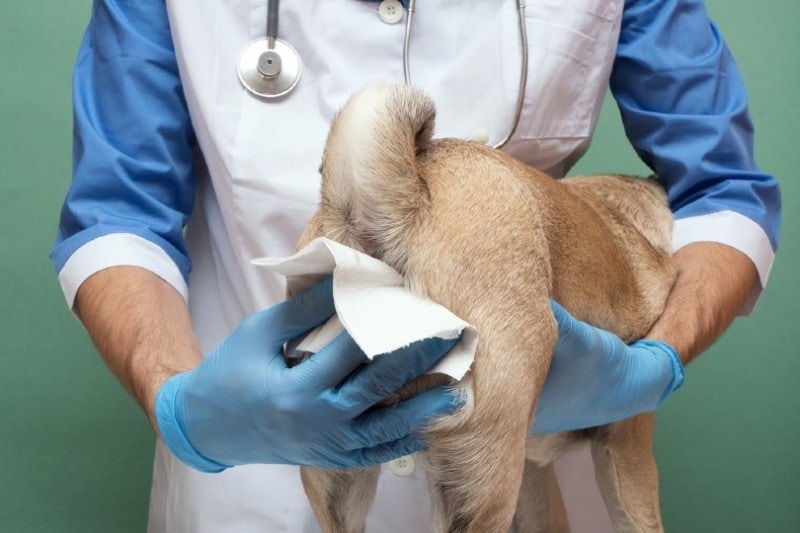
Only some Frenchies have anal gland problems naturally. These dogs will usually have swollen glands, and you should visit a vet. Often, it is best to avoid using a groomer for this service. Anal glands should only be expressed as much as necessary—not more. This prevents swelling and scar tissue from developing, which eventually lets the gland recover and empty on its own.
If you’ve been allowing a groomer to express your dog’s anal glands, we recommend stopping the service. Learn how to identify anal gland swelling and take your dog to the vet if you notice issues. Again, the goal is to allow the gland to empty on its own eventually. It won’t be able to do this if more trauma is introduced.
Dogs who have had their glands continuously expressed on a frequent basis may lose the muscle tone to express them naturally. Therefore, we don’t recommend allowing groomers to express a dog’s anal gland. If the gland is having issues, it should be diagnosed by a vet. Then, the vet can work to get the gland back to natural functioning. If the gland is continuously emptied by a groomer, this won’t happen and the gland will continue to remain dependent on human expression.
What Causes Anal Gland Problems?
There are several underlying conditions that can lead to anal sac problems. Frenchies are more prone to some of these problems, which also makes them more prone to anal gland problems. On top of these issues, sometimes anal glands get infected or impacted. Genetics do play a role, but their diet and environment can also have an effect.
As we’ve previously discussed, frequent expression can damage the glands, causing them to swell. This swelling will prevent the glands from expressing naturally. Therefore, they will become more reliant on human expression, which can permanently prevent them from expressing themselves.
IBD, allergies, and parasites can also have an impact on anal glands. These problems affect your dog’s digestive system, which will affect their anal glands.
Diet can also affect anal glands to some extent, as your dog’s anal glands are naturally expressed by the pressure of stool passing during defecation. Therefore, if your Frenchie starts a new diet, you should make sure the stool has a firm consistency. If your dog has recurrent diarrhea, this might prevent natural anal gland expression.
If you fix these underlying problems, you can potentially correct the anal gland problem, as well. For this reason, we highly recommend taking your dog to the vet if you notice any anal gland problems. Usually, there is an underlying problem that needs to be solved.
What Are the Signs of Anal Gland Problems?
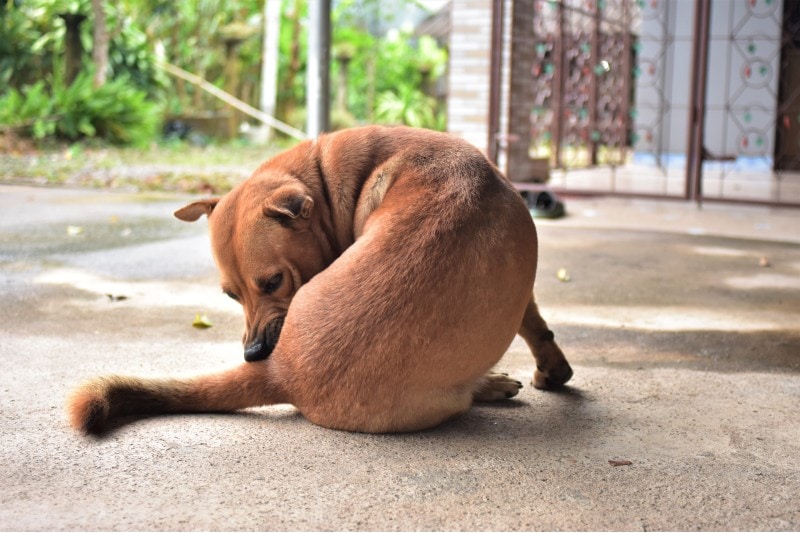
There are several signs that may pop up if your dog has anal gland problems. Often, you don’t have to worry about these sacs unless your dog shows some of these signs. As we’ve previously mentioned, if your dog shows these signs, we recommend visiting your vet.
Often, vets can treat the underlying problem or help the anal sacs express themselves. It may take multiple visits or a shift in diet or medical treatment.
Common anal gland problems include:
If you notice any of these signs, you should speak to your vet.
How Many French Bulldogs Have Anal Gland Problems?
While not all Frenchies have anal gland problems, they do seem to struggle with it more than other dogs. For this reason, you’ll need to pay extra attention to your Frenchie’s glands to ensure that they aren’t having trouble. Of course, many Frenchies are prone to allergies and IBD, which is why they are more likely to experience these problems.
If your dog has these problems, you may want to speak to your vet about potential anal sac issues. While treatment for the underlying problem often limits anal gland issues, this isn’t always the case. If your dog continues to have flare-ups, their anal gland could be affected.
Your vet is the best person to help you navigate this.

Summary
All dogs have anal glands. Usually, these don’t require any human care, as they expel by themselves. However, some underlying conditions can affect these glands, such as allergies and IBD. Frenchies happen to be prone to these conditions, which means that they are more prone to anal gland problems, too.
However, that doesn’t mean that Frenchies need their anal glands expressed. Forcefully expressing these glands can lead to swelling and scar tissue development, which can prevent the dog from expressing them naturally in the future.
For these reasons, we don’t recommend regularly having your dog’s anal sacs expressed. If you do notice your dog having trouble, visit your vet. Often, there is an underlying problem. When these underlying problems are dealt with, the anal sac often goes back to functioning properly.
Se Also:
Sources
Featured Image Credit: eva_blanco, Shutterstock
Get Hepper In Your Inbox


Pet care tips from our vets and experts, straight to your inbox.
You may opt-out at any time. View our Privacy Policy for more information.
Kristin is passionate about helping pet parents create a fulfilling life with their pets by informing them on the latest scientific research and helping them choose the best products for their pets. She currently resides in Tennessee with four dogs, three cats, two fish, and a lizard, though she has dreams of owning chickens one-day!
Join the conversation
Ask a question, share your story, or send private feedback.