Hepper is reader-supported. When you buy via links on our site, we may earn an affiliate commission at no cost to you. Learn more.
How to Take Care of a Toad: Vet Approved Care Sheet & Guide


In this article
Toads are fascinating and low-maintenance pets that can provide hours of enjoyment and a unique window into the natural world. However, many people are worried that they will not be able to take care of a toad properly. If this sounds like you, keep reading for a step-by-step guide and care sheet, including everything from how to set up the habitat to what to feed them.

Before You Begin
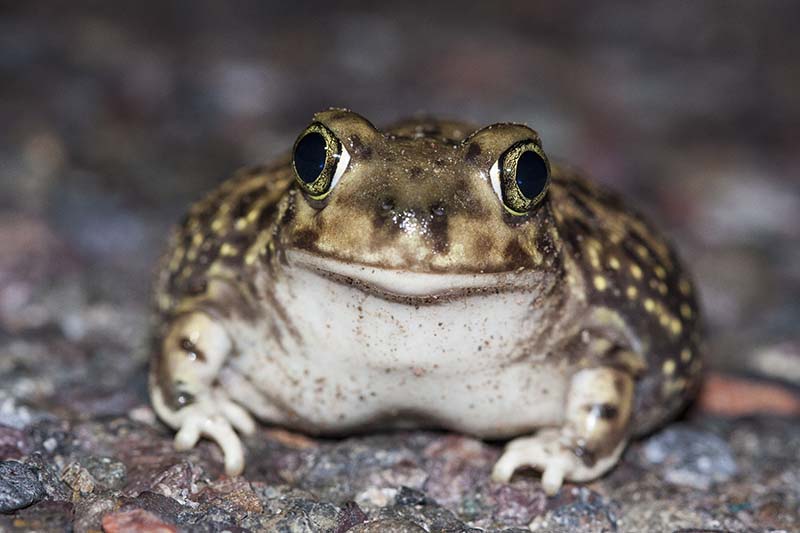
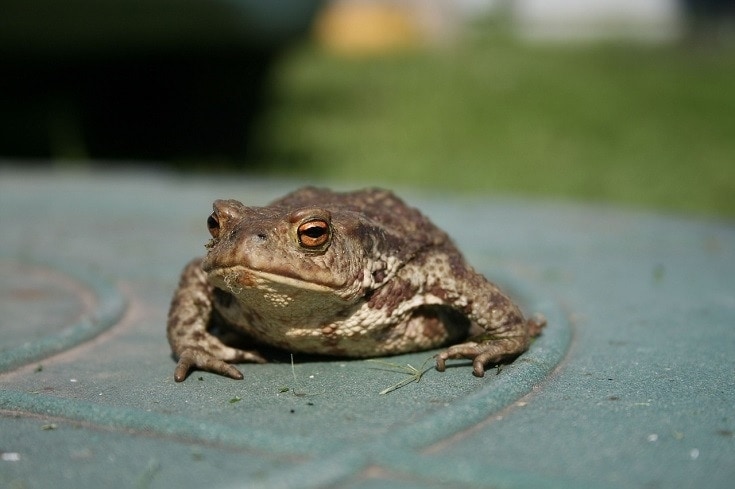
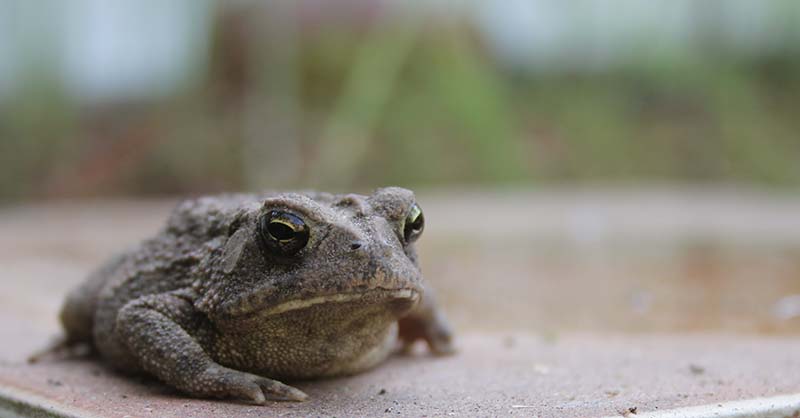
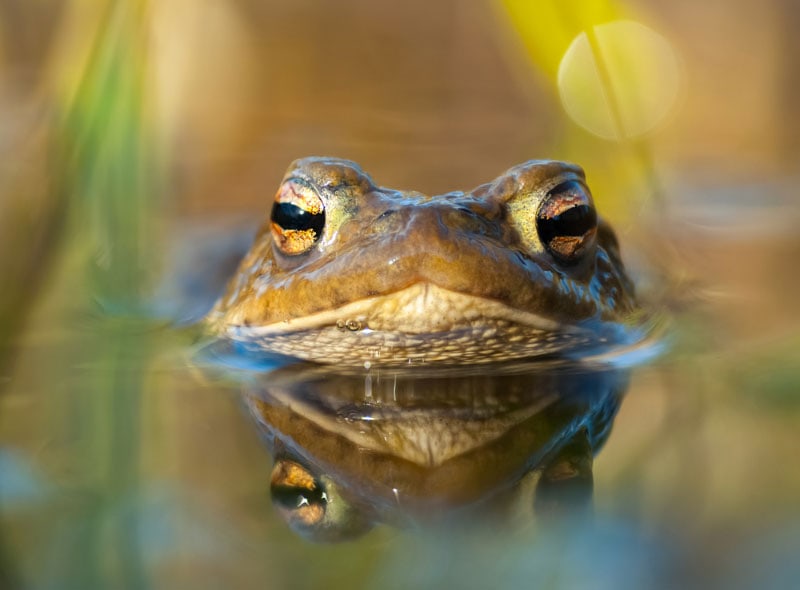
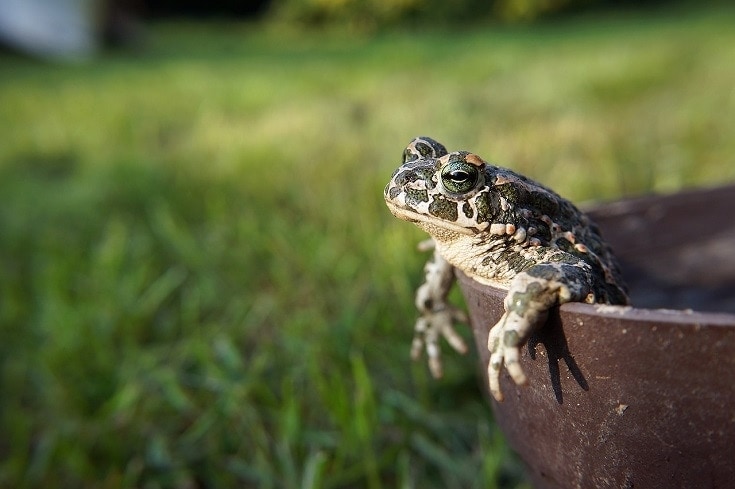
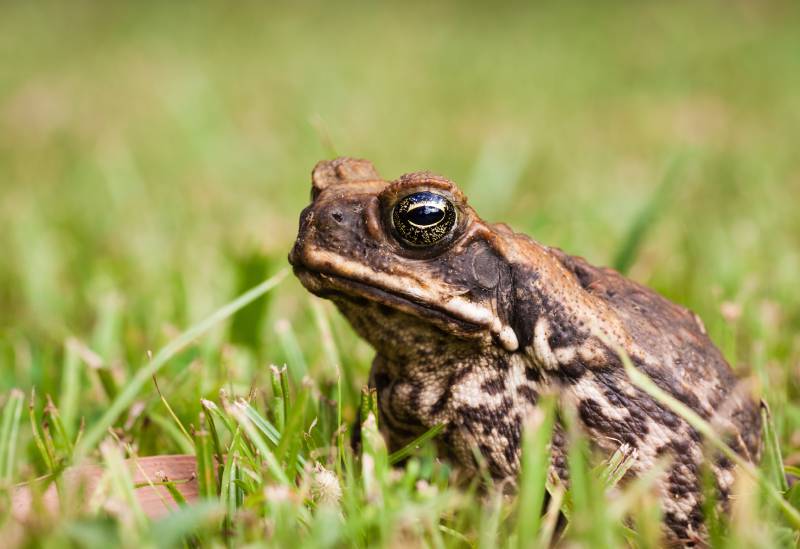
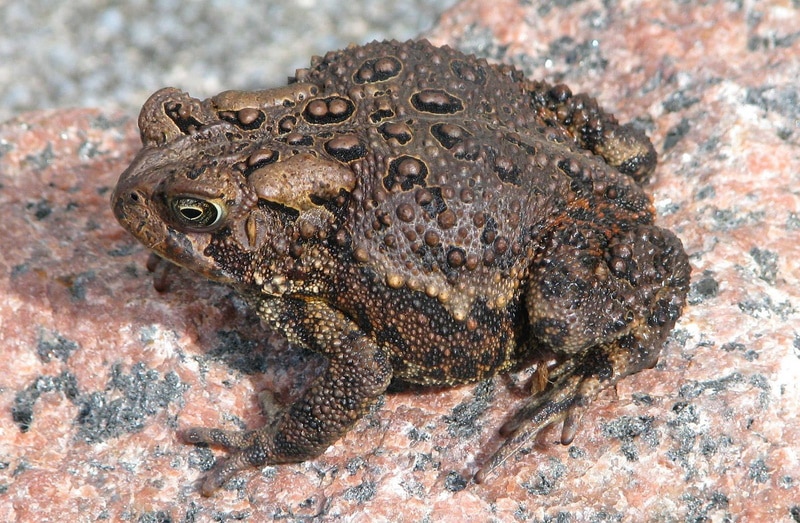
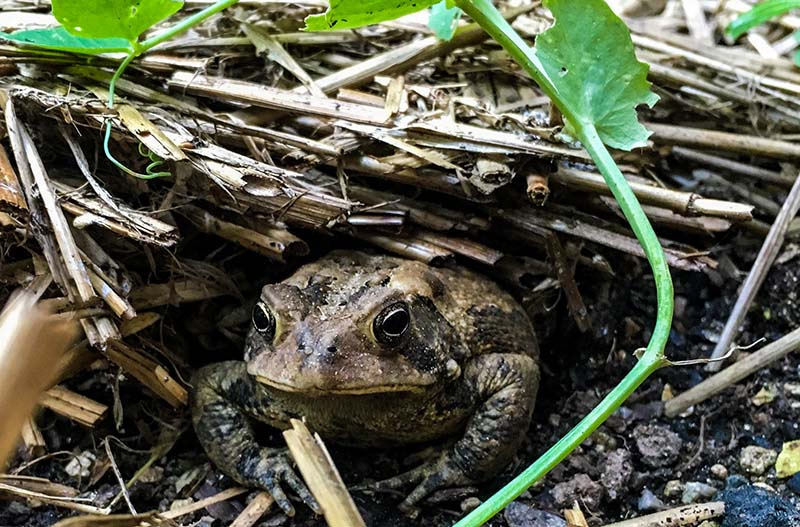
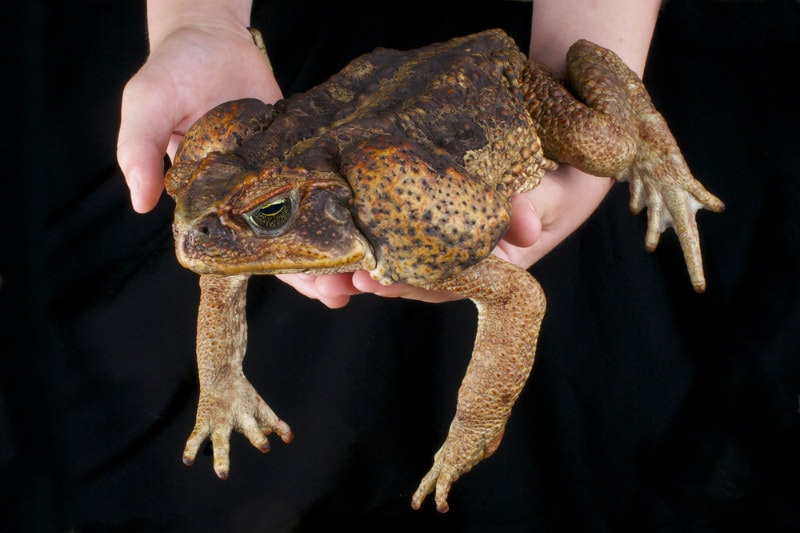
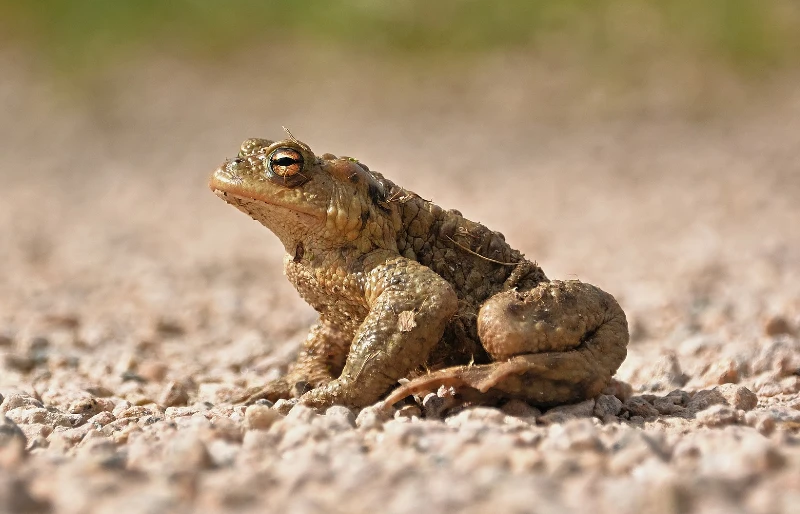
Choosing the right toad species for your situation is important. Popular choices include the American Toad, the European Common Toad, and the African Bullfrog. Research each species’ characteristics and specific needs to make an informed decision based on your experience, available space, and time commitment. Doing so can help you find a toad that will do well in your home.
Habitat Set-Up
Terrarium
Select a spacious terrarium that enables your toad to move around comfortably. A 20-gallon tank is generally suitable for one adult toad. Ensure that the enclosure has a secure lid to prevent escapes and protect your toad from other pets.
Substrate
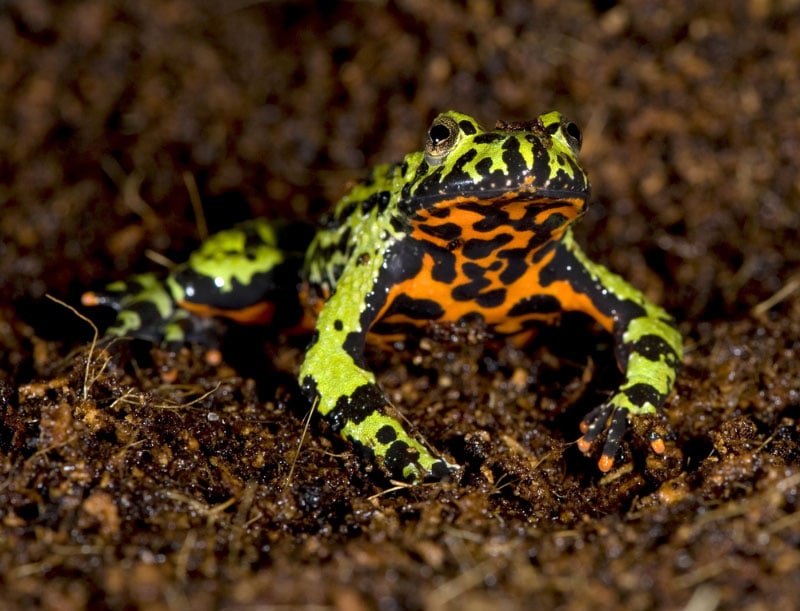
Line the bottom of the terrarium with a substrate that retains moisture, such as coconut fiber or soil. This will help maintain the humidity levels necessary for your toad’s well-being, and it should be soft enough that it won’t cause any injuries. Other good options include sphagnum moss and reptile substrate bark.
Lighting & Heating
Provide a temperature gradient within the terrarium using a heat source like an under-tank heater or a heat lamp. Ensure that one side of the tank remains cooler, around 70 degrees Fahrenheit, while the other is warmer, about 80 degrees Fahrenheit. Use a full-spectrum UVB light to simulate natural sunlight, which aids in vitamin D synthesis.
Habitat Additions
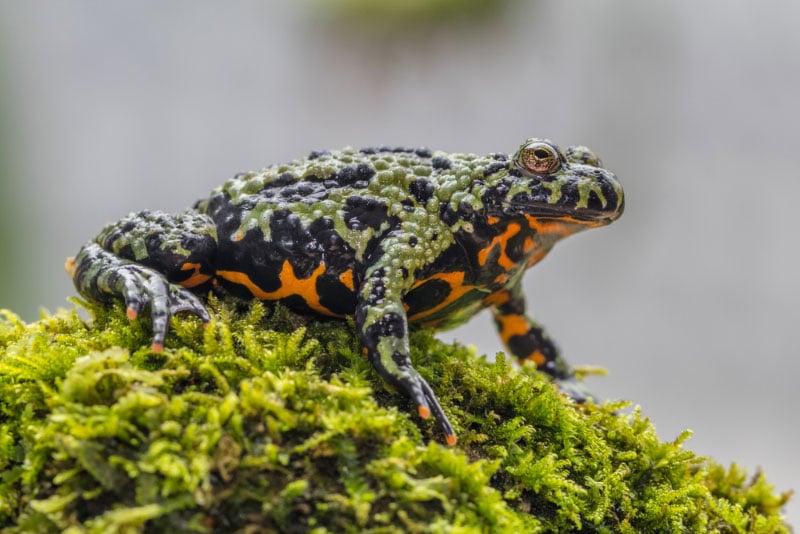
Include various hiding spots, such as caves and logs, to create a secure and enriching environment for your toad. Add live or artificial plants to enhance the aesthetic appeal and mimic their natural habitat, helping them feel more comfortable.
Feeding & Nutrition
Food Selection
Offer your toad a diverse diet consisting of appropriate-sized live insects. Crickets, mealworms, waxworms, and small roaches are common options that usually work well. Provide a variety of insects to ensure a balanced nutritional intake.
Gut Loading & Dusting
Feed the insects a nutritious diet before offering them to your toad. This process, known as gut loading, ensures that the insects provide optimal nutrition for your pet. You can also dust the insects with an appropriate calcium and vitamin supplement before feeding them to your toad.
Feeding Schedule
Feed juvenile toads daily and adult toads every other day. Offer them as much food as they can consume in 15 minutes. Remove any uneaten prey items to maintain a clean habitat.
Hydration & Humidity
Water Dish
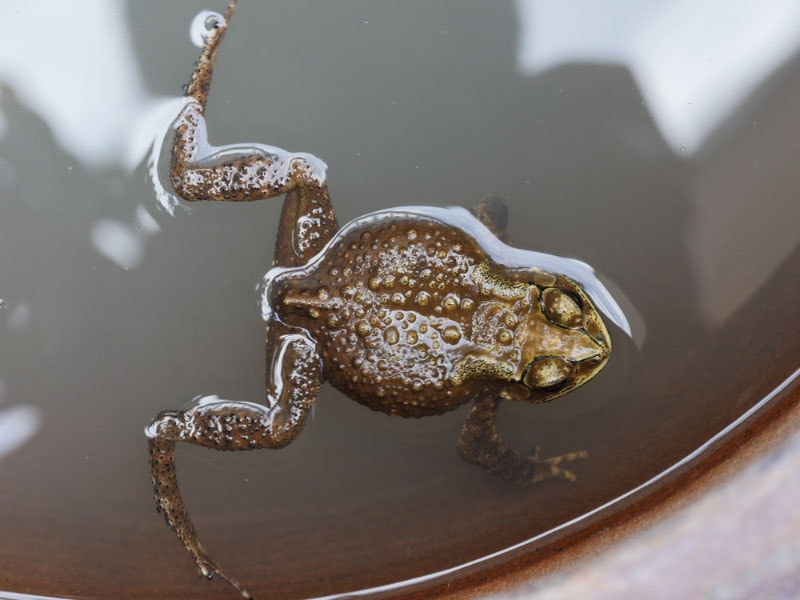
Provide a shallow, non-chlorinated water dish that’s large enough for your toad to get in and wash off. Change the water daily or even more frequently to ensure cleanliness.
Humidity Levels
Monitor and maintain a humidity level of 60% to 80% within the terrarium. Mist the enclosure with dechlorinated water, particularly during shedding periods or if the humidity drops below the recommended range.
Handling & Enrichment
Avoiding Frequent Handling
Toads are sensitive and prefer minimal handling. Limit interactions to essential activities like feeding, cleaning, or veterinary care. Avoid handling them if they are stressed, such as after molting or when they appear lethargic.
Enrichment Activities
Add objects to the habitat, such as clean branches or rocks, that will encourage natural behaviors like climbing and exploring to promote physical and mental stimulation for your toad.
Toad Care Sheet
Habitat
Feeding & Nutrition
Hydration & Humidity
Handling & Enrichment
Frequently Asked Questions
What Should I Do If My Toad Stops Eating?
A temporary loss of appetite can occur for various reasons, such as stress or shedding. Monitor your toad closely, and ensure that the temperature, humidity, and overall conditions in the terrarium are appropriate. If the issue persists or other concerning signs arise, consult a veterinarian for further advice.
How Often Should I Clean the Terrarium?
Regular maintenance is crucial to keep the terrarium clean and prevent the buildup of waste and bacteria. Spot-clean the enclosure daily by removing any feces or uneaten food that you find. Conduct a thorough cleaning of the entire terrarium once a month, including replacing the substrate and disinfecting the décor.
How Do I Provide Proper Heating for My Toad?
To provide appropriate heating, use a heat source like an under-tank heater or a heat lamp. Ensure that there are warm and cool areas in the tank.
Can I Keep Multiple Toads Together?
It depends on the species and their temperament. Some species can live together, while others can’t. Research the specific species that you have to determine their social compatibility before putting them together. If you do house multiple toads together, ensure that there’s ample space, and monitor their behavior closely for any signs of aggression or stress.
Summary
Taking care of toads might sound like a great deal of work, but it becomes easier once you set up everything. Choose a large aquarium of at least 20 gallons, and use coconut fiber or potting soil as substrate. The hardest part is getting the temperature and UV light right, but using the proper lamps or an under-tank heater can make it much easier. You will also need to mist the tank frequently to ensure that there’s enough humidity. After setting up their terrarium, you will only need to provide an adult toad with a healthy meal of crickets or other small insects every other day and clean out the tank frequently to keep it sanitary and looking nice.
Sources
Featured Image Credit: Johan Larson, Shutterstock
Get Hepper In Your Inbox


Pet care tips from our vets and experts, straight to your inbox.
You may opt-out at any time. View our Privacy Policy for more information.
Ed Malaker is a veteran writer who has contributed to a wide range of blogs that cover pets, tools, guitars, fitness, and computer programming. When he’s not writing, Ed is usually performing DIY projects around the house or working in the garden. He’s also a musician and spends a lot of time helping people fix their guitars and composing music for independent films.
Join the conversation
Ask a question, share your story, or send private feedback.