Hepper is reader-supported. When you buy via links on our site, we may earn an affiliate commission at no cost to you. Learn more.
How Long Do Toads Live? Average Lifespan, Data & Care Guide
In this article
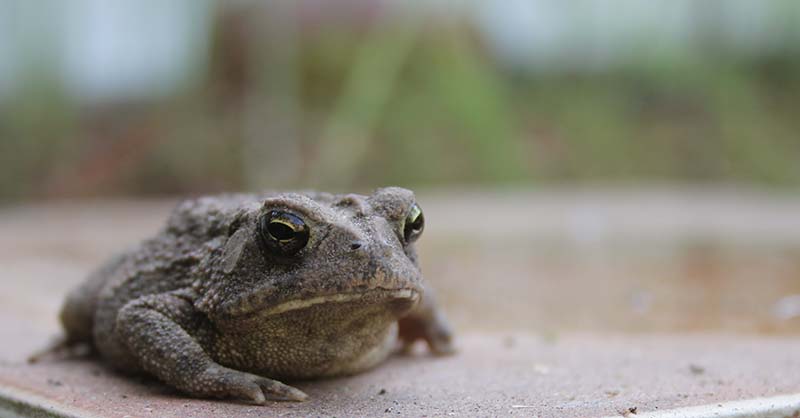
Toads have long captured the curiosity of researchers and nature enthusiasts alike. They also make great pets. One of the things that new toad owners are surprised about is how long these amphibians live. Pet toads can live for 5-20 years and wild toads usually have an average lifespan of 2-10 years. Keep reading as we look at the lifespan of captive and wild toads and their various life stages.

Toad Average Lifespan
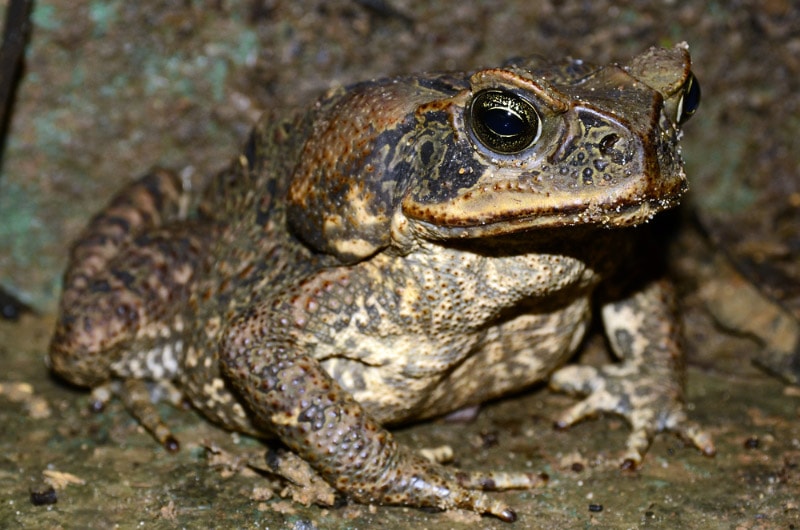
The average lifespan of a toad can vary considerably depending on several factors, including species, environment, and abundance of predators. Many pet frogs can live for 20 years or more with proper care, with many lasting into their 30s. Common pet toads include the American and Western Toads, which can live 10–15 years in captivity. The Giant Toad is another common pet, with an average lifespan of 10–20 years.
How Long Do Toads Live in the Wild?
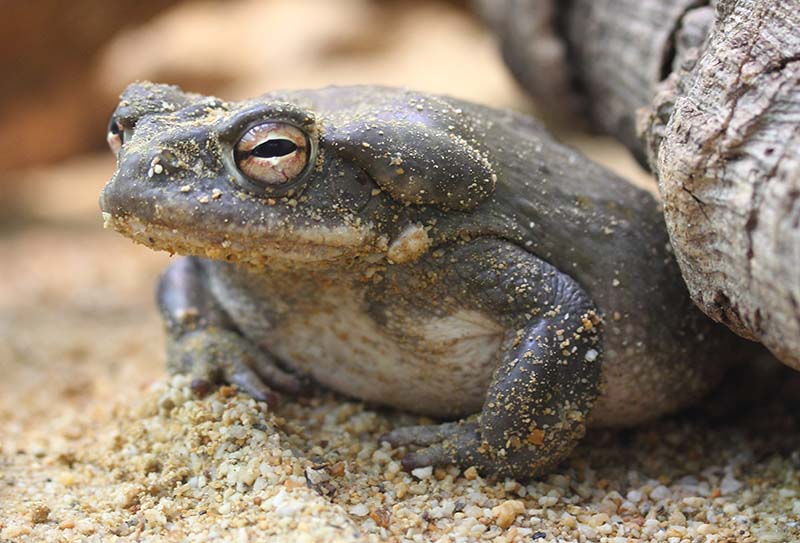
Unfortunately, toads don’t usually live as long in the wild as they do in captivity because they have many predators. They are also at the mercy of their environment, habitat loss, parasites, and disease. Therefore, the average lifespan of common toads is relatively short, typically ranging from 5 to 10 years.
| Species | Average Lifespan in the Wild in Years | Average Lifespan in Captivity in Years |
| American Toad | 5–10 | 10–15 |
| European Common Toad | 5–10 | 15–20 |
| Southern Toad | 2–4 | 5–10 |
| Fowler’s Toad | 5–8 | 8–12 |
| Western Toad | 6–10 | 10–15 |
| Giant Toad | 4–10 | 10–20 |
How to Care for Your Toad for a Long Lifespan
Feeding & Diet
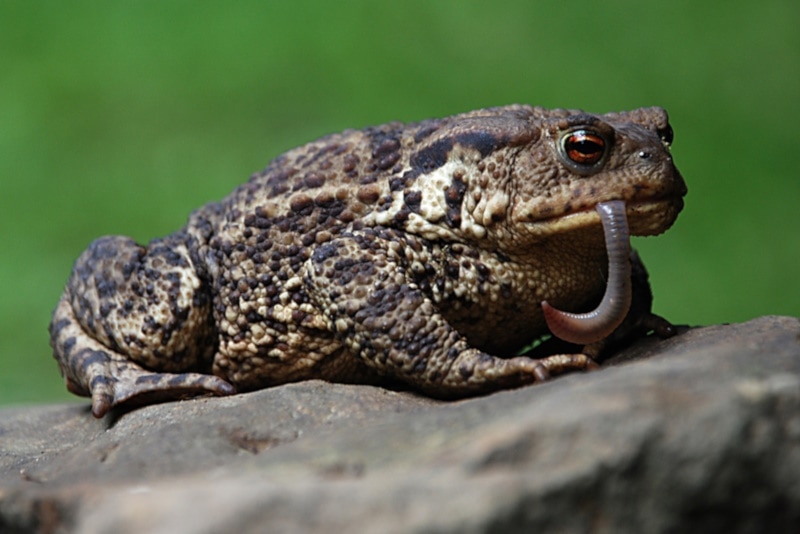
Adult toads are usually fed every 2 to 3 days, while juveniles may require daily feedings. Adjust the feeding schedule based on your toad’s age, size, and activity level. They are opportunistic feeders, and their diet mainly comprises small invertebrates, including insects like beetles, grasshoppers, flies, moths, earthworms, small mealworms, spiders, snails, and slugs. Even as pets, they prefer live prey, which triggers their hunting instincts, and you will need to dust the food with calcium powder to keep them healthy. Be cautious about the prey items that you provide. Certain insects and other invertebrates may be toxic, so avoid feeding wild-caught prey to your toad unless you are sure it’s safe and non-toxic. You should also gut-load the insects with nutritious foods before providing them to your pet.
Environment
The enclosure should be spacious enough for your toad to move around comfortably. A large area will provide more opportunities for exercise and exploration. Choose a suitable substrate for the bottom of the enclosure that will retain moisture but also allow for proper drainage. Common choices include coconut coir, sphagnum moss, or a mixture of soil and sand. Your toad will also need a few rocks, logs, or artificial plants to use as hiding places to rest and regulate their body temperature. You will need a low-wattage UVB bulb (this helps the toad synthesize vitamin D3, which is essential for calcium absorption and overall health) and a hygrometer (to monitor and help maintain proper humidity levels).
Care
Minimize handling to reduce stress on your toad. Hold them gently, and wash your hands beforehand and afterward to prevent contamination. Regularly observe your toad for any signs of illness, injury, or changes in behavior, and consult a veterinarian experienced in amphibian care if you notice any issues. Different toad species may have specific care requirements. Research the particular needs of your species to tailor your care approach accordingly.
Cleaning
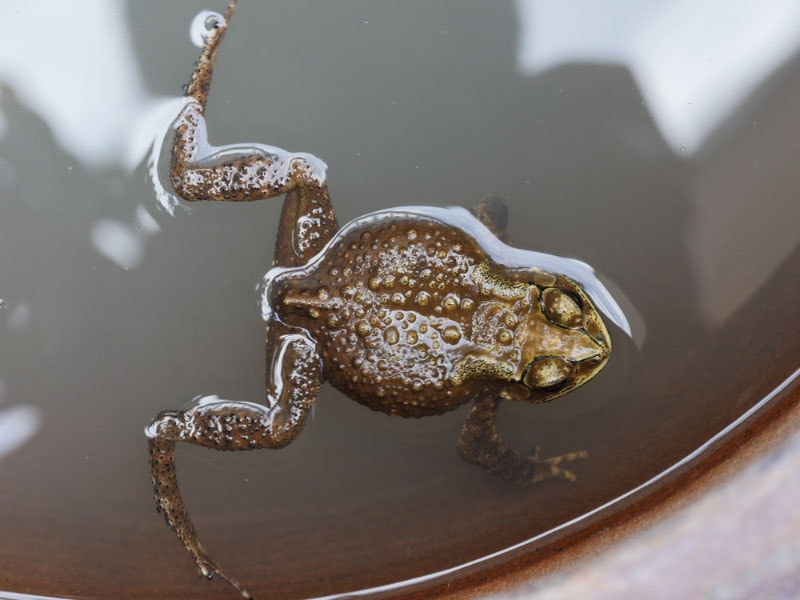
Keep the enclosure free of toxic substances, such as pesticides or cleaning agents, which can harm your toad. Regularly clean and disinfect the enclosure to prevent the buildup of harmful bacteria and maintain a healthy environment. Change the substrate every 2–4 weeks, depending on how frequently you spot clean.
Pairing/Breeding
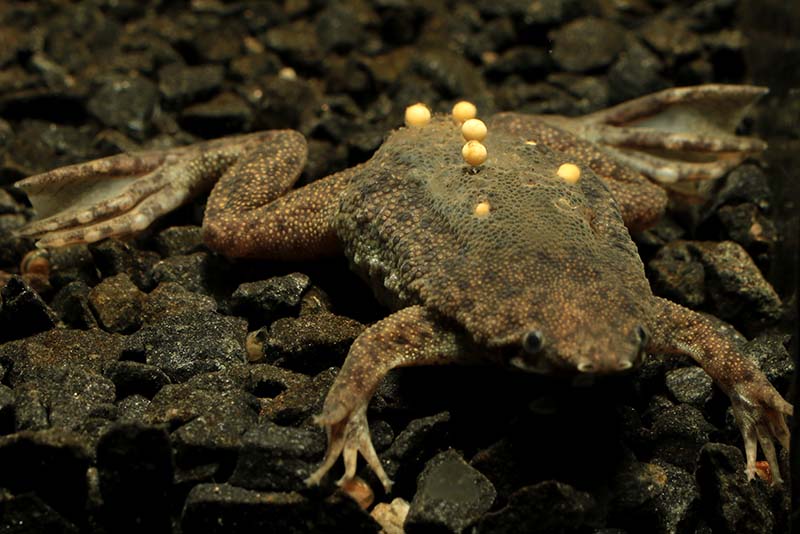
Pairing and breeding toads can be a rewarding but intricate process that requires careful preparation and understanding of the specific species’ reproductive behaviors. Choose a compatible pair of toads from the same species, and ensure that both toads are healthy and in prime reproductive condition. Create a suitable breeding environment in a separate enclosure with enough space, hiding spots for the toads, and a water dish for soaking and egg deposition. Simulate seasonal changes by adjusting the temperature and light cycles to encourage breeding behavior. Many toads require a cooling period followed by a gradual warming to stimulate breeding activity. When breeding toads, focus on providing the best care for the adults and their offspring.
Healthcare
Regularly observe your toad for any signs of illness or changes in behavior. Monitor their appetite, activity level, and overall appearance. Early detection of health issues can lead to better outcomes. Keep the enclosure clean, and provide a healthy diet, including plenty of fresh water. Schedule regular check-ups with a veterinarian experienced in treating amphibians. If you introduce new toads to your collection, quarantine them in a separate enclosure for a period to ensure that they are free of any diseases or parasites.
The Life Stages of a Toad
Egg Stage
A toad’s life cycle begins when adult toads mate and the female lays eggs in water or a moist environment, such as a pond, marsh, or slow-moving stream. A gelatinous mass encases each egg, which helps protect and support them. The eggs hatch into tadpoles after a few days to several weeks, depending on the species and environmental conditions.
Tadpole Stage
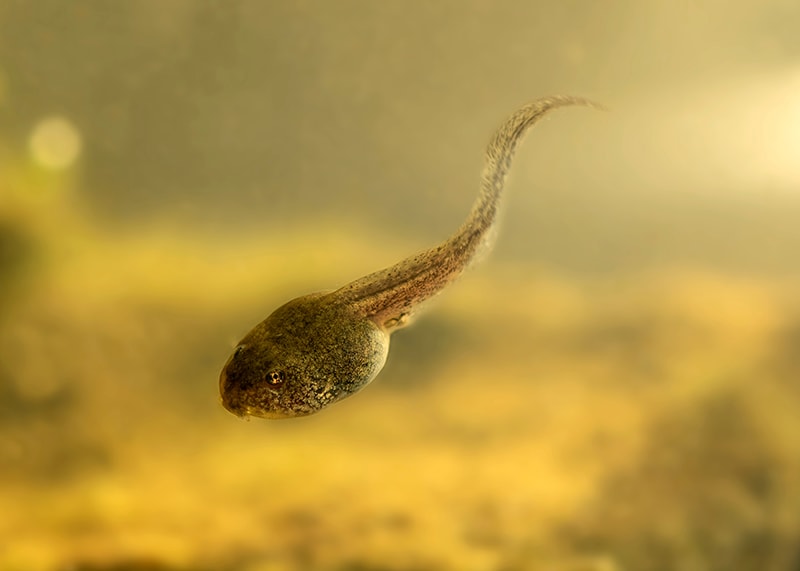
Tadpoles are aquatic larvae that hatch from eggs. They have long, slender bodies with a tail for swimming and gills for breathing underwater. During this stage, tadpoles primarily feed on algae and other aquatic vegetation. As they grow, they undergo various developmental changes, including the gradual disappearance of their gills and the growth of their hind limbs.
Metamorphosis Stage
Metamorphosis is a critical phase in a toad’s life cycle when a tadpole undergoes significant changes to transform into an adult toad. As the tadpole grows, their front legs develop, and their tail shrinks. The tadpole’s gills are gradually replaced by lungs, preparing them for terrestrial life. During this process, the toad’s diet shifts from primarily vegetarian to carnivorous, as they develop into an insect-eating creature.
Adult Stage
The metamorphosis stage concludes with the emergence of a fully developed, air-breathing juvenile toad from the water. At this point, the toad leaves the water and starts to live on land. They will spend the rest of their life on land, venturing back to water only during the breeding season to reproduce. Adult toads are typically nocturnal, coming out at night to hunt insects and other small invertebrates.
How to Tell Your Toad’s Age
Unfortunately, determining the exact age of a toad can be challenging, especially once they reach adulthood. Unlike animals with identifiable age markers like growth rings on shells or bones, toads do not have such easily discernible indicators. While it’s not a precise method, you may notice that some toads develop slightly worn or discolored markings as they age. Additionally, the eyes of certain older toads may appear cloudy or change in color, but this is not a reliable indicator and may vary between species. If you’re uncertain about your toad’s age or have specific concerns about their health, consider consulting a veterinarian experienced in amphibian care. They may be able to provide more insight into your toad’s age and overall well-being.
Conclusion
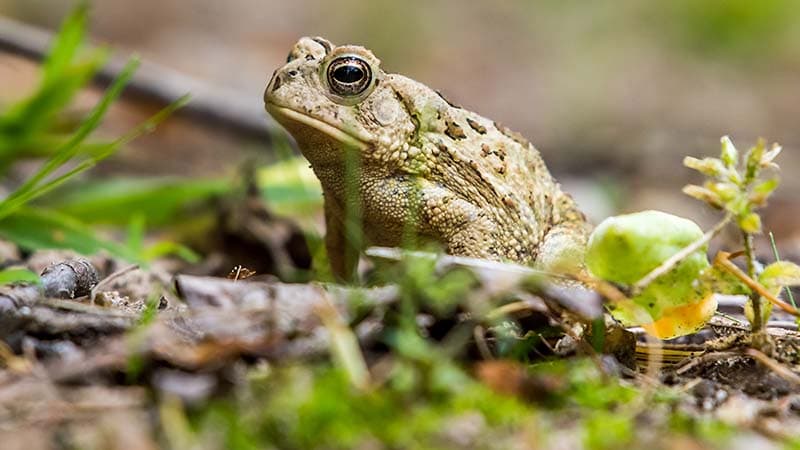
Toads often live 10–20 years in captivity but only 5–10 years at most in the wild. Factors like the number of predators, weather, and habitat loss can dramatically affect the lifespan of wild toads, and some species, like the Giant Toad, have naturally longer lifespans.
When you are keeping one as a pet, ensure that their enclosure is large enough to encourage exploration and that there are plenty of places for them to hide and relax. Feed your toad a balanced diet, and monitor the humidity and light levels to ensure that your pet lives as long as possible.
Related Reads:
Featured Image Credit: LMPark Photos, Shutterstock
Get Hepper In Your Inbox


Pet care tips from our vets and experts, straight to your inbox.
You may opt-out at any time. View our Privacy Policy for more information.

Nicole is a lover of animals of all sizes but is especially fascinated with the feline variety. She’s the proud mom of Baby, a Burmese, and works every day so he can relax in the sunshine or by the fire. She’s always had a cat in her home and has spent countless days with others, observing behaviors and softening up even the grouchiest of the lot. Nicole wants to share her kitty expertise with you so you and your cat can live happy, healthy, and care-free.
Join the conversation
Ask a question, share your story, or send private feedback.