Hepper is reader-supported. When you buy via links on our site, we may earn an affiliate commission at no cost to you. Learn more.
Is a Toad an Amphibian? Vet-Reviewed Facts & FAQ


In this article
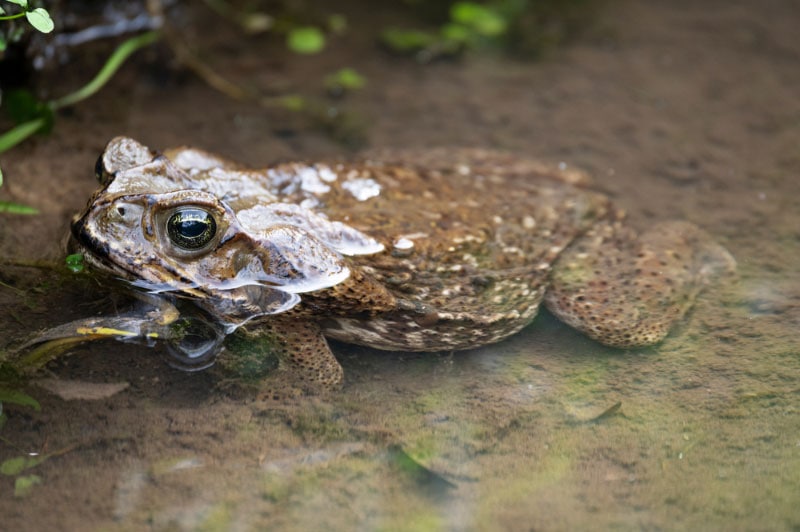
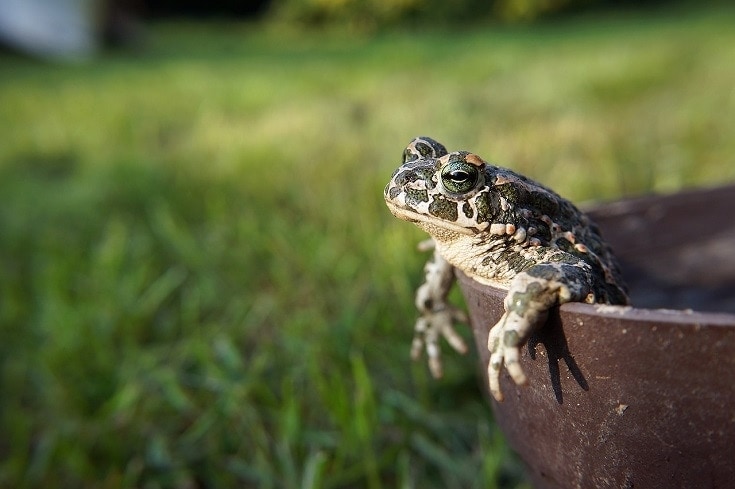
Toads are amazing creatures that you can find almost anywhere. They're highly adaptable and possess many unique traits. One thing that many people might wonder about is if toads are amphibians. The short answer is yes, toads are amphibians. Keep reading to learn more about them and their different life stages.

What Is an Amphibian?
Amphibians are a diverse and ancient group of vertebrates that inhabit terrestrial and aquatic environments. These animals start as aquatic larvae and later transition to semi-terrestrial or terrestrial lifestyles as adults.
The Amphibian Life Cycle
Egg Stage
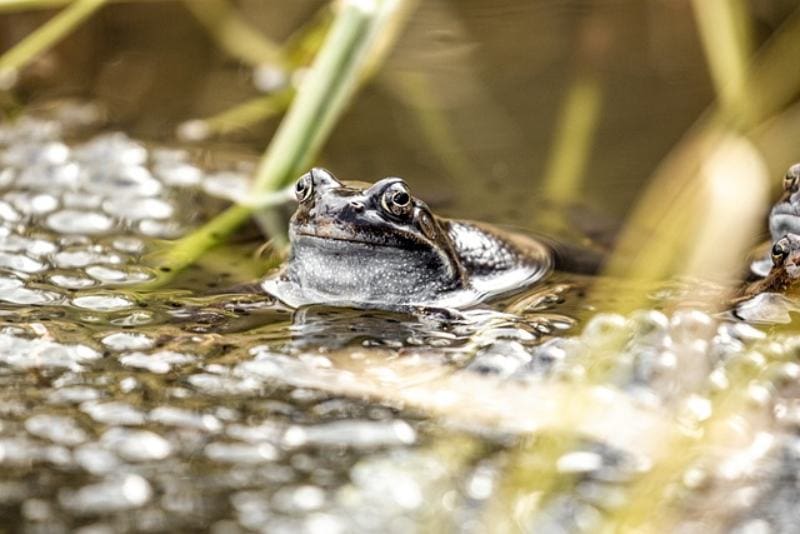
Amphibians lay their eggs in water bodies like ponds or streams. The eggs are usually enclosed in a jelly-like substance to protect them from predators.
Larval Stage
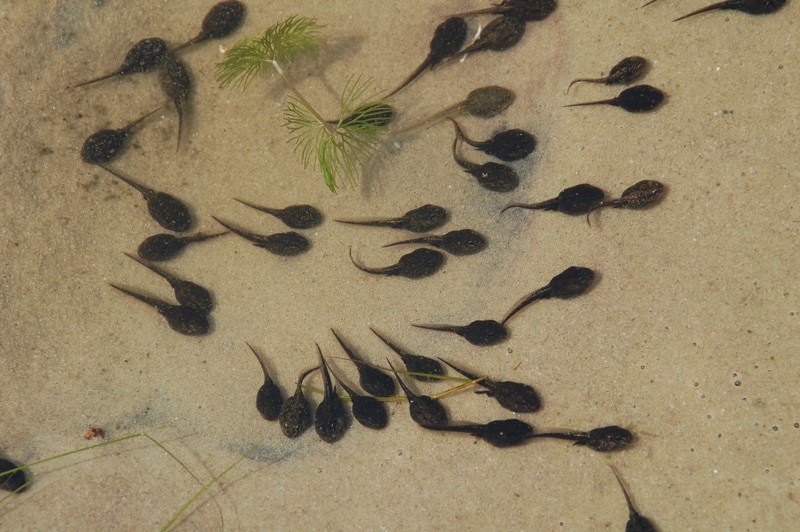
Upon hatching, the amphibian embryos transform into larvae. They are aquatic and often possess gills to facilitate breathing underwater. Frogs and toads in their larval stage are called tadpoles.
Metamorphosis
As the tadpoles grow, they undergo metamorphosis, which involves significant physical changes. During this process, they grow limbs, gradually lose their gills, and develop lungs to breathe air as they prepare to move to land.
Adult Stage
Once metamorphosis is complete, the amphibians emerge from the water as adults. They now possess the ability to breathe both in water and on land, due to their lungs and permeable skin. Toads then spend all their time on land, only returning to the water to breed.
The Toad’s Identity
Physical Characteristics
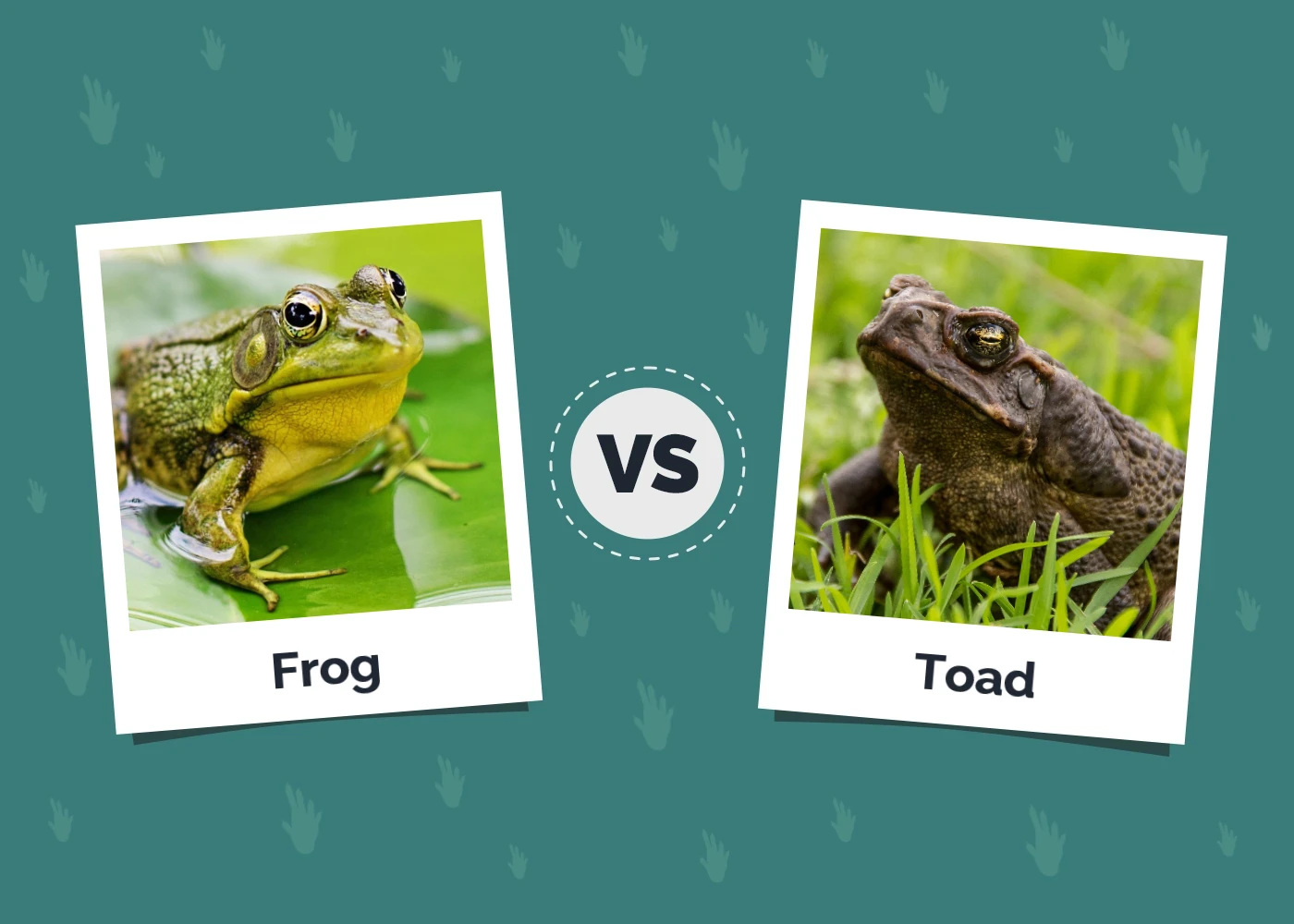
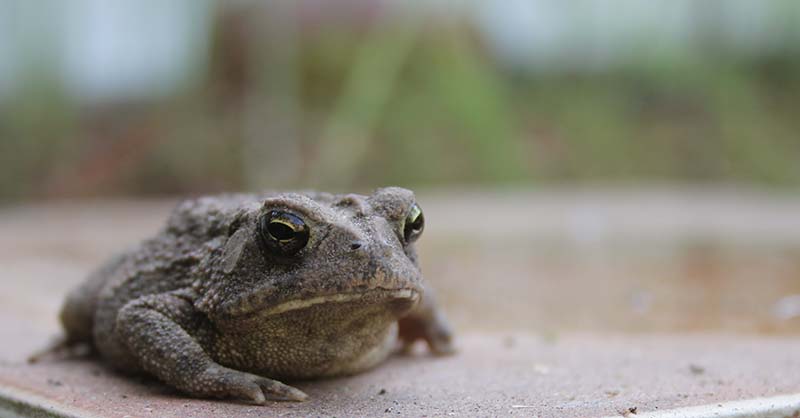
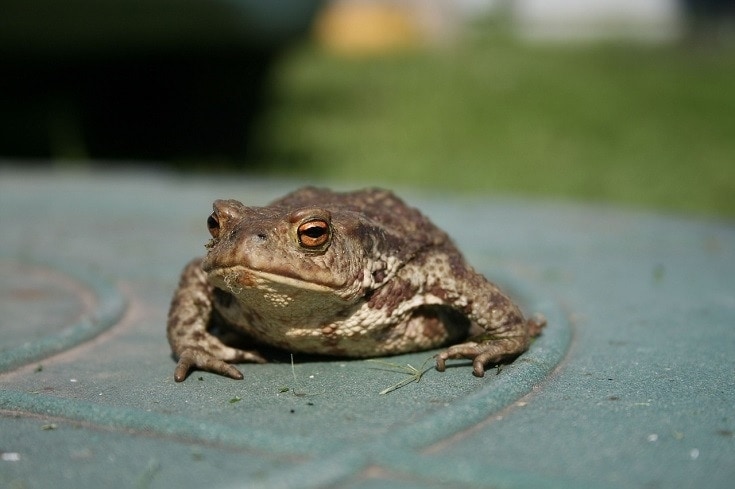
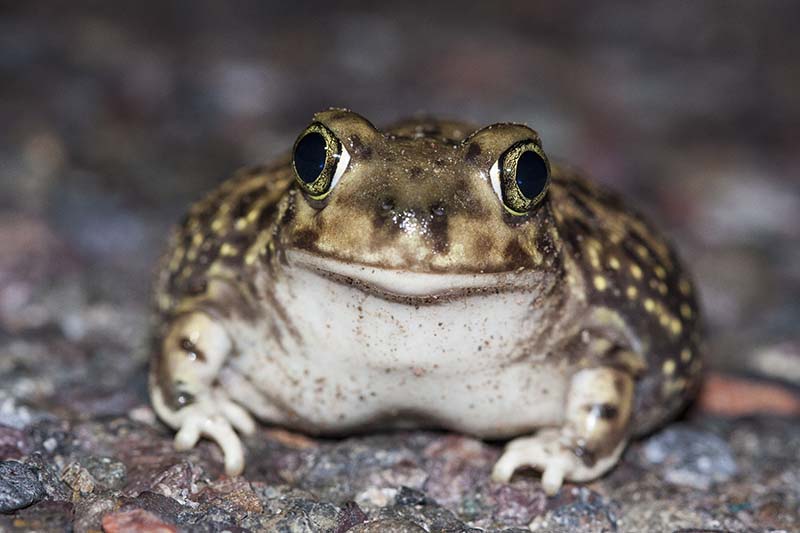
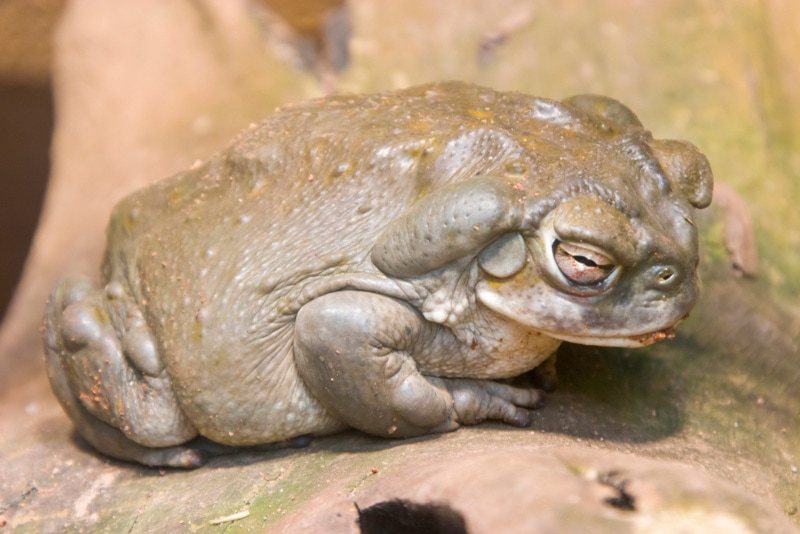
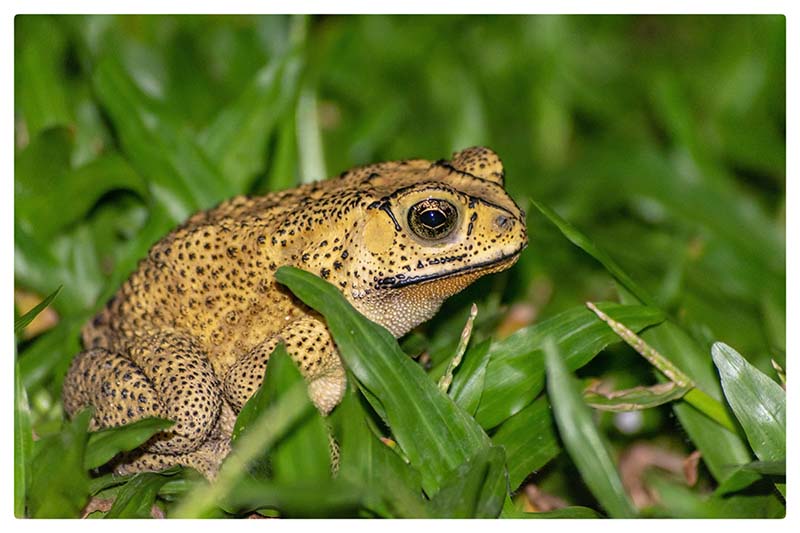
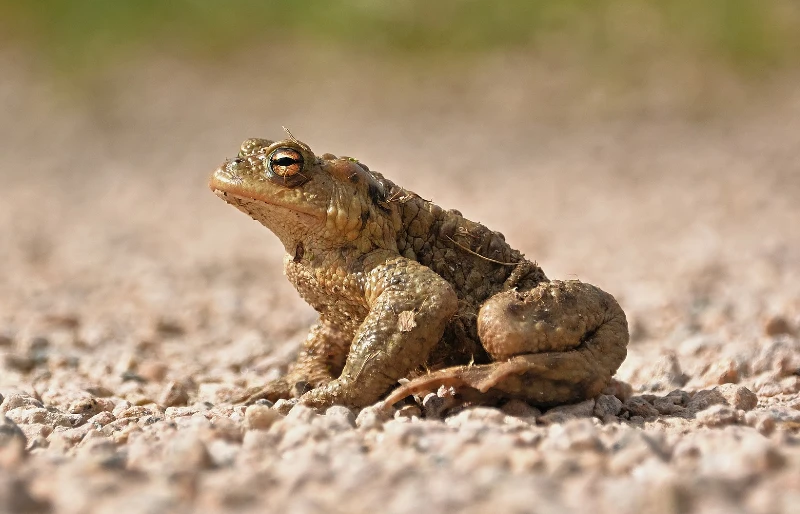
Toads have stout bodies, short legs, and dry, bumpy skin. Unlike frogs, they have a waddling gait and are less inclined to jump. The bumpy skin of toads acts as a defense mechanism against predators, and almost all species also secrete toxins of varying intensities through their skin.
Preferred Habitats
While many amphibians have a more balanced affinity for aquatic and terrestrial environments, toads favor terrestrial habitats. You will usually find them in gardens, forests, and grasslands, often somewhat far away from permanent water sources.
Nocturnal Nature
Toads are predominantly nocturnal creatures, meaning they are most active at night, which helps them avoid daytime predators and extreme temperatures.
Distinctive Calls
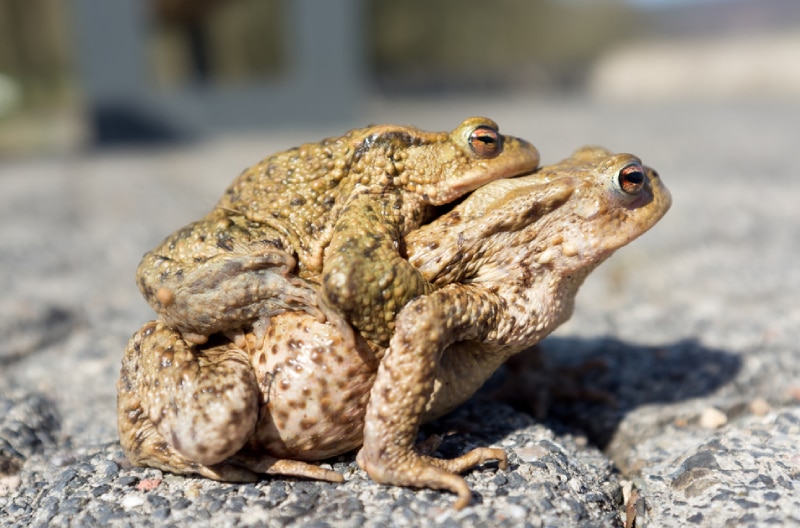
One of the most recognizable features of toads is their unique vocalizations. Male toads produce distinct mating calls to attract females during the breeding season. These calls can vary significantly among different species.
The Difference Between Toads and Frogs
Frequently Asked Questions
Are Toads and Frogs the Same Animal?
No, toads and frogs are not the same. While they are both amphibians, they have distinct physical characteristics and habitat preferences. Interestingly, all toads are considered to be frogs from a taxonomic standpoint, but the inverse isn’t true.
Are All Toads Classified as Poisonous?
All toad species are poisonous, but the degree of toxicity varies among species. Toads secrete toxins through their skin as a defense mechanism against predators.
How Long Do Toads Live?
The lifespan of a toad varies depending on the species and environmental conditions. On average, most toads live for 5–10 years, with some species capable of reaching over two decades in captivity.
Where Do Toads Hibernate During Winter?
Toads often hibernate in protected areas on land, such as under logs, rocks, or burrows. Their hibernation is referred to as brumation.
Are Toads Harmful to Gardens or Crops?
Toads are often beneficial to gardens and crops because they feed on insects that can harm your plants.
Do Toads Make Good Pets?
Toads can make interesting pets for enthusiasts with proper care and suitable habitat setups. That said, it is essential to research the specific needs of the species that you intend to keep and ensure that it is legal and ethical to do so in your region before you purchase one.
Important
Conclusion
Toads (and frogs) are amphibians that start their lives in the water. As they grow into adulthood, their bodies change, and they develop lungs that help them breathe on land. Toads prefer dry ground and can live far away from a permanent water source, while frogs will stay close to the water’s edge. You will often find toads at night when they come out in cooler weather to hunt for food, and they can be beneficial to have in the garden, as they will eat many insects that can damage your plants. If you want to keep one as a pet, research the different breeds to find one that suits your lifestyle.
Featured Image Credit: viktori-art, Shutterstock
Get Hepper In Your Inbox


Pet care tips from our vets and experts, straight to your inbox.
You may opt-out at any time. View our Privacy Policy for more information.
Ed Malaker is a veteran writer who has contributed to a wide range of blogs that cover pets, tools, guitars, fitness, and computer programming. When he’s not writing, Ed is usually performing DIY projects around the house or working in the garden. He’s also a musician and spends a lot of time helping people fix their guitars and composing music for independent films.
Join the conversation
Ask a question, share your story, or send private feedback.