Hepper is reader-supported. When you buy via links on our site, we may earn an affiliate commission at no cost to you. Learn more.
What Is Chicken By-Product in Dog Food? Is It Alright for My Dog?


In this article
If you like to know what’s in the food you’re eating, you’re probably used to reading ingredient labels. Checking dog food labels can be just as confusing, with ingredients you’ve never heard of before, such as chicken by-products.
Chicken by-products are a common protein source used in dog food, consisting of some of the parts removed when the bird carcasses are processed for human consumption. We will tell you exactly what that means in this article and whether chicken by-products are okay for your dog to eat.

Chicken By-Products: The Basics
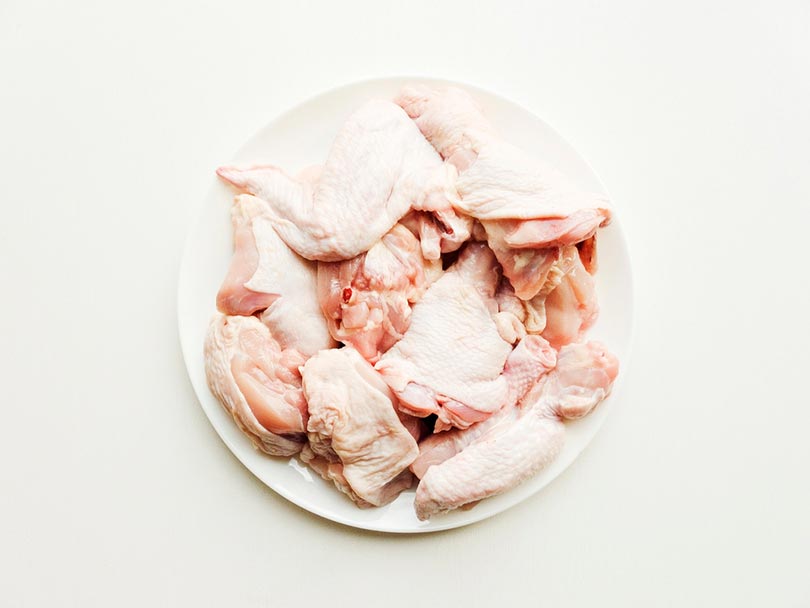
According to the American Association of Feed Control Officials (AAFCO), chicken by-products are whole, clean parts of the bird removed while it's processed for people to eat. It does not indicate that the parts are not suitable for human consumption but that this was not the product's intended use. For example, chicken livers can be consumed by humans or they can be designated for pet food where they are called by-products. By-products are ingredients that are produced parallel to one another, such as chicken breast meat.
In America, humans generally prefer eating muscle meat, and internal organs like the liver, heart, and gizzard are included in by-products. Chicken feet and heads are also defined as by-products.
By-products used in dog food are not supposed to contain poop or intestinal contents, according to the AAFCO standards. Feathers are also not allowed.
Using chicken by-products for pet food helps reduce waste since they would otherwise be discarded. Pet foods are a large contributor to the environmental impact of meat production.
Are Chicken By-Products Alright for My Dog To Eat?
You may have been warned against feeding dog food with by-products by friends or online articles, causing you to wonder if they are alright for your dog to eat.
Chicken by-products tend to be somewhat unfairly considered cheap, low-quality protein sources, but they are an approved, safe ingredient in dog food. If you balk at eating chicken feet or organ meat, remember that your dog has many different tastes than you. And in many countries, these parts are actually considered a human delicacy too.
Wild canines like wolves regularly consume parts of an animal that we would consider “by-products.” In addition, domestic dogs aren’t exactly known for their gourmet tastes, as evidenced by their enjoyment of snacking on petrified feces and dead animals.

All the “Best” Dog Foods Don’t Use By-Products, Right?
Many high-end (expensive) dog food brands make a point to advertise that they use no chicken by-products in their recipes. Generally, this statement is meant to appeal to you, but your pet is unlikely to reject a brand because it lacks “deboned whole chicken.”
Chicken by-products tend to be associated with less expensive, grocery-store dog food because muscle meat is a more expensive ingredient. However, before you shell out three times as much for a “premium” brand that brags about not using by-products, take a quick look at the ingredient list. Marketing has a high impact on how we feel about pet foods.
Does the recipe contain chicken liver or “organ meat?” Guess what? They are chicken by-products, according to the technical definition. Some dog food brands just label them differently to avoid the stigma associated with the term by-products.
Having traceability of ingredient sources is an important consideration in choosing a pet food. By-products cover a wide range of source materials but they do provide nutrition such as protein and vitamins that are needed in balanced pet foods.
AAFCO sets basic nutrition standards for all dog food sold in the U.S.: whether it uses free-range, locally purchased chicken meat or by-products.

Conclusion
As we’ve learned, chicken by-products are okay for your dog to eat, but some owners may still prefer to avoid them. Ultimately it is a personal choice. The best food for your dog will depend on several factors, not just whether or not it contains chicken by-products. If you’re overwhelmed by all the options, ask your veterinarian for advice. Your vet can help you narrow your choices based on your dog’s health and nutrition needs. They can also help you calculate precisely how many calories your dog requires per day to stay at a healthy weight.
Sources
Featured Image Credit: Jiri Hera, Shutterstock
Get Hepper In Your Inbox


Pet care tips from our vets and experts, straight to your inbox.
You may opt-out at any time. View our Privacy Policy for more information.
A lifelong lover of all creatures great and small, Elizabeth got her first cat at 5 years old and at 14, she started working for her local veterinarian. After spending more than 20 years working as a veterinary nurse, Elizabeth decided to step away to become a stay-at-home parent to her daughter. Now, she is excited to share her knowledge with our pet parents. Elizabeth lives in Iowa with her family, including her two fur kids, Linnard, a husky mix and Algernon, the worldʻs most patient cat. When not writing, she enjoys reading, watching soccer, and spending time outdoors with her family.
Join the conversation
Ask a question, share your story, or send private feedback.