Hepper is reader-supported. When you buy via links on our site, we may earn an affiliate commission at no cost to you. Learn more.
What Is Kibble Dog Food & Why Is It Called That? Interesting Facts to Know
In this article
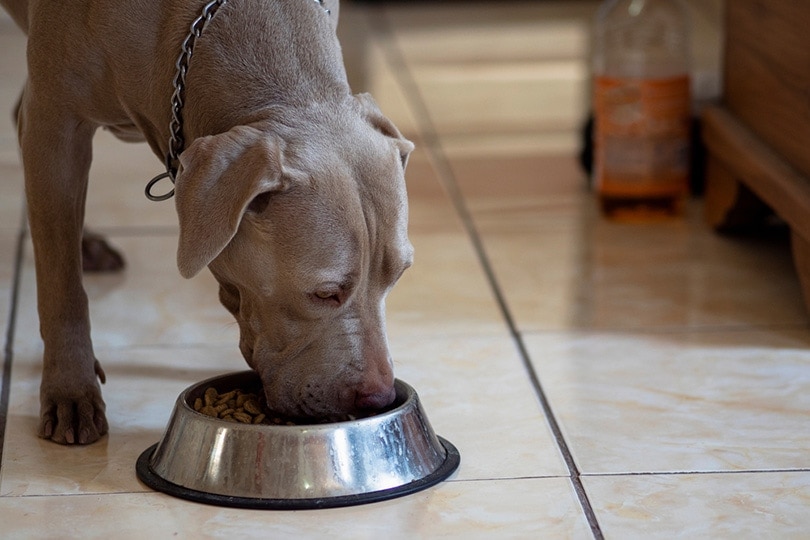
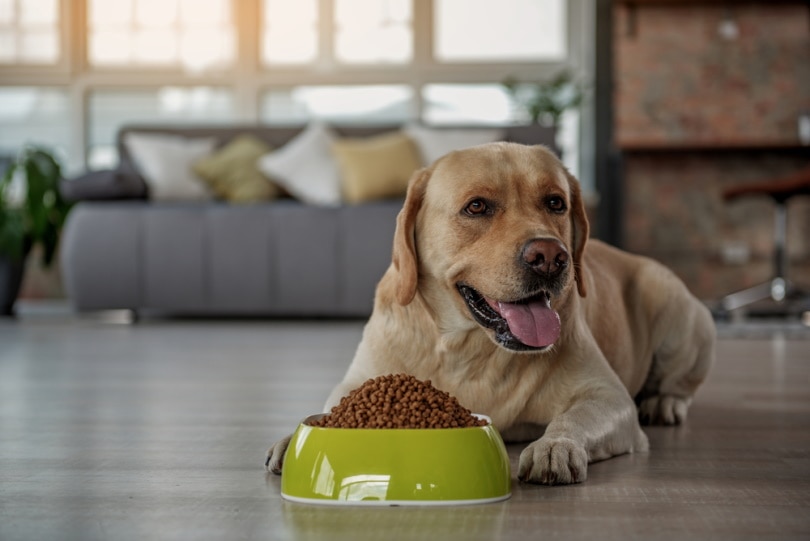
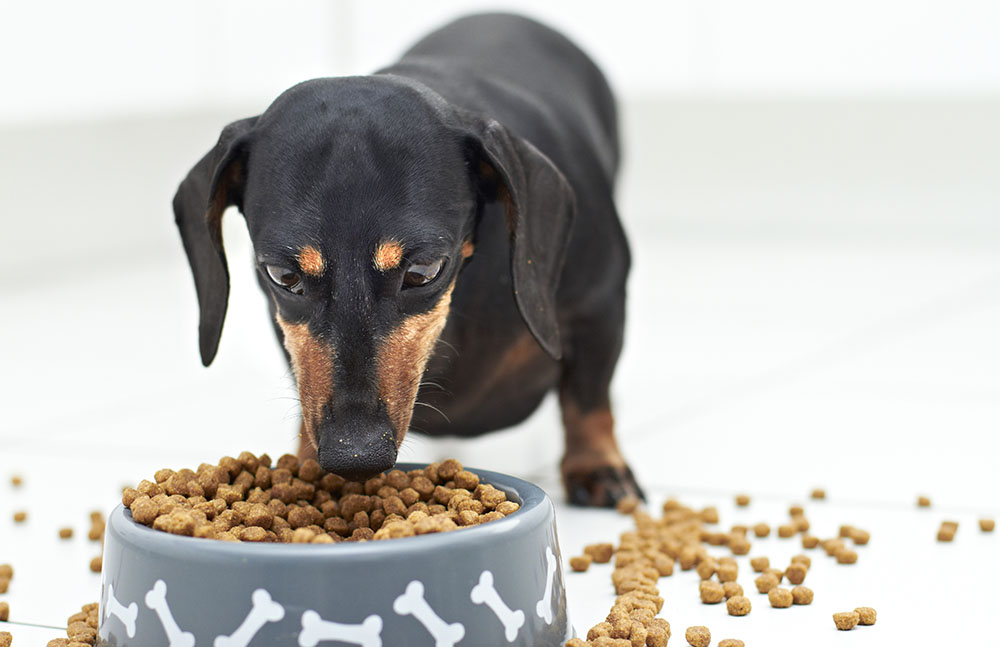
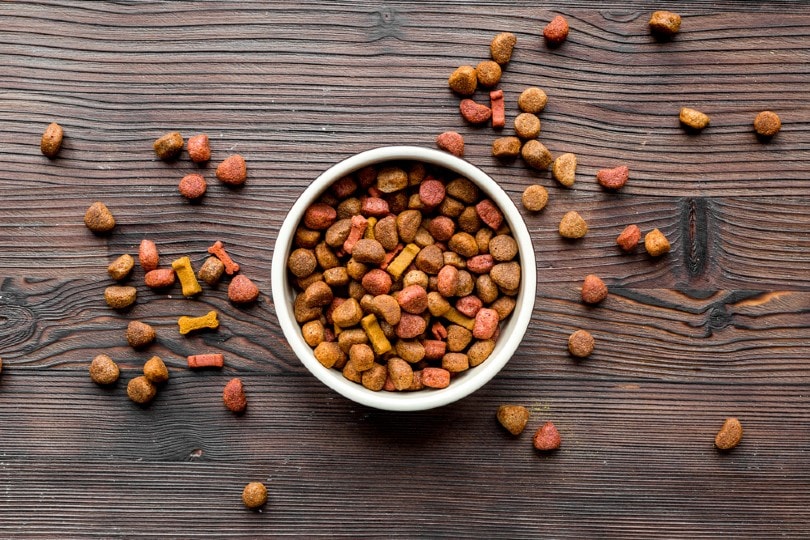
Kibble is ground-up ingredients that have been shaped into pellets of different sizes and is a popular food to feed your dog. There are currently so many diet options available for our dogs, which leads to differing opinions about which brand is best.
It’s natural to want the best for your pet and to question what makes dog food good or bad. Read on to find out what you should be aware of when it comes to kibble food.

What Is Kibble?
The origin of the word “kibble” is unknown, and you might wonder how it differs from dry dog food. There isn't any difference; kibble is just another name for dry dog food.
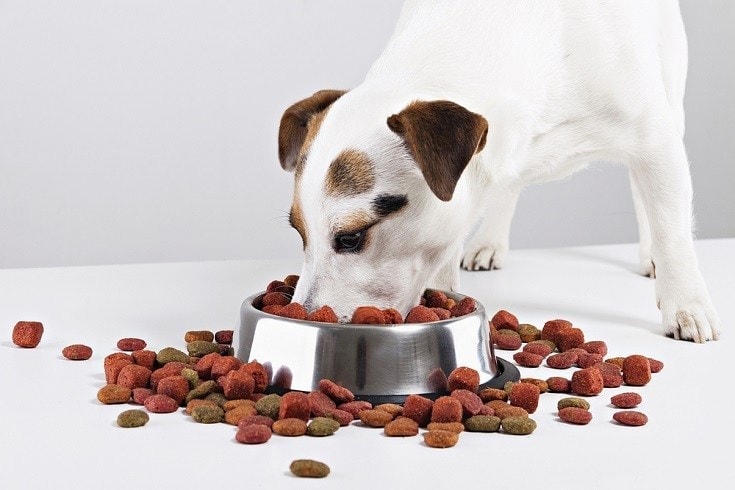
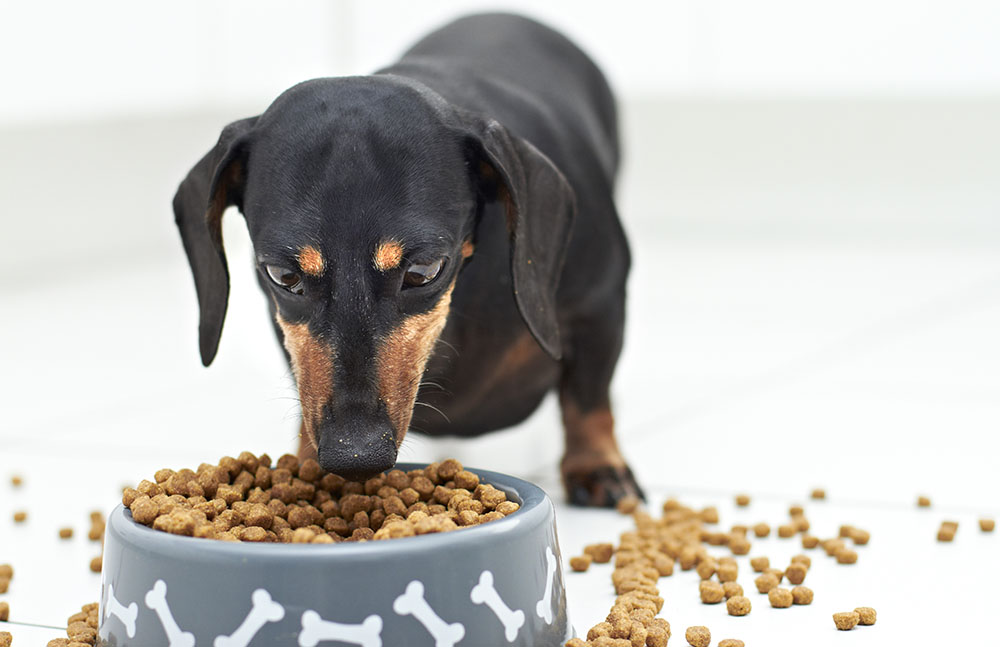
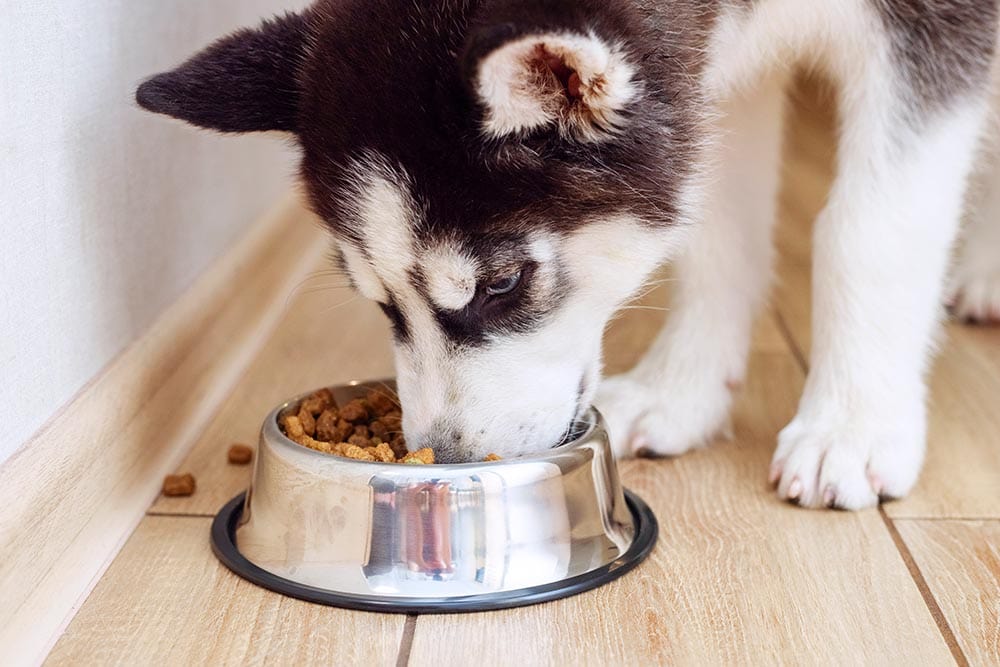
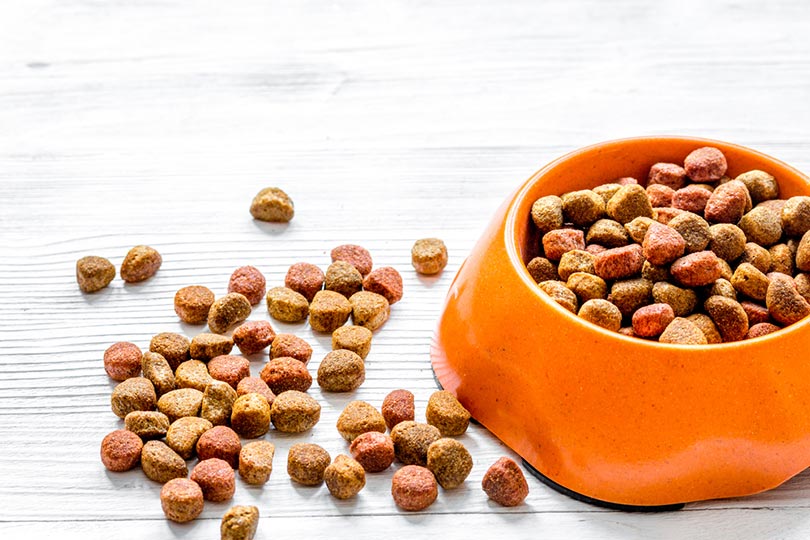
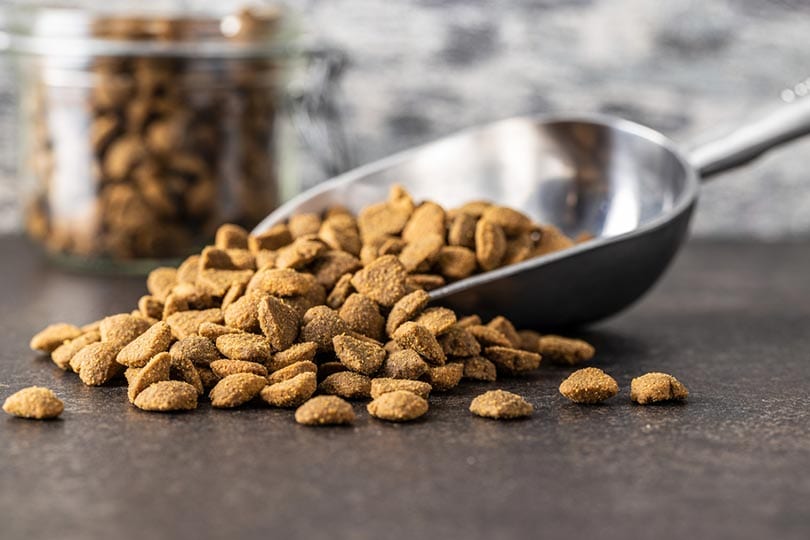
The ingredients that makeup kibble are usually meats, fish, cereals, vegetables, legumes, grains, vitamins, and minerals. Kibble size is generally determined by the size of the breed that the recipe is designed for. Puppies, for example, get smaller pellets than adults, and a bigger breed will have larger pieces than a small dog.
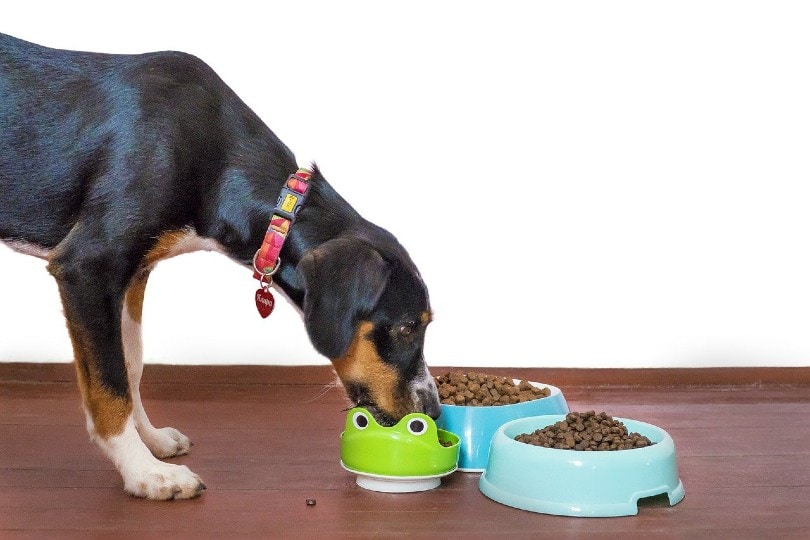
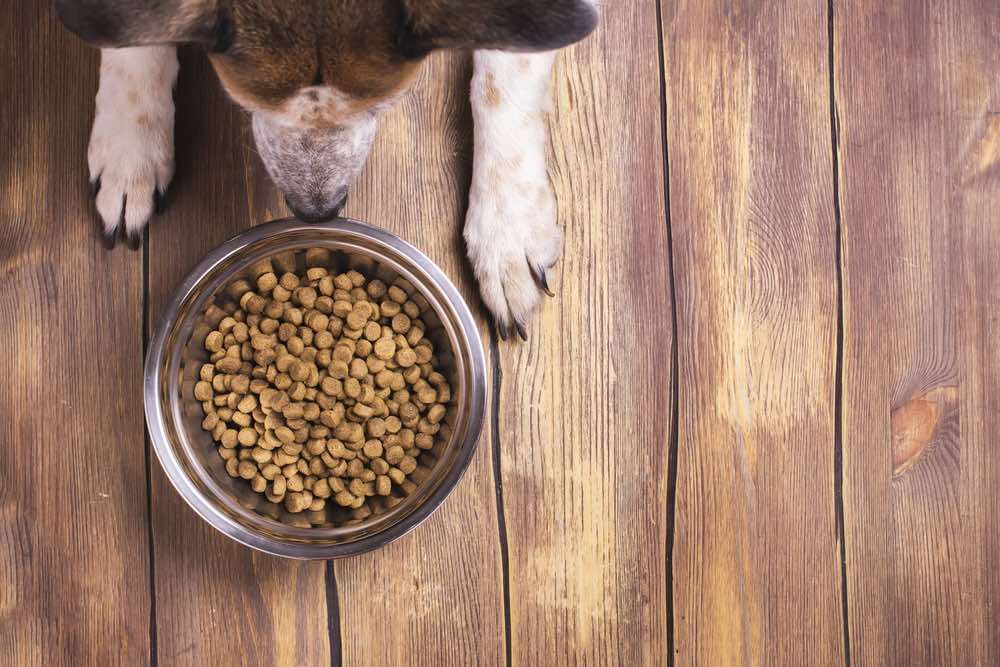
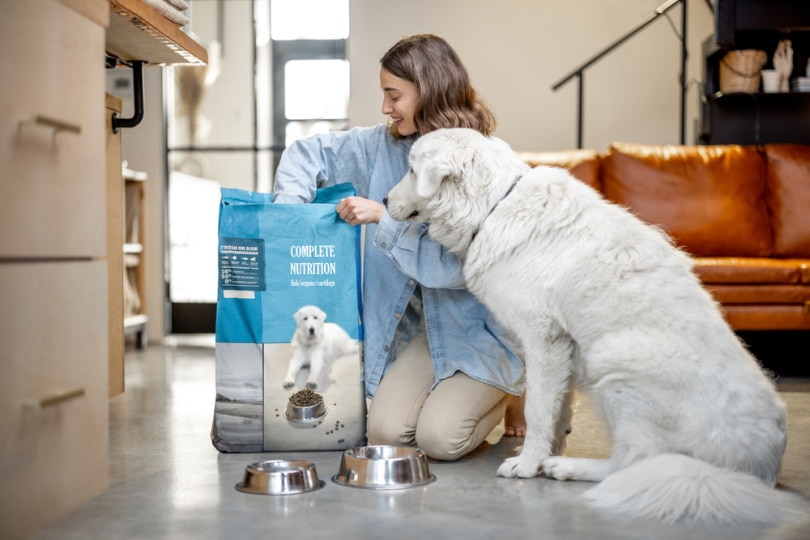
You’ll find kibble is typically sold in bags, which make storage easy. Kibble pellets have low moisture content compared to tinned food, which may lead your dog to drink more.
How Is Kibble Made?
The ingredients we mentioned earlier are cooked at very high temperatures in a machine known as an “extruder.” This mixture is squeezed into different shapes and coated with fats and oils. There has been some debate about whether this process results in the food losing some nutritional value.
If the dog food includes grain, the grain is used as a binder to keep the ingredients together when mixed. If the kibble is grain-free, it will use legumes like chickpeas or another starch as a binder.
Just like cooking human food reduces the number of water-soluble vitamins, dog food will lose some nutritional value. However, this is generally considered, and the finished product will provide the vital nutrient content that supports your dog and all it requires for a healthy life. If the kibble is certified balanced and complete by AAFCO (the Association of American Feed Control Officials), it must meet several nutritional requirements. If the ingredients fail to do this naturally, synthetic vitamins and minerals will be added.
Why Choose Kibble?
Commercial kibble is nutrient-rich. It’s also convenient, affordable, and tends to provide a large variety of choices for different life stages or needs, like old age or joint problems.
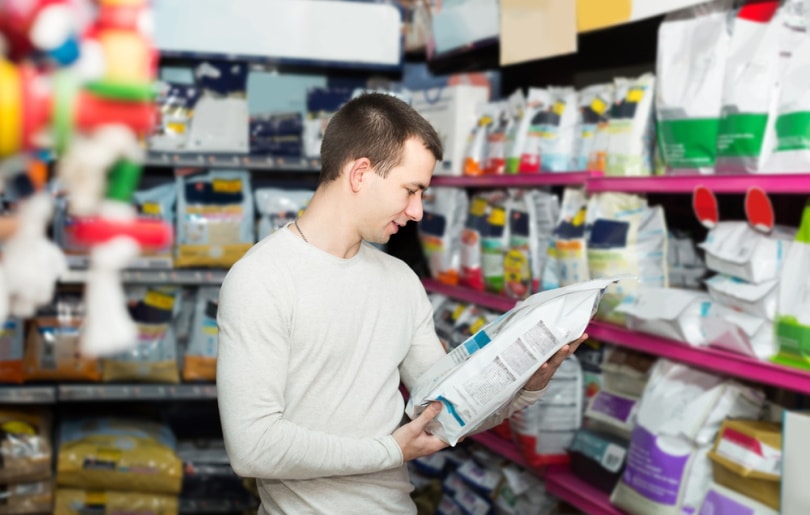
Not all kibbles are the same, so make sure you take the time to research different brands and their reputations. When choosing the best kibble for your pet, familiarize yourself with food labels. Avoid formulas made with preservatives, fillers, or by-products. Choose diets with high-quality, natural ingredients like real meat protein at the beginning of their ingredients list.
What About the Alternatives?
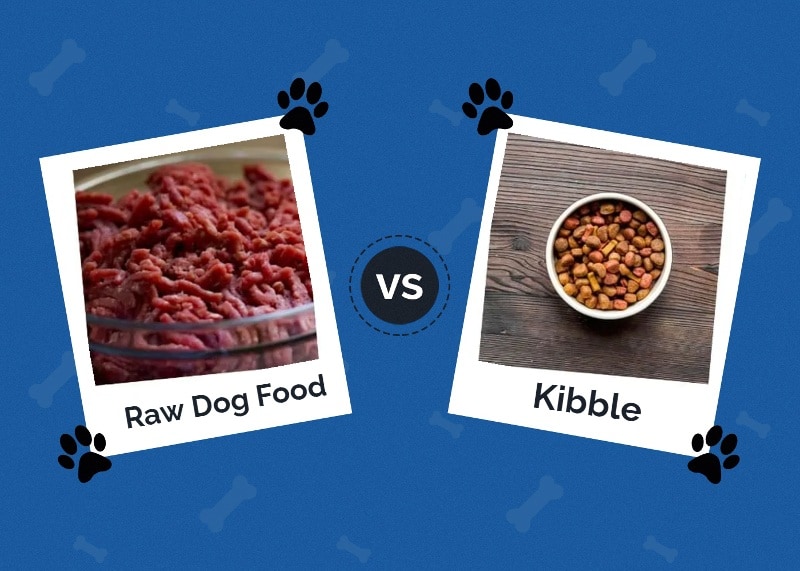
With so many choices out there, some pet parents are abandoning the traditional kibble in favor of raw diets or fresh food. The extrusion process not only diminishes the protein content of the animal meat in dog food but also impairs the nutritional value of the fruits and vegetables.
Even with premium dog food, the quality of the ingredients will never be as good as what you would get from fresh, unprocessed diets. Adding vitamins and minerals back into a food cannot truly replicate the nutrients and benefits lost through the harsh cooking process.

Conclusion
When choosing the right dog food, there are no wrong answers if you pick a diet based on what is nutritionally beneficial to your dog. This is somewhat naïve because factors like cost, convenience, and storage space are incredibly important. Kibble has developed a reputation for being “unhealthy,” which isn't true for all dry dog food. Ask your veterinarian for advice if you’re ever unsure where to start.
Related Reads:
Sources
Featured Image Credit: 279photo Studio, Shutterstock
Get Hepper In Your Inbox


Pet care tips from our vets and experts, straight to your inbox.
You may opt-out at any time. View our Privacy Policy for more information.

Kerry-Ann lives in Scotland and wishes her garden was bigger so she could have her very own Highland cow. But her dogs probably wouldn’t like that very much. She has a La Chon called Harry who was poorly with a liver shunt when he was a puppy. It wasn't likely he would make it into adulthood, which was difficult, but he beat the odds and is a healthy old man now. She also has a Pug called Maddie who is a big foodie. She’s small, sassy, and every day she finds a new way to mess with her brother.
When she isn’t writing you can find Kerry-Ann going for long walks when the weather isn't bad, reading, or watching cartoons when she should be tidying her house. She would one day like to be a tourist in her own country and travel through the Highlands with her family.
Join the conversation
Ask a question, share your story, or send private feedback.