Hepper is reader-supported. When you buy via links on our site, we may earn an affiliate commission at no cost to you. Learn more.
What Is Scottish Fold Osteochondrodysplasia? Vet-Reviewed Signs, Causes & Care


In this article
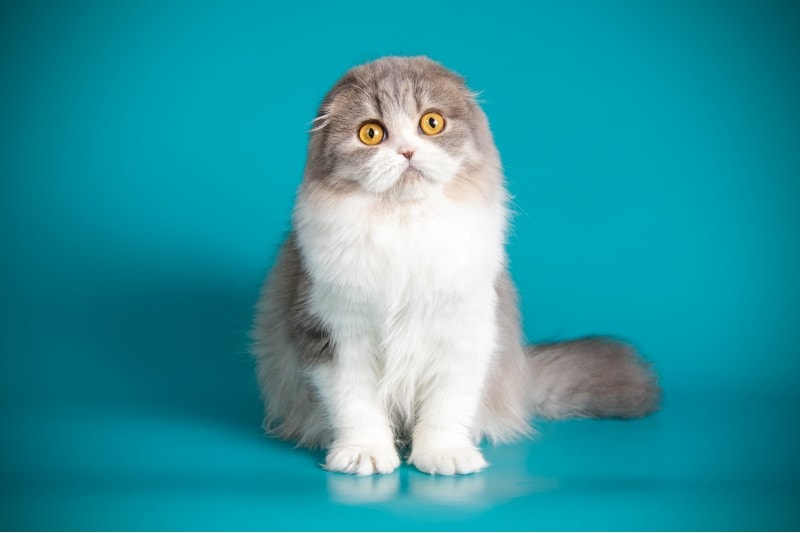
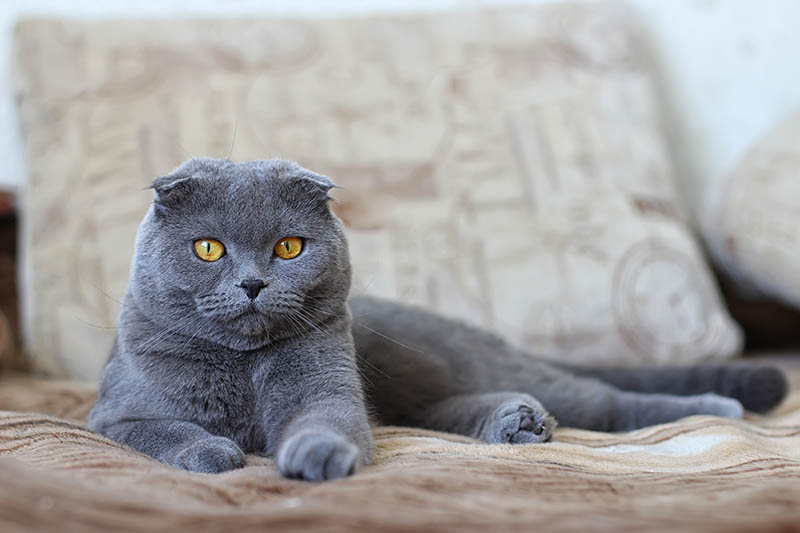
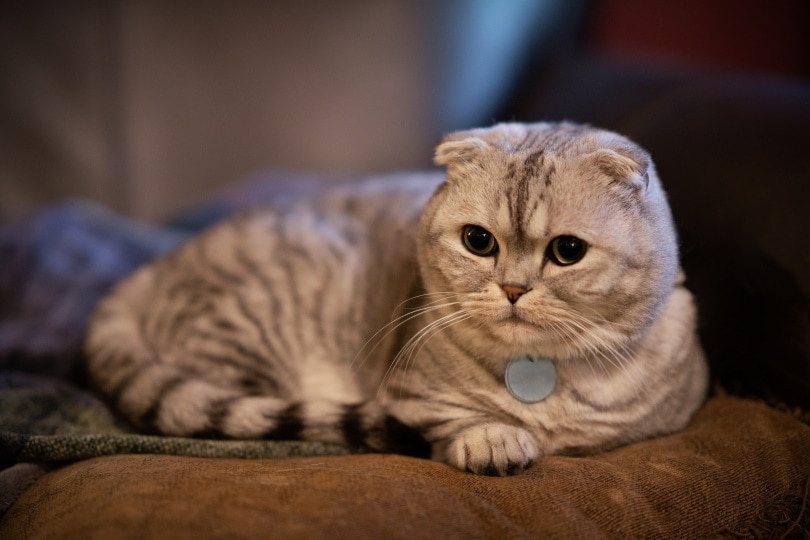
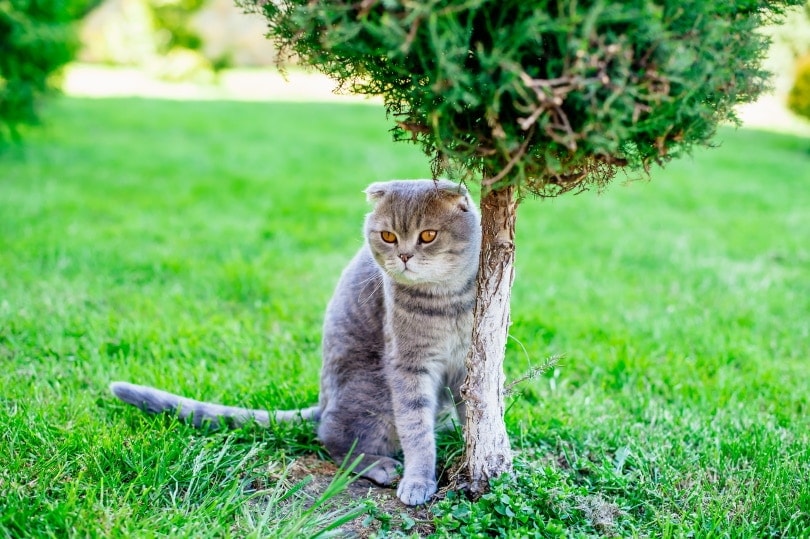
Scottish Folds are known to be affectionate, intelligent, and friendly cats. They’re also known for their cute, folded ears. Unfortunately, their folded ears are due to an inherited developmental abnormality in the breed known as osteochondrodysplasia. This disease can lead to chronic pain and lameness, and, in some cases, pet parents having to make the devastating decision to euthanize their beloved cats. But what exactly is osteochondrodysplasia? We’ll take a closer look at this devastating disease and how it affects the Scottish Fold.

What Is Osteochondrodysplasia?
Osteochondrodysplasia is an inherited developmental abnormality that all Scottish Folds with folded ears will develop. It affects the cartilage throughout the cat’s body and causes severe distortion of the limb bones’ shape and arthritis.
It isn’t apparent which kittens will suffer from osteochondrodysplasia because when Scottish Folds are born, they are all born with flat, closed ears. When they’re around 2 to 3 weeks old, the folds will appear (apparent when their ears don’t fully open and stand upright), indicating they’re vulnerable to osteochondrodysplasia.
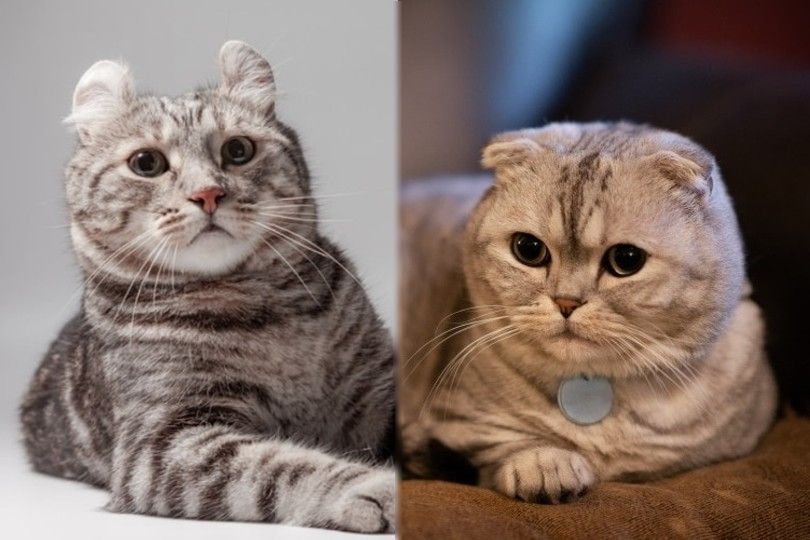
Kittens that develop normal ears are sometimes referred to as Scottish Straights. Though they don’t have the trademark folds associated with the breed, they’re usually healthier because the presence of upright ears indicates better or normal cartilage development throughout the rest of their body.
This disease can be apparent in animals as young as 7 weeks old, and it causes lameness, crippling, and chronic pain. It is progressive and incurable.
The gene that causes osteochondrodysplasia is dominant; however, the amount of control the gene exerts over the trait isn’t complete (hence why some Scottish Folds are ‘Straights’). Cats that are affected by this disease are reluctant to move, which can result in obesity. As a result of all of this, Scottish Folds are a controversial breed. In Scotland, where Scottish Folds originate, they aren’t recognized as a breed because of concerns about the risk of ear infections and deafness.
What Are the Signs of Osteochondrodysplasia?
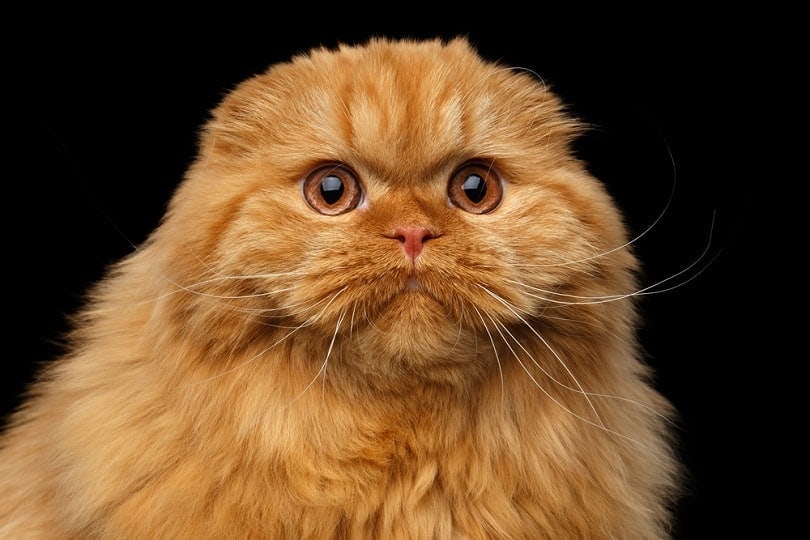
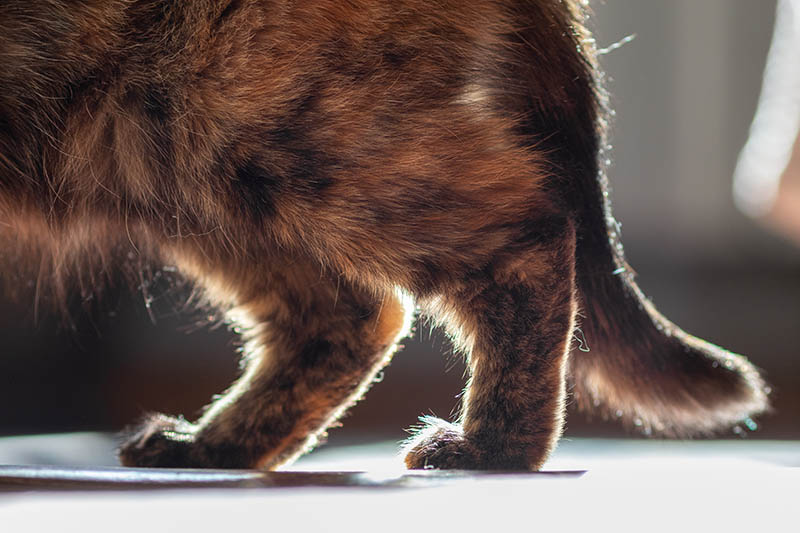
The most reliable sign that your cat will develop osteochondrodysplasia is that it will have folded ears. Scottish Folds with folded ears will suffer in varying degrees from the degenerative joint disease. It can result in the fusing of the tail, tarsi (ankles), and stifles (knees). Cats suffering from the condition may also have an abnormal gait and posture, lameness, and short misshapen limbs.
Signs might vary depending on how severe your Scottish Fold’s case is, but these signs all point to osteochondrodysplasia:
- Abnormal bone shape
- Bones appear shorter than normal
- Crooked teeth due to a shorter jaw
- Enlarged joints
- Larger than normal head
- Poor growth/lack of growth
- Sideways bowing of forelimbs (front legs are more affected than the back)
- Spinal deviation to either side of the body
- Undershot jaw with a shorter nose
What Are the Causes of Osteochondrodysplasia?
This condition is inherited in the Scottish Fold. This means it is passed from parents to their offspring. Though considered dominant, the gene doesn’t complete control over the trait—not all kittens born to Scottish Fold parents will have the folds. Conversely, kittens born to Scottish Straights may also eventually develop folds.
How Do I Care for a Scottish Fold with Osteochondrodysplasia?
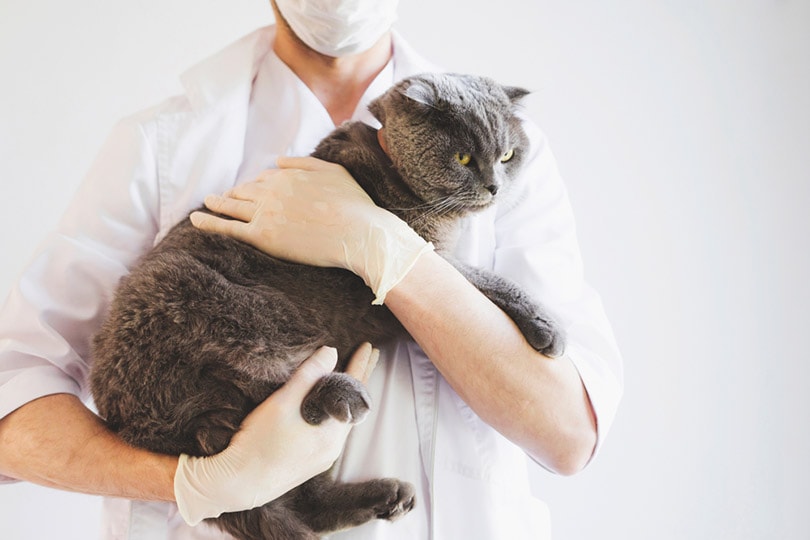
Once your cat has been diagnosed with osteochondrodysplasia, your veterinarian will most likely only offer pain management medication and joint supplements; however, these only slow down disease progression and don’t cure it. In most cases, surgery isn’t feasible, as multiple joints are affected, and without the body’s ability to regenerate normal cartilage, surgical intervention is considered a fruitless endeavor.
The prognosis depends on the severity of the disease, so there is no definitive treatment option. Some cats will suffer from incapacitating dysplasia, while others will learn to compensate for the smaller limb size. Pet parents also have to keep the risk of obesity in mind because of the breed’s lack of mobility.

Frequently Asked Questions (FAQs)
How Will My Cat Be Diagnosed?
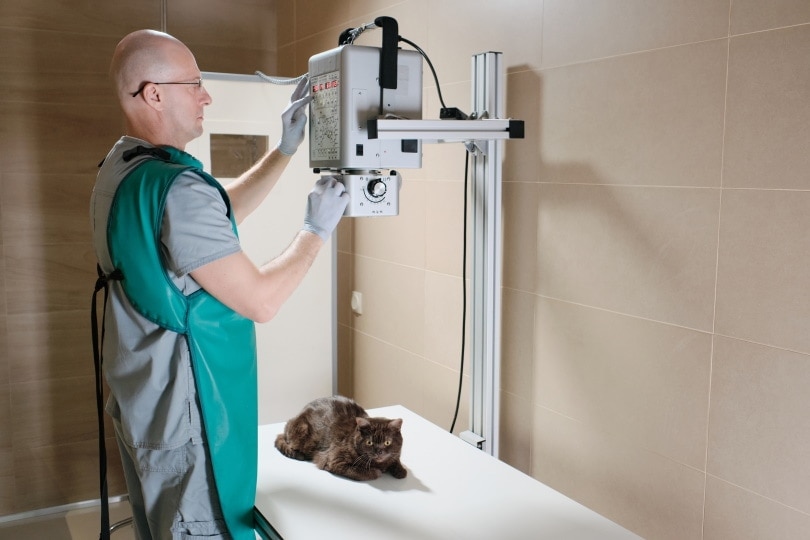
Testing for osteochondrodysplasia is usually rather straightforward and can be done by X-rays. Your vet will likely X-ray all the limbs, which will show them the extent of the bone growth and structural abnormalities. To confirm the diagnosis, your vet may also take a tissue sample from the small bones for further diagnostic testing. However, breed information along with the X-rays are sufficient in most cases, and further tests are usually only done for non-Scottish Folds.
What Are the Signs My Cat Is in Pain?
Cats will instinctually try to hide or mask their pain, which makes it more difficult to diagnose.
If your cat is in pain, you might notice the following:
Will My Cat’s Life Be Shortened?
While some owners will have to choose euthanasia, it will not be the case for all cats. The severity of the disease will have an impact on your cat’s quality of life. The average lifespan of the Scottish Fold is 11–15 years, and with the life expectancy of an average cat being 10–15 years, it’s clear that these cats can live long lives. Their pain can be managed by medications prescribed by your veterinarian.
Conclusion
Scottish Folds are popular for their folded ears, but unfortunately, the mutation is caused by osteochondrodysplasia. It’s a progressive, incurable disease that affects bones and joints. Depending on the severity of the conditions, it can result in lameness, deformities, chronic pain, and early death.
Sources
Featured Image Credit: Alice Rodnova, Shutterstock
Get Hepper In Your Inbox


Pet care tips from our vets and experts, straight to your inbox.
You may opt-out at any time. View our Privacy Policy for more information.
Kerry-Ann lives in Scotland and wishes her garden was bigger so she could have her very own Highland cow. But her dogs probably wouldn’t like that very much. She has a La Chon called Harry who was poorly with a liver shunt when he was a puppy. It wasn't likely he would make it into adulthood, which was difficult, but he beat the odds and is a healthy old man now. She also has a Pug called Maddie who is a big foodie. She’s small, sassy, and every day she finds a new way to mess with her brother.
When she isn’t writing you can find Kerry-Ann going for long walks when the weather isn't bad, reading, or watching cartoons when she should be tidying her house. She would one day like to be a tourist in her own country and travel through the Highlands with her family.
Join the conversation
Ask a question, share your story, or send private feedback.