Hepper is reader-supported. When you buy via links on our site, we may earn an affiliate commission at no cost to you. Learn more.
Cat Ears Drooping: Causes, Signs & Treatment (Vet Answer)

In this article
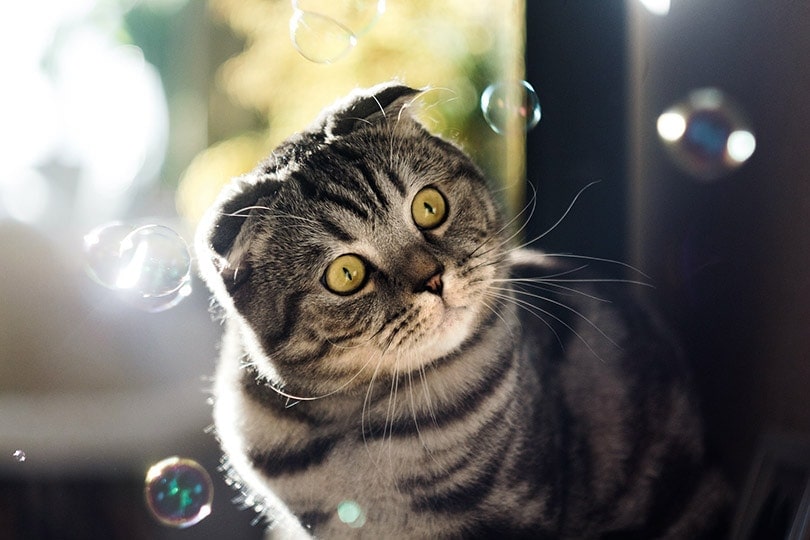
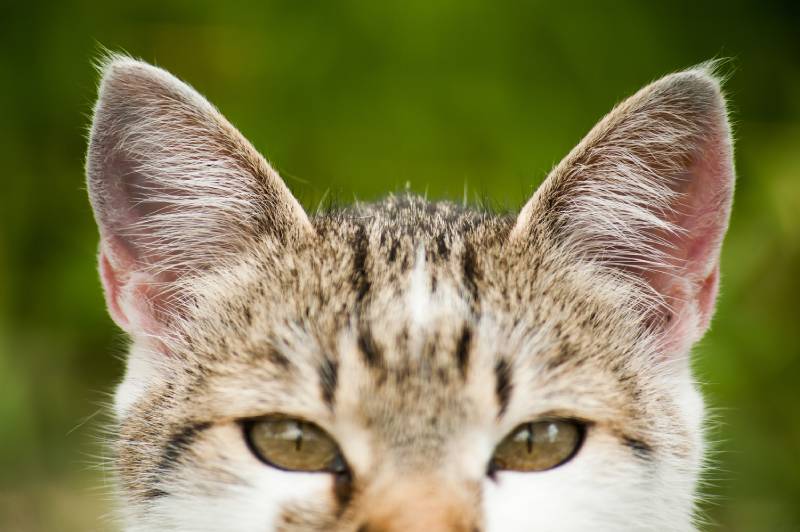
It is common to see dogs with floppy ears, but most of us are used to seeing our feline friends’ ears stand straight up. Unless (like Taylor Swift) you share your home with a unique breed like the Scottish Fold!
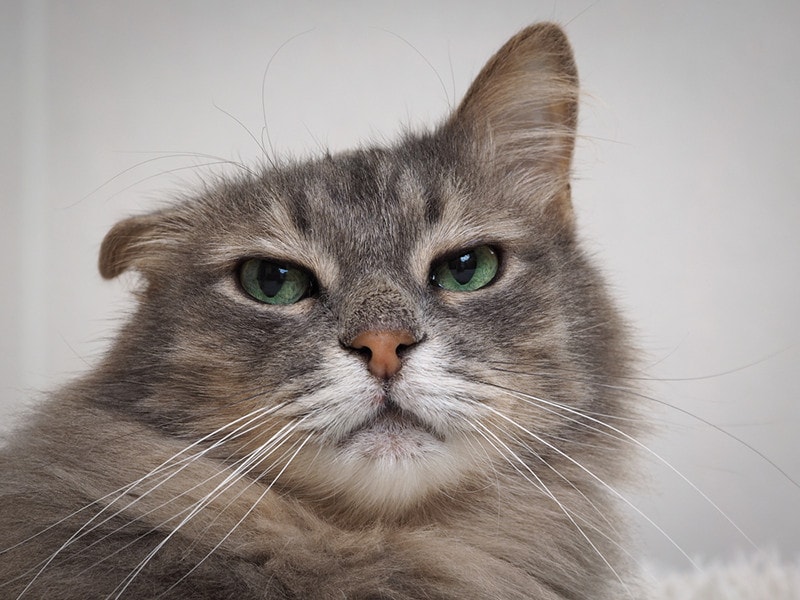
You may be alarmed if one or both of your cat’s ears suddenly start drooping, but fortunately, in many cases, droopy ears will go back to their normal appearance once the underlying problem is identified and resolved.
This article will discuss the most common causes of ear drooping in cats, other signs associated with ear issues, and how droopy ears are treated.

What Signs Are Associated With Drooping Cat Ears?
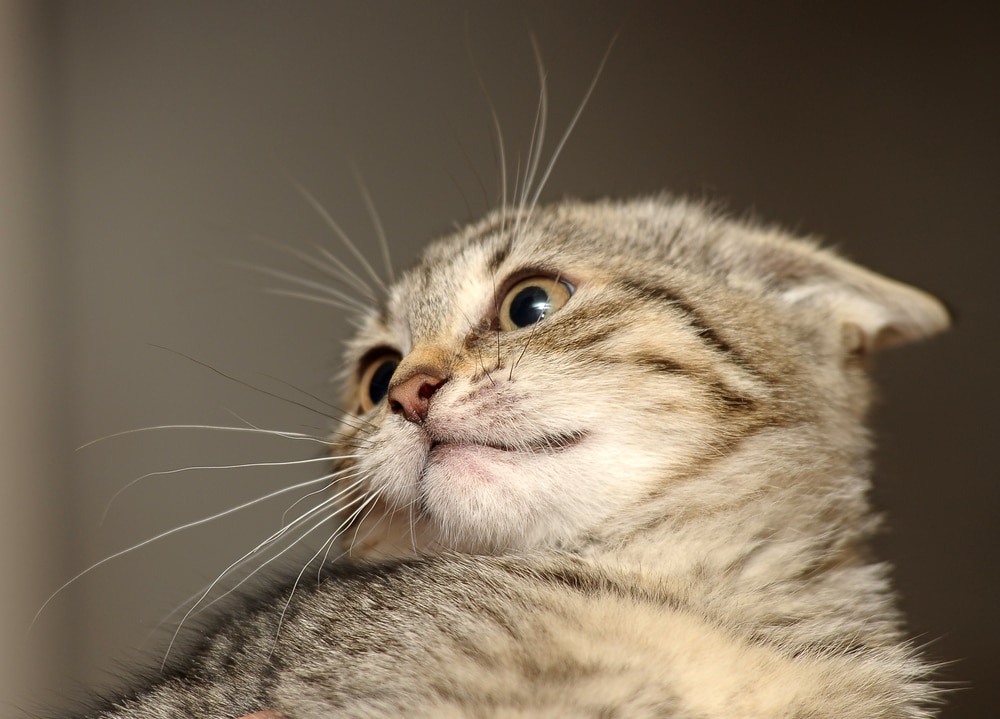
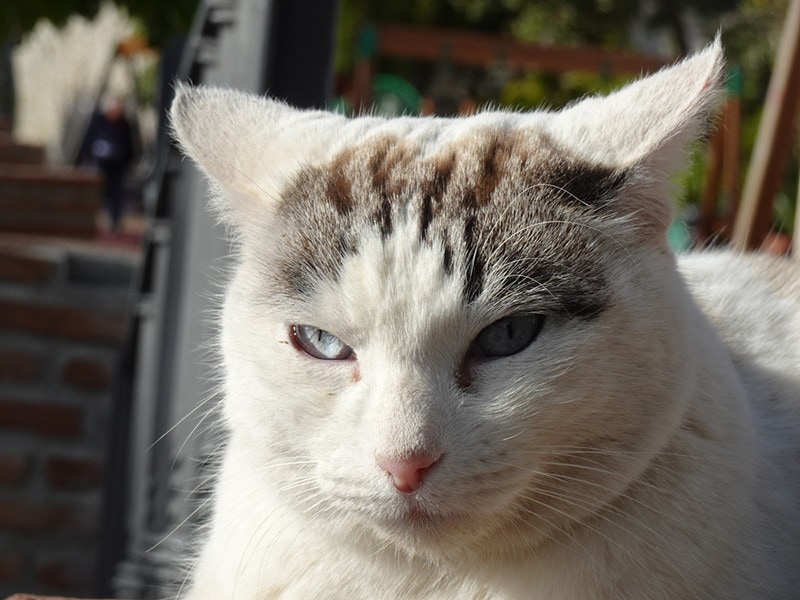
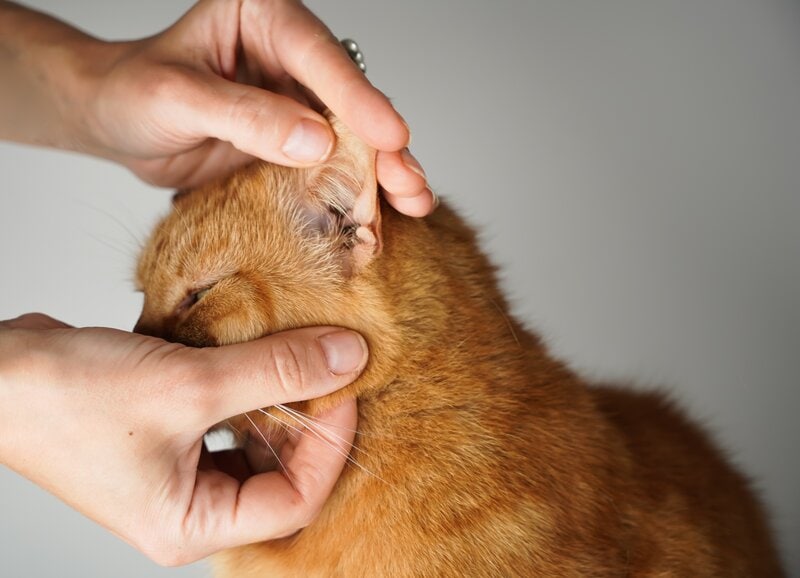
You are likely to notice right away if one (or both) of your kitty’s ears start looking droopy. Your cat may simply be holding their ears in a lowered position, which usually indicates they are bothering them. Ears can also look droopy if the pinna (the part of the ear on the outside of your kitty’s head) becomes swollen.
Additionally, you may notice the following:
What Are the Causes of Droopy Ears in Cats?
Some of the most common causes of droopy ears in cats include:
It is important to note that it is not the droopy ear itself that is necessarily concerning. Rather, droopy ears tend to indicate an underlying problem that needs to be addressed.
How Do I Care for a Cat With Droopy Ears?
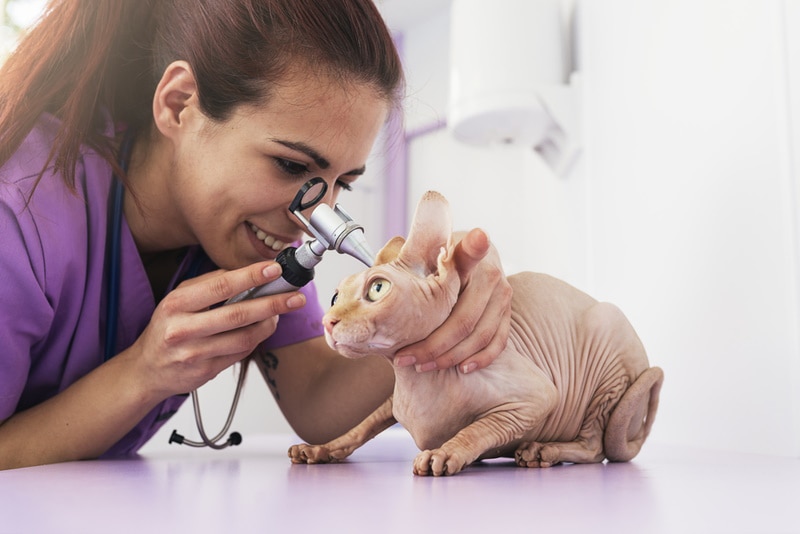
If you notice that your kitty has droopy ears, the first thing you need to do is visit your veterinarian to figure out why. It is best to schedule an appointment sooner rather than later because, if your cat is bothered by their ears, they may scratch or shake their head and cause more damage (like an aural hematoma).
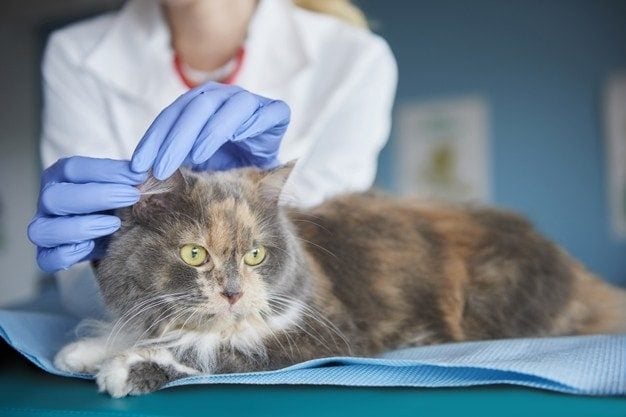
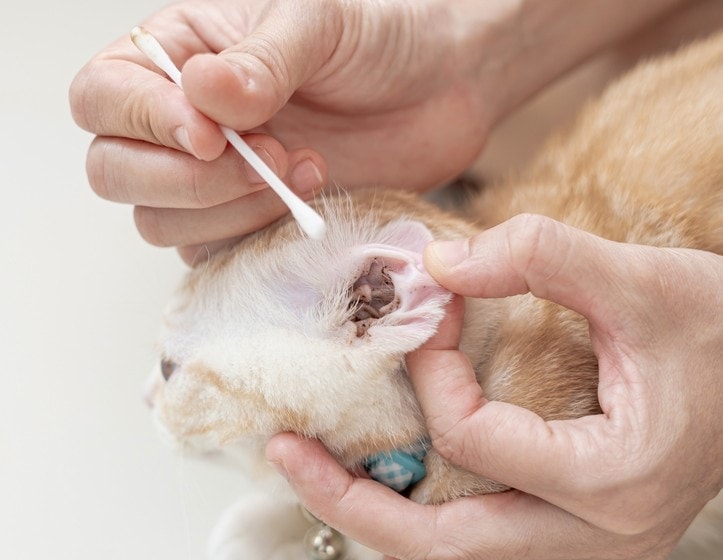
Your vet will look inside your cat’s ears with an otoscope. If they are suspicious of an infection, they will use a cotton-tipped swab to collect a sample of any material in the ear canal. This sample can be examined under a microscope to determine whether the infection is due to bacteria, yeast, or a combination of both.
If your cat has a bacterial ear infection, the veterinarian may recommend collecting an additional sample with a sterile swab for culture and sensitivity testing. This involves growing the bacteria and testing them against different antibiotics to see which are likely most effective in treating the infection.
What Is the Treatment for a Cat With Droopy Ears?
The treatment for droopy ears will depend on the underlying cause of the drooping.
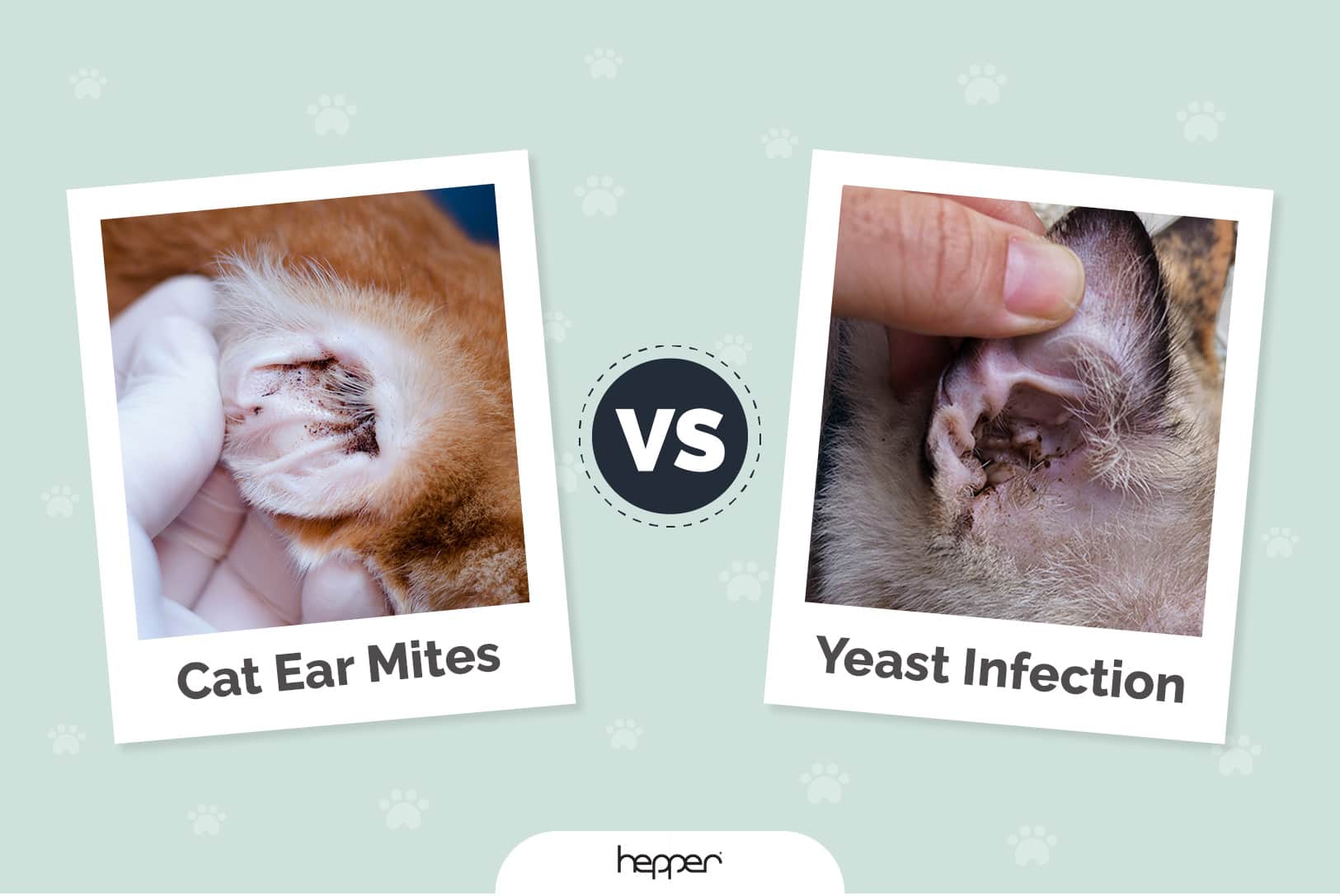
Ear mites
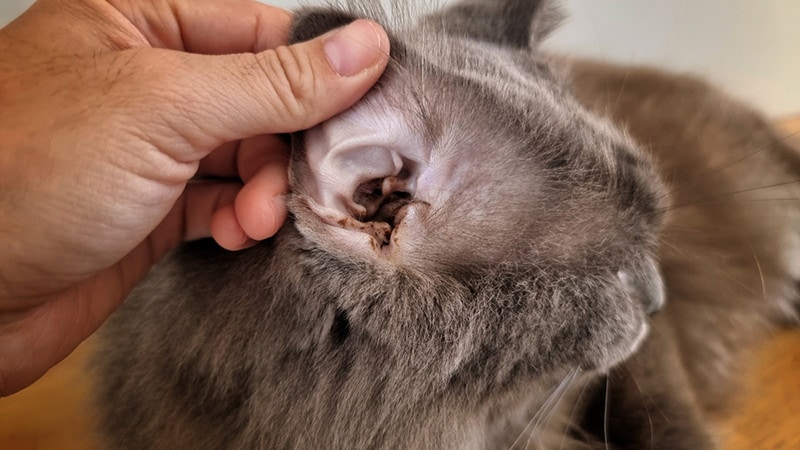
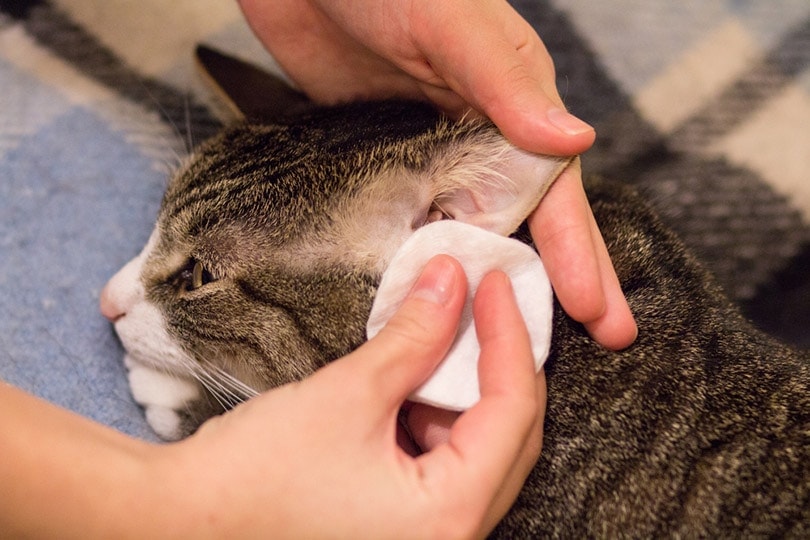
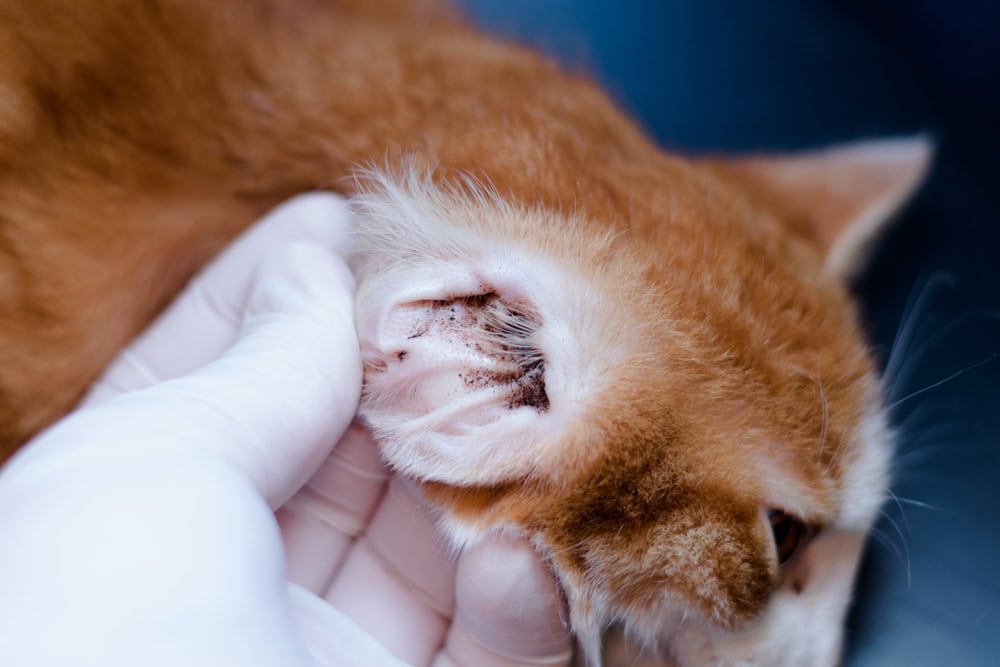
Ear mites are treated by cleaning the affected ears thoroughly, then using medication to kill the parasites. Some anti-parasitic treatments are placed directly into the ear canal, while others are applied to the skin and absorbed into the body. In most cases, treatment is repeated a few times to ensure all mites have been eliminated.
Otitis externa
Infections of the outer ear canal may be caused by bacteria, yeast, or a combination of both. Your veterinarian will use diagnostic tests to identify the culprit and determine the most appropriate treatment. Most commonly, medicated ointment is administered directly into the affected ear canal. In some cases, additional medication may be given by mouth or injection.
Your vet will likely ask you to bring your kitty back for a recheck examination to ensure the infection has cleared up completely before stopping treatment. If your cat keeps getting ear infections, ask your veterinarian if they might have allergies. Food and environmental allergies can contribute to chronic inflammation of the ears, which creates a favorable growing environment for bacteria and yeast.
Aural hematoma
Aural hematomas occur when blood vessels in the pinna become damaged, allowing blood to leak out into the tissue (which causes swelling). They are usually the result of trauma from fighting with another cat, aggressive head shaking, or scratching at the ear.
Treatment typically involves surgery. An incision is made in the swelling to allow the blood to drain out of the pinna. Then, sutures are added to prevent blood from building up again while the ear heals.
Frequently Asked Questions
Will My Cat’s Droopy Ears Go Away on Their Own?
It is unlikely that your cat’s droopy ears will resolve on their own, so the best thing to do is seek veterinary treatment. Please do not attempt any home remedy or put anything into your cat’s ears without consulting a veterinarian!
What Will Happen if My Cat’s Droopy Ears Are Not Treated?
Left untreated, the conditions we have mentioned will cause your cat discomfort. They can also lead to scarring and hearing loss (which may be permanent).
Will My Cat’s Ears Stop Drooping After Treatment?
In the case of ear mites and otitis externa, your cat’s ears should return to normal once the underlying problem has been treated and their ears are no longer bothering them.
If your kitty had an aural hematoma, they will likely have some scarring of the pinna after surgery, and the affected ear(s) may always look a little different.

Final Thoughts
If you notice that one or both of your cat’s ears (s) suddenly look droopy, please schedule an appointment with your veterinarian immediately. Droopy ears are usually signs of an underlying problem, which must be identified correctly and treated promptly.
Fortunately, most causes of ear drooping are relatively straightforward to treat and should have a good outcome if addressed immediately.
While it may not be possible to prevent all cases of droopy ears in cats, there are some things you can do to help reduce your kitty’s risk of ear problems:
- Keep them indoors to prevent traumatic injuries (e.g., due to fighting)
- If your cat does go outdoors, ask your veterinarian to recommend a parasite prevention program to reduce their risk of contracting ear mites, fleas, and ticks
- If you bring a new kitten or cat into your home, have them examined by a veterinarian before introducing them to your current fur babies to make sure they aren’t bringing any unwanted guests with them (e.g., ear mites)
Sources
Featured Image Credit: Irina Kozorog, Shutterstock
Get Hepper In Your Inbox


Pet care tips from our vets and experts, straight to your inbox.
You may opt-out at any time. View our Privacy Policy for more information.
Dr. Sharon (as she is known by her clients) has had an intense love for animals for as long as she can remember. She grew up in Guelph, Ontario and fulfilled her childhood dream by obtaining her Doctor of Veterinary Medicine (DVM) degree from the Ontario Veterinary College in 2009. She has since found joy working in a variety of small animal clinics, focusing on cat and dog care. She loves sharing her expertise and empowering pet owners to take the best possible care of their fur babies!
Sharon currently lives in beautiful British Columbia with her husband, daughter, and Parker, her loveable Great Dane. When she’s not at work, she enjoys clogging, photography, and exploring the outdoors with her family.
Dr. Sharon (as her clients call her), was raised in Guelph, Ontario, and has loved animals for as long as she can remember. She fulfilled her childhood dream when she obtained her Doctor of Veterinary Medicine (DVM) degree. Sharon now lives in British Columbia, Canada with her husband, daughter, and Parker, their loveable Great Dane. When she’s not working, she enjoys clogging, photography, hiking, and camping with her family.
Education
Dr. Sharon obtained her DVM in 2009 from the Ontario Veterinary College in Ontario, Canada.
Experience
Dr. Sharon loves sharing her knowledge and empowering people to take the best possible care of their fur babies, which she has been able to do through her work. She has practiced in a variety of small animal clinics since graduating, with a main focus on cats and dogs.
Check out some of our top posts written by our veterinary team:
Why Does My Dog Snore? Should I Act?
My Cat Ate Paint! Our Vet Explains What to Do Now
How Common is Heartworm in Cats? 7 Things to Know About Heartworm Disease
Join the conversation
Ask a question, share your story, or send private feedback.