Hepper is reader-supported. When you buy via links on our site, we may earn an affiliate commission at no cost to you. Learn more.
What Smells Do Rabbits Hate? 7 Common Scents


In this article
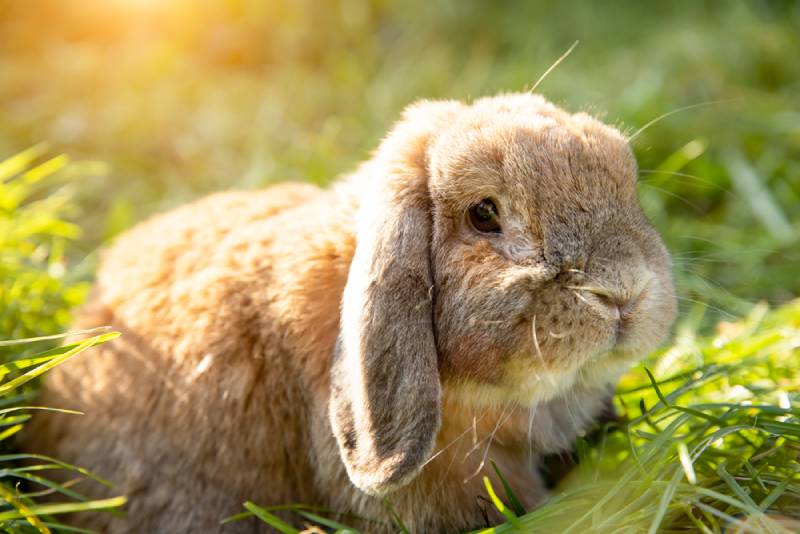
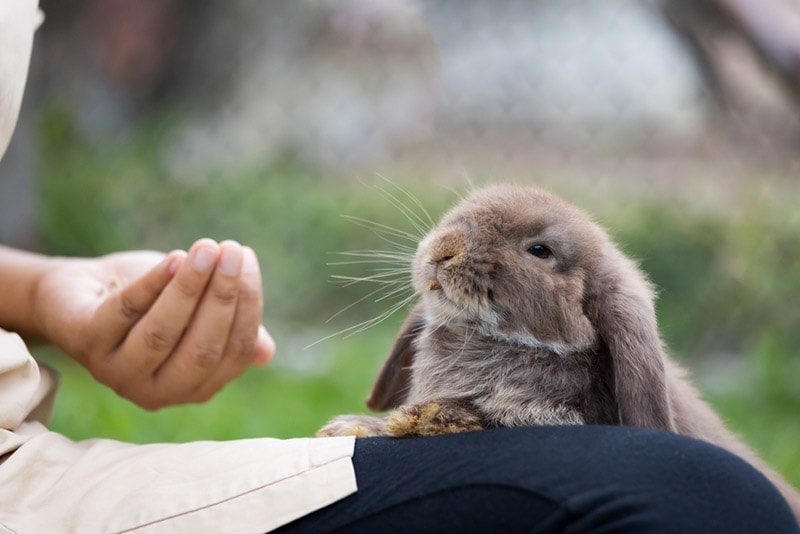
Rabbits, as a prey species, have excellent hearing and a good sense of smell, making them very aware of their surroundings. These animals typically have around 100 million scent receptors that make it possible to pick up a lot of scents. While their strong nose keeps them safe from predators, it can be a nuisance since they are easily irritated by strong scents.
You can use this strong sense of smell to try to deter wild rabbits from your garden. If you are interested in learning the scents and sustainable methods you can use to deter wild rabbits or which smells to avoid around your pet bunny, read on.

Will “Unpleasant” Scents Actually Deter Wild Rabbits? Truths and Myths
This is somewhat of a controversial topic from two perspectives. First is, rabbits are herbivores and they will eat constantly, munching away on various plants, grasses, flowers, leaves, and seedlings. Even though something may smell unpleasant to us, there is no available scientific evidence to confirm that it definitely will or won’t smell unpleasant to rabbits, or that if it actually smells unpleasant to them, that they still won’t eat it. So, although you could consider using some of these plants, hoping to keep the wild rabbits out of your garden, they may not prove very successful.
The second issue with suggesting usage of potentially unpleasant smells to deter wild rabbits is the moral and ethical grounds behind this method. Is this the right thing to do, as there are better and more appropriate ways to control the wild rabbits entering your garden? There are certainly more humane and successful ways to deter wild rabbits, for example, by putting up a secure fence. We will discuss these in detail as well.
The 7 Scents That Rabbits Might Dislike
1. Garlic
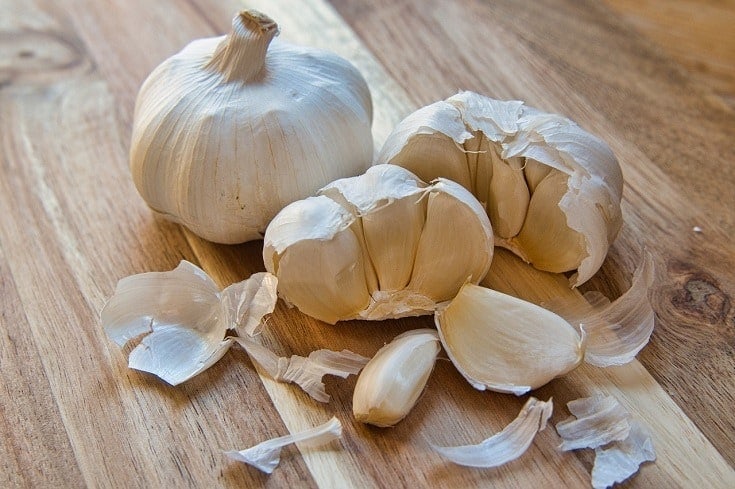
Garlic has a sharp, pungent smell that might irritate rabbits' scent receptors. But again, they might not be too fussed about the smell after all and some rabbits might actually end up eating it. Growing garlic in your garden may help deter rabbits. We just can’t say for sure.
You can also use a mixture of pre-made garlic spray by mixing crushed garlic water and sprinkling it around your garden. If you don't want to go through growing garlic in your garden or making the mixture, you can buy crushed garlic from the store or use rabbit repellent with infused garlic.
2. Vinegar

Like garlic, vinegar has a sharp smell that rabbits may hate, making it a possible deterrent. You can use vinegar by diluting it with water, putting it in a spray bottle, and spraying it in your garden and yard. Also, you can soak a few cotton balls and place them near crops that rabbits like to feed on, and this will help the smell last longer.
Vinegar also deters other critters in the garden, such as ants and termites. However, vinegar is also an herbicide, and it damages the foliage and people use it for getting rid of weeds, so it might damage your plants’ leaves as well.
3. Lavender
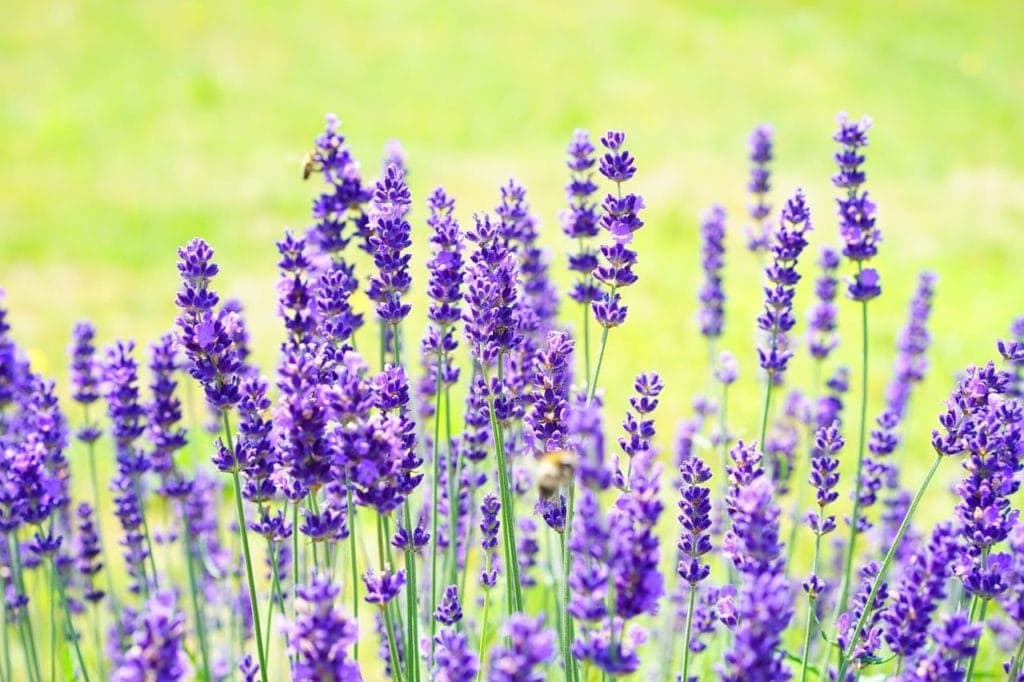
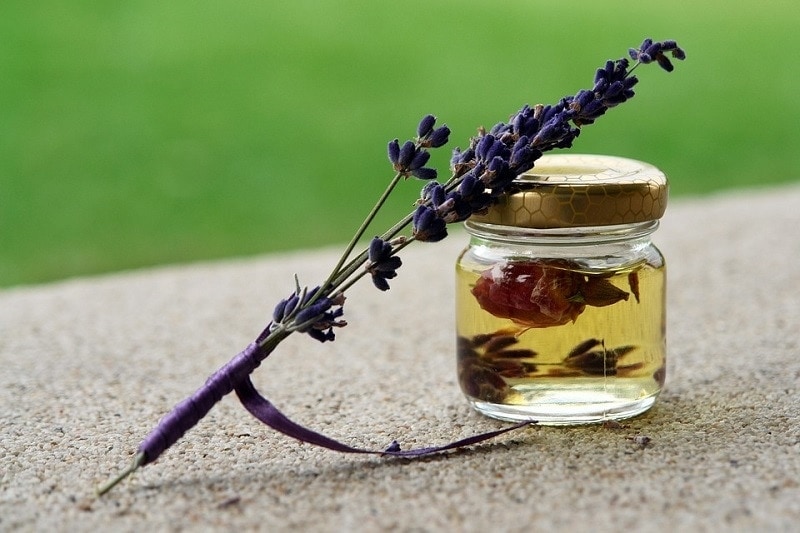
As much as we find the smell of lavender to be calm and soothing, rabbits are put off by it. You can plant lavender plants around your property to deter wild rabbits or use a strong lavender spray. Using lavender is a win-win since you'll enjoy the aroma while keeping rabbits out.
4. Chives

Chives have a strong smell that may irritate rabbits' sensitive scent cells, but wild rabbits still may eat it. Planting this herb in your garden could be a way to deter rabbits and other pests from your garden and yard, but we cannot say for sure, and it might have an opposite effect, with some rabbits eating it. You can also make a mixture using chives and water and spray it in your garden.
5. Chili

Chili powder irritates our sinuses, so imagine what it does to a rabbit's sensitive nose. It might irritate the inner membranes of a rabbit's nose, causing them to become inflamed and uncomfortable.
Sprinkling chili powder around your plants effectively keeps rabbits out and has no adverse effects on the plants. You can use the food-grade chili powder at your local store and spread it twice weekly in your garden to keep the scent strong.
6. Predator Urine
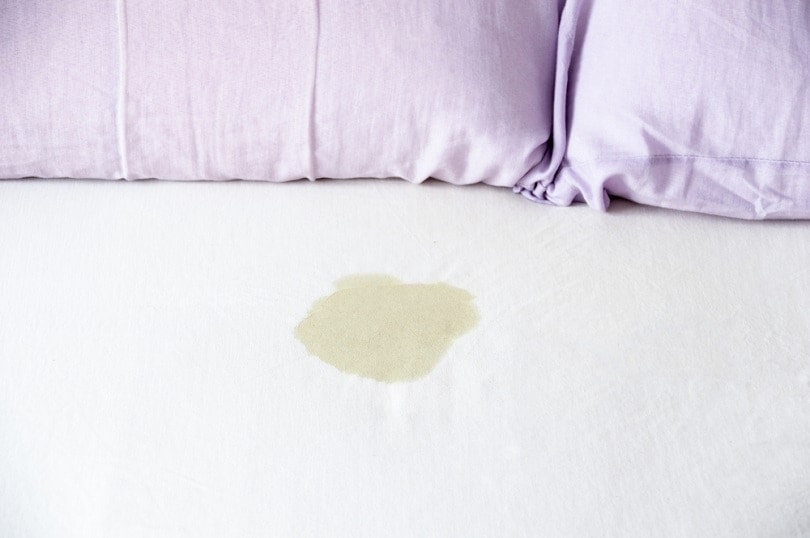
Predator urine is a great natural deterrent. Some predators that deter rabbits include coyotes, bobcats, and wolves, but also pets such as cats and dogs. You can use scents that replicate the smell of real urine or the scent of a predator, which you can get at your local garden supply store.
Spread these scents around the edges of your garden every week to repel rabbits and other rodents. However, if you have a pet rabbit and either a dog or a cat, make sure they are out of each other’s reach, as most rabbits, even with early socialization, will get stressed and scared with presence of a predator near their hutch, even that being your dog or cat.
7. Geranium
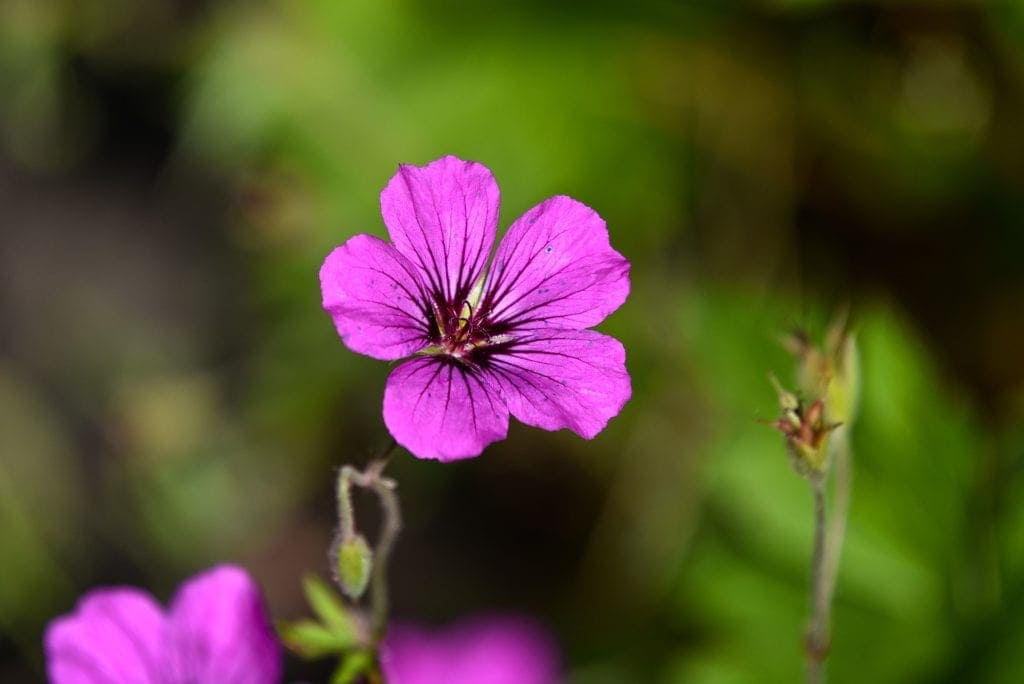
Geranium leaves have a subtle citrus smell that rabbits dislike. Growing hardy geraniums in a radius around your garden to repel rabbits. This solution is a win-win since you will enjoy the strong citrus smell and can use the bloom and foliage from geranium to flavor drinks and cakes.
Other Common Smells That Rabbits May Dislike
Rabbits may also dislike the smell of many other plants, according to some professional gardeners, some of which include anise hyssop, bee balm, begonia, black-eyed susan, catmint, and oregano. Some of these reports are from experiences reported by the gardening community rather than scientific research. Perfumes and air fresheners also have a strong scent, and should be avoided amongst our pet bunnies.

The 5 Sustainable Ways to Keep Rabbits Out of Your Garden
Protecting your garden might be challenging if you live in an area with rampant wild rabbit populations. Fortunately, there are other sustainable methods you can use to repel rabbits. They include:
1. A Rabbit Fence
Putting up a rabbit fence around your garden is an efficient, safe, humane, and long-term method of keeping rabbits from damaging your garden plants. To build a durable fence, consider using heavy-duty steel mesh around 4 feet high with the bottom buried at least 4 inches in the ground to prevent rabbits from tunneling under it to get inside. As a bonus, this method will keep out deer and other animals that can damage your garden plants.
2. Remove Potential Hiding Places
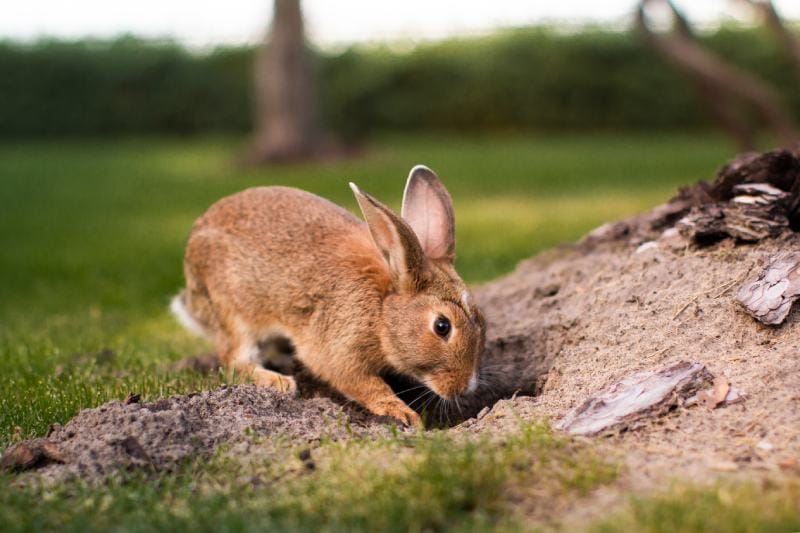
Rabbits love hiding in holes and thick grass and shrubs. You can discourage them from coming to your garden and yard by clearing weed patches and checking any burrows you come across. But be gentle; rabbits may be living there already and may have kits.
3. Create Disturbances
Rabbits are highly skittish and often react to unwanted noises and disturbances by running away. Since they are creatures of habit, you can deter them by creating harmless disturbances that interfere with their habits. For example, blinking/ flashing lights on a timer, noise-making ornaments, and wind chimes will do the trick.
4. Avoid Growing Food That Rabbits Eat
If you grow plants that rabbits like to eat, they will return again and again until they have eaten all your crops or until you harvest. Removing temptation from your garden can deter rabbits since they are opportunistic feeders. But in all reality, rabbits may still eat the plants that are generally believed to be unpleasant or deterring to them.
Wild rabbits, however, don’t usually eat root vegetables or fruits. Their diet is based on grass, green leaves, flowers, clovers, and seedlings. However, they do enjoy chickweed, daisies, dandelions, nettles, roses, marigolds, sunflowers, kale, romaine lettuce, bok choy, carrot tops, basil, and broccoli greens. Instead, you can plant crops they might like less, such as garlic and lavender, rather than having plants they are known to enjoy most.
Rabbits may eat almost anything when they are hungry or when vegetation is sparse. You cannot rely on this method solely as a way to keep wild rabbits out of your garden, and you should certainly avoid using toxic plants as a method of controlling their population. Instead, you must pair it with another method, like adding a rabbit fence or applying repellents to the crops.
5. Surround Young Trees and Shrubs With a Net
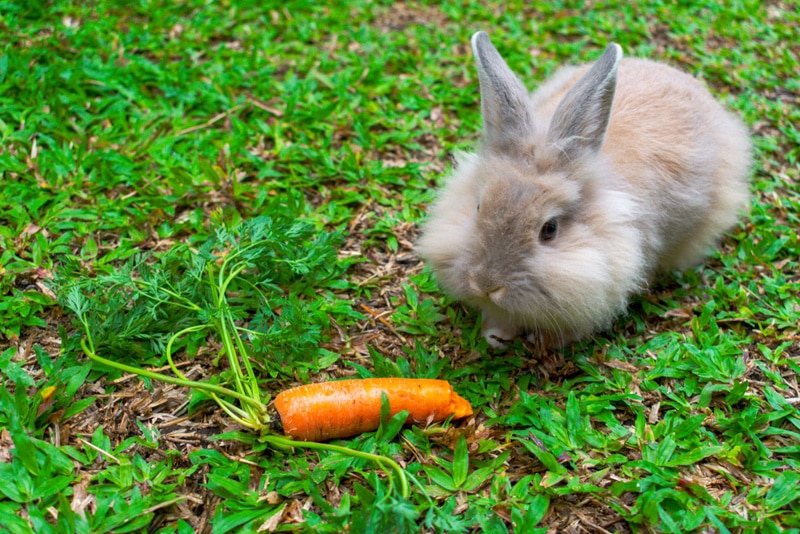
Rabbits are notorious for eating the leaves and bark of young trees, especially when other food sources are low in the winter months, which can stunt their growth. To prevent this, protect the young trees by covering them with netting. Ensure you stick the net into the ground to prevent rabbits from getting in and also to prevent it from being blown away by the wind.
Conclusion
The primary problem with having wild rabbits in your garden is that they will eat some of the vegetation there. Wild rabbits typically live in groups and share the rabbit hole or burrow, and you rarely find just one in your garden, so it's only a matter of time until they leave their mark on your garden. What's more, rabbits breed rapidly—a mature female rabbit can produce several litters in a year, with an average of five kits, but up to as many as 12-14 kits per litter. These numbers can easily get out of control.
When controlling rabbits on your land, ensure you obey the animal welfare laws in your state and use sustainable and humanitarian methods. The goal should be protecting your garden without causing any harm to the rabbits. The prevention methods in this article are sustainable and will work without causing any harm to the rabbits, if used responsibly.
Sources
Featured Image Credit: A3pfamily, Shutterstock
Get Hepper In Your Inbox


Pet care tips from our vets and experts, straight to your inbox.
You may opt-out at any time. View our Privacy Policy for more information.
Nicole is a lover of animals of all sizes but is especially fascinated with the feline variety. She’s the proud mom of Baby, a Burmese, and works every day so he can relax in the sunshine or by the fire. She’s always had a cat in her home and has spent countless days with others, observing behaviors and softening up even the grouchiest of the lot. Nicole wants to share her kitty expertise with you so you and your cat can live happy, healthy, and care-free.
Join the conversation
Ask a question, share your story, or send private feedback.