Hepper is reader-supported. When you buy via links on our site, we may earn an affiliate commission at no cost to you. Learn more.
Why Do Rabbit Noses Twitch and Wiggle? Vet-Approved Facts


In this article
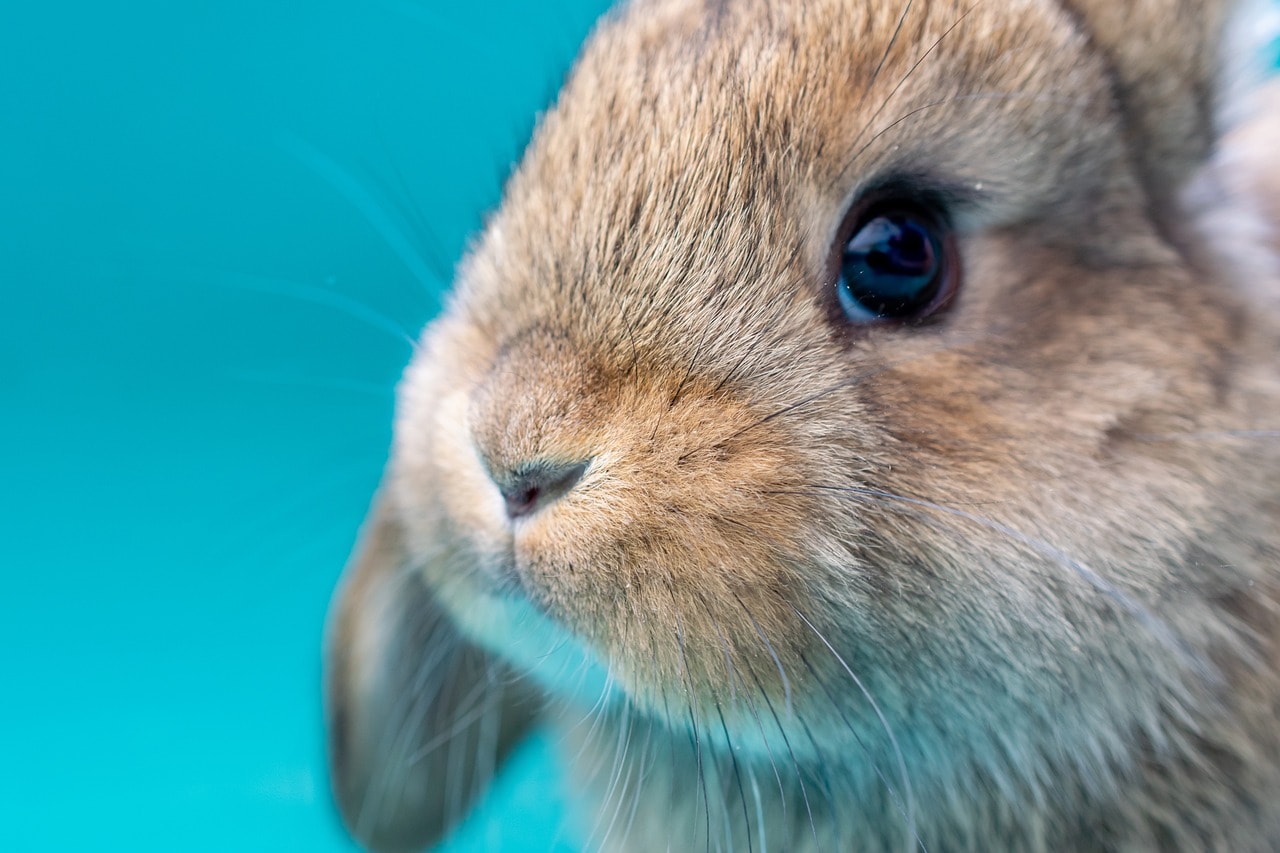
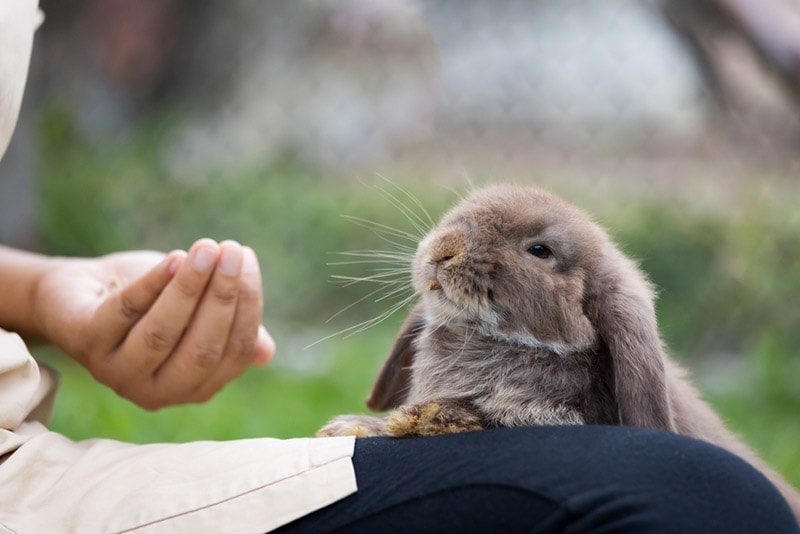
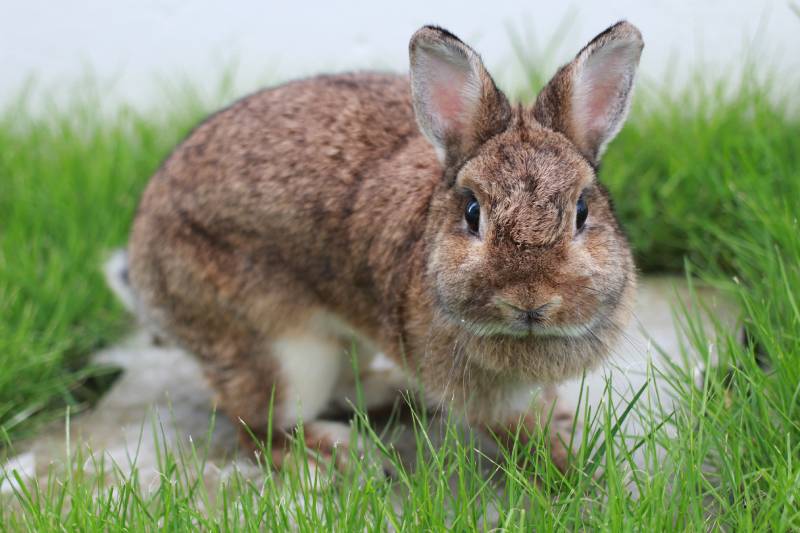
If you love rabbits and have some of your own, you know they're affectionate, lovable creatures. Rabbits also have some adorable habits, including chinning, hopping, and, of course, thumping. However, one of the most common rabbit habits is twitching and wiggling their nose. Wiggling and twitching help your rabbit use around 100 million smell receptors in their tiny nose more effectively. By wiggling and twitching, a rabbit can, for example, detect a predator, locate their baby, or find their way back to their hutch.
Are you interested in discovering how twitching and wiggling their noses help your favorite bunny live a better life? We have the facts for you below!

What Does Twitching and Wiggling Do to Improve a Rabbit’s Sense of Smell?
Both domestic and wild rabbits twitch their noses frequently in response to almost everything and everyone they encounter. While awake, most rabbits wiggle and twitch their noses nonstop. The olfactory receptor cells detect smells and send information to the rabbit’s brain.
Amazingly, a rabbit doesn’t need to twitch and wiggle their nose for the smell receptors to work, but by opening the rabbit’s nasal passages wider and allowing more air to flow past the smell receptors, they receive information faster. More air flowing through their nose means more information is sent to the rabbit’s brain about what’s around them, including food, family, and danger.
Also, by wiggling and twitching their cute little noses, a rabbit utilizes their delicate smell receptors. Rabbits wiggle their noses as often as 20 to 120 times per minute.1 This has two main functions: it helps to draw air in to fill their lungs and assists in differentiating between tiny traces of chemical molecules or pheromones to detect danger and identify friends or potential mates.
Why Can Rabbits Smell So Well?
A rabbit wouldn’t stand a chance in the wild without an incredibly efficient sense of smell. Their sense of smell is so essential that, when rabbits are born, although blind and deaf, they can already smell things, including their mother’s nipples.
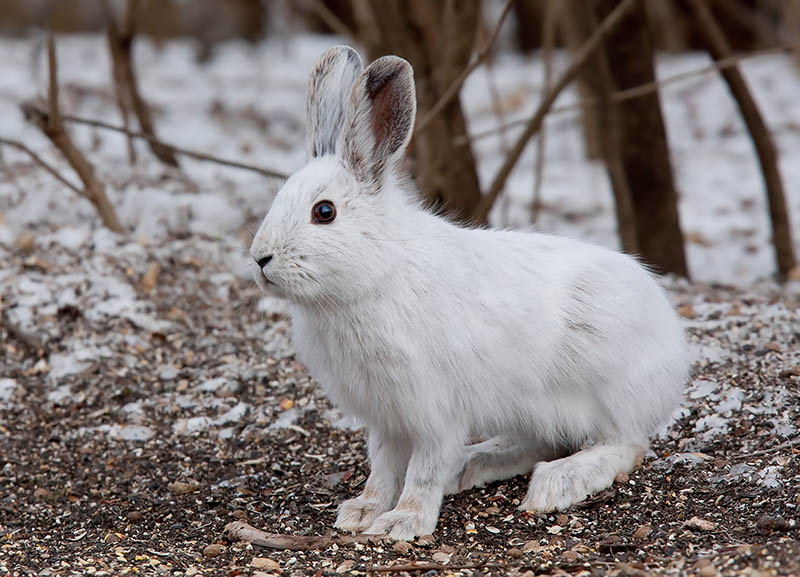
In the wild, rabbits are prey to dozens of predators, including foxes, birds of prey, wolves, coyotes, snakes, and more. Without being able to smell all of these predators, a rabbit wouldn’t live very long. Although pet bunnies are protected against predators in secure hutches, a crafty fox could attack the bunnies if the hutch is poorly designed.
How Can a Potent Sense of Smell Save a Rabbit’s Life?
Here are some of the ways a rabbit’s wiggly nose helps them survive.

Do Rabbits Wiggle Their Noses When They’re Happy?
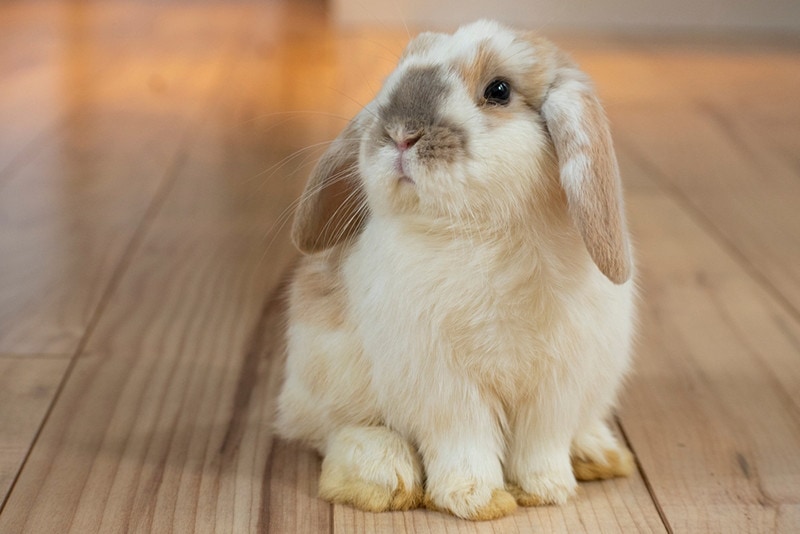
Happy and content rabbits should be constantly twitching and wiggling their noses, but the exact reason this happens remains unknown. As we’ve seen, rabbits twitch and wiggle their noses non-stop throughout the day, though somewhat less when they are fully relaxed. Whatever they’re doing, rabbits are always trying to smell as much as possible.
If you’ve just arrived home and your rabbit’s happy, their nose will wiggle and twitch to take in more of your scent and ensure you’re their owner and not a stranger.
On the other hand, a lack of nose twitching could be a sign that your rabbit isn’t feeling well. They might be stressed, worried, or ill. If something has stressed your rabbit out, such as noise or the presence of another animal, make sure you get your rabbit to safety and remove the stressor. If they don’t start behaving more like themself, this will warrant a trip to the vet.
Do Rabbits Twitch Their Noses When They Sleep?
When rabbits sleep, their brains require less information about their environment, which means less smelling and, in turn, less twitching and wiggling of their noses. Pet rabbits may twitch their noses less often than wild rabbits, but no studies have been conducted to confirm this assumption.
Rabbits are light sleepers, and they usually nap, rather than have long or deep periods of sleep. They are most active at dawn and dusk and sleep for as many as 8 hours per day. However, because they are prey animals and always on the lookout for danger, they wake up very easily from the slightest noise or disturbance. Wild rabbits will occasionally wiggle their noses during the night just in case a predator comes too close. That way, the rabbit can protect themself and their kittens.
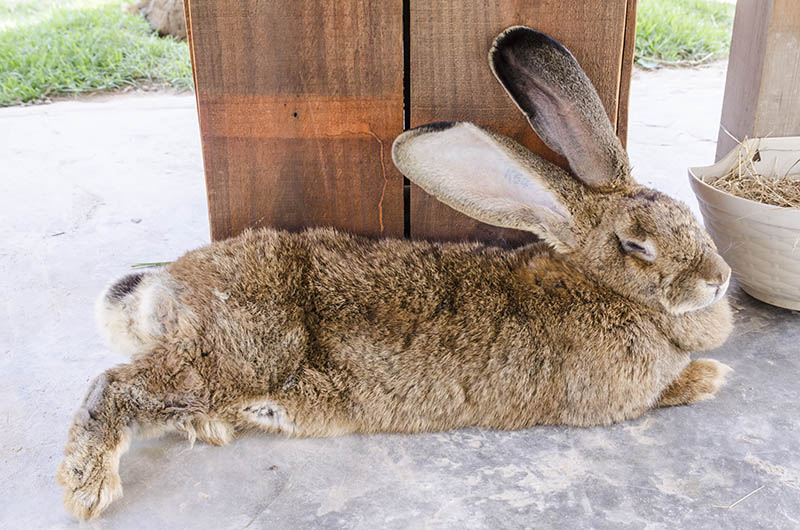
Does the Speed of the Nose Twitching Matter?
Nose twitching can vary in speed, from relatively slow and almost unnoticeable to very fast and noticeable. The difference between the two types depends on how your bunny feels and their current perceived danger level. For example, if your bunny is relaxed and happy, they will twitch their nose slowly. On the other hand, a stressed-out, anxious, or scared rabbit may twitch their nose much faster or sometimes not wiggle it at all.
Rabbits twitch faster when anxious to get more information from their powerful sense of smell and make a fight-or-flight decision. A relaxed rabbit that feels safe will slow down their twitching because they need less information and feel safe.
Final Thoughts
We now know that rabbits twitch and wiggle their noses to pick up more information through the smell receptors in their nose. They have 100 million of them, which gives them an almost superhuman sense of smell, especially in comparison to humans, with a measly 5 to 6 million.
Bunnies wiggle and twitch all the time, using their nose the way you use your eyes and ears and staying safe because of it. Rabbits will wiggle more or less rapidly based on certain circumstances. In most cases, however, they mainly want to get more information about their environment and potential dangers that could be lurking around the corner.
See also:
Sources
Featured Image Credit: CART00N, Shutterstock
Get Hepper In Your Inbox


Pet care tips from our vets and experts, straight to your inbox.
You may opt-out at any time. View our Privacy Policy for more information.
Greg Iacono is a self-taught writer and former chiropractor who, ironically, retired early due to back problems. He spends his time writing scintillating content on a wide variety of subjects. Greg is also an accomplished video script writer known for his ability to take a complex subject and make it accessible for the layperson.
Join the conversation
Ask a question, share your story, or send private feedback.