Hepper is reader-supported. When you buy via links on our site, we may earn an affiliate commission at no cost to you. Learn more.
What Were Samoyeds Bred for? Breed History Explained
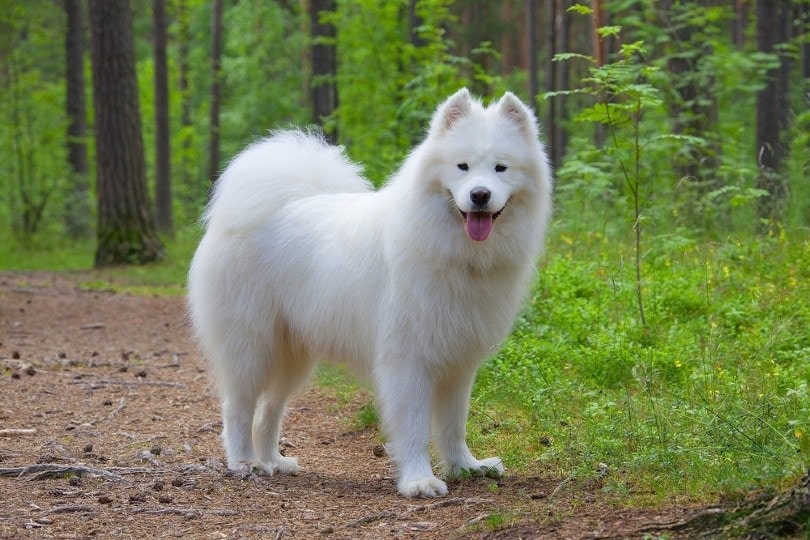
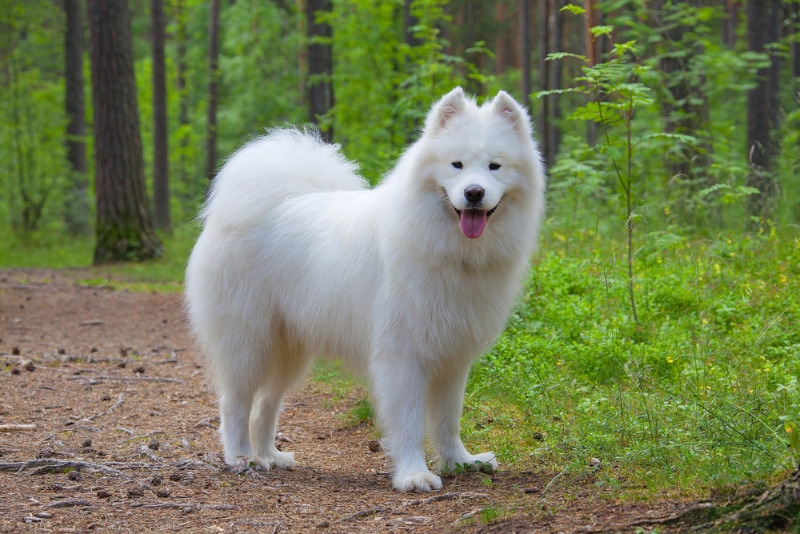
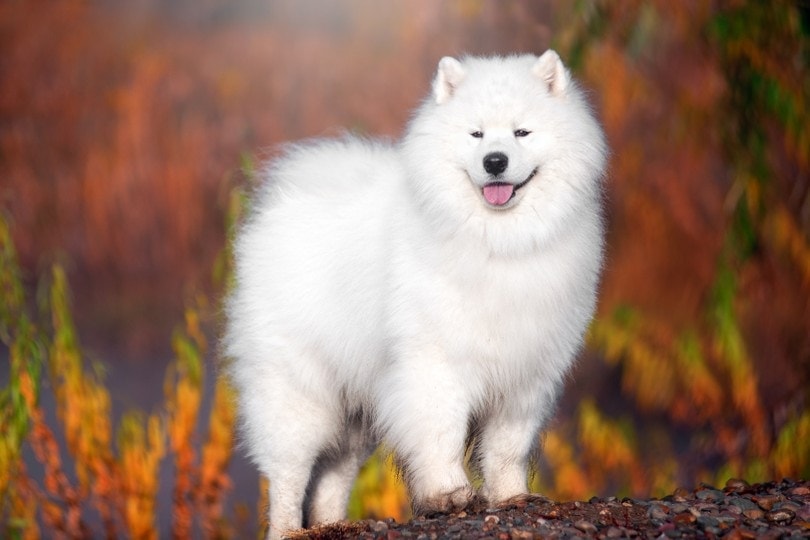
The Samoyed dog has a long history that dates back thousands of years. It’s one of only 14 breeds with close ties to the ancient wolf, and although the Samoyed retains some of its ancient traits, its friendly temperament contrasts its oldest relative. Samoyeds were bred to hunt reindeer and other game but later learned to herd reindeer and protect their owners and herds from predators. They were fishers, hunters, watchdogs, and invaluable companions to the Samoyede people, who depended on them for warmth and food.

Samoyed History
1. Prehistory
With the discovery of a 33,000-year-old fossil in 2011, scientists used DNA analysis to determine the Samoyed was the closest living relative to the ancient beast. Also referred to as the Nenetsky tribe, the Samoyede people depended on the dog for thousands of years in one of the world’s coldest regions. The tribe lived in Northeast Siberia and initially used the dogs for hunting but soon recognized their skill with herding when the Samoyedes began keeping small groups of reindeer for sustenance.
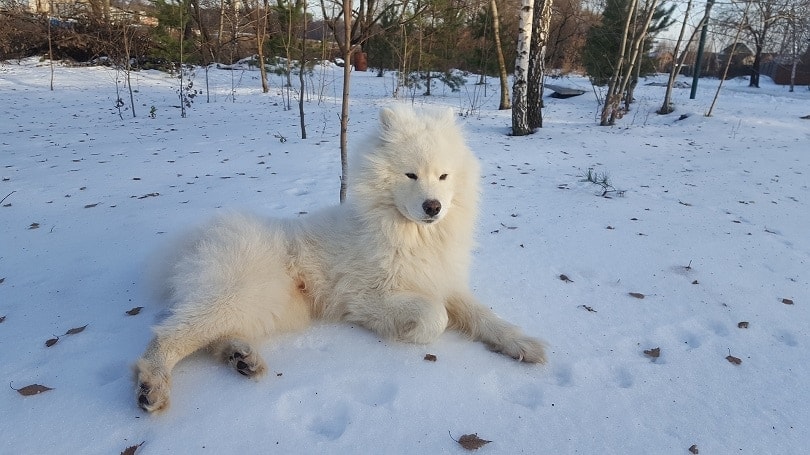
Samoyeds enjoyed a close bond with their keepers, and the versatile canine served many purposes apart from herding and hunting. Its long, thick fur was used to make clothes, and when the day ended, Samoyeds slept with the Samoyede children to keep them warm. The nomadic tribe did not allow aggressive dogs into their group because the animals they selected to work and hunt had to interact with humans and other herd animals every day. Few people knew the Samoyed existed outside of Russia until the late 19th century when it was introduced to other European countries.
2. The 19th Century
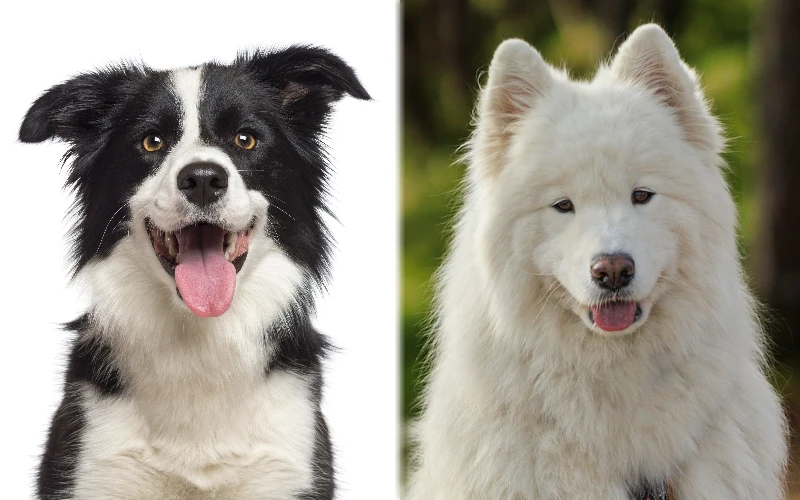
In 1863, Alexandra of Denmark married Prince Albert Edward. Alexandra and the future King Edward were both dog lovers, and they kept many breeds at their estate, including Samoyeds, Basset Hounds, Dachshunds, Collies, Fox Terriers, Pekingese, Pugs, and Japanese Spaniels.
Towards the end of the 1800s, Alexandra had a kennel built in Sandringham, Norfolk. According to a writer for Lady’s Realm magazine who later visited the queen’s estate, each kennel had a bedroom that featured a straw mattress and fresh water. After receiving a Samoyed as a gift, Alexandra fell madly in love with the dog and promoted it as an excellent breed to the citizens of the United Kingdom. Some modern American and English Samoyeds can trace their lineage back to Queen Alexandra’s stock.
Although the royalty of the United Kingdom appreciated the breed because of its loyalty and friendliness, the Samoyed soon became a world-class hero to the Arctic and Antarctic explorers. Compared to oxen, horses, and mules, Samoyeds could endure the Arctic better with their thick coats and required less food to travel great distances.
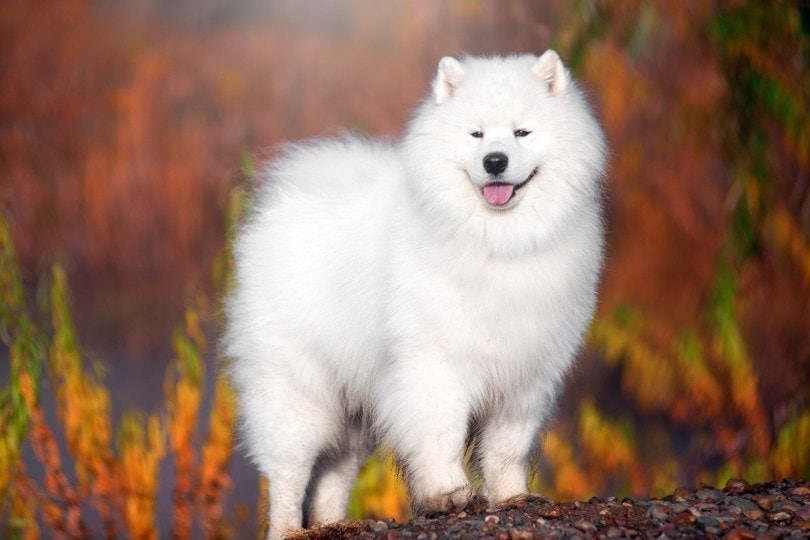
In 1889, a member of the Royal Zoological Society, Kilbourn Scott, introduced the breed to England and gave it the name Samoyed. After Farningham Kennels was established for breeding Samoyeds, explorers like Carsten Borchgrevink used the famous kennel to supply sled dogs for upcoming expeditions.
In 1893, the explorer Fridtjof Nansen used a pack of Samoyeds to lead his expedition to the North Pole. Nansen was one of the first explorers to use the dogs to pull sleds, and his team even used Samoyeds to haul small boats. The dogs impressed the exploration team because of their strength, hardiness, and endurance on the lengthy trip. However, the group did not pack enough supplies for the journey, and only a few dogs survived the failed expedition.
In 1899, Carsten Borchgrevink acquired a Samoyed named Antarctic Buck to lead an expedition to the South Pole. Although the trip was unsuccessful, Antarctic Buck was heralded as an invaluable contributor and enjoyed celebrity status when the dog retired from sledding in his new home in England in 1908.
3. The 20th Century
Some of this breed’s most significant accomplishments and fame occurred in the early 20th century. Using descendants of Antarctic Buck and other Samoyed’s from New Zealand, the famous explorer Sir Ernest Henry Shackleton embarked on the historic Nimrod expedition to conquer the South Pole from 1907-1909.
Shackelton’s valiant Samoyeds allowed the team to enter the farthest latitude south (88°S) that any human had ever reached. The sled dogs also helped the explorers become the first people to climb an active volcano in Antarctica.
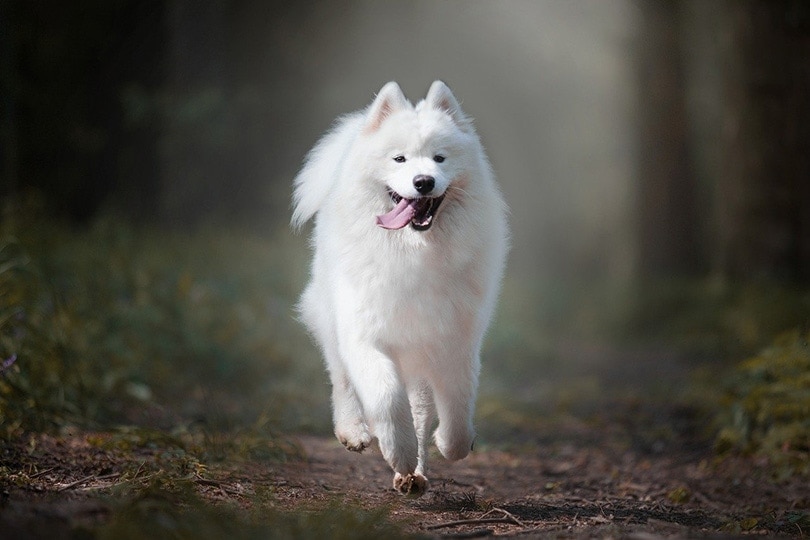
Shackleton never traveled to the South Pole, but a famous Samoyed named Etah and the explorer Roald Amundsen reached it in 1911. The Norwegian explorer had 52 Samoyeds on his team, and the expedition struggled with the frigid climate and hazardous terrain. Amundsen and his dogs traveled over 1,849 miles over 99 days to reach their destination. Only 12 Samoyeds survived the journey, but Etah was able to retire in luxury as the beloved pet of the Belgian Countess, the Princess de Montyglyon.
In 1906, Samoyeds were introduced to the United States and were soon recognized by the American Kennel Club (AKC) as an official breed. The breed was officially recognized in England in 1909 and Canada in 1924. Although the Samoyed Club of America was established in 1923, Samoyeds did not become a popular breed in the United States until after the Second World War.
4. Present Day
According to AKC’s list released on March 21, 2024, the Samoyed ranks 5oth in a field of 178 breeds in the United States. The dog has risen six spots since 2021, and its popularity continues to climb. The Samoyed is an ancient breed that has been bred for millennia, but the current supply does not meet the high demand for these dogs. They’re expensive animals that can cost $1,000 to $3,000 and up to $6,000 or more for champion lineages.
Conclusion
With a storied history of hunting, sledding, and loving their human companions, Samoyeds are working dogs that learned to live with and respect humans from their first caretakers, the Samoyede tribe. Few breeds have helped humanity conquer the farthest, coldest regions of the globe like the Samoyed, and even fewer working dogs display the same affection and loyalty as the famous Siberian sled dog. Whether you’re a polar explorer or European princess, the Samoyed makes an exceptional pet and best friend.
Featured Image Credit: Nik Tsvetkov, Shutterstock
Get Hepper In Your Inbox


Pet care tips from our vets and experts, straight to your inbox.
You may opt-out at any time. View our Privacy Policy for more information.

Nicole is a lover of animals of all sizes but is especially fascinated with the feline variety. She’s the proud mom of Baby, a Burmese, and works every day so he can relax in the sunshine or by the fire. She’s always had a cat in her home and has spent countless days with others, observing behaviors and softening up even the grouchiest of the lot. Nicole wants to share her kitty expertise with you so you and your cat can live happy, healthy, and care-free.
Join the conversation
Ask a question, share your story, or send private feedback.