Hepper is reader-supported. When you buy via links on our site, we may earn an affiliate commission at no cost to you. Learn more.
When Can a Dog Climb Stairs After ACL Surgery? Vet Approved Facts & FAQ


In this article
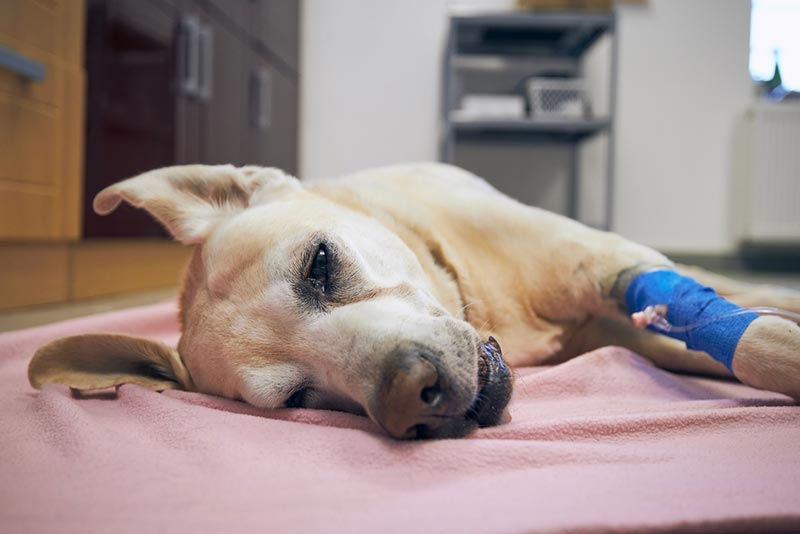
It can take a significant amount of time for dogs to heal from ACL surgery. The months following ACL surgery are a crucial recovery period for dogs, and they require a lot of attention to ensure they’re getting the right amount of exercise without overexerting themselves. While your dog’s recovery speed will depend on the level of the injury, you can generally expect dogs to independently walk up and down stairs about 8 weeks after the surgery, though their surgeon will give you specific exercise restrictions and time periods, depending on your individual dog. Here’s what you can expect to encounter as your dog recovers from ACL surgery.

Care Immediately After Surgery
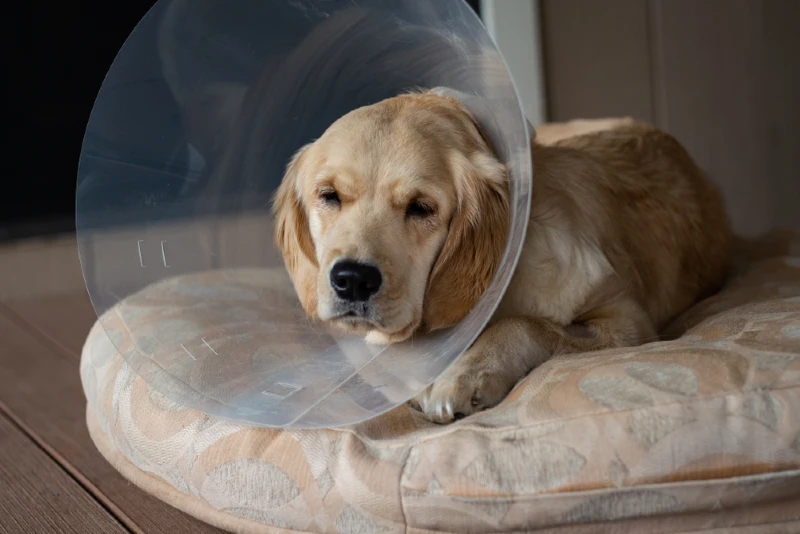
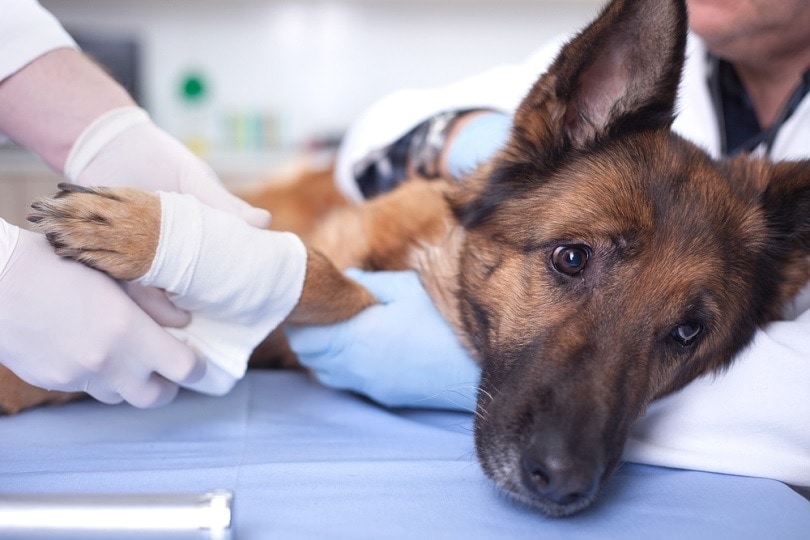
Once your dog comes home, they’ll have to be on a strict resting period for about the first 1–2 weeks. This means that they should only be let out for bathroom breaks, and they shouldn’t be climbing stairs or jumping on furniture.
If your dog sleeps near you at nighttime, you can assist your dog up and down the stairs by using a towel sling, and smaller dogs can be carried. Make sure that your dog doesn’t use the stairs unsupervised. It’s helpful to set up gates to prevent your dog from accessing the stairs.
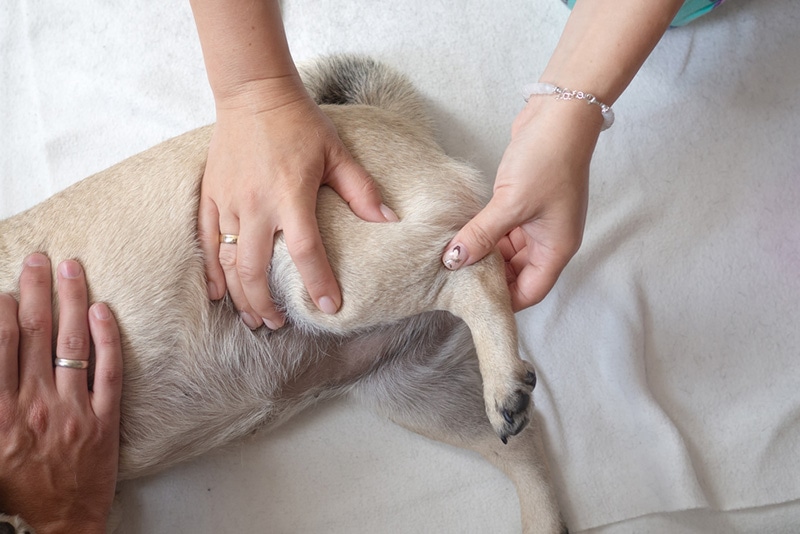
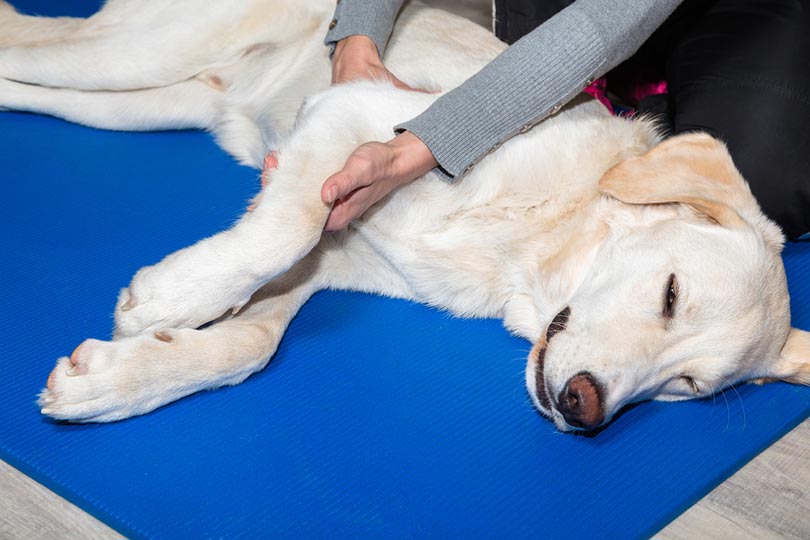
With the ok of their surgeon, you can often start mild physical therapy with your dog a few days after surgery. You can help your dog with passive range of motion (PROM) exercises, which help to build up your dog’s range of motion slowly. PROM sessions can be done about 2–3 times a day. It’s important to stick to a comfortable range of motion. Be sure you have the green light from their veterinary surgeon, prior to commencing. And stop the exercises if your dog seems uncomfortable.
If your dog experiences swollen joints or joint pain, you can use cold compresses wrapped in a tea towel to alleviate some of the pain. Cold compresses can be used for up to 10 minutes at a time, but should not be cold enough to cause damage to soft tissues, and should be removed for short intervals throughout that time to check that the underlying skin is not becoming too cold.
Increasing Range of Motion
Your dog’s surgery stitches are usually able to be removed in about 2 weeks after surgery. Once the incision has healed, you can gradually start to increase the lengths of your walks. Start with 5-minute walks and increase the walks by 5 minutes every week. Walks should be taken at a slow pace, and your dog should be leashed at all times. Avoid areas with small animals like rabbits and squirrels to prevent your dog from lunging.
You should continue PROM exercises every day, and you can also start to incorporate standing weight-bearing exercises about 3–4 weeks after surgery. By the time your dog is at week 5 of recovery, they should be able to go on 25-minute walks. You can also start to take your dog to areas that have a gentle incline to help your dog get used to walking with some resistance. Again, it is important to confirm these timelines and exercise regimes with your dog’s veterinarian before commencing.
Climbing Stairs
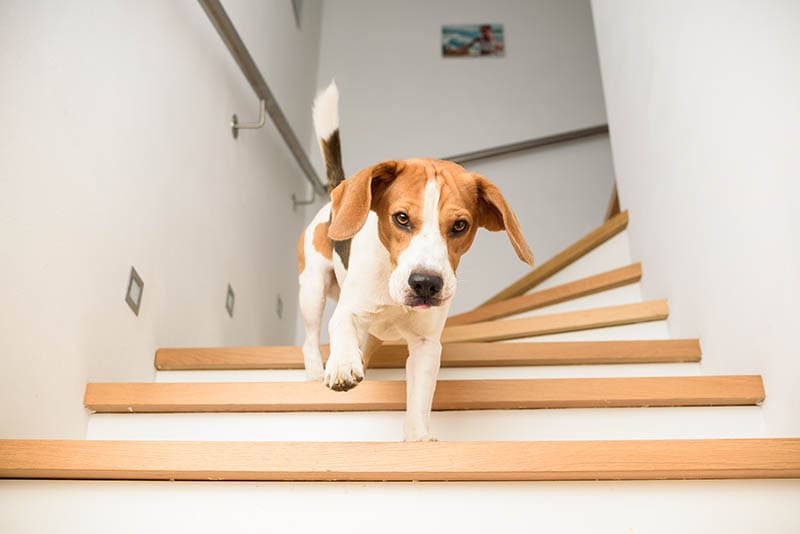
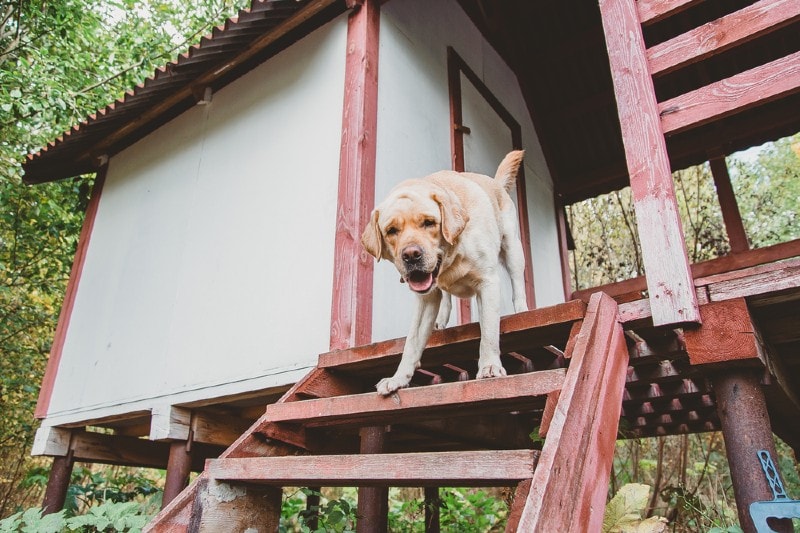
With proper physical training, dogs are usually able to start climbing stairs on their own at around 8 weeks after surgery. Make sure to supervise your dog when they start going up and down stairs. Don’t force your dog to use the stairs if they’re feeling hesitant. If your dog is resistant to walking on a full staircase, try having them walk up a smaller set of stairs.
It’s also not recommended for dogs to jump on taller furniture, like beds. You can purchase a bedside staircase specifically designed for dogs to help your dog get to higher places safely.

Final Thoughts
Recovering from ACL surgery can take about 4–5 months, and it requires a lot of physical training and gentle exercise in between. Most dogs can independently use staircases when they’re about 8–9 weeks out of surgery. If you notice any delays in recovery or signs of pain from your dog, make sure to consult your veterinarian. ACL recovery takes a lot of time and attention, and it is important to follow an appropriate treatment plan as laid out by their vet to encourage healthy healing and prevent further injuries.
Featured Image Credit: Przemek Iciak, Shutterstock
Get Hepper In Your Inbox


Pet care tips from our vets and experts, straight to your inbox.
You may opt-out at any time. View our Privacy Policy for more information.
Jessica is a freelance writer who spends most of her day reading and writing while her fluffy Cavapoo, Nora, naps beside her. She loves and appreciates pets and animals because there’s so much to learn from them, and they do so much for people. As a dog mom, she understands the special relationship that pet parents have with their pets. So, she loves sharing helpful information that people can use to better understand their pets. When she’s not writing, you can find her walking dogs, tending to her plant babies, or drinking her nth cup of coffee.
Join the conversation
Ask a question, share your story, or send private feedback.