Hepper is reader-supported. When you buy via links on our site, we may earn an affiliate commission at no cost to you. Learn more.
How to Massage a Dog with a Torn ACL: 5 Vet Approved Steps


In this article
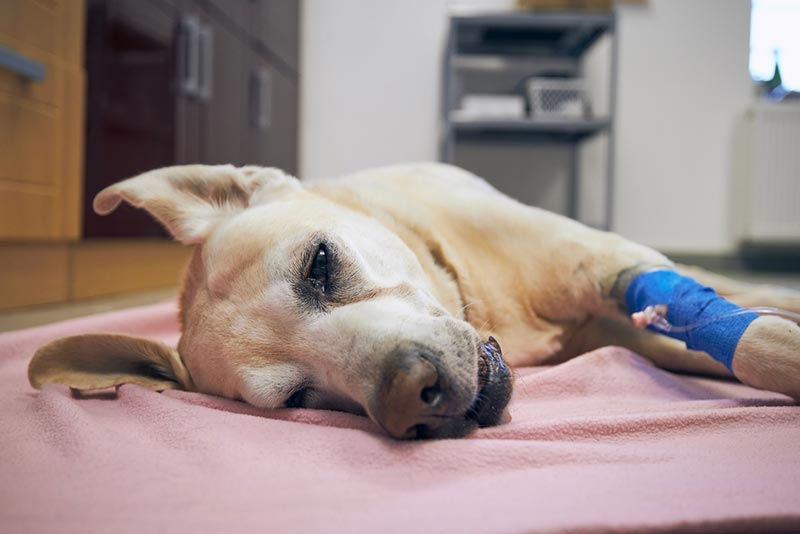
Just like humans, dogs have various ligaments, muscles, cartilage, and tendons surrounding their knee joints. When they get damaged in some way, usually from an injury or certain health problems, it can cause your dog extreme pain.
Usually, when we damage our knee's anterior cruciate ligament, we refer to it as a torn ACL. However, dogs do not have this ligament, but they can damage their cranial cruciate ligament (CCL). A dog's CCL has a similar function to a human ACL, so using the term “torn ACL” in dogs can help us understand how painful this condition can be.
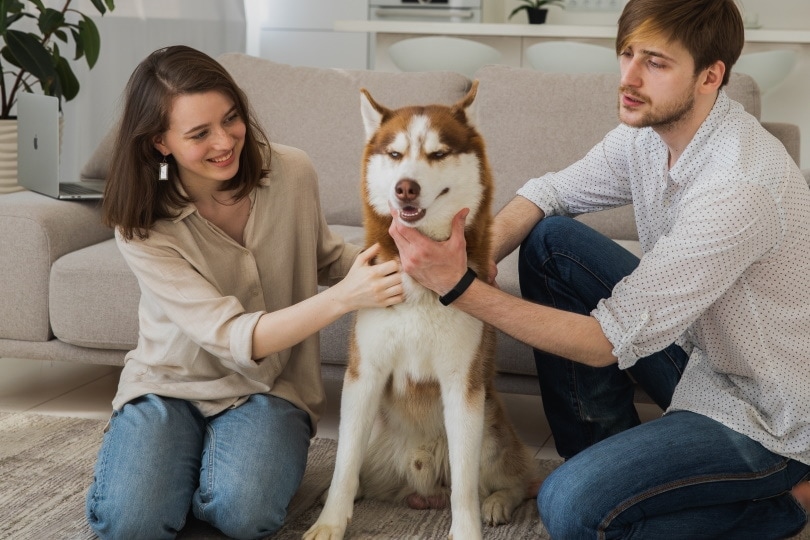
Alongside medical treatment, there are ways you can help your dog's torn ligament from home. Massaging the injured leg may be relieving for your dog’s pain while providing an opportunity to bond with your dog.

Signs Your Dog May Have a Torn CCL
Certain dogs may be more susceptible to CCL rupture or tear depending on their breed, existing health conditions, and weight. It is a painful condition that requires veterinarian treatment.
If you suspect your dog might have torn their CCL, here are some signs to look out for.
- Sudden limping.
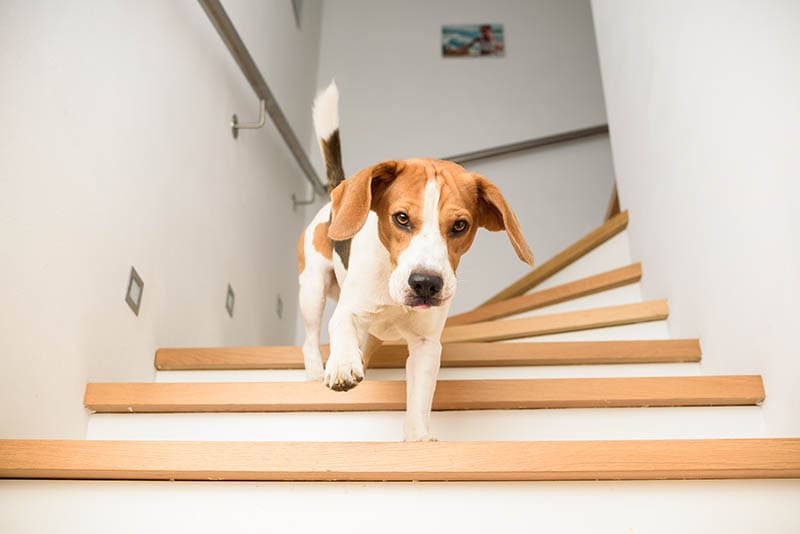
- Lameness in the affected hind leg.
- Difficulty putting pressure on the affected leg.
- Abnormal behavior due to pain (hiding, growling, mild aggression) when walking.
- Visible pain when the affected leg is moved or touched.
- Weakening of the thigh muscles on the affected leg.
- Swelling at the knee joint.
A veterinarian will first want to examine your dog to determine whether a damaged CCL is to blame for your dog’s sudden pain. Unfortunately, you cannot treat a severely damaged CCL without the help of a veterinarian, and it is unlikely to heal properly on its own. Surgery is often recommended to correct the most severe cases of ruptured or torn CCLs.
With proper treatment and pain relief as administered by your dog’s veterinarian, dogs can gain stability and movement back in the affected leg with time.
Before You Massage Your Dog
Your dog’s veterinarian might recommend you to a trained professional who can incorporate massages safely into your dog’s recovery. This will allow your dog to reap the full benefits of massage therapy whilst they are healing from a torn CCL under the hands of a trained professional.
If you do decide to massage your dog with your vet’s or dog’s physiotherapist’s guidance, it is important to understand that massaging is not a replacement for proper pain management and treatment for dogs with a torn CCL. You should avoid massaging your dog's CCL if it has been recently injured, your dog is in pain when moving it, or your dog has recently undergone surgery. There is always a risk that a dog in pain can bite you, no matter how good natured they normally are. Therefore, proceed with extreme caution, and if in doubt, don’t.
Benefits
You can do low-intensity massages to help your dog in the following ways:
- Help your dog gain mobility back into their leg
- Relax the surrounding muscles
- Promote relaxation in your dog
- Increase circulation
- May help to decrease pain
- Reduce swelling from fluid retention
Dogs who have injured their CCL may benefit from massage therapy before and after exercise to help alleviate minor aches and pains while helping to improve their knee's range of motion.

The 5 Steps You Can Use to Massage Your Dog with a Torn CCL
Here's how you can massage your dog with a torn CCL.
1. Get your dog comfortable.
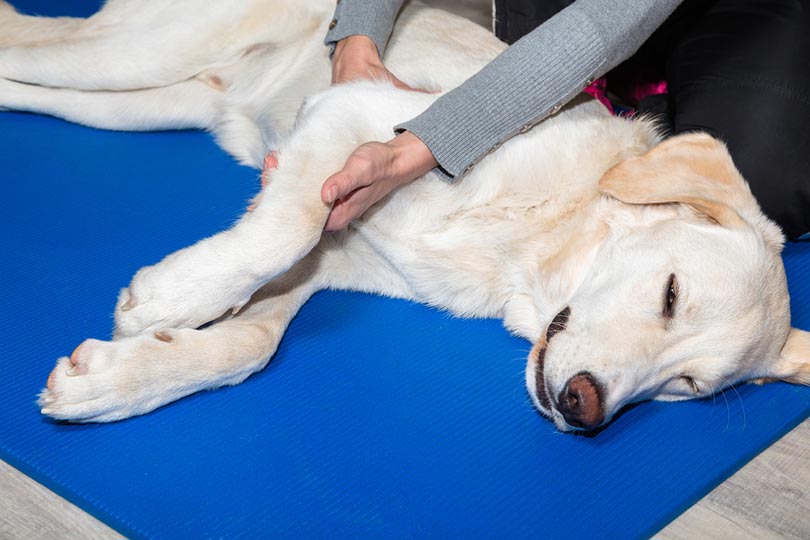
The first and most important step to massaging your dog is ensuring that they're comfortable. You don’t want your dog to be fearful or stressed during the massage. Nor do you want them to move around and resist your touch. Make sure that their surrounding environment is calm and that there are no disturbances that could make your dog feel anxious.
2. Use pain-relieving gels or massage oils.
Using dog-safe massage oils or pain-relieving gels from your veterinarian can make the massage process more effective. You can apply the oil or gel to your dog's affected leg to lubricate the area while you massage it. Your hands will be able to glide and massage your dog’s leg much easier. However, this won’t be useful if your dog has fur over the affected area, so skip this step, if so!
3. Focus on the entire body, and not just the affected area.
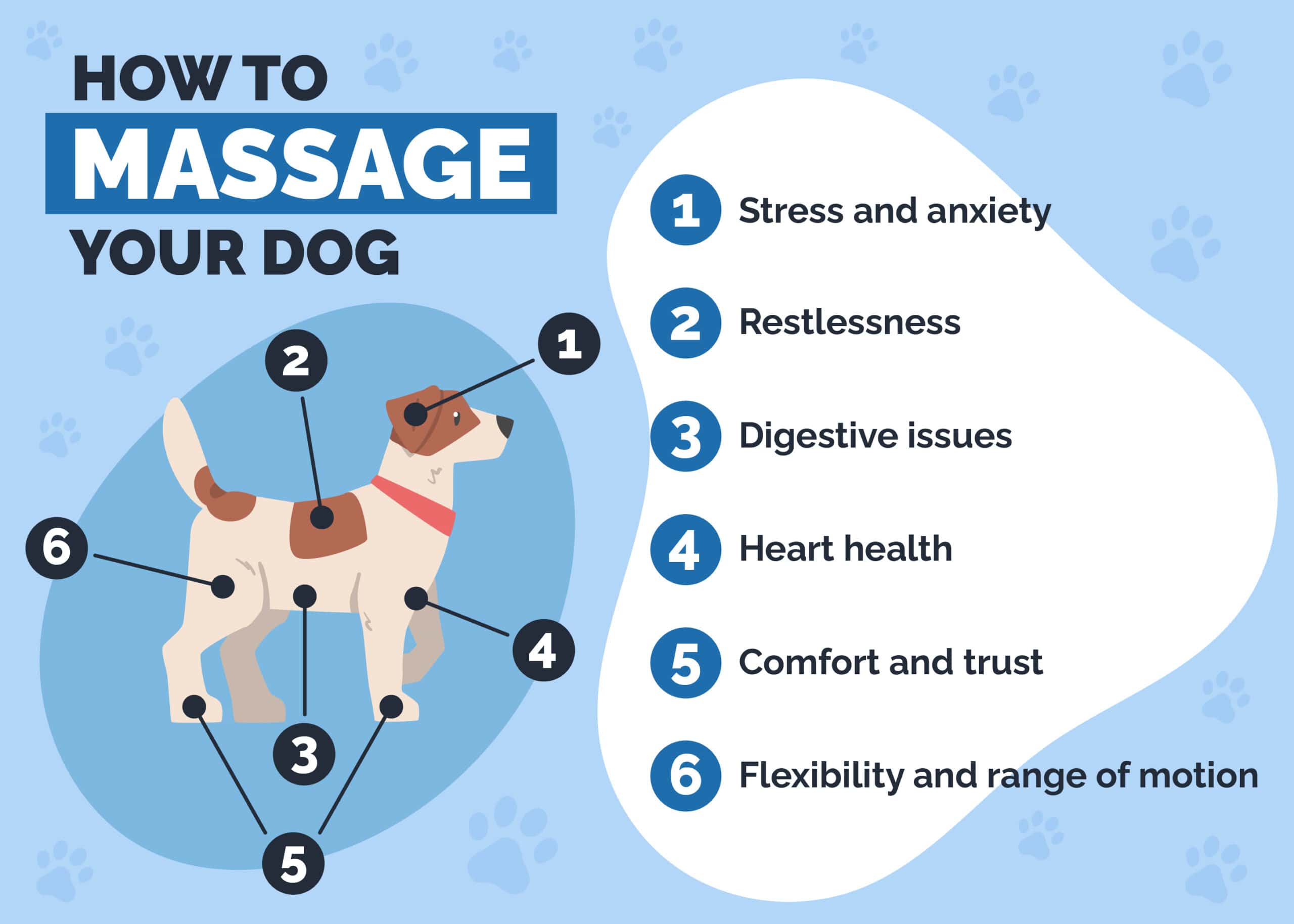
Once your dog is relaxed, start by massaging the base of their ear flaps. Your index finger should be on the outside and your thumb on the inside. Use your thumbs to gently massage their inner ear flap in small and slow circular motions.
Then, you can place your hands on either side of your dog’s head and use your thumbs to gently massage the top of their head in a circular motion. You can then move your thumbs down to the base of their neck and use your palms to stroke along your dog’s back and flank. Repeat these massaging motions for the next few minutes using gentle yet firm pressure. The motions should be slow and focused to keep your dog relaxed. If your dog shows signs of not liking the massage, respect this, and abort.
4. Include their legs and hips in the massage.
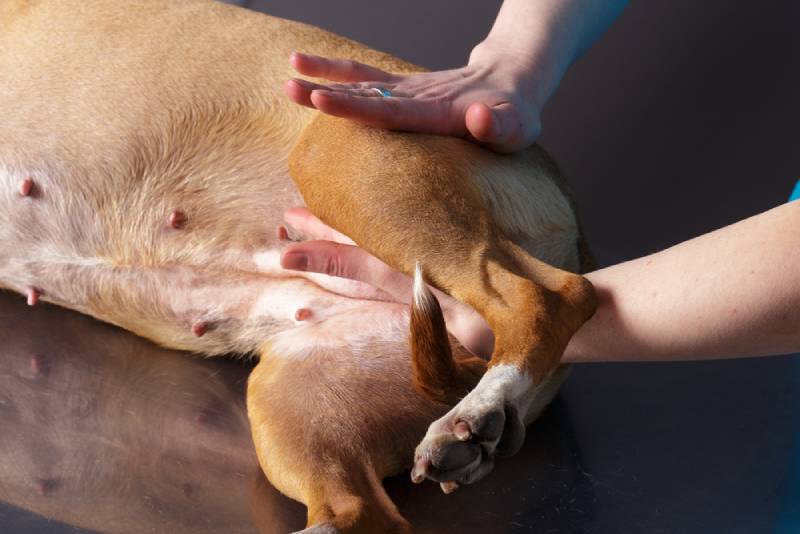
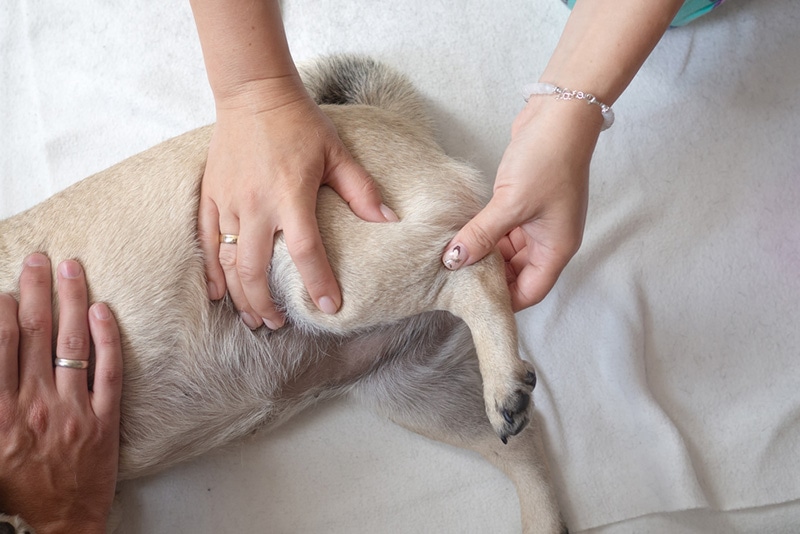
Once you have finished stroking along the sides of their back, you can move on your dog's affected leg. Stand behind your dog and continue massaging along their flank. Place your thumbs out along their back and your palms along their flank but curve your palms downwards over your dog’s pelvis and outer thighs. Repeat this motion a few times and monitor your dog’s response to your touch.
5. Massage the surrounding thigh muscles using a "C" motion.
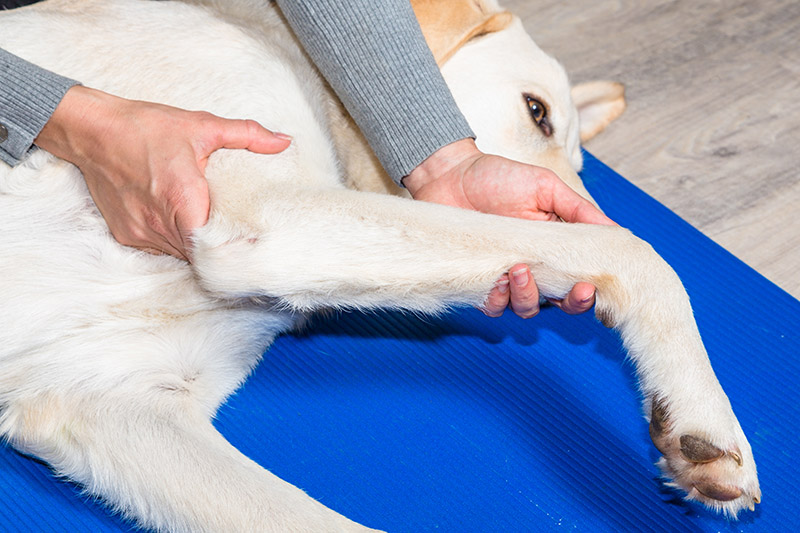
You don’t want to massage the knee itself, but rather the thigh muscles surrounding it. Their thighs or glute muscles could be stiff or sore following the injury, and a massage can help relax and increase the blood flow to that leg.
Work on the non-affected leg first to get your dog used to the massaging motion you will do on their affected leg afterward. Use gentle yet firm pressure and press both thumbs into their glute muscle. Begin moving your thumbs in a backward "C" motion. Your thumbs should create a slow and clockwise movement.
You can then repeat these motions on your dog's thigh, between the hip and knee joints. If your dog responds well to this massaging motion, apply it on their affected leg next. Start at the glute and work towards the inner and outer thigh.

Conclusion
Massaging your dog can be a great way to bond and help alleviate some of the discomfort and stiffness your dog could be feeling after their CCL injury has healed. Once you're done massaging their affected legs, you can finish off the massage by repeating the back and flank strokes. You only want to use slow and moderately firm pressure throughout the massage to avoid injuring your dog.
Sources
Featured Image Credit: Yekatseryna Netuk, Shutterstock
Get Hepper In Your Inbox


Pet care tips from our vets and experts, straight to your inbox.
You may opt-out at any time. View our Privacy Policy for more information.
Sarah is residing in South Africa with her partner and pets. She currently is interested in veterinary science and ichthyology, which she wants to study alongside her main passion: pet content writing. Sarah has over 60 fish including goldfish, tropicals, shrimp, and snails. She also keeps hamsters and a tarantula and wishes to provide quality content for readers and allow others to learn from her knowledge and experience. Sarah has much experience in all aspects of pet care, and providing the world with knowledge on ethical pet ownership is her lifelong dream.
Join the conversation
Ask a question, share your story, or send private feedback.