Hepper is reader-supported. When you buy via links on our site, we may earn an affiliate commission at no cost to you. Learn more.
Can a Dog Recover From a Torn ACL Without Surgery? (Vet Answer)

In this article
You have probably heard of human athletes tearing the anterior cruciate ligament (ACL) in their knee. Dogs also have this ligament, but veterinarians usually call it the cranial cruciate ligament (CCL).
Unlike in people, a torn ACL in a dog is rarely due to a traumatic injury. Rather, the ligament is thought to deteriorate over time until it becomes weak and finally breaks (especially in large breed dogs). ACL tears in small breed dogs are sometimes associated with chronic patellar luxation, a condition where the knee cap(s) move out of their normal position.
Dogs may present with a sudden limp in the affected hind leg, but changes were likely occurring in the joint for some time. This is important when we consider the best way to treat a dog’s torn ACL. The newest surgical techniques change the mechanics of how the knee works, rather than repairing the ligament itself (which is likely not healthy), or using a synthetic material to mimic its function.
It is possible for some dogs to recover without surgery, but most veterinarians agree that dogs whose ACL tears are repaired surgically have better outcomes.
For example, they may:

What Are the Options for Surgical Repair?
Historically, extra-capsular repair was the standard method of surgical repair for torn ACLs in dogs. Today, the options have expanded to include certain procedures, such as tibial plateau leveling osteotomy (TPLO), and tibial tuberosity advancement (TTA).
You can find a detailed explanation of each of these surgical procedures here1.
Extra-capsular repair is the least expensive procedure, but is generally reserved for small dogs. TPLO and TTA are considered superior to extra-capsular repair, especially for dogs weighing more than 45 pounds2, and dogs who are very active. These more specialized procedures are usually performed by a veterinary orthopedic surgeon, which makes them more expensive.
All three techniques should provide 85-95% improvement3 in lameness once your dog is fully recovered. None of them can completely prevent arthritis from developing in the affected knee, but they will slow its progression.
Your veterinarian or orthopedic surgeon will discuss the pros and cons of each procedure and help you make the best choice for your dog.
Post-Operative Recovery
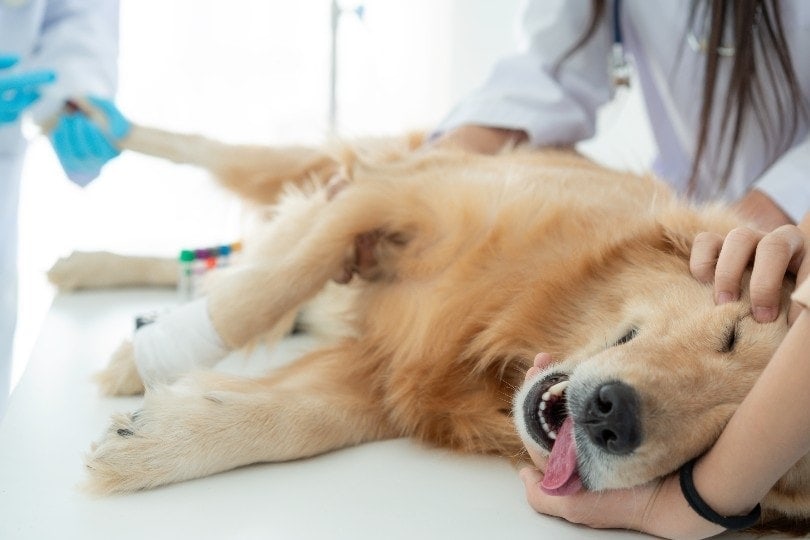
It is imperative that owners understand the importance of the recovery period after surgery. You must be prepared to confine your dog, and limit their activity for at least two to three months. While this can be challenging, especially for young active dogs, it is critical for proper healing.
If necessary, your veterinarian can provide some sedative medication to help your dog rest while they recover.
Is Surgery Always Needed?
Most veterinarians recommend surgery for torn ACLs whenever possible. However, it is not the perfect solution for every dog.
Factors affecting your decision may include:
Dr. Evelyn Orenbuch, a board-certified rehabilitation specialist, discusses non-surgical treatment (including knee braces) here4.
The Importance of Physical Rehabilitation
Rehabilitation is an important part of the recovery process for both surgical and non-surgical patients. It has many potential benefits and few risks when performed correctly.
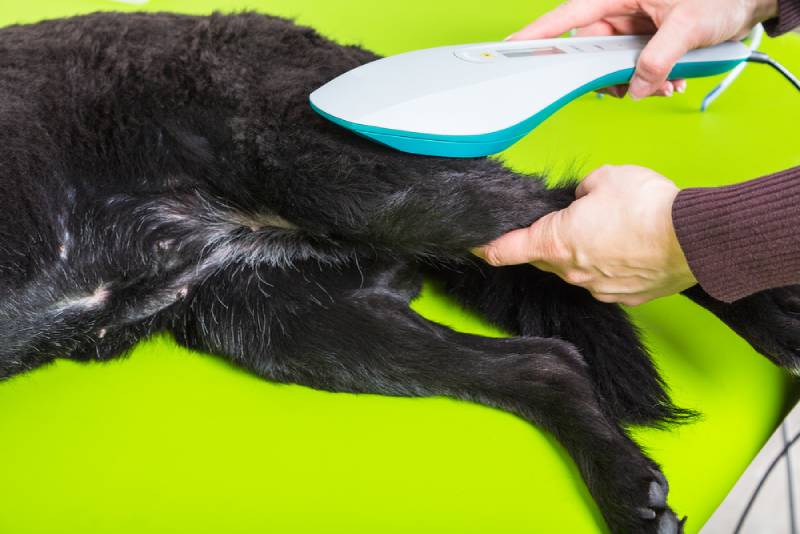
Physical rehabilitation encompasses a wide range of treatment options, from underwater treadmill work, to low level laser therapy, and therapeutic ultrasound. Your veterinarian should be able to provide a recommendation for a local rehabilitation specialist.
The Role of Adjunctive Therapies
Whether your dog has surgery or not, there are other factors which can increase the likelihood of a successful recovery:
- Losing weight (if needed), or maintaining their ideal body condition
- Dietary supplements such as glucosamine and chondroitin sulfate, green-lipped mussel (GLM), and omega-3 fatty acids; these may help increase your dog’s mobility, and reduce the amount of pain medication they need
- Biologic products such as stem cells and platelet-rich plasma (PRP); watch for new research to become available in this area
Always check with your veterinarian before starting a weight loss program, or introducing any new supplements to your dog’s diet.
What is the Prognosis for Recovery From an ACL Tear?
Most clients are pleased with the result of surgical repair. If everything goes well, the combination of surgery and rehabilitation can allow dogs to resume their normal activities in as little as three months.
For dogs who do not undergo surgery, owners should be prepared for a long road to recovery. Exercise may need to be restricted for up to a year, as there is a risk of re-injuring the ACL at any time, the dog may have a permanent limp, and arthritis will progress more quickly than in dogs who are treated surgically.
It is also important to note that a large number of dogs (estimates range from 30% to 50% or more) who tear their ACL will injure the same ligament in their other hind leg within a year or two. This number may be even higher for dogs who do not undergo surgical repair.
A Note About Pet Insurance
Surgery for a torn ACL isn't always covered by pet insurance. This can be a very unpleasant surprise when you are facing an expensive vet bill!
When looking at different policies, ask for clear explanations of what is and is not covered, so you can decide what will work best for you.
Conclusion
Overall, the good news is that there are many options available to help your dog recover from an ACL tear. Your veterinarian will help you choose the best course of action for your particular dog, keeping the following in mind:
- Your dog’s age, size, and activity level
- Whether they are a good candidate for general anesthesia and surgery
- Your family’s budget—especially because there is a high probability of your dog tearing the ACL in their other leg in the future
Featured Image Credit: filmbildfabrik.de, Shutterstock
Get Hepper In Your Inbox


Pet care tips from our vets and experts, straight to your inbox.
You may opt-out at any time. View our Privacy Policy for more information.
Dr. Sharon (as she is known by her clients) has had an intense love for animals for as long as she can remember. She grew up in Guelph, Ontario and fulfilled her childhood dream by obtaining her Doctor of Veterinary Medicine (DVM) degree from the Ontario Veterinary College in 2009. She has since found joy working in a variety of small animal clinics, focusing on cat and dog care. She loves sharing her expertise and empowering pet owners to take the best possible care of their fur babies!
Sharon currently lives in beautiful British Columbia with her husband, daughter, and Parker, her loveable Great Dane. When she’s not at work, she enjoys clogging, photography, and exploring the outdoors with her family.
Dr. Sharon (as her clients call her), was raised in Guelph, Ontario, and has loved animals for as long as she can remember. She fulfilled her childhood dream when she obtained her Doctor of Veterinary Medicine (DVM) degree. Sharon now lives in British Columbia, Canada with her husband, daughter, and Parker, their loveable Great Dane. When she’s not working, she enjoys clogging, photography, hiking, and camping with her family.
Education
Dr. Sharon obtained her DVM in 2009 from the Ontario Veterinary College in Ontario, Canada.
Experience
Dr. Sharon loves sharing her knowledge and empowering people to take the best possible care of their fur babies, which she has been able to do through her work. She has practiced in a variety of small animal clinics since graduating, with a main focus on cats and dogs.
Check out some of our top posts written by our veterinary team:
Why Does My Dog Snore? Should I Act?
My Cat Ate Paint! Our Vet Explains What to Do Now
How Common is Heartworm in Cats? 7 Things to Know About Heartworm Disease
Join the conversation
Ask a question, share your story, or send private feedback.