Hepper is reader-supported. When you buy via links on our site, we may earn an affiliate commission at no cost to you. Learn more.
Can Your Dog Walk on a Torn ACL? Vet-Reviewed Care Facts


In this article
Known as a cranial cruciate ligament (CCL) tear in dogs, this condition is very similar to a torn ACL in humans and is sometimes used interchangeably. A cruciate ligament tear occurs when the ligament that connects a dog's femur to their tibia becomes torn. Some CCL tears heal on their own but most need surgery to heal completely. Your dog can usually still walk on a torn CCL, or “ACL,” but with a limp. Healing correctly should be a high priority, however, since a damaged CCL can eventually lead to permanent lameness in the affected leg, as well as other unwanted changes.

Can Your Dog Still Walk on a Torn ACL (CCL)?
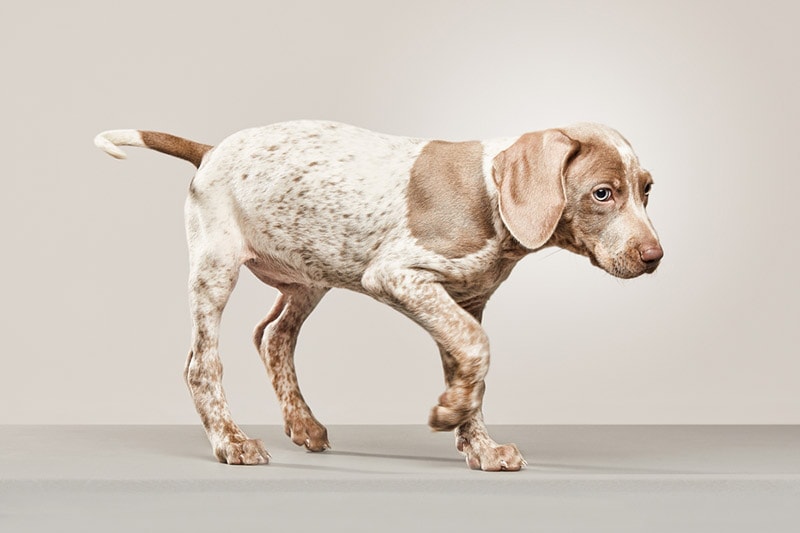
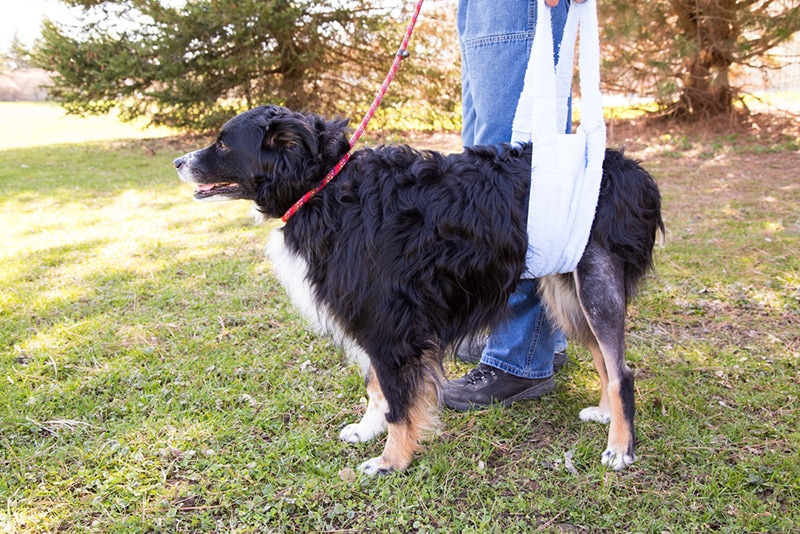
Dogs can usually still walk with a torn ACL; however, they will likely have a noticeable limp. In fact, limping is the most obvious sign of an ACL tear. However, if you notice your dog is limping, check their paw for injuries or foreign objects lodged between their digital pads before jumping to conclusions. You'll also want to inspect their legs for any other signs of trauma, such as snake or spider bites, or cuts.
Other common signs of ACL tears include:
If you notice any of these signs without an obvious cause, you should take your dog to the vet for a thorough exam. Your vet will be able to determine the cause and give you next steps.
Risk Factors for ACL (CCL) Tears
Unfortunately, CCL tears are fairly common in dogs. Interestingly, spayed females and neutered males have the highest rate of ACL tears. While more research needs to be done, this study by the American Association for Anatomy seems to support waiting until your dog is at least 6 months old before spaying or neutering, though further research is needed to fully understand the underlying causes for such findings.1
What to Do If You Suspect a Torn ACL (CCL)
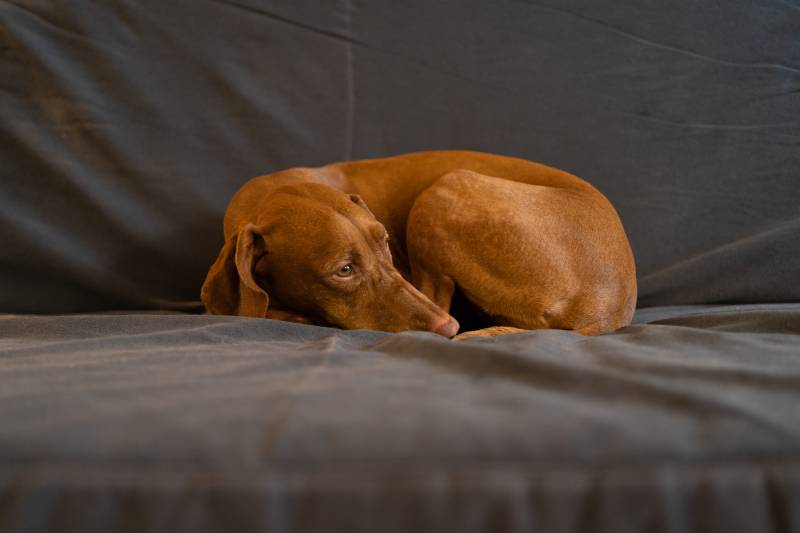
Tearing a ligament is painful for dogs and humans alike. From the moment the CCL tear happens, your dog feels pain and seeks relief by trying not to put weight on the affected leg. While they may be able to walk, you should encourage your dog to rest to promote healing and prevent any further tearing or injuries.
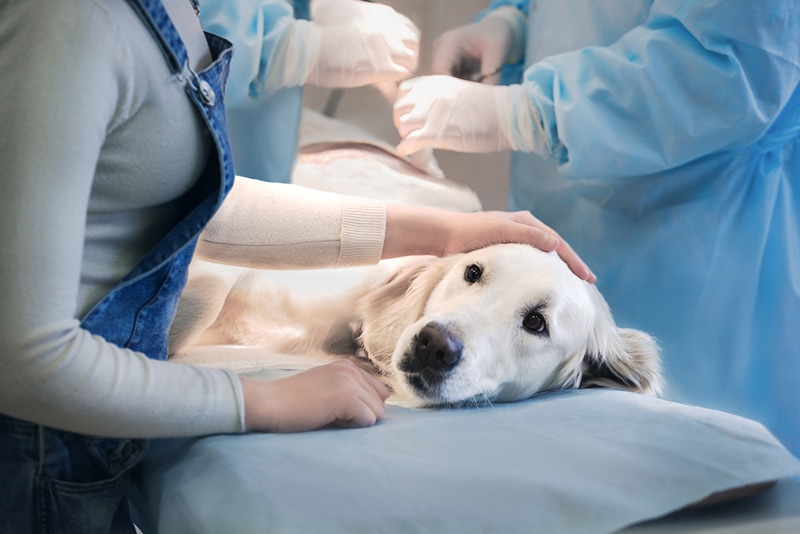
If you suspect a CCL injury, you should take your dog to the vet to see how badly their ligament is torn and to hear your vet's advice. There are multiple types of surgeries available to care for CCL tears, but not all of them may be appropriate options depending on your dog and the extent of the injury.
- Tibial Plateau Leveling Osteotomy - A tibial plateau leveling osteotomy or (TPLO) is the most common surgical procedure. For this method, the veterinarian reshapes part of your dog's tibia. After realigning the tibia with the femur, they attach a metal plate to stabilize the involved bones.
- Lateral Suture - A lateral suture is sometimes preferred for small dogs under 35 pounds because it stabilizes the bones without the need for a metal plate.
- Tibial Tuberosity Advancement - Finally, your vet may recommend tibial tuberosity advancement (TTA). However, this option has a faster recovery time and is generally a better option than TPLO for large, active breeds. Dogs that undergo TTA can often walk within 24 hours after the procedure and return to normal activities within 6 months of their operation.
Is Surgery Always Required?
If you notice your dog limping without any obvious cause, you should always take them to the vet to rule out a CCL tear. While surgery is often recommended and will likely lead to the fullest recovery, it may not always be a possibility due to financial or unrelated health concerns. The good news is that it is sometimes possible for some CCL tears to heal without surgery, but you'll still need to intervene to prevent further injury.
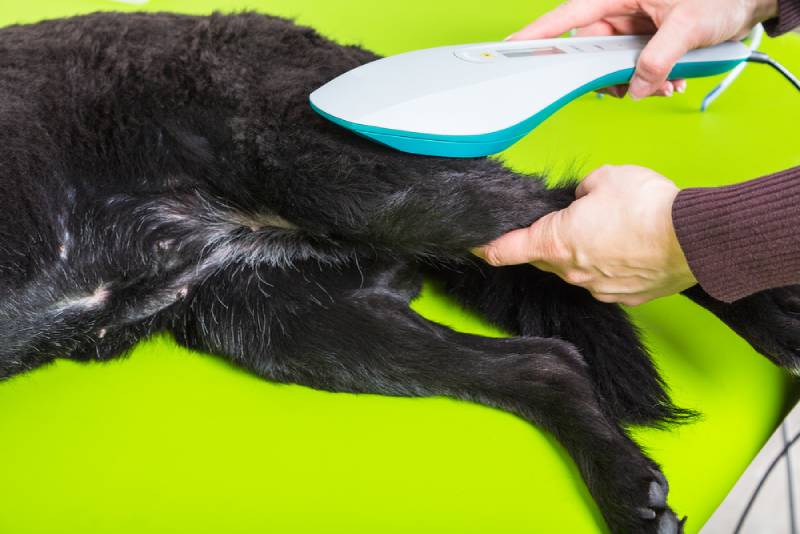
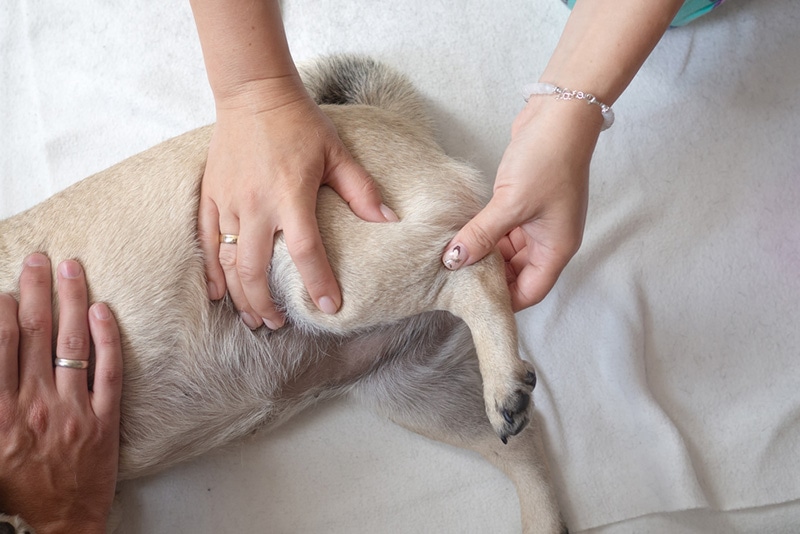
You should encourage your dog to rest their affected leg. Short, leashed walks are okay, but do not let them run or jump until the problem is resolved. Acupuncture, physical therapy, and therapeutic massages may also be helpful.
While your dog can't run or walk for long distances, you might try to see if they'll want to swim as long as they're comfortable in water. At the very least, you might be able to support their belly while they “doggy paddle.” This allows them to keep their legs moving without putting any stress on their joints, which decreases the risk of lameness or muscular atrophy as their injury heals.
If the tear is severe or if you have a large breed that will put a lot of weight on the affected leg, surgery is more likely going to be required for your dog to completely recover. There is also a risk that the other CCL will become torn, and also require similar therapies, at some point in your dog’s life.

Conclusion
While surgery is often the most recommended option, there are other ways to help your dog heal from an ACL, or CCL, tear. Most dogs that experience this frequent injury go on to live happy, active lives after they heal. However, many will damage the CCL on their opposite leg, at some point thereafter. If you see any signs of a tear, you should take your dog to the vet as soon as possible to assess the damage and make the most efficient strategy to help your dog get back on their feet soon.
Sources
Featured Image Credit: Yekatseryna Netuk,Shutterstock
Get Hepper In Your Inbox


Pet care tips from our vets and experts, straight to your inbox.
You may opt-out at any time. View our Privacy Policy for more information.
Brooke Bundy is a freelance writer who graduated from the University of North Georgia with a B.S. in Media Studies. She is interested in storytelling across different mediums. When she isn’t writing, Brooke loves to spend time with her dog, and three cats, in New Orleans, Louisiana. Brook enjoys gardening, cooking, brewing coffee, and making her pet's house a home.
Join the conversation
Ask a question, share your story, or send private feedback.