Hepper is reader-supported. When you buy via links on our site, we may earn an affiliate commission at no cost to you. Learn more.
Why Don't Cats Listen? 5 Interesting Reasons
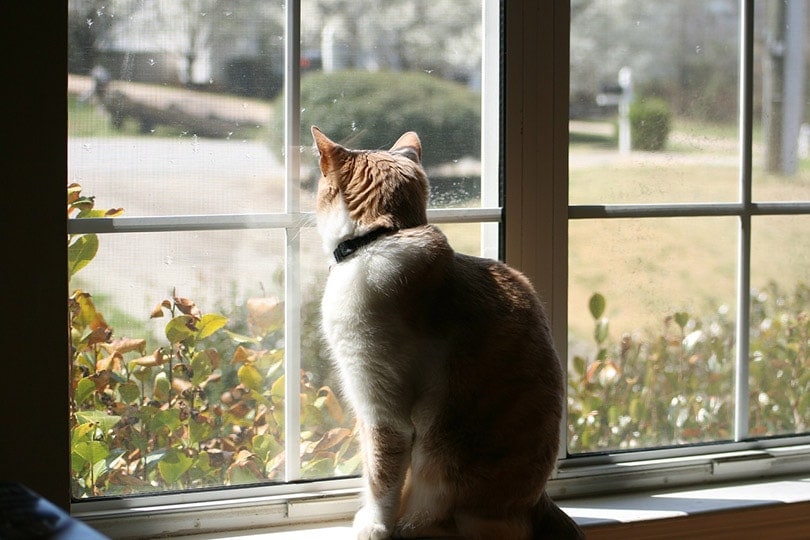
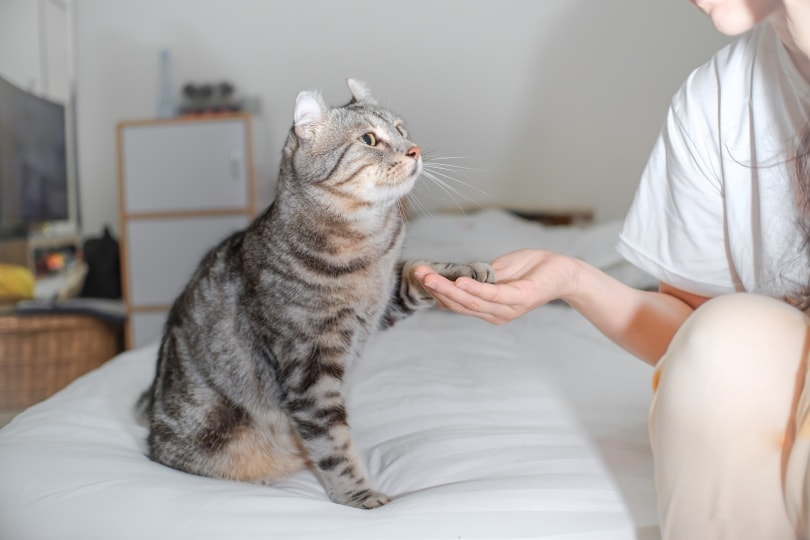
It is no secret that cats tend to listen to commands less than dogs. They aren't known for their obedience, though that doesn't mean they aren't trainable at all. Cats absolutely have a more independent nature than dogs.
Many people wonder why this is so. Cats are raised around humans just like dogs are, so why do they act so differently?
There are several reasons why cats as a whole tend not to listen very well and why your particular feline may not be very obedient. Let's explore these reasons below:

The 5 Reasons The Cats Don't Listen
1. Solitary Nature
Domestic cats evolved from wild cats thousands of years ago. Despite tons of time next to humans, cats still exhibit many traits from this wilderness time. One of these traits is their solitary and independent nature.
Dogs (and people) are pack animals. They're very social creatures who spend the majority of their life with others—even in a wild setting. Therefore, they're used to interacting with others and adjusting their behavior to match. They don't just consider what they want to do; they also look at how their actions affect their relationships.
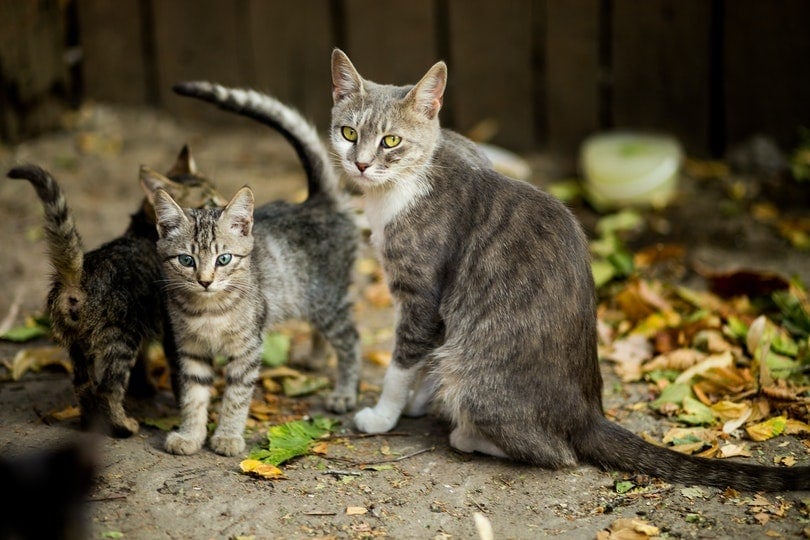
On the other hand, most wild cats spend the bulk of their time alone. Mothers raise their kittens for a bit, but even those relationships split when the kittens reach maturity. Our domestic cats come from these less-social beings and aren't made to socialize like a dog or person.
They're much more independent and solitary. These traits often translate to less heed being paid to anyone the cat is in a relationship with, including us.
In other words, cats' ancestors were independent and didn't adhere to any strict social rules. Therefore, cats today are much less likely to consider relationships when making decisions. They simply don't care about what you want.
2. Purpose
Many dogs were bred to work alongside people. Therefore, obedience was important, even during the very early periods. It would have been very hard for early humans to hunt alongside dogs if the dogs didn't listen at all.
Over time, the jobs dogs were trained for varied. Some were trained for guarding or herding. Still, in many cases, the dog worked closely alongside humans and therefore had to listen to some extent. Dogs that listened better were prized and bred, eventually leading to the high level of obedience we see today.
On the other hand, cats didn't really undergo this same process. Cats were domesticated largely for pest control purposes. They kept mice and rats out of homes, but they didn't require any human contact to make this happen. They just relied on their instincts, and humans began feeding them to keep them around. Therefore, cats were never bred with obedience in mind. It just wasn't something that was necessary.
(Interestingly enough, dogs bred for a similar purpose as cats often don't listen very well, either. For instance, hounds largely rely on their tracking instincts and tend to be very stubborn.)
3. They're Ignoring You
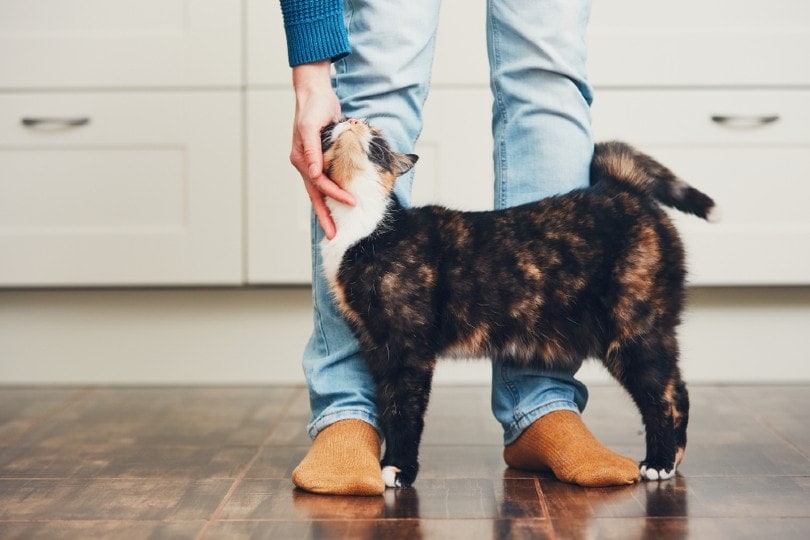
In what is perhaps the most amusing study of all time, scientists discovered that cats do ignore their owners. This study involved 20 housecats, who were studied within their own home (where they were comfortable). The scientists had the cat's owner call for them, mixed in with two other unknown voices.
When the unknown voices called, the cat acted interested. Their body posture changed. Some of them went towards the sound, and others ran away. However, they almost all responded. On the other hand, when the owners called for the cats, the felines acted uninterested. Many of them went back to sleep. The owner's voice wasn't new, so why would the cat respond?
The scientists stated that the study showed how cats could recognize the difference between voices. However, we found it very interesting that it basically confirmed what cat owners already know—cats typically don't come when called.
Again, this is probably due to how cats evolved and their independent nature. If your kitty doesn't listen, they're probably just ignoring you.

4. Illness
In most cases, cats don't listen because they just aren't made to listen. However, that doesn't mean that cats never listen at all. Many cats will come when called if they think something is in it for them (like treats).
That said, if your cat suddenly stops listening at all, it could be a sign of illness. Cats are very good at hiding their illnesses. In the wild, cats had to hide their illnesses, otherwise, they could become the target of predators. While this isn't a worry for them anymore, it is still built into their DNA.
Therefore, you may not notice many signs of your cat's health decline. Sometimes, signs like not listening are the only indicators you get.
Your feline may have an ear infection or brain problem that is affecting its hearing. Cats that don't feel good may not be willing to get up—even for treats. Lethargy is a common sign of many illnesses. Conditions that cause confusion can also make a cat less likely to listen.
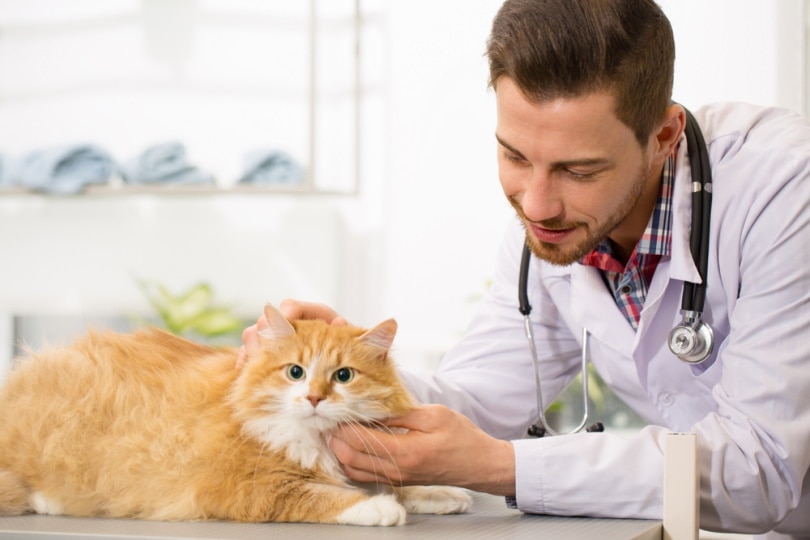
If you notice anything strange about your cat's behavior, you should visit a vet. It could just be a sign that your cat is a cat, or it could be due to an underlying illness. Most conditions are treated easier when diagnosed early, so getting to your cat as soon as possible is best.
5. No Training
Just like dogs, cats require training. If they aren't trained, there is a very good possibility that the cat doesn't know what you're talking about. If you tell your cat "no" but they don't know what "no" means, you aren't going to get very far.
Training a cat is a bit more challenging than a dog. Luckily, cats typically need less training than a dog. Cats have a very short attention span compared to dogs, and they often aren't as food-driven. Therefore, you'll need to keep training sessions extremely short.
Cats don't always train when you want them to, either. Instead, you'll have to work on your cat's schedule. Choose times when your cat is more active or interested in you. A sleeping cat probably won't wake up for a training session.
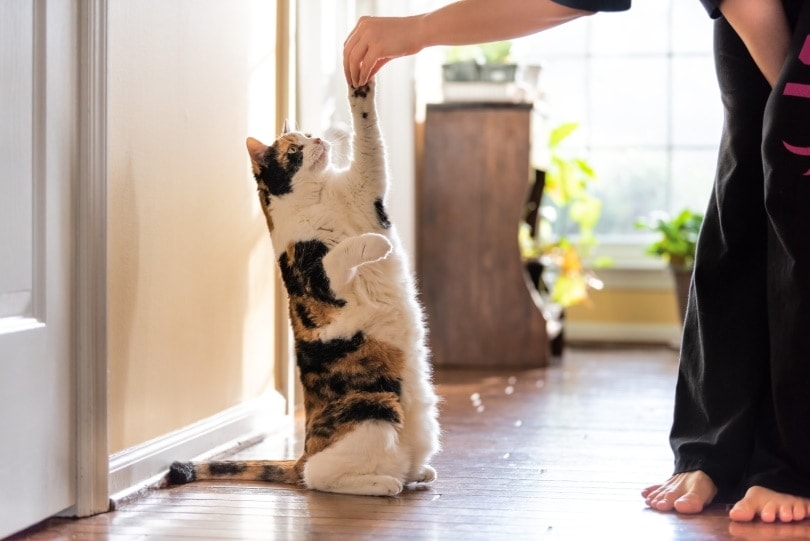
Training a cat is pretty similar to training a dog in most other aspects. You'll want to use praise and traits as positive rewards whenever your cat accomplishes the desired goal. Because cats tend to be harder to train, many experts recommend catching them behaving and praising them for it.
For instance, if you notice your cat is thinking about jumping on the counter but hesitates, give them a treat. You can also tie this to a word like "down" or "no." If you do this enough, your feline will figure out that they're supposed to keep their feet on the floor (though whether or not they care is a different story).
Final Thoughts
For the most part, cats don't listen because they didn't evolve from listening. They "self-domesticated" about 9,000 years ago as human agricultural activities attracted rats, mice, and other small mammals. Humans liked having the cats around to scare off these pests, but cats were never trained by the humans to hunt the mice—they did it automatically.
Obedience was never something early (or even later) people cared about when living next to cats. Therefore, it never evolved. It didn't benefit the cats to listen, so they never learned how to listen.
That said, you can train your cat to listen better. They're just harder to train than dogs. Furthermore, if your cat suddenly stops listening, we recommend speaking to your vet. There are many potential illnesses that can affect how well a cat responds to your commands.
See also:
Featured Image Credit: maigrey42, Pixabay
Get Hepper In Your Inbox


Pet care tips from our vets and experts, straight to your inbox.
You may opt-out at any time. View our Privacy Policy for more information.

Kristin is passionate about helping pet parents create a fulfilling life with their pets by informing them on the latest scientific research and helping them choose the best products for their pets. She currently resides in Tennessee with four dogs, three cats, two fish, and a lizard, though she has dreams of owning chickens one-day!
Join the conversation
Ask a question, share your story, or send private feedback.