Hepper is reader-supported. When you buy via links on our site, we may earn an affiliate commission at no cost to you. Learn more.
Why Is My Cat Shaking? 6 Vet-Approved Causes & FAQ


In this article
If you've ever noticed your beloved feline friend trembling or shaking, you might find yourself wondering what could be causing this behavior. Rest assured, you're not alone in your concern. Cat owners around the world have experienced this phenomenon and have sought answers to understand why their furry companions shake. The truth is, trembling can be caused by a variety of factors such as stress, discomfort, or underlying medical conditions.
Still curious? Read on as we delve into the possible reasons behind feline trembling and provide you with valuable insights to help you decipher your cat's shaking behavior!

What Happens When My Cat Is Shivering or Shaking?
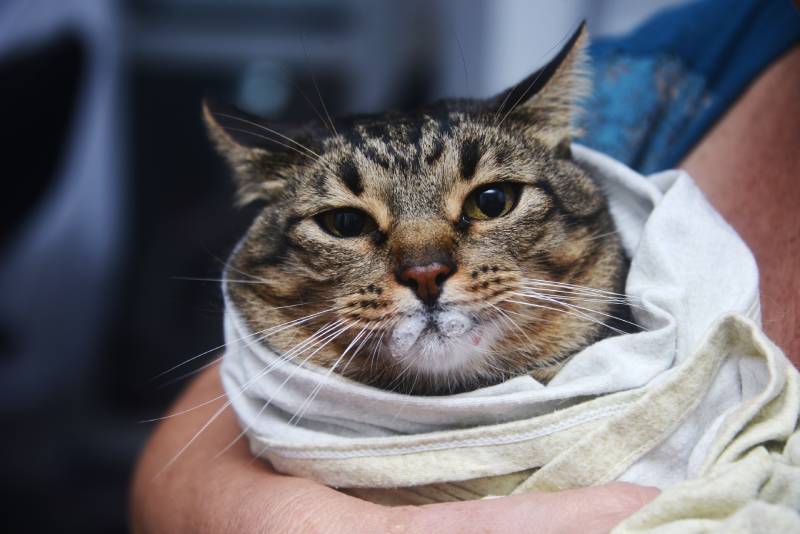
When your cat is shivering, you may notice various physical manifestations. Shivering typically involves a rapid, involuntary movement of the muscles.
Your cat's body may appear tense, and you might observe the fur standing on end. Additionally, trembling can be accompanied by vocalizations such as meowing or growling. It's important to pay attention to these signs and investigate further to determine the underlying cause.
Is It Normal for My Cat to Tremble?
In some cases, trembling can be a normal physiological response. Cats, like humans, can shiver when they are cold. During colder months or in chilly environments, it's not uncommon for cats to experience trembling as their bodies try to generate heat to maintain a stable temperature. However, if the shaking persists even in warm conditions, it's crucial to consider other potential factors that could be triggering this behavior.
Common Causes of Cat Trembling
1. Stress and Anxiety
Just like humans, cats can experience stress and anxiety. Situations such as moving to a new home, changes in routine, or the presence of unfamiliar people or animals can cause them to feel anxious. Shaking can be one of the physical manifestations of their distress. If you suspect that stress or anxiety might be the cause, creating a calm and secure environment for your cat can help alleviate their trembling.

2. Pain
Physical discomfort or pain can also lead to trembling in cats. Conditions such as arthritis, injuries, dental issues, or internal problems can cause them to experience discomfort, resulting in shaking or trembling.
It's important to observe your cat closely for any other signs of pain, such as limping, loss of appetite, or changes in behavior. If you suspect pain might be the cause, consulting with your veterinarian is highly recommended.
3. Deep Sleep
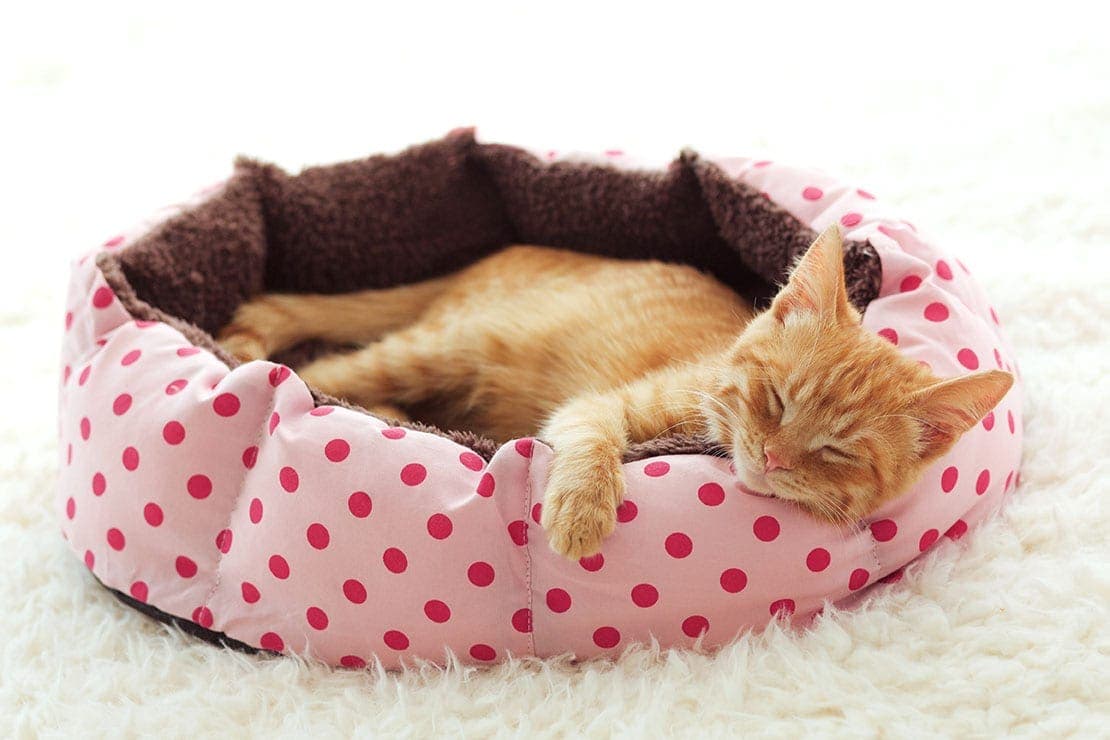
Cats are known for their deep sleep cycles, which include periods of rapid eye movement (REM) sleep. During REM sleep, your cat's muscles may twitch or tremble. This is a natural part of the sleep cycle and is usually nothing to be concerned about. However, if the shaking occurs outside of sleep or is accompanied by other abnormal signs, it's advisable to consult your vet.
4. Temperature Issues
Extreme temperatures can affect your cat's body just as they affect ours. If your cat is exposed to excessively hot or cold conditions, their body may respond with shaking or trembling. In hot weather, it's crucial to provide ample shade, fresh water, and cool spaces for your cat to prevent overheating. In colder temperatures, ensuring that your cat has a warm and comfortable environment can help minimize trembling due to the cold.
5. Low Blood Sugar
Hypoglycemia, or low blood sugar, can occur in cats, especially if they have not eaten for an extended period or if they have an underlying health condition such as diabetes. When blood sugar levels drop, cats may exhibit shivering or trembling as a response. If you suspect low blood sugar, it's important to monitor your cat's eating habits and behavior and consult your veterinarian for proper diagnosis and management.
6. Allergies
Just like humans, cats can experience allergies. Allergic reactions can trigger various symptoms, including shaking or trembling. Allergens such as pollen, dust mites, certain foods, or even certain cleaning products can cause an allergic response in cats. If you suspect allergies might be the culprit, try to identify and eliminate potential triggers from your cat's environment. Consult with your veterinarian for further guidance and potential treatment options.
7. Toxins
Ingestion of toxic substances can have severe effects on your cat's health and can result in trembling or shaking. Household chemicals, certain plants, medications, or even certain types of food can be toxic to cats. If you suspect your cat has been exposed to toxins, it is essential to seek immediate veterinary care to ensure their well-being.
8. Illnesses
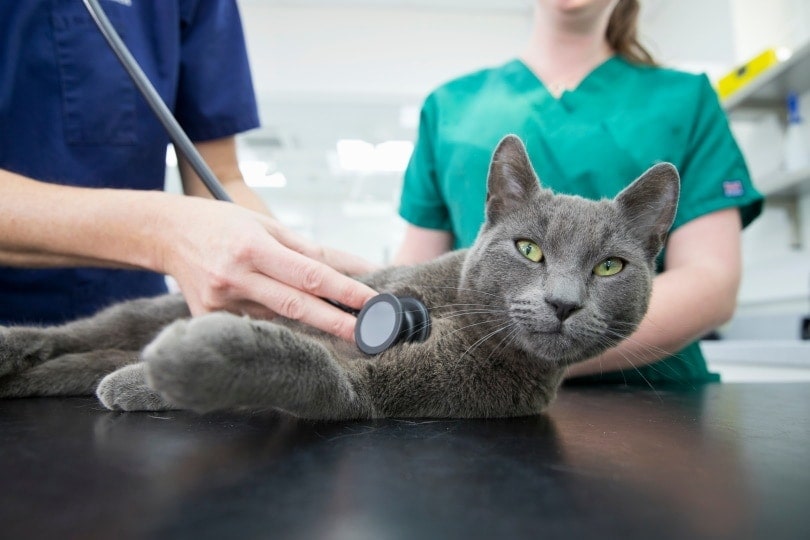
Underlying illnesses or medical conditions can also contribute to feline trembling. Conditions such as hyperthyroidism, kidney disease, heart problems, or infections can manifest through trembling or shaking. If you notice prolonged or recurrent shaking, accompanied by other concerning signs like vomiting, diarrhea, weight loss, or changes in appetite, it is crucial to schedule a vet appointment for a proper examination and diagnosis.
9. Neurological Issues
In some cases, trembling can be indicative of neurological problems in cats. Disorders affecting the nervous system, such as epilepsy or neuropathy, can lead to tremors or muscle spasms. If you suspect a neurological issue, it is vital to consult with a veterinarian who can perform a thorough evaluation and recommend appropriate treatment options.
When Should I See a Vet?
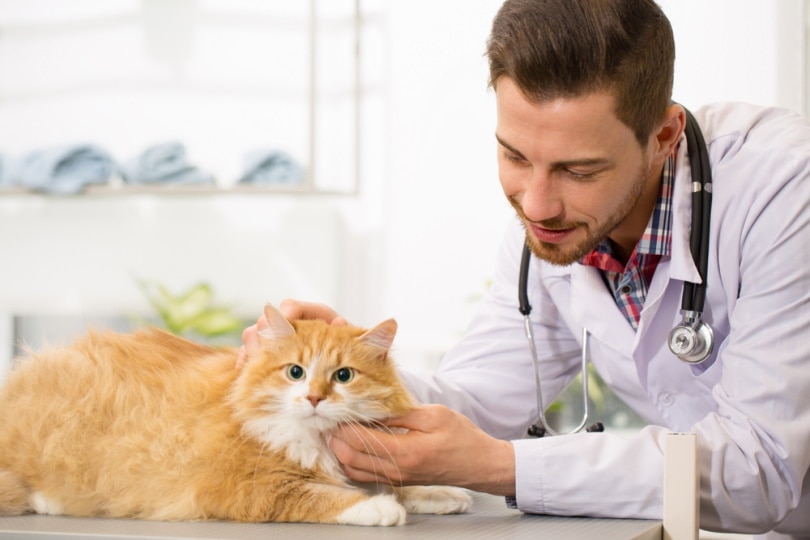
While some instances of trembling may not be cause for immediate concern, it's important to be vigilant and seek veterinary attention when necessary. If your cat's shaking persists, worsens, or is accompanied by other abnormal behaviors, or if you are unsure of the cause, it is always best to consult with your veterinarian. They can conduct a comprehensive examination, perform necessary tests, and provide you with a proper diagnosis and treatment plan.
What Can I Do If My Cat is Shivering?
If you notice your cat shivering or trembling, there are a few steps you can take to help alleviate their discomfort. Firstly, ensure that their environment is warm and comfortable. Provide cozy bedding and consider using a heated pad or blanket during colder months. If you suspect stress or anxiety, create a calm and secure space for your cat, and consider using natural calming aids or consulting with your vet for appropriate medications. Additionally, maintaining a regular feeding schedule and providing a balanced diet can help prevent low blood sugar-related trembling.
Final Thoughts
While it can be concerning to witness your cat shaking, it's essential to remember that trembling can have various causes, some of which are quite common and manageable. By familiarizing yourself with the potential reasons behind feline trembling, you can better understand your cat's behavior and provide the necessary care and attention.
Remember, if you're ever unsure or concerned, your veterinarian is your best resource for expert advice and guidance. With a little love, attention, and the right approach, you can help your cat overcome trembling and ensure their overall well-being and happiness!
Sources
Featured Image Credit: Nils Jacobi, Shutterstock
Get Hepper In Your Inbox


Pet care tips from our vets and experts, straight to your inbox.
You may opt-out at any time. View our Privacy Policy for more information.
Nicole is a lover of animals of all sizes but is especially fascinated with the feline variety. She’s the proud mom of Baby, a Burmese, and works every day so he can relax in the sunshine or by the fire. She’s always had a cat in her home and has spent countless days with others, observing behaviors and softening up even the grouchiest of the lot. Nicole wants to share her kitty expertise with you so you and your cat can live happy, healthy, and care-free.
Join the conversation
Ask a question, share your story, or send private feedback.