Hepper is reader-supported. When you buy via links on our site, we may earn an affiliate commission at no cost to you. Learn more.
How to Clean a Litter Box With Vinegar (Easy Step-By-Step Guide)

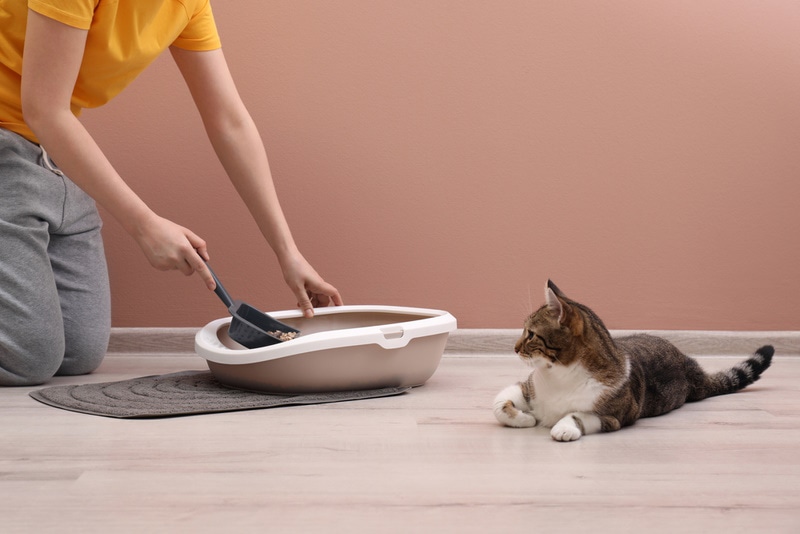
Living with a feline companion is one of life's great joys, but along with all the purrs and cuddles come unpleasant tasks such as keeping their litter box clean. Having a squeaky, clean litter box is important for keeping cats happy and smells at bay.
Litter boxes are notorious sources of germs and bacteria, so they require regular cleaning to stay fresh and hygienic. Vinegar is a natural option many cat parents use to get their pets’ litter boxes nice and clean. Keep reading to learn how to clean a litter box with vinegar.

The 4 Steps to Clean a Litter Box With Vinegar
1. Gather Your Supplies

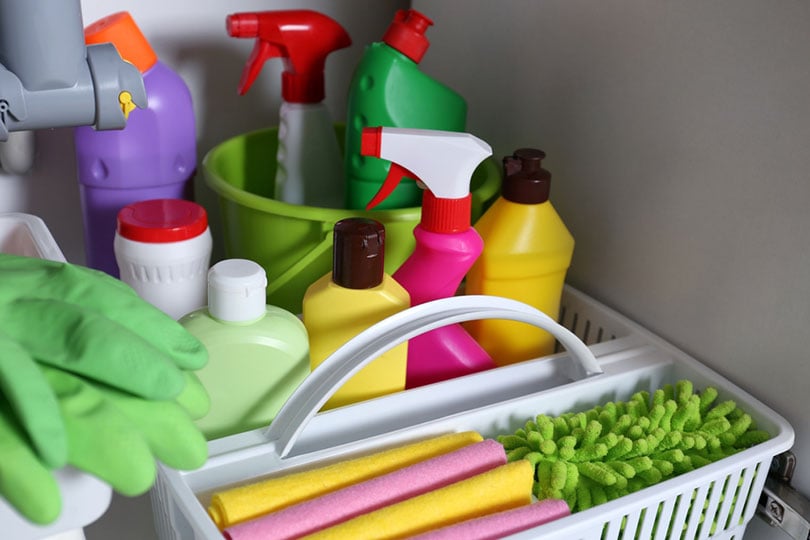
Before getting started, take a few minutes to gather everything you will need to complete the project! Grab a plastic bag, a few old cotton rags, a brush to scrub with, and vinegar.
Protective equipment such as gloves and face masks can limit your exposure to bacteria and dust during the cleaning process. Make sure to have fresh cat litter on hand and any deodorizing additives you usually use for odor management and control.
2. Dump the Old Litter
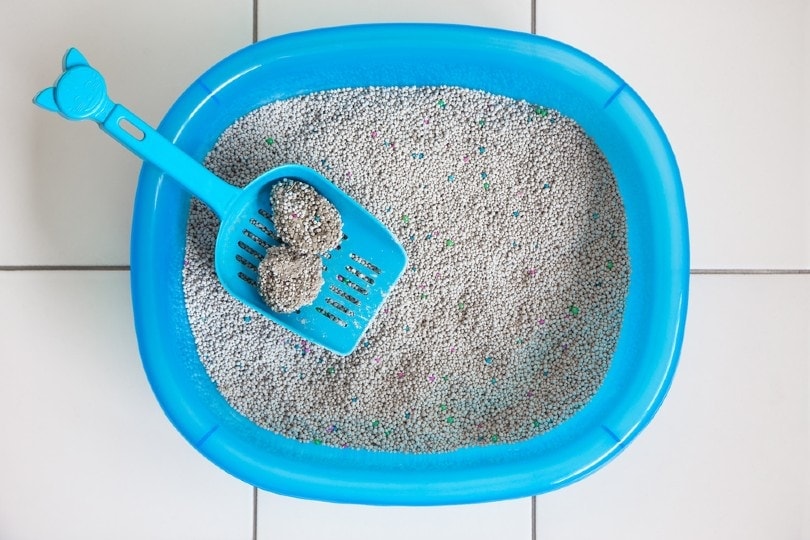
Snag a plastic bag to get started. Scoop out as much solid waste as possible to make the dumping process a bit easier. Take the litter box and empty the contents into the plastic bag you have on standby.
Use the scoop to knock loose any large bits of stuck-on material if you do not use litter pan liners. Dump anything you manage to remove from the sides of the litter box as well.
3. Clean the Litter Box
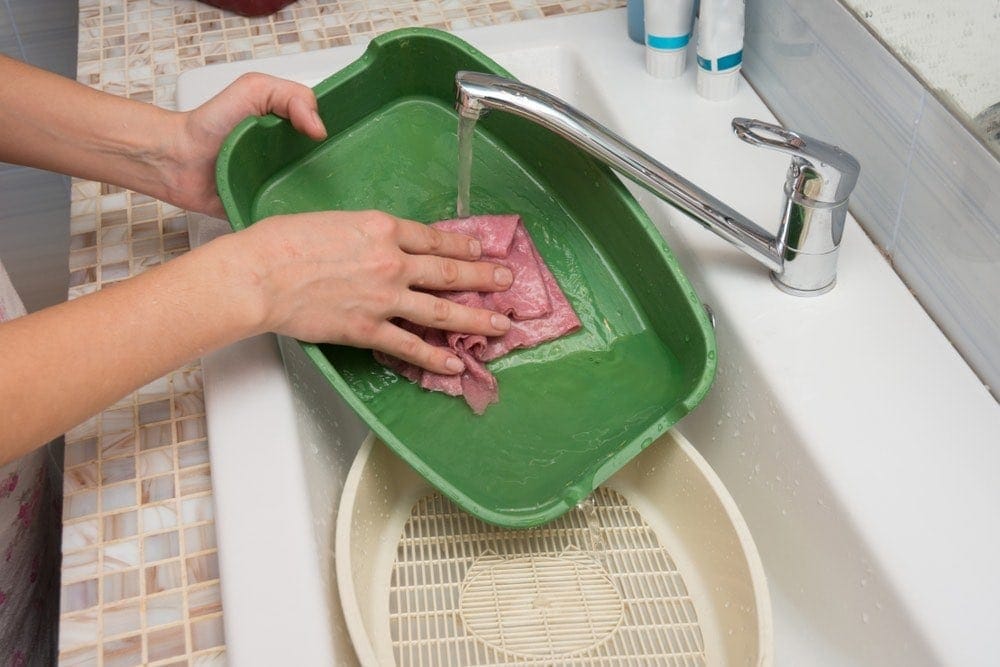
Give the litter box a quick rinse with super-hot water to get rid of the first layer of dirt. Fill it with hot water and vinegar and use the brush to remove any lingering bits of waste and the rags to ensure the sides of the box get nice and clean.
Dump the dirty water, and use lots of fresh hot water to rinse the pan, as cats generally aren't huge fans of the smell of vinegar. You can either let the litter box air dry or give it a wipe-down with paper towels or a rag.
Make sure the litter box is completely dry before moving on to the next step. Keep in mind that straight vinegar can cause cats to have stomach problems and develop sore spots in their mouths, so take precautions to ensure your cat doesn't get into the cleaning solution and that the vinegar is properly put away.
4. Add Fresh Litter
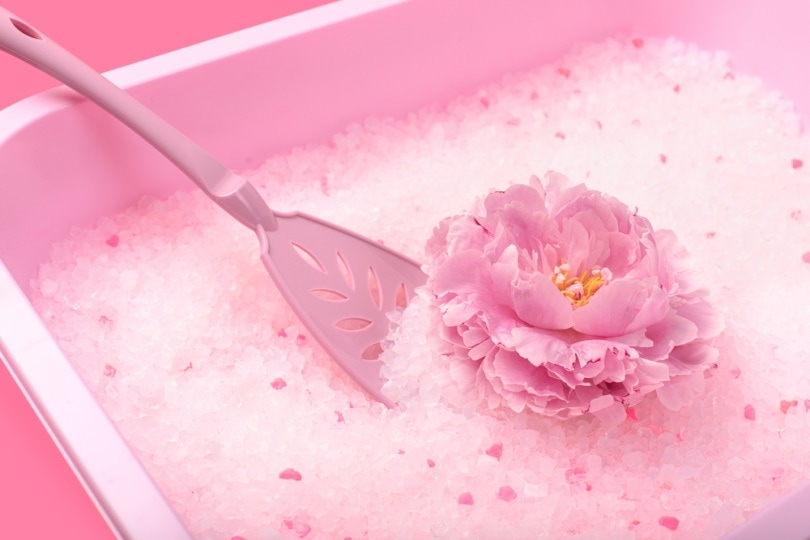
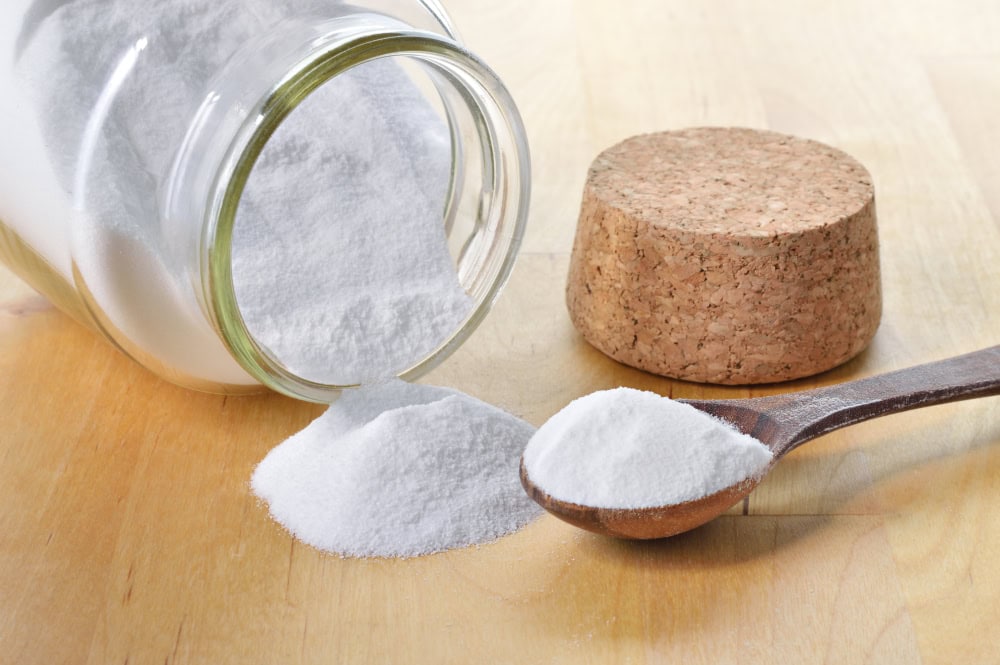
Fill the litter box with your cat’s favorite litter and anything you use for odor control. Baking soda provides solid odor control and absorption and doesn't have a strong scent, making it an excellent option for cats and people with sensitive noses.

Frequently Asked Questions
How Often Should Cat Litter Boxes Be Cleaned?
Cat litter boxes should usually be cleaned and refreshed about once a week to prevent germs and smells from accumulating. Since the plastic many litter boxes are made of often traps odors, litter boxes begin to smell over time. Replacing plastic litter boxes every few years can make it easier to keep things smelling fresh.
Is There a Specific Type of Vinegar That Works Best?
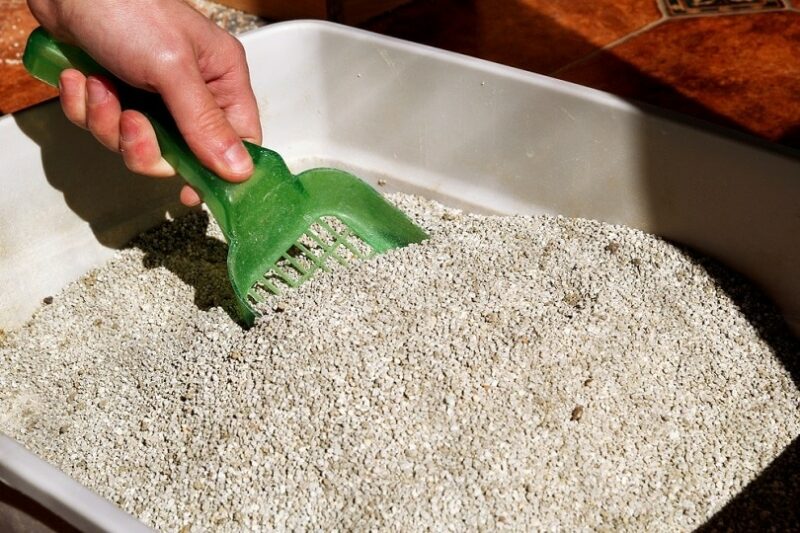
Plain white vinegar does the job and is easy to find in most grocery stores, but you can also use apple cider vinegar if you have it around the house.
Are There Other Natural Cleaning Products That Can Be Used?
Lemon can also be used to clean litter boxes. It is particularly effective when mixed with sparkling water to give it more cleaning power. Use lots of water to rinse the pan after using a lemon solution. Many cats don't like the smell of citrus products, so some pets may not appreciate a litter box with a lemony, fresh scent.
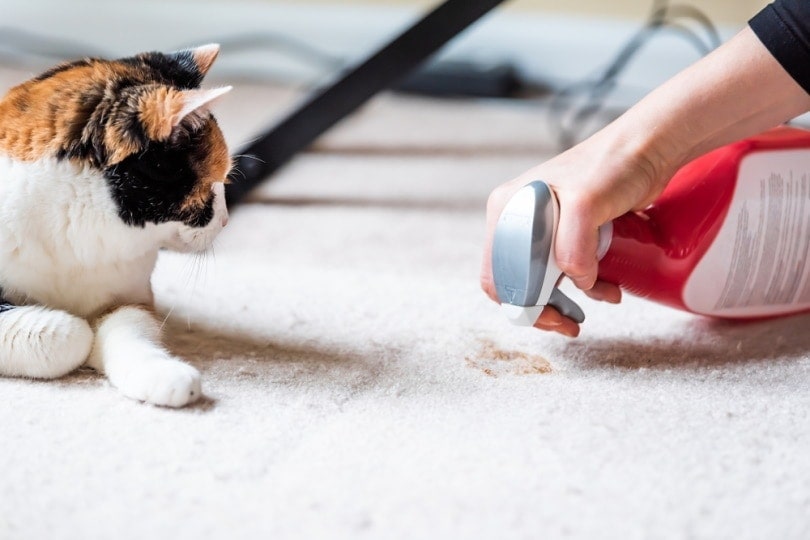
Our favorite enzyme cleaner for eliminating pet smells and stains is our very own Hepper Advanced Bio-Enzyme Pet Stain & Odor Eliminator Spray. It makes clean-up a breeze because it permanently removes even the very worst smells and stains (urine, feces, vomit, you name it!) from basically any surface you can imagine.

- ADVANCED ENZYMATIC CLEANER - Penetrates the most stubborn smells and stains at the deepest molecular levels to dissolve any pet mess you encounter and lift it away at the source.
- FOR ANY MESS, ON ANY SURFACE - This pet odor eliminator cleans your carpets, floors, furniture, fabrics, and more. Whether it's urine, feces, vomit, or drool, you can erase all foul spots and smells!
- FRESH, NATURAL ODOR - Our unique formulation doesn't rely on dangerous or unpleasant chemical fragrances to get the job done. We eradicate smells and stains, not just cover them up.
How Often Should Litter Boxes Be Scooped?
Because cats are sensitive to smells and particular about their litter boxes, more frequent scooping is almost always better. Solid waste should be scooped every day. Pet parents with more than one cat often need to clean their pets’ litter boxes more than once a day to keep smells from overpowering.
Can Cat Litter Be Flushed?
No. Cat litter and waste shouldn't be flushed down the toilet. Not only can the litter cause serious clogs and problems with plumbing systems, but it can also lead to sewer blockages and leaks that can spread harmful bacteria in the environment. Flushing cat poop can also introduce parasites such as Toxoplasmosis gondii into the water table that can cause humans, particularly those with weak immune systems and pregnant individuals, to become ill.
How Many Litter Boxes Do Cats Need?
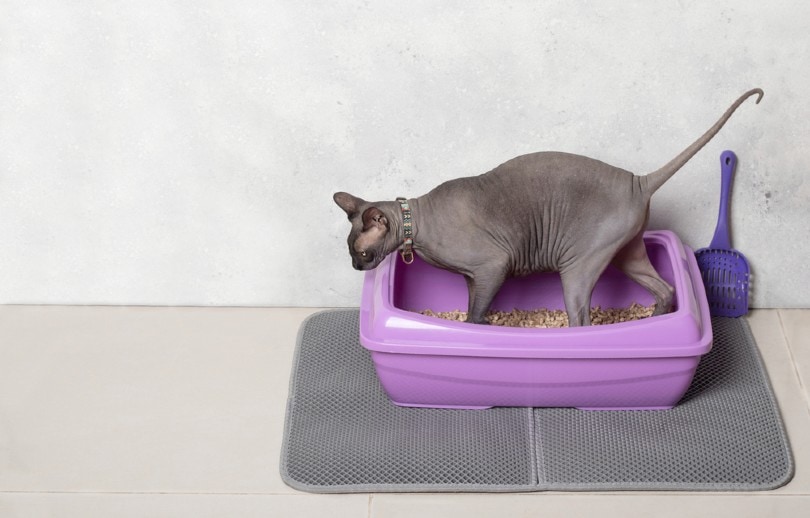
It depends! Healthy adult cats who live by themselves are often fine with just one litter box, but older felines with mobility issues benefit from having multiple litter boxes so they do not have to go quite so far to use the bathroom.
At least one litter box per cat plus one extra is an excellent place to start in multi-pet homes, as it helps limit resource competition. Having an additional box can reduce bullying and minimize some of the environmental factors that often cause conflict between cats.
Conclusion
Vinegar and water can be used to clean litter boxes, but it's best to rinse them thoroughly after cleaning since cats dislike the smell of vinegar. Ensuring the box stays clean with regular poop scooping and cleaning is key to keeping cats happy and preventing accidents away from the litter area.
Plan on throwing out everything in the box and giving it a good clean at least once a week to keep the area smelling fresh. Make sure to rinse everything well with fresh water once you are done, as cats generally do not like the smell of vinegar.
Related Read: Best (and Worst) Spots to Put a Cat Litter Box
Sources
https://www.petmd.com/cat/care/evr_ct_keeping_odor_away_with_a_clean_litter_box
https://www.aspca.org/news/pet-poisons-be-mindful-these-household-products-and-cleaning-agents
https://www.petmd.com/cat/general-health/9-litter-box-mistakes-avoid
https://www.petmd.com/cat/care/evr_ct_keeping_odor_away_with_a_clean_litter_box
https://www.petmd.com/cat/general-health/9-litter-box-mistakes-avoid
Featured Image Credit: New Africa, Shutterstock
Get Hepper In Your Inbox


Pet care tips from our vets and experts, straight to your inbox.
You may opt-out at any time. View our Privacy Policy for more information.
Lorre Luther a reformed lawyer from the United States, she moved to the Netherlands to follow her dream and become a writer. Currently living in Rotterdam, Lorre enjoys traveling and reveling in the astonishing beauty of our planet. As an animal lover, Lorre is convinced that cats are smarter than humans.
Join the conversation
Ask a question, share your story, or send private feedback.